
Hertz Used Cars 2026: What Buyers Really Get
 Abdul WadoodLast updated

Here’s a number that surprises most shoppers: a rental car can see dozens of different drivers in a single year. That’s exactly why some used-car buyers hunt for ex-rental vehicles — and why others run the other way. Hertz sits right at the center of that debate, because the company doesn’t just rent cars; it sells them, too.
Hertz Global Holdings has spent years building a retail channel for vehicles retired from its rental fleet. The appeal is simple: late-model cars, remaining factory warranty, and no haggling. The catch is just as real: these cars have lived hard lives, and the paperwork trail matters more than the price tag. This guide breaks down how the program works, what to inspect, and where the smart money goes.
How Hertz ended up selling its own cars
Hertz is one of the best-known rental brands in the world, with a history stretching back to 1918 — a story worth exploring in its own right if you enjoy corporate lore. What matters for buyers is the business model. Rental companies buy cars in bulk, run them for a set period, then sell them to recover capital. Most of that inventory historically went to wholesale auctions, where dealers bought it and marked it up.
Selling directly to the public cuts out the middleman. Hertz keeps more of the vehicle’s value, and buyers theoretically get a lower price. That logic has pushed rental giants into retail over the years, and the model has survived because it works for both sides — at least when the cars are right.
The fleet itself has been through turbulence. Hertz filed for Chapter 11 bankruptcy in May 2020 and emerged in mid-2021. Around the same time, the company made a splashy commitment to electric vehicles, ordering roughly 100,000 Teslas in 2022, then scaling back and selling off a large chunk of its EV fleet by early 2024. That reversal matters to used-car shoppers: it pushed a wave of low-mileage EVs onto Hertz lots, often at prices well below what private sellers were asking. (SEC EDGAR Company Search)
If you want a broader view of how rental fleet sales fit into the wider market, Voozon Cars — Reviews, Comparisons & Car Guides covers the category in depth.
What you’re actually buying
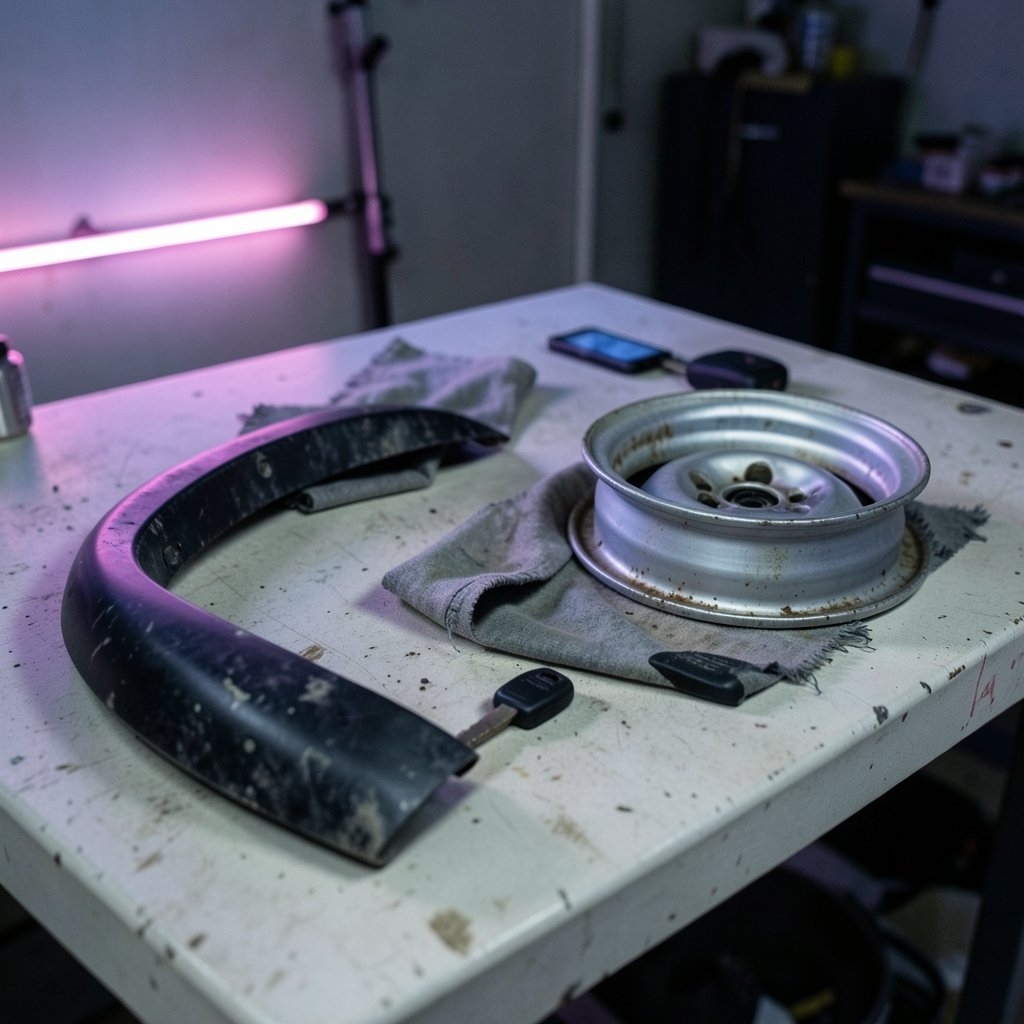
A Hertz used car is, almost by definition, a former rental. That shapes everything about it.
Most units are one to three model years old and carry remaining factory warranty coverage — a genuine advantage over private-party sales. Many come with a buyback window, typically a few days, during which you can return the car for a refund if you change your mind. That policy is one of the strongest arguments in the program’s favor, because it shifts some risk back to the seller.
But the rental life leaves marks. Expect higher-than-average mileage for the model year, and expect cosmetic wear that a careful private owner would never tolerate: scuffed bumpers, stained seats, curbed wheels, and the occasional mystery rattle. None of that is disqualifying. It’s just priced in — or it should be.
The mileage question
Rental fleets typically retire cars somewhere between 30,000 and 50,000 miles, though the range varies widely. A three-year-old sedan with 45,000 miles isn’t unusual. Compare that to a private sale of the same model year with 22,000 miles, and the “deal” can evaporate fast.
The practical rule: calculate cost per remaining mile of warranty instead of using only the sticker price. A cheaper car with six months of coverage left is often worse value than a slightly pricier one with two years.
EVs deserve their own checklist
The EV sell-off created genuine bargains, but battery health is the whole ballgame. A rental EV may have been fast-charged constantly, drained to near zero repeatedly, and driven by people unfamiliar with regenerative braking. Ask for a battery health report or state-of-health reading before you sign. If the seller can’t produce one, walk.
Where the program delivers and where it stumbles
The honest answer is that Hertz used cars are neither a scam nor a secret goldmine. They’re a channel with specific strengths and specific traps.
| Factor | Typical Hertz experience | Typical private seller |
|---|---|---|
| Warranty remaining | Often yes, factory coverage | Varies; often none |
| Return window | Usually several days | Rarely |
| Vehicle history | Rental use, fleet maintenance records | Depends entirely on owner |
| Price | Fixed, no-haggle | Negotiable |
| Mileage | Higher for the year | Usually lower |
| Cosmetic condition | Worn, fleet-grade | Variable |
| Financing | In-house options available | Third-party only |
Fixed pricing cuts both ways. It removes the stress of haggling, but it also removes your ability to negotiate. If a car has been sitting on the lot for months, that fixed price may be soft — ask. Sales staff sometimes have room they won’t advertise.
The inspection routine that actually works
This is where most buyers go wrong. They trust the “certified” label and skip the basics. Don’t.
- Pull the full history report before you visit. Look for accident records, title branding, and service gaps. A rental car with a clean record is far more attractive than one with a repaired collision.
- Book a pre-purchase inspection with an independent mechanic. This costs a small fee and is the single highest-return step in the entire process. A lift inspection catches undercarriage damage, worn brakes, and fluid leaks that a lot test drive never reveals.
- Test drive for at least 30 minutes, including highway speeds. Rental cars accumulate suspension wear. Listen for clunks over bumps and vibration through the steering wheel.
- Check every feature, one by one. Rental cars get abused in small ways: broken USB ports, dead key fobs, cracked screens, missing floor mats. Test the climate control, all windows, the infotainment, and every camera and sensor.
- Inspect the interior like you’re buying a house. Look under the seats, in the trunk well, and at the headliner. Smoke and pet odors are hard to remove and often signal rougher treatment.
- Verify the warranty transfer in writing. Factory coverage usually follows the car, not the seller, but confirm the remaining terms and any exclusions before signing.
- Read the return policy carefully. Know the exact number of days and miles allowed, and what condition the car must be in to qualify.
The most common mistake is skipping step two. Buyers fall in love with a clean exterior and a low price, then discover a worn clutch or a failing AC compressor a month later. The second most common mistake is assuming the return window covers everything — it usually doesn’t cover wear items or damage you cause.
For a deeper look at how vehicle experience shapes long-term satisfaction, the cars built around experience is worth a read before you commit.
Pricing: what “no-haggle” really means
Fixed pricing sounds transparent, and often it is. But it doesn’t mean the price is competitive. Rental fleet vehicles are priced against wholesale auction values plus a margin, and those values swing with the market. When used-car prices fall, fleet sellers can be slow to adjust.
Do your homework. Pull private-party and dealer listings for the same model, year, and mileage within a few hundred miles. If the Hertz price sits above the local average, you have leverage — even at a no-haggle lot, a printed comparison often opens a conversation.
Also factor in fees. Documentation charges, title fees, and dealer prep can add hundreds to the advertised number. Ask for the out-the-door price in writing before you commit.
The EV wildcard
The EV sell-down is the most interesting story in this space. Hertz’s Tesla order and subsequent reversal flooded the market with electric rentals, and many landed on retail lots at steep discounts. For buyers who understand battery care, that’s an opportunity. For buyers who don’t, it’s a trap.
Three questions matter most:
- What’s the battery’s state of health? Anything below roughly 90 percent on a two-year-old car deserves scrutiny.
- How was it charged? Heavy DC fast-charging accelerates degradation. Fleet records may show charging patterns.
- What’s the replacement cost? A battery pack can cost more than the car is worth. Warranty coverage on the pack is the deciding factor.
If you’re comparing models across the EV and gas segments, Voozon Cars — Reviews, Comparisons & Car Guides – Voozon — Discover, Review & Explore has side-by-side breakdowns that make the math easier.
Who should buy one, and who shouldn’t
Hertz used cars suit a specific buyer: someone who wants a late-model vehicle with warranty coverage, values a return window and fixed pricing, and is willing to pay for an independent inspection. That buyer usually comes out fine.
They suit poorly anyone who wants a pristine, low-mileage example with a single careful owner. That car exists — it just isn’t on a rental lot. Buyers chasing the absolute lowest price should also look at wholesale auctions, though the lack of warranty and return protection usually erases the savings.
The middle path is often best: use rental fleet listings as a price benchmark, then decide whether the warranty and return policy are worth the mileage penalty on a specific car. Sometimes they are. Sometimes they aren’t.
Conclusion
Hertz used cars occupy a genuinely useful niche. The combination of remaining factory warranty, a short return window, and no-haggle pricing removes several classic used-car headaches. But the rental pedigree is real, and it shows up in mileage, cosmetics, and wear items that a five-minute test drive won’t reveal.
The buyers who do well here share a habit: they treat the listed price as a starting point for research, not a finish line. They pull history reports, pay for independent inspections, verify warranty transfers in writing, and walk away when the numbers don’t work. That discipline matters more than the brand on the lot.
If you’re shopping, start with a clear budget, a shortlist of two or three models, and a mechanic on speed dial. The right ex-rental car can be an excellent value. The wrong one can be an expensive lesson — and the difference is almost always the inspection you did or didn’t do.
FAQ
Are Hertz used cars a good deal?
Sometimes. They often carry remaining factory warranty and a short return window, which adds real value. But mileage is typically higher than private-party equivalents, so compare cost per remaining warranty mile rather than sticker price alone.
Can I return a Hertz used car after buying it?
Most locations offer a limited return window, commonly a few days, subject to mileage and condition rules. Confirm the exact terms in writing before you sign, because wear items and damage you cause are usually excluded.
Do Hertz used cars come with a warranty?
Many do, because they’re recent model years still covered by the manufacturer’s factory warranty. That coverage generally transfers with the vehicle. Always verify remaining terms and exclusions directly rather than relying on a sales description.
Are ex-rental cars reliable?
They can be, but rental use means many drivers and inconsistent care. A pre-purchase inspection by an independent mechanic is the single best way to separate a solid car from a worn one. Never skip it, even on a certified vehicle.
Should I buy a used EV from Hertz?
Only with a battery health report in hand. The EV fleet sell-off created real discounts, but battery degradation from heavy fast-charging is a genuine risk. Confirm state of health and remaining pack warranty before committing.
How many miles do Hertz rental cars have when sold?
Most retired rentals land somewhere between 30,000 and 50,000 miles, though the range varies by vehicle type and fleet cycle. Expect higher mileage than a comparable private sale and price accordingly.