
Hair Oil Guide 2026: What Works, What’s Hype & How to Use
 Abdul WadoodLast updated
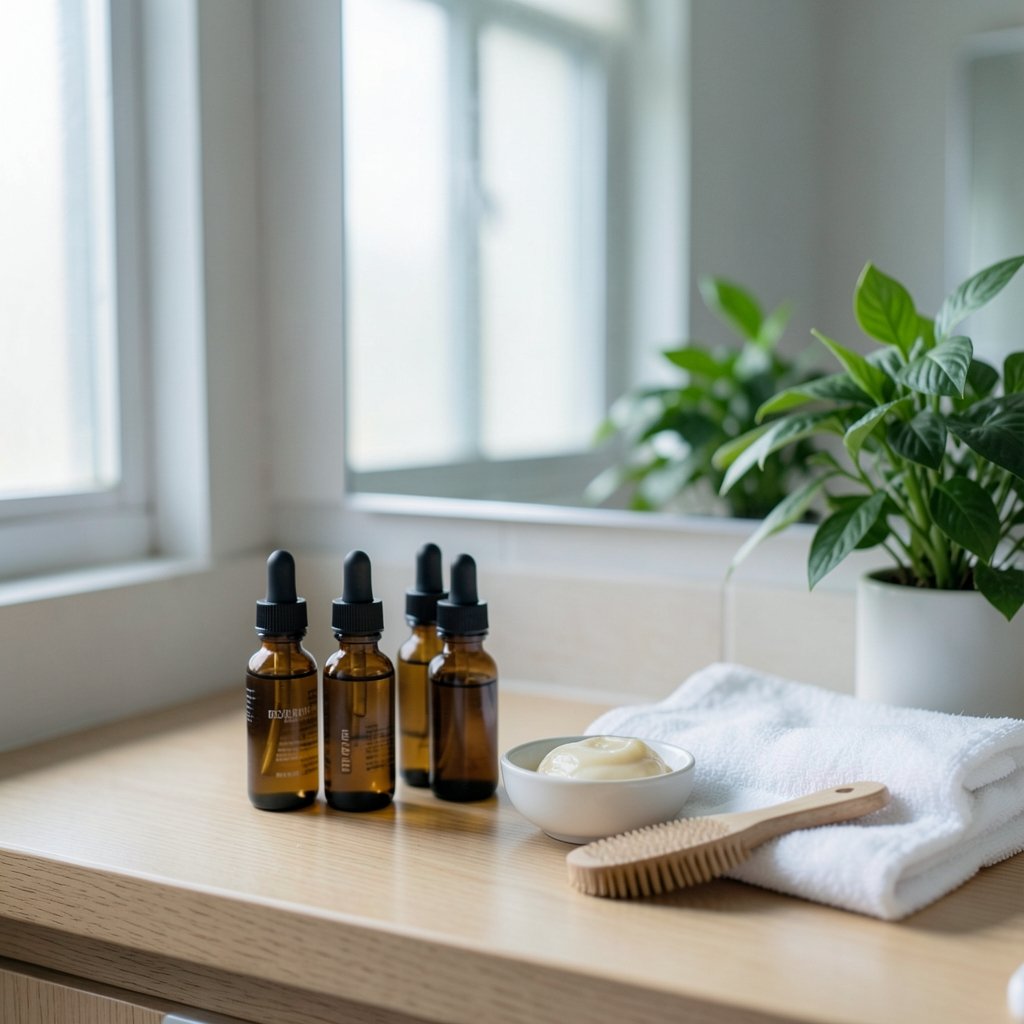
Does putting oil on your hair really make it healthier, or does it just make it greasy? Walk down any drugstore aisle and you’ll see dozens of bottles promising shine, growth, and repair. The truth is more interesting than the marketing. Some oils genuinely help, others mostly sit on the surface, and a few can cause problems if you use them wrong. This guide separates the science from the sales pitch so you can pick the right product and apply it like someone who knows what they’re doing.
What Hair Oil Actually Is
Hair oil is a broad term covering two very different product categories, and mixing them up is the most common mistake people make.
The first category is pre-wash treatment oils. These are heavy, single-ingredient or blended oils like coconut, olive, castor, amla, and argan. You apply them before shampooing, leave them on for a while, and wash them out. Their job is conditioning and reducing damage during washing.
The second category is leave-in finishing oils. These are usually lightweight blends built on silicones such as cyclopentasiloxane. They stay on the hair, add shine, tame frizz, and make combing easier. They are not designed to nourish the scalp or repair the strand from the inside.
The evidence behind each category is different, so treat them separately. A pre-wash oil and a shine serum are not interchangeable, even though both say “hair oil” on the label.
The Science: Which Oils Penetrate and Which Just Sit There
Here’s where things get genuinely useful. Not all oils behave the same way on hair.
Coconut oil and palm kernel oil contain high levels of lauric acid, a small molecule with a structure that lets it penetrate inside the hair shaft. Research published in the Journal of Cosmetic Science (Rele and Mohile, 2003) found that coconut oil applied before washing reduced protein loss from hair compared with mineral oil and sunflower oil. That’s a meaningful finding, because protein loss is one of the main ways hair gets weaker over time.
Mineral oil and silicone-based oils largely stay on the surface. They don’t penetrate, but that’s not a flaw. By coating the outside of the strand, they reduce friction between hairs, lock in moisture, and smooth the cuticle. Think of them as a raincoat, not a vitamin.
| Oil type | Penetrates the shaft? | Best use | Watch out for |
|---|---|---|---|
| Coconut, palm kernel | Yes (lauric acid) | Pre-wash conditioning | Can solidify in cool rooms; heavy on fine hair |
| Olive, avocado | Partially | Pre-wash, dry scalp | Very heavy; hard to wash out |
| Argan, jojoba | Limited | Leave-in smoothing | Pricey; often diluted in cheap products |
| Mineral oil | No | Sealing, frizz control | Buildup with repeated use |
| Silicone-based | No | Shine, detangling | Needs clarifying shampoo occasionally |
One honest caveat: the penetration research rests on a small number of older studies, and replication is limited. The mechanism is plausible and widely accepted in cosmetic science, but it’s not the same as a large clinical trial. Treat it as good evidence, not gospel.
What Hair Oil Can and Cannot Do
This is the section the marketing departments would rather you skip.
What oil can do: condition the surface, reduce friction and breakage during combing, add temporary shine, soften dry ends, and (for penetrating oils) reduce protein loss during washing. For people with tightly coiled or very dry hair, oil-based sealing is a legitimate and long-standing part of hair care.
What oil probably cannot do: regrow hair on a balding scalp, cure dandruff, or permanently repair split ends. Split ends are split. Oil can temporarily glue them together and make them look better, but it cannot fuse them back.
The hair growth claim deserves special attention. Evidence that oils promote new growth is weak and mostly comes from small studies, often on blends of aromatic plant oils rather than the oils themselves. No hair oil has been approved by the U.S. Food and Drug Administration for treating hair loss. Under FDA rules, a product is generally a cosmetic unless it makes drug claims like “treats alopecia,” in which case it must meet drug requirements. If a bottle promises to reverse baldness, that’s a regulatory red flag as much as a scientific one. (Hair oils: Types, benefits, and how to use them)
In the European Union, cosmetics fall under Regulation (EC) No 1223/2009, which requires ingredient labeling and a safety assessment. That’s useful for consumers because it means the ingredient list is a reliable document, not decoration.
How to Apply Hair Oil the Right Way
Most bad hair oil experiences come down to technique, not product. Here’s what actually works in practice.
- Start with a small amount. For leave-in oil, one or two drops for medium-length hair is often enough. Warm it between your palms first.
- Apply to the ends, not the roots. The scalp produces its own oil. Adding more at the roots is how you end up looking greasy by lunchtime.
- For pre-wash treatments, section your hair. Work the oil through in small sections so it’s evenly distributed, then let it sit for 20 to 60 minutes.
- Shampoo twice if needed. Heavy oils like olive and castor often need two rounds of shampoo to come out fully. Leaving residue behind attracts dust and weighs hair down.
- Use a clarifying shampoo occasionally. Silicone-based oils build up over time. Once every week or two, use a clarifying wash to reset.
- Patch test anything that contains aromatic plant oils. More on this below, because it matters.
A common mistake is treating oil as a replacement for conditioner. It isn’t. Conditioner works on wet hair and helps with detangling and moisture balance. Oil is an addition, not a substitute.
Safety: The Risks Nobody Puts on the Bottle
Aromatic plant oils are not automatically safe. Undiluted tea tree, peppermint, and rosemary oils are common in “natural” hair oils, and they carry a real risk of contact dermatitis — redness, itching, and sometimes a lasting allergy. Dermatology literature documents sensitization to aromatic plant oils regularly. If you’re trying a new product with fragrance or aromatic plant oils, patch test it on your inner forearm for 48 hours first.
Flammability is a real but rare hazard. Oil-soaked hair near open flames — candles, gas stoves, fire pits — has been linked to burn injuries in case reports. If your hair is heavily oiled, keep it away from flames until you’ve washed it out.
“Natural” doesn’t mean gentler. Castor oil can be drying for some hair types. Citrus oils can make skin more sensitive to sunlight. And a cheap product labeled “argan oil” may contain mostly silicone with a drop of argan for the label. Read the ingredient list in order — the first five ingredients tell you what you’re actually buying.
Matching Oil to Your Hair Type
The right oil depends far more on your hair than on the brand’s marketing.
Fine, straight hair: go light. A few drops of a silicone-based finishing oil on the ends, or a brief coconut oil pre-wash. Heavy oils will flatten fine hair fast.
Thick, coarse hair: you have more room to work. Coconut, olive, and argan pre-wash treatments are reasonable. Coarse hair tolerates heavier products and often benefits from them.
Curly and coily hair: oil-based sealing is a traditional and practical step. Apply oil after a leave-in conditioner to lock in moisture. Many people in this category already know more about oil technique than most beauty writers, so trust your own experience.
Dry, flaky scalp: a light pre-wash oil massage can help with comfort, but persistent flaking is often a medical issue, not a cosmetic one. If it doesn’t improve, see a dermatologist rather than buying another bottle.
Color-treated or heat-damaged hair: penetrating oils before washing plus a lightweight leave-in for shine is a sensible combination. Skip anything with high alcohol content, which can further dry out already-compromised strands.
What to Look For on the Label
A quick practical checklist for the next time you’re standing in the aisle:
- Ingredient order matters. In the EU and most markets, ingredients are listed by concentration. If the “miracle oil” appears after the fragrance, there isn’t much of it in there.
- Fewer ingredients often means fewer surprises. Single-ingredient oils are easy to evaluate.
- Beware of growth claims. They signal a product making drug-like promises without drug-level evidence.
- Check for aromatic plant oil content. If your skin is sensitive, fragrance-free formulas without aromatic plant oils are the safer bet.
- Consider the container. Oils high in polyunsaturated fats, like some nut oils, go rancid faster. Smaller bottles and darker glass help.
If you want a deeper look at how ingredient labels and cosmetic regulations work, the Wikipedia entry on cosmetics is a reasonable starting point, and the European Commission’s cosmetics pages explain the EU framework in plain terms. For a broader view of how beauty brands market claims, Harvard Business Review has published useful analysis on consumer trust in product labeling.
Common Mistakes and What to Do Instead
Mistake: applying oil to a dry, tangled mane and expecting it to detangle. Oil reduces friction, but it doesn’t replace conditioner. Detangle first, then oil.
Mistake: leaving a heavy oil on overnight every night. Occasional overnight treatments are fine, but constant heavy oiling can clog the scalp and cause buildup. Once a week is plenty for most people.
Mistake: assuming more oil equals more moisture. Oil is occlusive, meaning it seals in moisture rather than adding it. If your hair is bone dry, apply oil to slightly damp hair so there’s moisture to seal in.
Mistake: buying based on scent. Fragrance is the cheapest ingredient in the bottle and the most memorable. Don’t let it drive the purchase.
Mistake: ignoring buildup. If your hair feels limp and coated despite regular washing, you probably need a clarifying shampoo, not a different oil.
For anyone building a broader hair-care routine, resources like Voozon Media cover practical product guidance and styling topics that pair well with what you’ve read here.
Conclusion
Hair oil isn’t a miracle in a bottle, and it isn’t a scam either. It’s a useful tool with a clear job: conditioning the surface, reducing breakage, and — in the case of penetrating oils like coconut — limiting protein loss during washing. The trick is knowing which category you’re buying, applying it to the right part of the hair, and being skeptical of growth claims that no regulator has approved. Start small, patch test anything that contains aromatic plant oils, and let your own hair tell you what works. That’s a better guide than any label.
Frequently Asked Questions
Is coconut oil the best hair oil?

It’s one of the best-evidenced options for pre-wash treatment, mainly because its lauric acid content helps it penetrate the hair shaft and reduce protein loss during washing. But “best” depends on your hair type. Fine hair may find it too heavy, and silicone-based leave-in oils are better for shine and frizz control.
Can hair oil make hair grow faster?
The evidence is weak. Most growth claims come from small studies, often on blends of aromatic plant oils, and no hair oil has been approved by the FDA for treating hair loss. Oil can improve the condition of existing hair and reduce breakage, which may make hair look fuller, but that’s different from new growth.
How often should I oil my hair?
For pre-wash treatments, once or twice a week is enough for most people. For leave-in finishing oils, a few drops on the ends as needed is fine. Daily heavy oiling can cause buildup and scalp irritation, so more isn’t better here.
Is it safe to leave oil in my hair overnight?
Occasionally, yes. Many people do overnight pre-wash treatments without problems. But leaving heavy oil on every night can clog the scalp and cause buildup. If you do it, use a modest amount and wash it out thoroughly the next morning.
Can hair oil cause hair loss?
Oil itself doesn’t typically cause hair loss, but problems can arise indirectly. Buildup can clog follicles and irritate the scalp, and undiluted aromatic plant oils can trigger contact dermatitis. If you notice shedding or scalp irritation after starting a new product, stop using it and patch test before trying anything else.
Do I need a special shampoo to wash out hair oil?
Not necessarily, but a regular shampoo may struggle with heavy oils like castor or olive. Many people shampoo twice after a pre-wash treatment. A clarifying shampoo once every week or two helps remove silicone and oil buildup that normal washing leaves behind.