
Forearm Tattoos for Women: Placement & Design Guide 2026
 Abdul WadoodLast updated
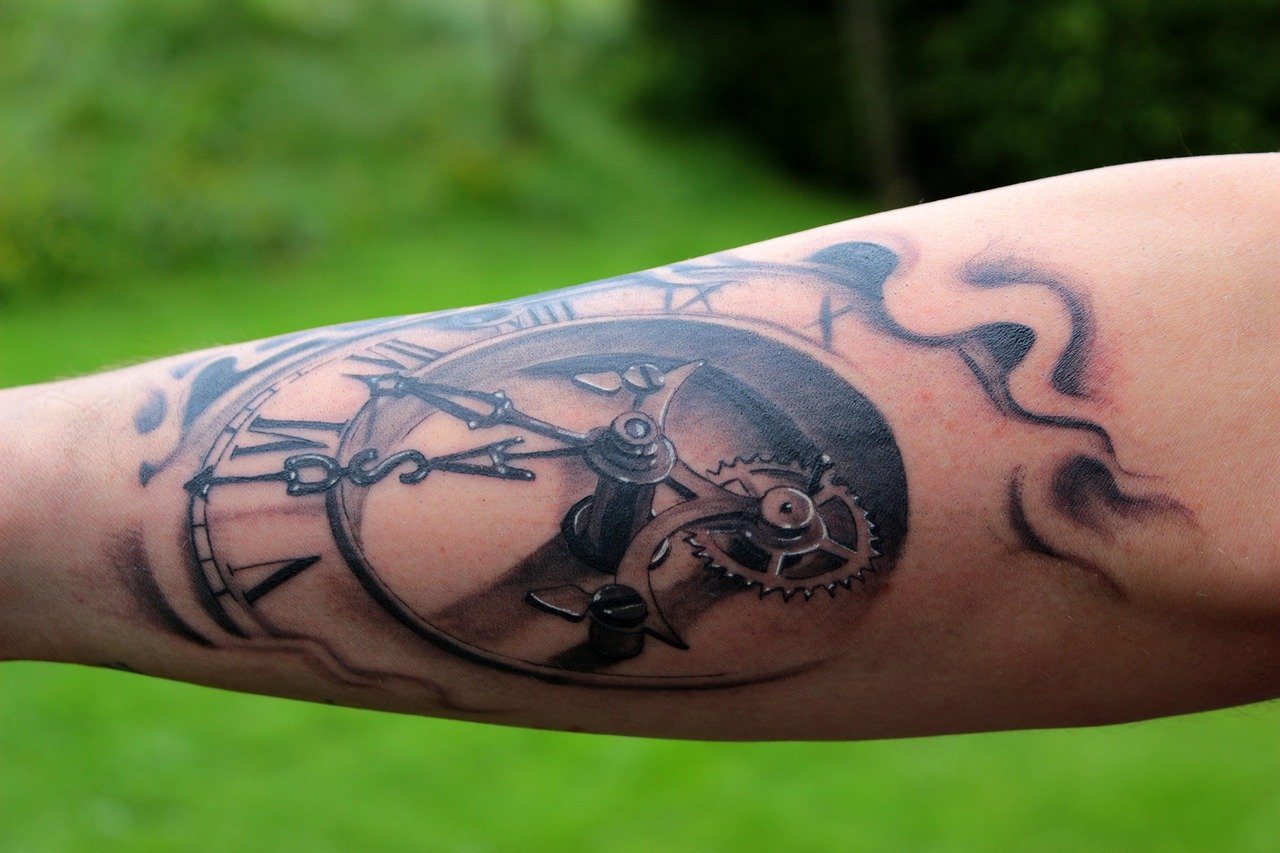
Roughly one in four American adults now has at least one tattoo, and the forearm has quietly become one of the most requested placements in studios. It makes sense. The forearm is visible when you want it to be, easy to cover with a sleeve when you don’t, and flat enough to hold fine detail that curved or bony areas tend to distort. For women especially, it has shifted from a bold statement to something closer to everyday jewelry. But the forearm is also a placement with real practical trade-offs, from sun exposure to workplace norms. This guide walks through what actually matters before, during, and after the needle.
Why the Forearm Became a Favorite Placement
Ask ten tattoo artists which spot they recommend for a first or second piece and the forearm comes up constantly. The reasons are practical rather than aesthetic.
First, the skin is relatively flat and thick. Fine line work, small lettering, and delicate florals hold their shape better here than on the ribs, fingers, or ankle. Second, the pain is moderate. The forearm has muscle and fat padding, unlike the wrist bone or the elbow ditch, which are notoriously sharp. Third, the canvas is generous. A design that would need to shrink to fit a wrist can breathe on the inner or outer forearm.
There’s also a social dimension. Tattoos remain far more common than they were a generation ago, and the visibility of forearm work has normalized in offices, classrooms, and client-facing jobs. That said, visibility cuts both ways, and it’s worth thinking through before committing. (Tattoos and piercings: What to know)
Inner vs. Outer Forearm: What the Difference Actually Means
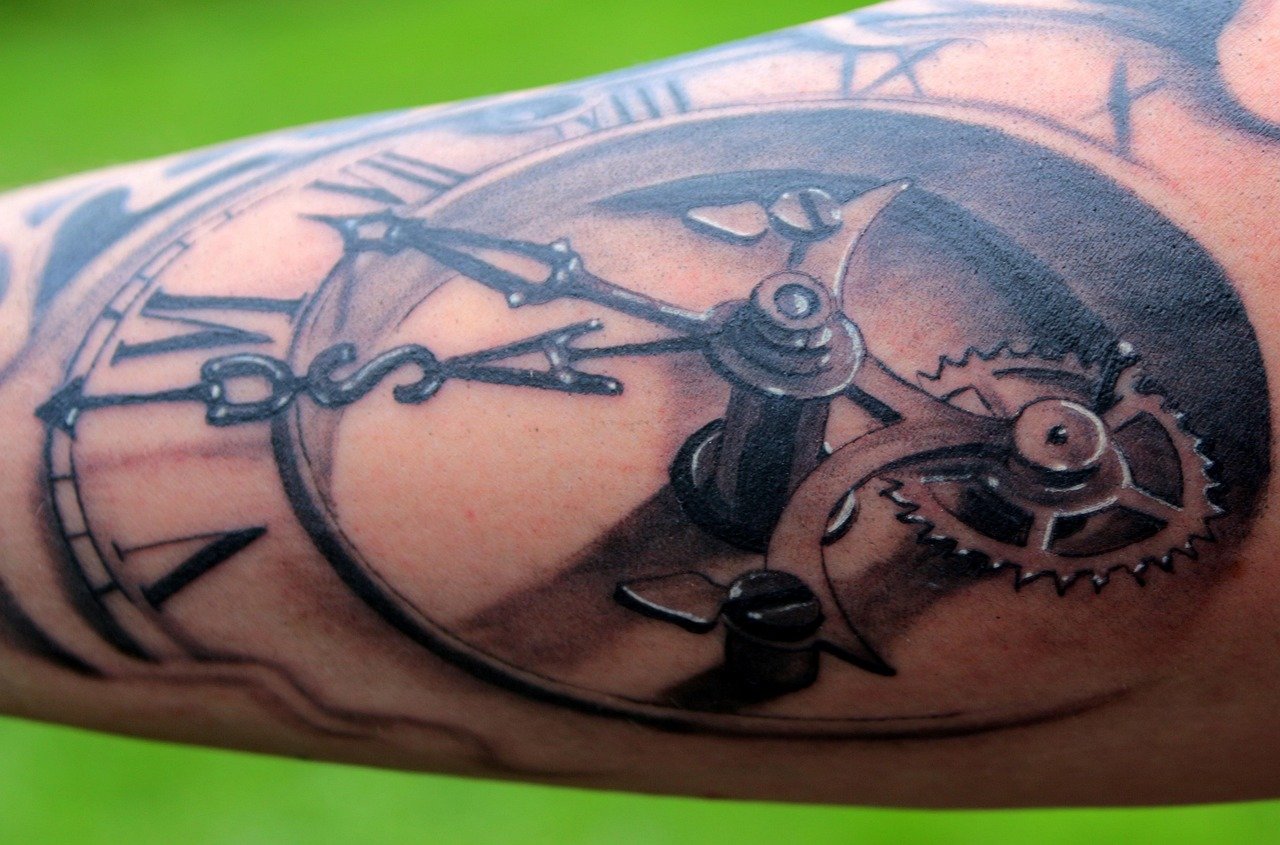
This is the decision most people underestimate. The inner and outer forearm are not interchangeable, and the choice affects healing, visibility, and how a design reads over time.
| Factor | Inner Forearm | Outer Forearm |
|---|---|---|
| Visibility to others | Mostly seen when you gesture or extend your arm | Always visible in short sleeves |
| Pain level | Generally lower, softer skin | Slightly higher, more sun-exposed |
| Friction during healing | Higher (rubs against body and desks) | Lower |
| Sun exposure | Moderate | High |
| Best for | Fine detail, script, delicate florals | Larger pieces, bold linework, sleeves-in-progress |
The inner forearm tends to be the gentler introduction. The skin is thinner and softer, which many people find less painful, but it also means the area can be more sensitive during the first few days of healing. It rubs against your torso when you sleep and against desk edges during the workday, so aftercare discipline matters more.
The outer forearm is the more public choice. It’s the side people see first in a handshake or a photo, and it takes sunlight directly. If you spend time outdoors, that’s a long-term commitment to sunscreen, not a one-time favor to your skin.
Design Styles That Work Well on the Forearm
The forearm flatters almost any style, but some translate better than others. A few patterns show up again and again in portfolios, and for good reason.
Fine line and single-needle work. Delicate botanical designs, thin script, and minimalist geometry look crisp on the forearm because the skin doesn’t fold or stretch much. The catch is aging. Very fine lines can soften over years, especially with sun exposure, so touch-ups are common.
Florals and botanicals. Roses, wildflowers, and vines wrap naturally around the forearm’s taper. Artists often design these to flow with the muscle rather than sit flat against it, which makes the piece look intentional from every angle.
Script and lettering. Short phrases, dates, and names fit comfortably along the inner forearm. Longer text works better running lengthwise than wrapped around the arm, where it can distort.
Geometric and ornamental. Mandalas, linework patterns, and dotwork benefit from the forearm’s flat surface. These designs also tend to hold their structure well over time.
Patchwork and small collections. Many women build a forearm gradually with several small pieces rather than one large design. This is flexible and lower-commitment, but it requires a plan. Without one, patchwork can look cluttered rather than curated.
A practical tip that artists repeat constantly: bring references, not demands. Screenshots help communicate taste, but a good artist will redraw the idea to fit your arm’s shape. Insisting on an exact copy of someone else’s tattoo usually produces a stiffer result.
The Healing Timeline and What to Expect
Surface healing for a forearm tattoo typically takes about two to four weeks, with the deeper layers of skin settling over two to three months. The forearm heals fairly predictably compared with hands or feet, but it has its own pitfalls.
Days one through three bring redness, warmth, and a clear plasma-like weeping that is normal. Days four through fourteen are the itchy phase, when flaking and peeling begin. This is where most problems start, because scratching or picking at peeling skin can pull ink out and leave patchy spots. Weeks three through twelve are when the tattoo looks slightly dull or milky before the surface fully settles.
Aftercare basics that hold up across most artists’ advice:
- Keep the area clean with mild, fragrance-free soap and lukewarm water.
- Pat dry with a clean paper towel rather than rubbing.
- Apply a thin layer of recommended ointment or lotion, not a thick coat.
- Avoid soaking in baths, pools, hot tubs, or the ocean for the first two weeks.
- Keep the fresh tattoo out of direct sun and skip tight sleeves that rub.
- Don’t pick, scratch, or exfoliate the healing skin.
One common mistake is over-moisturizing. A thick layer of ointment traps bacteria and can cause clogged pores or irritation. Thin and frequent beats thick and occasional. Another is assuming the tattoo is healed because it stopped peeling. The surface may look fine while the deeper skin is still settling, which is why sun protection and gentle care should continue well past week four.
Pain, Cost, and Session Planning
Pain is personal, but most people describe the forearm as a five or six out of ten, with sharper moments near the wrist and the elbow crease. Sessions for a small to medium piece usually run one to three hours. Larger forearm pieces or half-sleeves often need multiple sittings spaced several weeks apart to let the skin recover.
Pricing varies widely by city, artist reputation, and complexity. Most studios charge by the hour, and custom work costs more than flash. A reasonable approach is to set a budget, then let the artist scale the design to fit it rather than asking for a large piece at a small-piece price. Good artists will tell you honestly what fits your budget.
Sun Exposure and Long-Term Fading
The forearm is one of the most sun-exposed placements on the body, and ultraviolet light is the single biggest cause of tattoo fading. Colors soften first, especially reds and yellows, while black lines blur gradually. Daily sunscreen on the tattoo, once fully healed, is the most effective protection available. Many dermatologists recommend broad-spectrum SPF 30 or higher on exposed tattooed skin as part of routine sun care. (Tattoo)
Beyond sun, friction and aging skin change how a tattoo reads. Forearm skin loses elasticity gradually over decades, and fine details can soften. Bold, well-spaced designs age more gracefully than dense, tiny ones. If longevity matters to you, ask your artist how the design will look in ten years, rather than next month alone.
Workplace and Social Considerations
Visibility is the trade-off of forearm placement. Many workplaces have relaxed dress codes, but not all. Healthcare, food service, some client-facing roles, and certain conservative industries may still have policies about visible tattoos. It’s worth checking your employer’s handbook and thinking about the next five years of your career beyond the current job.
A useful middle ground is the “sleeve test.” If a design can be fully covered by a standard long-sleeve shirt, you keep flexibility. The inner forearm and the upper portion of the outer forearm are easier to conceal than a piece that runs down to the wrist.
Common Mistakes to Avoid
A few errors come up so often they’re worth naming directly.
Choosing an artist on price alone. Tattoo removal costs many times more than a good tattoo, and correction work is expensive and sometimes impossible.
Skipping the consultation. A short conversation about placement, size, and healing prevents most regrets.
Ignoring the design’s flow. A piece that fights the shape of the arm looks off from certain angles. Good artists design with movement in mind.
Underestimating aftercare. The tattoo is only half the artist’s job. The rest is on you for the first month.
Rushing a visible placement. The forearm is a daily reminder. Give yourself a few weeks with the design taped or drawn on before committing.
Conclusion
Forearm tattoos for women have moved into the mainstream for good reasons: the placement is flattering, the pain is manageable, and the canvas suits everything from whisper-thin script to bold ornamental work. But it’s also a visible, sun-exposed spot that rewards planning. Choose inner or outer based on how public you want the piece to be, pick an artist whose healed work you’ve actually seen, and treat aftercare as seriously as the design. Do that, and the forearm becomes one of the most satisfying placements on the body, one that ages well and fits the life you actually live.
Frequently Asked Questions
How much does a forearm tattoo usually cost?
Cost depends on size, detail, and the artist’s hourly rate, which varies widely by city and reputation. Small pieces often fall in a lower range while custom larger work costs more. Most studios quote by the hour or by the piece after a consultation, so ask for an estimate before booking.
Is the forearm a painful spot for a tattoo?
Most people rate it moderate, around five or six out of ten. The forearm has muscle and padding, which helps. The sharper moments tend to be near the wrist and the inner elbow crease, where skin is thinner and closer to bone.
How long does a forearm tattoo take to heal?
Surface healing usually takes two to four weeks, with itching and peeling in the middle. The deeper skin settles over two to three months. Keep the area clean, moisturized thinly, and out of soaking water and direct sun during that window.
Can I exercise after getting a forearm tattoo?
Light movement is usually fine, but avoid heavy sweating, friction, and gym equipment that presses on the fresh tattoo for the first week or two. Sweat and bacteria raise infection risk. Ask your artist for a specific timeline based on the size of the piece.
Will a forearm tattoo fade quickly?
It fades at the rate your skin is exposed to sun and friction. The forearm sees a lot of sunlight, so daily broad-spectrum sunscreen after healing is the best defense. Fine line work softens sooner than bold linework, and touch-ups are common after several years.
Should I choose the inner or outer forearm?
Choose the inner forearm if you want a more private piece with finer detail and slightly less sun exposure. Choose the outer forearm if you want a bolder, always-visible design and don’t mind consistent sun protection. Think about your workplace and how public you want the tattoo to be.
Will a forearm tattoo stretch during pregnancy or weight changes? The forearm isn’t a common site for significant stretching, since it holds relatively little fat and isn’t a primary area for weight fluctuation. Minor changes in skin tone and firmness can occur, but dramatic distortion is uncommon there compared with the abdomen, hips, or breasts. If you’re planning a pregnancy or major weight change, mention it during your consultation so the artist can place the design where the skin is most stable.
Can I get a forearm tattoo if I have sensitive skin? Many people with sensitive or reactive skin get tattooed successfully, but the patch test matters more for you. Ask about ink ingredients, especially if you’ve reacted to metals or dyes before, and tell your artist about any known allergies or skin conditions such as eczema or psoriasis. Avoid tattooing over active flare-ups, and let a dermatologist weigh in if you’re unsure how your skin will respond.