
Finger Tattoos: Healing, Fading & Design Tips for 2026
 Abdul WadoodLast updated
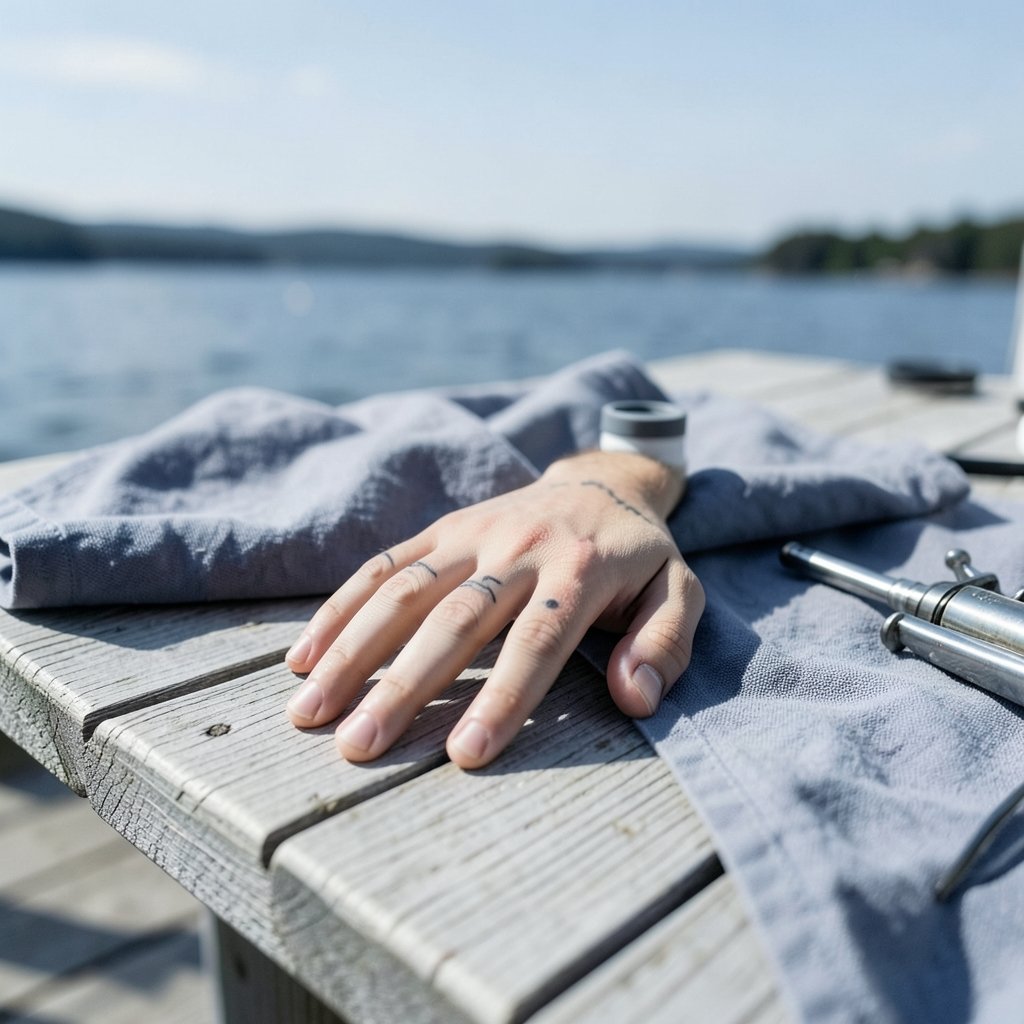
A tattoo on a knuckle or finger can take less than fifteen minutes to complete and then spend the next several months testing the wearer’s patience. That mismatch between a quick appointment and a long, fussy healing process is the single most useful thing to understand before booking one. Finger tattoos sit at the intersection of tiny, delicate design and one of the most punishment-taking parts of the body: skin that bends, sweats, gets washed dozens of times a day, and rubs against everything from car keys to dish soap.
This guide covers what finger tattoos actually are, how they heal, why they fade faster than tattoos elsewhere, how to pick a design that survives, what removal involves, and the practical mistakes that trip up first-timers. It is written for people who want a realistic picture rather than a Pinterest board.
What Counts as a Finger Tattoo?
The category covers more ground than most people assume. It includes:
- Knuckle tattoos, the bold lettering across the four knuckles that spells a word or phrase.
- Side-of-finger tattoos, small symbols or script running along the inner or outer edge of a digit.
- Fingertip and pad tattoos, placed on the fleshy underside, which are notoriously difficult to keep.
- Wraparound bands, thin rings circling the finger, often used as permanent jewelry or a wedding-band alternative.
- Micro tattoos, tiny linework pieces that sit somewhere between a finger tattoo and fine-line body art.
Each placement behaves differently. A band on the middle phalanx holds ink better than a design on the pad of the index finger, simply because the pad is thicker, sweatier, and constantly in contact with surfaces.
Why Finger Tattoos Fade So Fast
Finger skin is structurally different from the skin on a forearm or a calf. It is thicker on the palm side, thinner on the back, and it regenerates quickly because hands are exposed to constant friction and moisture. Tattoo ink sits in the dermis, and when that layer turns over faster or gets repeatedly abraded, pigment particles get carried away or blurred.
Three forces do most of the damage:
- Friction. Gripping, typing, washing, and drying all wear at the surface.
- Moisture and soap. Frequent handwashing is non-negotiable for hygiene, but it is rough on fresh ink.
- Flexion. Fingers bend thousands of times a day, and that mechanical stress encourages ink migration, the slow drift of pigment away from where it was placed.
Ink migration is the reason fine script on a finger often looks soft or doubled within a year. It is widely discussed among artists and collectors, but published prevalence data specific to digits is thin, so treat confident claims about exactly how much blurring to expect with caution. What is well established is the general principle: the smaller and finer the line, the less room there is for error before blurring becomes visible.
Healing: A Realistic Timeline
Healing a finger tattoo is less about following a fixed calendar and more about managing a surface that never gets a day off. A general sequence looks like this:
| Stage | Typical window | What’s happening |
|---|---|---|
| Fresh | First 24–48 hours | Wound is open, plasma and excess ink weep, mild swelling |
| Surface healing | Days 3–14 | Flaking and light scabbing, itching, ink looks dull |
| Settling | Weeks 2–6 | New skin forms, color brightens or shifts, edges sharpen or blur |
| Long-term change | Months 3–12+ | Gradual fading and possible migration, especially on fine lines |
Most artists advise keeping the fresh tattoo clean and lightly moisturized, avoiding soaking (baths, pools, long showers), and keeping hands out of harsh cleaning products during the first two weeks. A thin layer of ointment beats a thick one; smothering the area traps moisture and softens scabs, which pulls ink out when they lift.
Common Healing Mistakes
- Over-washing. People nervous about hand hygiene scrub the fresh tattoo raw. Gentle soap, brief contact, pat dry.
- Picking scabs. Every scab removed early takes pigment with it. This is the most common cause of patchy finger tattoos.
- Skipping sunscreen later. Once healed, sun exposure accelerates fading. Hands are chronically under-protected.
- Assuming one session is enough. Many finger tattoos need a touch-up at four to eight weeks, and some artists price that in from the start.
Choosing a Design That Survives
The design decisions that matter most on fingers are the opposite of what looks good in a photograph. Fine single-needle script and delicate dotwork photograph beautifully and often heal poorly on digits. What holds up is:
- Bold, simple shapes with clear negative space.
- Larger lettering rather than hairline script.
- High contrast between ink and skin.
- Black and grey over complex color blends, which tend to muddy in small areas.
Placement matters as much as design. The back of the finger and the sides hold ink better than the pad. A design that wraps around a knuckle will distort as the joint flexes.
It also helps to see healed work, as well as fresh work. Ask an artist to show finger tattoos photographed six months or a year after the session. Fresh photos tell you almost nothing about longevity.
Pain, Cost, and Session Reality
Finger tattoos are often described as more painful than expected relative to their size. Fingers are dense with nerve endings, and the skin over bone and joint offers little cushion. The pain is usually brief because the area is small, but it is sharp.
Cost varies widely by artist, city, and complexity. Small finger pieces are often priced at a shop minimum, which means the price may not scale down with the size of the design. Knuckle lettering across four fingers typically costs more than a single small symbol because it involves more placement work and often a follow-up.
A practical note: many experienced artists are cautious about tattooing fingers on people with physically demanding jobs, frequent handwashing professions (healthcare, food service), or very young clients, not out of gatekeeping but because they know the ink may not last and would rather set expectations than take the money.
Aftercare in Practice
Aftercare for fingers is mostly about restraint. A workable routine:
- Wash gently with fragrance-free soap once or twice daily, then pat dry with a clean paper towel.
- Apply a very thin layer of recommended ointment or unscented lotion.
- Avoid submerging the hand in water for the first two weeks.
- Keep the area out of direct sun, and use sunscreen once fully healed.
- Return for a touch-up if the artist recommends it, usually after four to six weeks.
What actually works in practice is consistency over intensity. People who do too much (constant cleaning, heavy ointment, covering the hand in plastic wrap) tend to heal worse than people who do very little.
Removal and Cover-Ups
Laser removal on fingers is possible but complicated. The digits are small, the skin is thin over bone, and the area is hard to keep still. Multiple sessions are typically required, and complete clearance is not guaranteed, particularly with older or densely applied ink. Published data specific to finger removal is limited, so anyone promising a clean result in one or two sessions deserves skepticism.
Cover-ups are also tricky. There is very little real estate on a finger, and covering blurred script usually means going bigger and darker, which can crowd the digit. Sometimes the better move is to let a faded tattoo be faded, or to add a deliberate new element rather than trying to hide the old one.
Regulation and Safety Context
Tattoo ink regulation varies significantly by country. In the United States, oversight of tattoo inks has historically been limited compared with cosmetics and food additives, and public health agencies have documented infections linked to contaminated ink. The U.S. Food and Drug Administration publishes consumer information on tattoo inks and pigments worth reading before booking. The Centers for Disease Control and Prevention has reported outbreaks of nontuberculous mycobacterial infections tied to contaminated tattoo ink, which is one reason licensing and sanitation rules matter. (Finger tattoo)
Local rules on studio licensing and hygiene differ by jurisdiction, and checking your state or local health department’s body-art regulations is a reasonable five-minute step. For a broader overview of tattoo practice and history, the Wikipedia entry on tattooing is a serviceable starting point.
Reputable studios will show you their sterilization setup, use single-use needles, and be willing to talk about ink sourcing. If an artist is evasive about hygiene, that is the whole answer.
Finger Tattoos vs. Other Small Placements
| Factor | Finger | Wrist or ankle | Behind the ear |
|---|---|---|---|
| Friction exposure | Very high | Moderate | Low |
| Typical fading speed | Fast | Moderate | Slow |
| Pain level | High for size | Moderate | Moderate |
| Touch-up likelihood | High | Medium | Low |
| Suitability for fine script | Poor | Fair | Good |
The comparison makes the trade-off clear: fingers offer visibility and personality, and they charge for it in longevity.
Who Should Skip Them
Finger tattoos are a poor fit for anyone who wants a crisp result forever, works with their hands in wet or abrasive conditions, or is not prepared to pay for touch-ups. They are a good fit for people who accept that the tattoo will soften, who choose bold simple designs, and who see the fading as part of the piece rather than a defect. (Smithsonian Magazine)
For more on design choices and small-format tattoo work, Voozon Media covers style and placement topics in more depth.
Conclusion
Finger tattoos are small, personal, and genuinely charming, and they ask for more realism than almost any other placement. The ink is quick to apply and slow to settle. Friction, moisture, and constant movement mean fine lines blur and bold shapes endure. The people who end up happiest with theirs are rarely the ones who chased the most delicate design; they are the ones who picked simple, high-contrast work, found an artist with healed photos to show, followed a restrained aftercare routine, and budgeted for a touch-up from day one. Go in with those expectations and a finger tattoo can be a lasting, low-key piece of self-expression rather than a small regret.
Frequently Asked Questions
How long do finger tattoos last?
Most finger tattoos remain visible for years, but they typically soften and fade faster than tattoos on the arm, back, or leg. Fine linework may blur noticeably within the first year, while bold, simple shapes hold their shape longer. Touch-ups are common.
Do finger tattoos hurt more than other tattoos?
Yes, relative to their size. Fingers have a high concentration of nerve endings and thin skin over bone and joint, so the sensation is sharp. The good news is that most finger pieces are finished quickly.
Why do finger tattoos blur or spread?
The skin on fingers turns over quickly and is subjected to constant friction and flexion. Pigment particles can drift from their original position, a process called ink migration, and fine lines have little margin before blurring becomes obvious.
Can you work with a fresh finger tattoo?
It depends on the job. Office work is usually fine with careful aftercare. Jobs involving frequent handwashing, wet conditions, or heavy gripping can damage a healing tattoo and increase fading risk. Many artists advise timing the appointment around days off.
Are finger tattoos easy to remove?
Not especially. The digits are small, the skin is thin, and keeping the hand still during laser sessions is difficult. Multiple sessions are usually needed, and complete clearance is not guaranteed. Removal on fingers is generally harder than on larger, flatter body areas.
How much does a finger tattoo cost?
Pricing varies by studio and city, but small finger tattoos are often charged at a shop minimum, so the price may not drop much with size. Knuckle lettering across four fingers usually costs more than a single small symbol, and a follow-up touch-up may add to the total.