
Facebook Marketplace Cars: 2026 Buyer & Seller Guide
 Abdul WadoodLast updated

Roughly one in three people who shop for a used car now start their search on social media rather than a dedicated car site, and Facebook Marketplace has become the default showroom for that shift. It is free, local, and shockingly fast: a reasonably priced sedan posted on a Friday morning can draw a dozen messages before lunch. That speed is exactly what makes it useful, and exactly what makes it risky. This guide walks through how the platform actually works for vehicles, what to watch for, and how to come out of a transaction with a good car instead of a headache.
Why Facebook Marketplace Became a Car Lot
Marketplace launched in 2016 as a Craigslist-style feature tucked inside the Facebook app, and vehicles quickly became one of its heaviest categories. The appeal is easy to understand. Traditional listing sites charge sellers to post, and those fees get baked into the asking price. Marketplace charges nothing for a private listing, so a seller can price a car to move.
For buyers, the draw is proximity. Filters let you sort by distance, price, year, mileage, and transmission, so a search for a used hatchback within 25 miles returns real cars owned by real neighbors rather than dealer inventory spread across three states. You can message the owner directly, ask questions, and usually arrange a viewing the same day.
There is a social layer that dedicated car sites lack. You can see when a seller joined Facebook, whether they have mutual friends, and how long they have been active. That is not a background check, but it is more context than an anonymous classified ad ever offered. Sellers benefit too: their listing appears in the feeds of people who already live nearby, which is precisely the audience most likely to buy a car without traveling.
How Vehicle Listings Actually Work
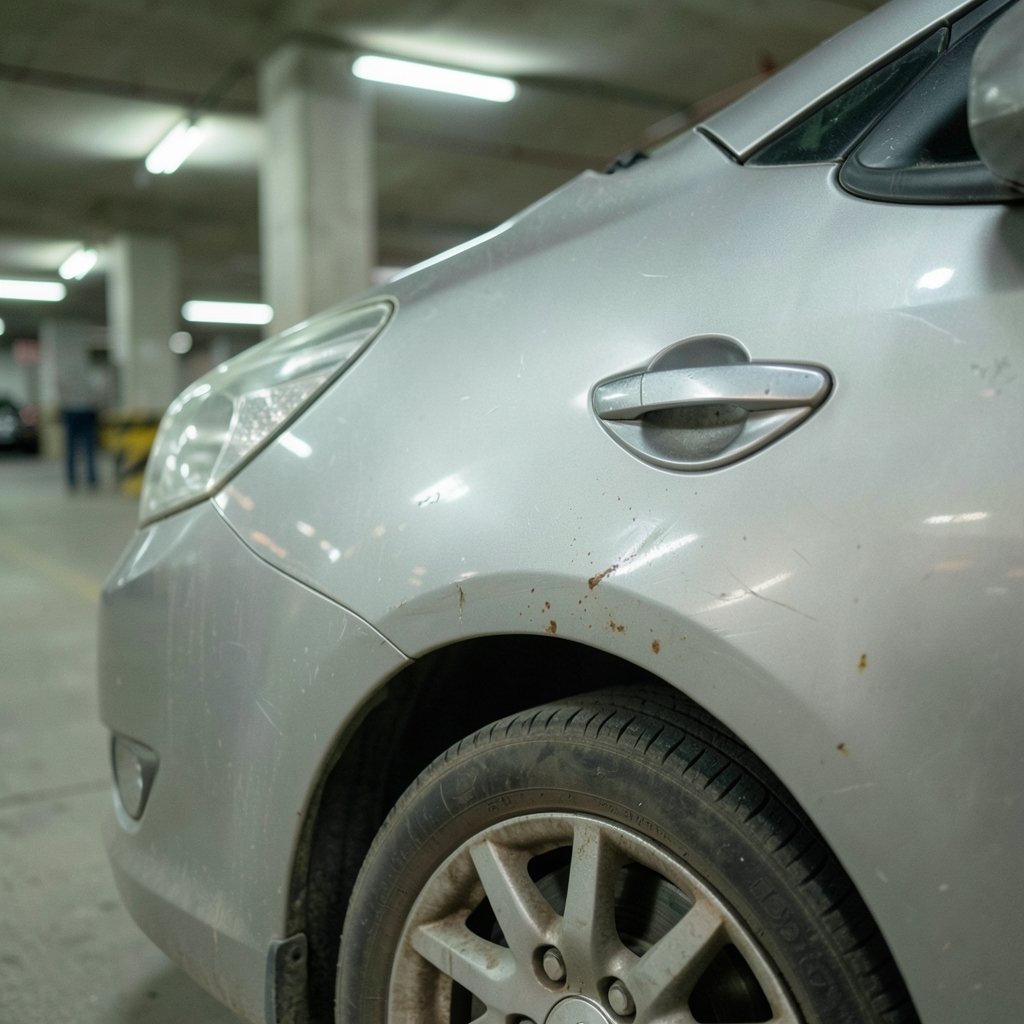
A Marketplace vehicle listing includes photos, a price, mileage, year, make and model, fuel type, transmission, and a description. Facebook also offers structured listing tools for dealers, including inventory feeds through partnerships with automotive listing services, though availability varies by country and dealership.
The buying flow looks like this:
- Search or browse the Vehicles category and set your radius.
- Filter by price, year, mileage, and body style.
- Save listings you like and message sellers with specific questions.
- Arrange an inspection and test drive in a safe public place.
- Agree on payment, transfer the title, and complete registration with your local motor vehicle agency.
One practical detail most guides skip: save your search. Marketplace lets you turn on alerts for a saved search, which means you get notified within minutes of a new listing instead of scrolling through stale inventory. In a market where the good cars sell in hours, that single setting does more for your odds than any amount of daily browsing.
Sellers should treat the description like a mini spec sheet. List the mileage, service history, known flaws, and title status in the first three lines. Honest listings get fewer messages but far better ones. Buyers who show up expecting a project car are easier to deal with than buyers who feel misled.
The Scam Patterns That Keep Showing Up
Every online marketplace has fraud, and vehicle sales attract a particular breed of it because the sums are large. The recurring patterns are consistent enough to memorize:
- Deposit before viewing. A seller asks for a holding deposit via payment app before you see the car. Legitimate private sellers do not need your money to hold a car for a stranger.
- Fake shipping or escrow. The “seller” claims to be overseas or deployed and wants to use a third-party shipping or escrow service. The service is fake, and the tracking number leads nowhere.
- Cloned listings. Scammers copy photos and details from a real listing and repost them at a tempting price, then vanish once a deposit arrives.
- Overpayment tricks. A “buyer” sends more than the agreed price and asks you to refund the difference. The original payment later reverses.
- Title games. The car is sold with a “lost title” or a title that does not match the seller’s name. Walk away; a bonded title process is rarely worth the discount.
Facebook’s commerce and vehicle listing policies restrict certain sales and require sellers to follow local law, but enforcement is reactive. The platform removes listings when they are reported. It does not inspect cars, verify titles, or guarantee payment. That responsibility sits entirely with the two people in the transaction.
The practical defense is simple: never send money before seeing the car and the paperwork in person, and never accept a payment method that can be reversed after you hand over the keys. Cash in hand at a bank, or a verified instant transfer confirmed on your own device, beats every clever arrangement a stranger proposes.
Inspection: Where Good Deals Are Won
A test drive is not an inspection. It is a vibe check. The difference matters, because the most expensive problems in a used car are invisible from the driver’s seat.
Bring a flashlight and check the following before you drive anywhere:
| Check | What You Are Looking For |
|---|---|
| Tire date codes | Four matching tires under six years old |
| Panel gaps and paint | Mismatched shades or uneven gaps suggest collision repair |
| Fluid colors | Clean oil, pink transmission fluid, no milky residue under the cap |
| Dashboard lights | All warning lamps illuminate at startup, then go out |
| VIN on dash and door jamb | Both match the title and the listing |
| Undercarriage | Fresh undercoating can hide rust |
Then drive it properly. Cold-start the engine, let it idle, and listen. Take it on a highway on-ramp and accelerate hard enough to feel the transmission shift. Brake firmly from speed in a safe spot. Turn the wheel to full lock in a parking lot and listen for clicking. These four minutes surface more problems than an hour of city cruising.
If the seller resists an independent pre-purchase inspection, that is the inspection result. A reputable seller will welcome a mechanic’s opinion, and many will meet you at the shop. Budget $100 to $200 for the check; it is the cheapest insurance in the entire process. For a broader look at how enthusiasts evaluate cars before buying, the reviews and comparisons on Voozon Cars are a useful starting point.
Pricing, Negotiation, and Timing
Marketplace pricing is emotional, not analytical. Sellers anchor on what they paid and what similar cars are listed for, not what those cars actually sold for. That gap is your negotiating room.
Do your homework before you message. Check what the same make, model, year, and mileage sells for in your region, then subtract for anything the listing admits to. A car with 120,000 miles, a check engine light, and bald tires is not priced like a clean example, and it should not be.
A few negotiation habits that work in practice:
- Ask open questions first. “How long have you owned it?” and “What would you fix if you kept it?” reveal more than any price discussion.
- Make one clear offer, in person, with cash ready. Vague haggling over chat wastes everyone’s time.
- Be willing to walk. The single biggest mistake buyers make is falling in love with a specific car before seeing it. There is always another listing.
- Time your search. Listings surge at the start of the month and around tax refund season, and prices soften in late autumn when convertible and sports car sellers get nervous.
Sellers have leverage too. Clean photos taken in daylight, a full service record, and a firm price with a little room built in consistently outperform desperate-sounding listings. The psychology of a well-presented car is real: buyers pay more for a vehicle that looks cared for, because they assume it was.
Safety, Paperwork, and Closing the Deal
Meet in a public place with cameras, ideally a police station parking lot or a busy retail lot during daylight. Bring a friend. Tell someone where you are going and share the listing with them.
When money changes hands, do it at a bank if the amount is large. Count cash in a secure setting, not in a parking lot. Get a signed bill of sale with the date, price, VIN, mileage, and both parties’ names. Verify the title is in the seller’s name, has no lien stamps, and matches the VIN on the car. Then handle registration and taxes with your local motor vehicle agency promptly, because many jurisdictions charge penalties for late transfer.
One overlooked risk: title jumping, where a seller flips a car without ever transferring it into their own name. You end up with a title signed by a stranger, and your DMV may refuse it. If the name on the title does not match the seller’s ID, stop.
For sellers, the reverse applies. Never hand over keys before payment clears, and never let a buyer take the car “for a quick inspection” alone. Keep the plates if your state allows it, cancel insurance only after the transfer is recorded, and report the sale to your DMV. The cars built around experience, as this Voozon feature on driver-focused vehicles puts it, tend to hold value better, which makes clean paperwork worth the effort. (USA.gov)
When Marketplace Beats the Alternatives
Marketplace is not always the right channel. It shines for private-party cars priced under roughly $15,000, where the savings from skipping dealer overhead are meaningful and the buyer pool is local. It is weaker for certified pre-owned vehicles, financing, and anything requiring a warranty, because those come from dealers with inventory systems and service departments.
| Channel | Best For | Main Trade-off |
|---|---|---|
| Facebook Marketplace | Private sellers, budget cars, local deals | No inspection, no warranty, scam risk |
| Dealer lot | Financing, warranties, trade-ins | Higher price, sales pressure |
| Auction sites | Rare or enthusiast cars | No test drive, buyer fees |
| Word of mouth | Known history, trusted sellers | Tiny selection |
A hybrid approach works well: use Marketplace to find candidates, use Voozon’s car reviews and buying guides to shortlist models with strong reliability records, and pay a mechanic to vet the final pick. The research is free; the mistakes are not.
Conclusion
Facebook Marketplace has genuinely changed the used-car market by removing the middleman and putting local inventory in front of buyers for nothing. That is a real win, provided you treat it as a classifieds board with a social layer rather than a trusted retailer. The pattern that separates happy buyers from unhappy ones is boringly consistent: they ask specific questions, they inspect properly, they never send money early, and they walk away without regret when something feels off. Do those four things and the platform works exactly as advertised. Skip them, and you become the cautionary tale in someone else’s group chat.
Frequently Asked Questions
Is it safe to buy a car on Facebook Marketplace?
It can be, as long as you treat the platform as an introduction service rather than a guarantor. Meet in public, inspect the car in person, verify the title matches the seller’s ID, and never send a deposit before viewing. Most reported problems stem from buyers paying upfront for a car they never saw.
How do I avoid scams when selling a car on Marketplace?
Insist on in-person meetings, accept only payment methods you can verify, and never release the car or title until funds have cleared. Ignore anyone who offers to overpay and asks for a refund, and be wary of buyers who claim to be out of town and want to use a shipping agent.
Do I have to pay to list a car on Facebook Marketplace?
Private vehicle listings are generally free, which is a large part of the platform’s appeal. Dealerships may use paid listing tools or inventory feeds. Fees and features vary by country, so check the current terms in your region before posting.
How do I price a car I want to sell?
Research three to five comparable listings in your area with similar mileage and condition, then check what those models actually sell for locally. Price slightly above your true target to leave negotiating room, and disclose flaws upfront so serious buyers self-select.
Can I finance a car bought through Marketplace?
Rarely through the platform itself. Private sellers usually expect cash or a verified transfer. If you need financing, arrange a pre-approved loan through your bank or credit union before you shop, then treat it like a cash purchase.
What should I check before test driving a used car?
Verify the VIN on the dashboard and door jamb match the title, look for mismatched paint or uneven panel gaps, check tire date codes, and confirm all dashboard warning lights illuminate at startup and then go out. Cold-start the engine and listen before you drive.