
Curly Hair: Why It Curls & What Actually Works
 Abdul WadoodLast updated
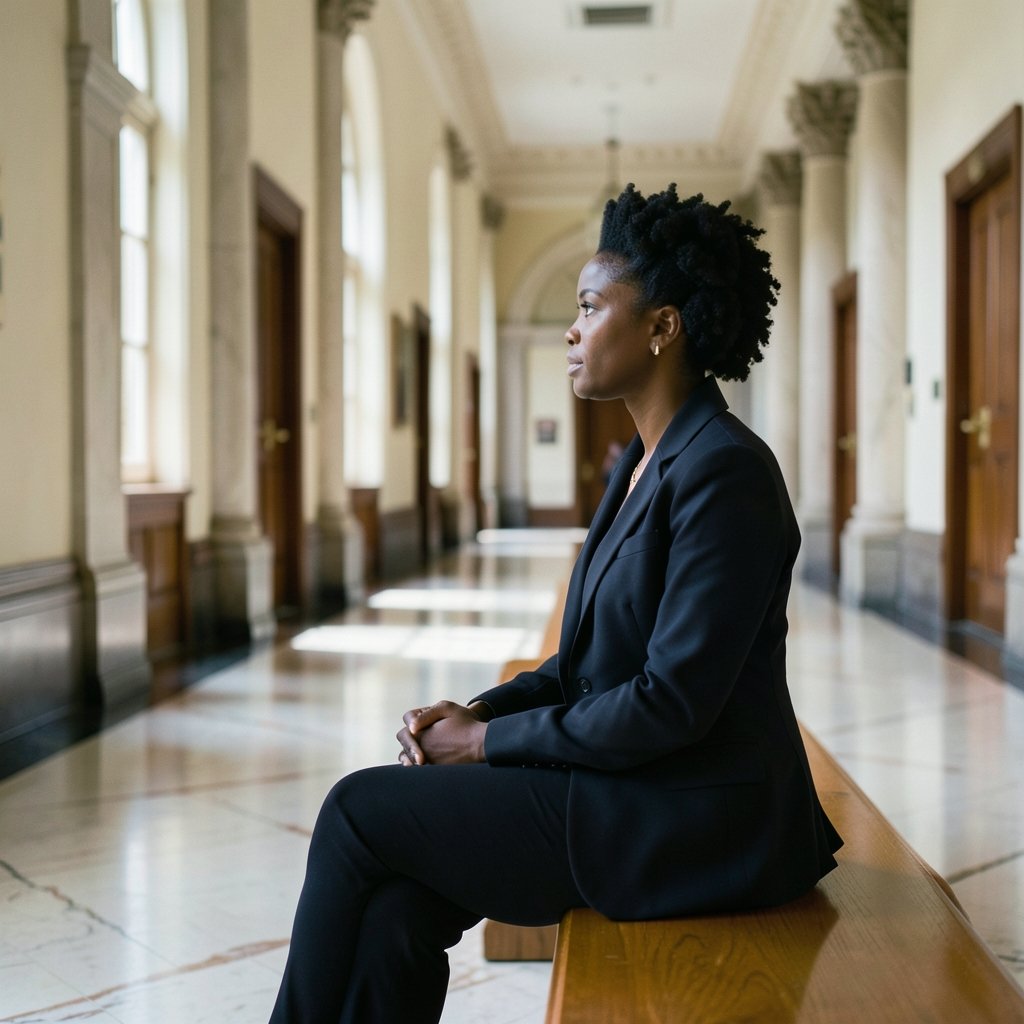
Why does one person’s hair spiral into tight ringlets while a sibling’s falls straight as a curtain? The answer sits beneath the scalp, in the shape of a tiny pocket of cells called a follicle. Curly hair is not a styling choice or a quirk of climate. It is a structural trait, written into biology and shaped by genetics, hormones, and care. Understanding that structure changes how people wash, cut, and live with their curls. It also explains why some routines that work beautifully on straight hair leave curls dry, frizzy, and brittle. This guide walks through the science, the practical care mistakes, and the cultural weight that curly hair carries.
What Makes Hair Curl in the First Place
The single most important fact about curly hair is that the curl begins at the root. A hair follicle is a small tunnel of cells in the scalp. Straight hair grows from a follicle that is roughly round and straight. Curly hair grows from a follicle that is curved, sometimes shaped like a comma or a hook. As the hair pushes out of that curved opening, it keeps the bend.
The shaft itself is not perfectly round either. Curly hair tends to have an asymmetric, elliptical cross-section, and the way the protein keratin hardens on one side of the strand differs from the other. This uneven hardening, sometimes called asymmetric keratinization, locks the curve in place. In simple terms: the follicle sets the direction, and the chemistry of the strand holds the shape.
This matters for care because a curved shaft behaves differently from a straight one. Scalp oils, called sebum, travel down a straight hair strand fairly easily. On a curved strand, the oil has to move through bends and loops, so it moves more slowly and often never reaches the ends. That is the root cause of the dryness and breakage that many curly-haired people know well. It is not a personal failing or a sign of bad hair. It is physics.
The Curl Typing System and What It Really Means
Walk into any curl-focused salon and you will hear numbers: 2B, 3C, 4A. This is the curl pattern typing system, which sorts hair into Types 1 through 4, with subcategories a, b, and c. Type 1 is straight, Type 2 is wavy, Type 3 is curly, and Type 4 is coily or kinky. The system is widely used by consumers, stylists, and product marketers.
Here is the honest caveat. The typing system is a popular classification, not a standardized scientific one. Its origins are usually credited to hairstylist Andre Walker, who popularized it in the 1990s, but it has never been validated as a clinical tool. Two people can both call themselves “3B” and have completely different porosity, density, and strand thickness. The system describes appearance, not behavior.
A more useful way to think about curly hair is to combine several traits:
| Trait | What It Describes | Why It Matters |
|---|---|---|
| Pattern | The shape of the curl (wavy to coily) | Guides styling technique |
| Porosity | How easily hair absorbs and holds moisture | Determines which products work |
| Density | How many strands grow per square inch | Affects volume and product amount |
| Strand thickness | The width of an individual hair | Influences strength and drying time |
Porosity is the trait most people ignore and most people should check first. Low-porosity hair repels water and can feel product-heavy. High-porosity hair drinks moisture quickly but loses it just as fast. A product that transforms one person’s curls can flatten another’s, and porosity is often the reason.
Genetics, Hormones, and Why Curls Can Change
Curly hair runs in families, which tells you genetics plays a leading role. Research into the human genome has linked variations in several genes, including TCHH, EDAR, and PRSS53, to differences in hair shape across populations. The details are still being studied, but the broad picture is clear: curl is inherited, and it is polygenic, meaning many genes contribute small effects rather than one gene deciding everything.
Curl can also change during a person’s life, and this surprises people. Common triggers include:
- Puberty, when shifting hormones can turn straight childhood hair wavy or curly.
- Pregnancy, where hormonal changes sometimes alter texture temporarily or permanently.
- Aging, as follicles and oil production change over decades.
- Chemotherapy regrowth, where hair often returns with a different pattern, at least at first.
- Hormonal conditions, which can affect hair shape and thickness.
The mechanisms behind these shifts are incompletely understood, so anyone promising a precise explanation is overselling. What is well documented is that texture is not fixed forever. Treating hair as a permanent category rather than a current state saves a lot of frustration.
Practical Care: What Actually Works and What Backfires
Curly hair care has a steep learning curve, and most beginners make the same handful of mistakes. The good news is that the fixes are simple and cheap.
Mistake 1: Brushing Dry Curls
Running a brush through dry curls breaks up the pattern and creates frizz instantly. Curly hair should generally be detangled wet and loaded with conditioner, using fingers or a wide-tooth comb. Dry brushing is the fastest way to destroy a good wash day.
Mistake 2: Washing Too Often With Harsh Shampoo
Because sebum struggles to travel down a curved shaft, curly hair is naturally drier. Frequent washing with strong sulfate shampoos strips what little oil is there. Many curly-haired people do better with less frequent washing and gentler, moisture-focused cleansers. Some co-wash (conditioner-only washing) between full washes, though this does not suit every scalp.
Mistake 3: Skipping the Squish
The single most effective technique for most curls is applying product to soaking-wet hair and scrunching upward toward the scalp. This encourages the curl to clump and coil rather than splay. Applying product to damp or dry hair usually produces a stringy, uneven result.
Mistake 4: Towel Rubbing
Vigorous towel drying roughens the hair’s outer layer, called the cuticle, and creates frizz. Swap the rough towel for a soft cotton T-shirt or a microfiber towel, and press or squeeze rather than rub.
Mistake 5: Fighting the Pattern
The most common long-term mistake is treating curly hair like straight hair: cutting it with blunt horizontal lines, brushing it out for photos, and expecting it to behave. Curly hair shrinks when dry, sometimes dramatically. A cut that looks perfect on wet hair can spring up several inches shorter once dry. Experienced curl cutters shape hair dry or in its natural state for this reason. (Hair loss)
A Workable Basic Routine
- Pre-detangle with conditioner and fingers before washing.
- Cleanse the scalp gently, focusing on the roots rather than the ends.
- Condition generously and leave some in, especially on the ends.
- Apply styling product to soaking-wet hair and scrunch upward.
- Dry gently, either air-drying or using a diffuser on low heat.
- Refresh between wash days with water and a light product rather than a full re-wash.
A note on protective styling: braids, twists, and buns that tuck the ends away reduce friction and breakage. For coily and tightly curled hair especially, these styles serve a practical purpose beyond appearance. They protect fragile ends during sleep and daily movement.
The Cultural and Legal Weight of Curly Hair
Curly hair is not only a biology story. It is a social one. Hair texture has been used to judge people, and tightly coiled hair in particular has faced discrimination in schools, workplaces, and public life. In the United States, a broader CROWN Act movement emerged to ban discrimination based on hair texture and protective styles, and several states have passed such laws. The details of which states and which dates vary, so anyone relying on this for a real workplace situation should check current local law rather than assume.
The cultural conversation matters for a practical reason. Many curly-haired people internalized the idea that their natural texture was “unprofessional” or “messy” and spent years chemically straightening it. That history shapes how people approach their hair today, and it explains why the natural hair movement carries so much emotional weight. Understanding the science of curl is one thing. Undoing the message that curls were a problem is another, and it is just as important.
Conclusion
Curly hair is a structural trait that starts in a curved follicle and is held in place by the chemistry of the strand. That curve makes the hair beautiful and also makes it fragile, because oil cannot easily travel from scalp to ends. The curl typing system is a useful shorthand but not a science, and traits like porosity often matter more than the number on the label. Genetics and hormones mean texture can shift across a lifetime. Good care comes down to a few principles: detangle wet, cleanse gently, apply product to soaking-wet hair, dry without friction, and stop fighting the pattern. Do those things consistently and most curls will reward you. Ignore them and no expensive product will save the day. The hair was never the problem. The routine was.
Frequently Asked Questions
Is curly hair genetic?
Yes, largely. Curl is inherited and polygenic, meaning many genes contribute rather than one. Research has linked variations in genes such as TCHH, EDAR, and PRSS53 to hair shape differences. Environment and hormones also play a role, so genetics sets a tendency rather than a fixed outcome.
Can curly hair become straight over time?

It can change, though not usually to fully straight. Hormonal shifts during puberty, pregnancy, aging, and chemotherapy regrowth can alter texture. The mechanisms are not fully understood, so predicting the direction of change is difficult. Texture should be treated as a current state, not a permanent label.
Why is curly hair drier than straight hair?
Because of the curve. Sebum, the scalp’s natural oil, travels down a straight strand easily but struggles to move through bends and loops. As a result, oils often never reach the ends of curly hair. That is why moisture-focused conditioning and gentle cleansing matter so much for curls.
Is the curl typing system scientifically valid?
No. The Type 1 to 4 system is a popular classification used by stylists and product brands, usually credited to Andre Walker in the 1990s. It has never been validated as a clinical tool. It is useful shorthand for appearance but says little about porosity, density, or how hair actually behaves.
How often should curly hair be washed?
There is no universal rule, but many curly-haired people do better washing less often than straight-haired people, because frequent harsh shampooing strips already-limited oils. Scalp health still matters, so cleanse the scalp regularly and adjust frequency based on how your hair and scalp feel.
What is the biggest mistake people make with curly hair?
Brushing it dry. Running a brush through dry curls shatters the pattern and creates instant frizz. Detangle wet with conditioner instead. The second biggest mistake is applying styling product to damp or dry hair rather than soaking-wet hair, which prevents curls from clumping properly.
One final practical point: product buildup is a common and underdiagnosed problem. Silicones, heavy butters, and layered gels can coat the cuticle over time, leaving hair limp, dull, or oddly resistant to moisture. A periodic clarifying wash—using a stronger cleanser every few weeks—resets the hair and lets your regular products work again. If your curls suddenly stop responding despite good technique, buildup is worth ruling out before buying anything new.