
Coupe Cars: What the Body Style Really Means in 2026
 Abdul WadoodLast updated

Around 2004, Mercedes-Benz launched a car with four doors and called it a coupe. Purists howled. The CLS went on to sell well enough that BMW, Audi, and Volkswagen soon offered their own “four-door coupes,” and a word that once described a very specific shape became one of the loosest labels in the auto industry.
That confusion matters if you are shopping. A listing that says “coupe” can point you toward a two-door sports car, a low-roof sedan, or an SUV with a slanted tailgate. Knowing what the term has meant, what it means now, and how to judge a coupe on its merits will save you from buying the wrong car for your life.
Where the Word Comes From
“Coupé” is French for “cut.” In carriage-building, a coupé was a shortened four-wheel carriage with a closed cabin for two passengers facing forward. When coachbuilders started putting engines in carriages, the name came along with the body shape: a closed car with a shortened roof and, usually, seating for two. (Coupé)
The definition has always been a bit slippery. Even in the early decades of the automobile, automakers applied “coupe” to closed cars with varying door counts and rooflines. The word described a proportion more than a strict specification, and that flexibility is exactly why it drifted. (Coupé definition)
The Definition Problem Nobody Solved
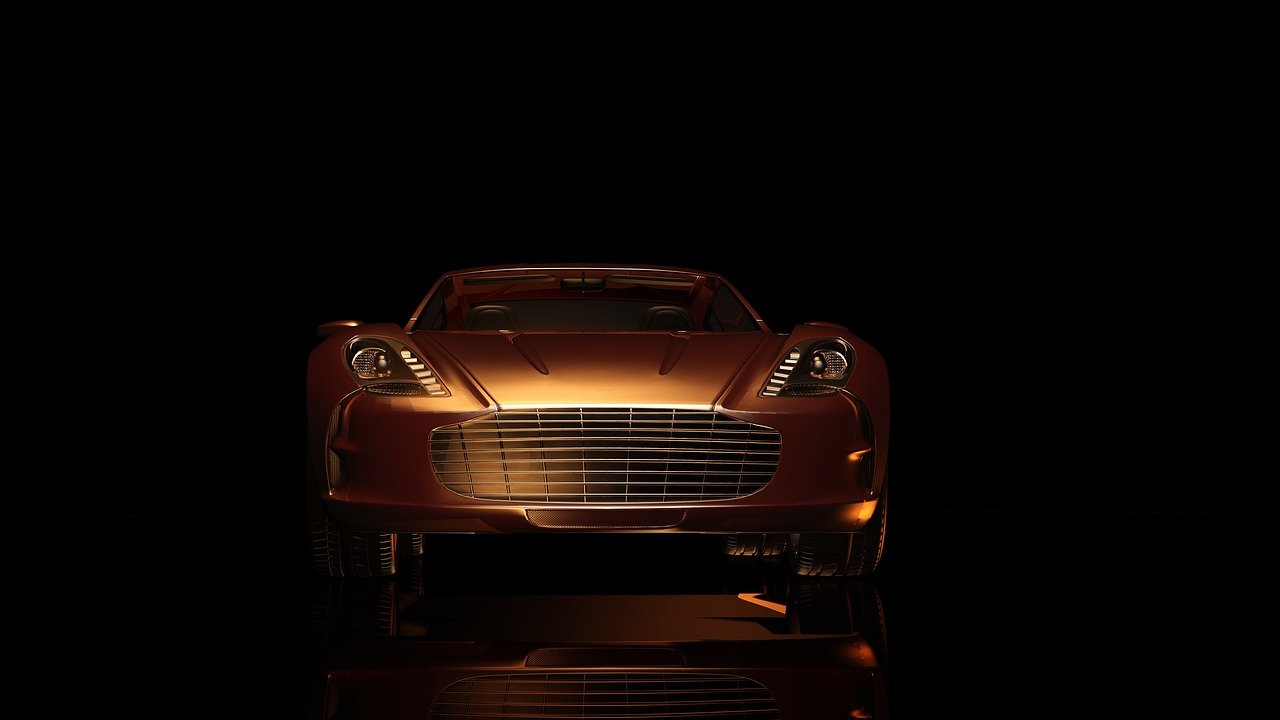
Engineers tried to pin it down. Industry standards bodies have historically defined a coupe partly by rear-seat volume and legroom rather than door count alone. That is the loophole that lets a four-door car wear the badge: if the rear compartment is tight enough, the argument goes, the car is a coupe in spirit.
In practice, three competing definitions are in circulation:
| Definition | What it requires | Example |
|---|---|---|
| Traditional | Two doors, fixed roof, sloping rear | Classic two-door sports cars |
| Industry/technical | Fixed roof plus limited rear space | Some four-door “coupes” |
| Marketing | Low, sleek roofline and sporty stance | Four-door fastbacks and crossover “coupes” |
The result is that the label tells you something about style and almost nothing about packaging. A buyer who needs rear-seat access should check door count directly rather than trusting the word on the listing.
Why the Roofline Matters More Than the Doors
The defining visual feature of a coupe is the roof. A coupe’s roofline typically peaks early and sweeps down toward the tail, which gives the car its wedge-like profile. That shape affects more than appearance. It changes real things:
- Headroom. Rear passengers lose ceiling height, sometimes dramatically.
- Cargo access. A sloping tailgate or small trunk opening limits what you can load.
- Visibility. Thick rear pillars and a shallow rear window create blind spots.
- Aerodynamics. A lower, tapered roof usually cuts drag, which helps highway fuel economy and high-speed stability.
That last point is why coupe shapes keep reappearing on electric vehicles. A low nose and tapered roof reduce the energy needed to push through air, and range figures benefit. Several EV makers have leaned on coupe-inspired silhouettes for exactly this reason, even when the cars are technically sedans or crossovers.
The Four-Door Coupe and the Blurring of Categories
The modern four-door coupe deserves its own paragraph because it reshaped how the word is used. By combining a sedan’s wheelbase and door count with a coupe’s falling roofline, manufacturers created a category that appealed to buyers who wanted presence without giving up practicality.
It worked commercially, and it spread. Today you can find “coupe” applied to:
- Traditional two-door cars with a fixed roof.
- Four-door fastbacks with frameless windows and a low beltline.
- High-riding crossovers with a tapered rear and a sloping tailgate.
- Performance variants of ordinary sedans, badged as coupes for marketing reasons.
If that sounds like the word has lost its meaning, there is a fair case for it. But the underlying idea survives: a coupe is a car that looks like it is moving when it is parked. Buyers respond to that, and manufacturers know it.
What Coupes Are Actually Good At
Strip away the naming debate and coupes have genuine strengths that make them worth considering.
Driving feel. A lower roofline usually means a lower center of gravity, and a shorter, stiffer body often translates to sharper turn-in and less body roll. Two-door cars also tend to be lighter than their sedan siblings, which shows up in braking, steering response, and fuel consumption.
Design freedom. With fewer doors to package, designers can stretch the cabin proportions, push the wheels outward, and create a stance that sedans cannot match. This is why so many halo cars and brand-defining models are coupes.
Depreciation patterns. Low-volume, distinctive shapes often hold value better than mainstream sedans, particularly for performance variants and limited editions. That is not a guarantee, and condition and provenance still dominate, but scarcity of body style helps.
Efficiency on the highway. A tapered roof and low frontal area reduce drag, which is one reason coupes often beat equivalent sedans on steady-state fuel economy.
For a deeper look at how body style and experience shape modern car design, the cars built around experience is worth reading alongside this piece.
Where Coupes Fall Short
Honesty about the trade-offs matters more than enthusiasm. Coupes are not for everyone, and the compromises are predictable.
Rear-seat access is the big one. Long doors are heavy and awkward in tight parking garages, and climbing into the back of a two-door car is a chore for adults. Child seats make it worse. If you regularly carry more than one passenger, a coupe will test your patience.
Then there is the practical stuff. Trunk openings are smaller. Rear visibility is often poor. Insurance can run higher because repair costs on complex bodywork and low-volume parts are elevated. And in snow-belt regions, a low front bumper becomes a plow.
There is also the market reality: SUVs and crossovers have displaced traditional coupes across many lineups, and several brands discontinued two-door models over the past decade. Regulatory pressure around side-impact protection and rollover standards, combined with buyer preference for utility, pushed manufacturers toward taller, more versatile shapes. Coupes did not disappear, but they became more specialized.
How to Shop for a Coupe Without Regret
Practical experience from the used and new market suggests a few habits that separate happy coupe owners from frustrated ones.
Sit in the back before you commit. Stay for more than a minute. Adjust the front seat to your driving position, then climb in behind it. Bring whoever will actually ride there.
Measure your parking. Long doors need swing room. If your garage or daily spot is tight, test the door opening in a real parking situation, not on a dealer lot.
Check the insurance quote before the test drive. Body style affects premiums more than most buyers expect, and a low-volume import can surprise you.
Drive it over broken pavement. Stiff bodies and low-profile tires transmit road noise. What feels sporty for ten minutes can feel tiring on a two-hour commute.
Verify the door count and seating in writing. Given how loosely the term is used, confirm the actual configuration in the listing or the vehicle’s documentation rather than assuming from the badge.
Look at the roofline from behind. Stand behind the car and check the rear window and pillars. If visibility is bad in daylight, it will be worse at night in rain.
A broader set of buying checklists and model comparisons lives in Voozon Cars — Reviews, Comparisons & Car Guides, which is a useful cross-reference before you shortlist anything.
Coupes in the Electric Era
Electrification has been kind to the coupe shape. Battery packs sit low in the floor, which lowers the center of gravity further, and the flat floor frees designers from transmission tunnels and engine packaging constraints. That combination produces cars that look like coupes and handle like them, even when the body has four doors.
The naming, predictably, has not gotten any cleaner. Some electric models with coupe proportions are marketed as sedans, some crossovers are marketed as coupes, and some genuine two-doors carry no body-style label at all. Buyers should treat the word as a design cue and check the specification sheet for what actually matters: door count, seating capacity, cargo volume, and roof height.
There is a reasonable argument that the coupe’s future is as a proportion rather than a category. The tapered roof, the low nose, the wide stance — those elements are spreading across body styles because they deliver real aerodynamic and aesthetic benefits. If that is where the market lands, the word may survive as an adjective rather than a noun. More comparisons across body styles are collected in Voozon Cars — Reviews, Comparisons & Car Guides – Voozon — Discover, Review & Explore for readers weighing options.
Coupe vs. Sedan vs. Hatchback: A Quick Comparison
| Factor | Coupe | Sedan | Hatchback |
|---|---|---|---|
| Doors (typical) | 2 | 4 | 4 or 5 |
| Rear headroom | Limited | Good | Good |
| Cargo access | Small opening | Trunk lid | Large hatch |
| Center of gravity | Lower | Higher | Moderate |
| Typical buyer | Style-focused, solo driver | Family or passenger-heavy | Practical, flexible |
| Resale character | Often distinctive | Mainstream | Variable |
The table is a starting point, not a rule. Plenty of coupes have generous trunks, and plenty of sedans have coupe-like rooflines. The point is to compare the specific cars you are considering rather than the labels attached to them.
Common Mistakes Buyers Make
A few errors show up again and again when people move into a coupe for the first time.
Buying on looks alone and discovering the rear seats are unusable is the classic. So is assuming a “four-door coupe” will have sedan-like headroom — it usually does not, because the roofline is the whole point. Another frequent mistake is skipping the insurance quote, then getting a shock at renewal.
Less obvious: buyers often underestimate how much they will miss a hatchback’s loading flexibility. A coupe’s trunk may be a perfectly good size, but the opening is what limits you, and a bicycle or a flat-pack bookcase will make that clear fast. Test with something awkward before you sign.
Finally, some buyers assume coupe automatically means fast. It does not. Plenty of coupes have been sold with modest engines and comfort-tuned suspension. Check the powertrain and chassis specification, not the silhouette.
Conclusion
The coupe has survived more than a century of definitional drift, and it is still with us because the shape works. A low roof, a tapered tail, and a stance that reads as motion deliver real benefits in aerodynamics, handling, and sheer visual appeal. What the word no longer delivers is a reliable description of door count or interior space.
That makes the practical advice simple. Treat “coupe” as a design signal, then verify the things that affect your daily life: how many doors it actually has, whether anyone can sit in the back, how far the doors swing, what the insurance costs, and how it rides on the roads you actually drive. Do that, and the body-style label stops being a trap and starts being a useful shortcut to the kind of car you want.
Frequently Asked Questions
What defines a coupe car?
A coupe is a car with a fixed roof and a sloping, tapered rear roofline. Traditionally it had two doors and seating for two or four. Industry definitions have also used rear-seat volume rather than door count, which is why some four-door cars are marketed as coupes.
Is a four-door car a real coupe?
By traditional definition, no. By the looser industry and marketing definitions, yes. Four-door coupes combine a sedan’s wheelbase and door count with a coupe-style falling roofline. If door count matters to you, check the specification rather than the badge.
Are coupes less practical than sedans?
Generally yes, in specific ways. Rear headroom is usually lower, rear-seat access is harder with two doors, and trunk openings tend to be smaller. Coupes often compensate with sharper handling, better aerodynamics, and more distinctive styling.
Do coupes cost more to insure?
They often do. Low-volume bodywork, complex panels, and higher repair costs can push premiums up. Two-door cars are also sometimes statistically associated with different driving patterns. Always get a quote before buying rather than assuming.
Why are fewer coupes sold today?
SUVs and crossovers have taken market share because buyers prioritize space and versatility. Regulatory pressure around side-impact and rollover protection, plus the packaging advantages of taller vehicles, pushed many manufacturers to drop two-door models from their lineups.
Are electric coupes more efficient?
A coupe-shaped body usually reduces aerodynamic drag, which helps efficiency and range at highway speeds. Electric platforms also place the battery low in the floor, lowering the center of gravity. The shape helps, but the powertrain and tires matter just as much.