
Old Cars: Age Rules, Value & Ownership Realities 2026
 Abdul WadoodLast updated
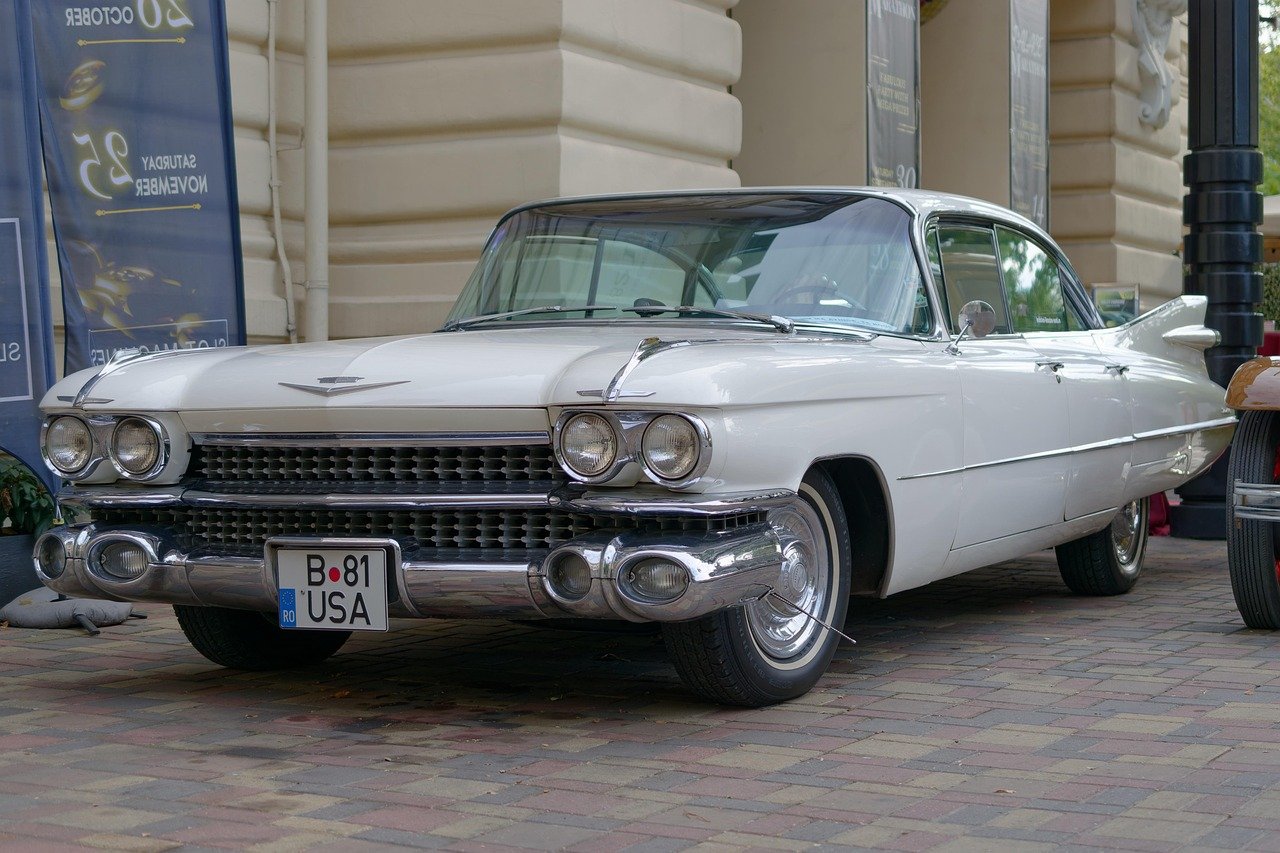
Here’s a fact that surprises almost everyone: there is no single legal definition of an “old car” anywhere in the English-speaking world. A vehicle that qualifies as historic in the United Kingdom might be nothing special in California, and a car that earns cheap antique plates in Pennsylvania could be taxed as an ordinary used vehicle fifty miles away in another state. The label depends entirely on who is asking and why. (Classic car)
That matters more than it sounds. Age thresholds decide your tax bill, your inspection requirements, your insurance premiums, and even whether you can legally import a car at all. This guide breaks down the real rules, the real costs, and the practical habits that separate owners who enjoy old cars from owners who regret them.
Why “Old Car” Has No Universal Meaning
Most people assume there’s a tidy line: once a car hits a certain birthday, it becomes a classic. In practice, the terminology splits into several overlapping categories, and each one carries different legal weight.
| Term | Typical meaning | Where it matters most |
|---|---|---|
| Used car | Any car with prior owners | Pricing, financing |
| Old car | Informal, no legal status | Everyday conversation |
| Antique / historic | Age-based legal class, often 25–40+ years | Registration, tax, inspection |
| Classic | Often a quality or design judgment rather than only age | Insurance, club eligibility |
| Collector vehicle | Defined by use and scarcity rather than age alone | Agreed-value insurance |
| Vintage | Loose term, sometimes pre-war or pre-1930 | Auction marketing |
The key insight: “classic” is usually a judgment, while “historic” is usually a statute. If you’re buying or registering an old car, the statutory term is the one that saves or costs you money.
The Age Thresholds That Actually Decide Things
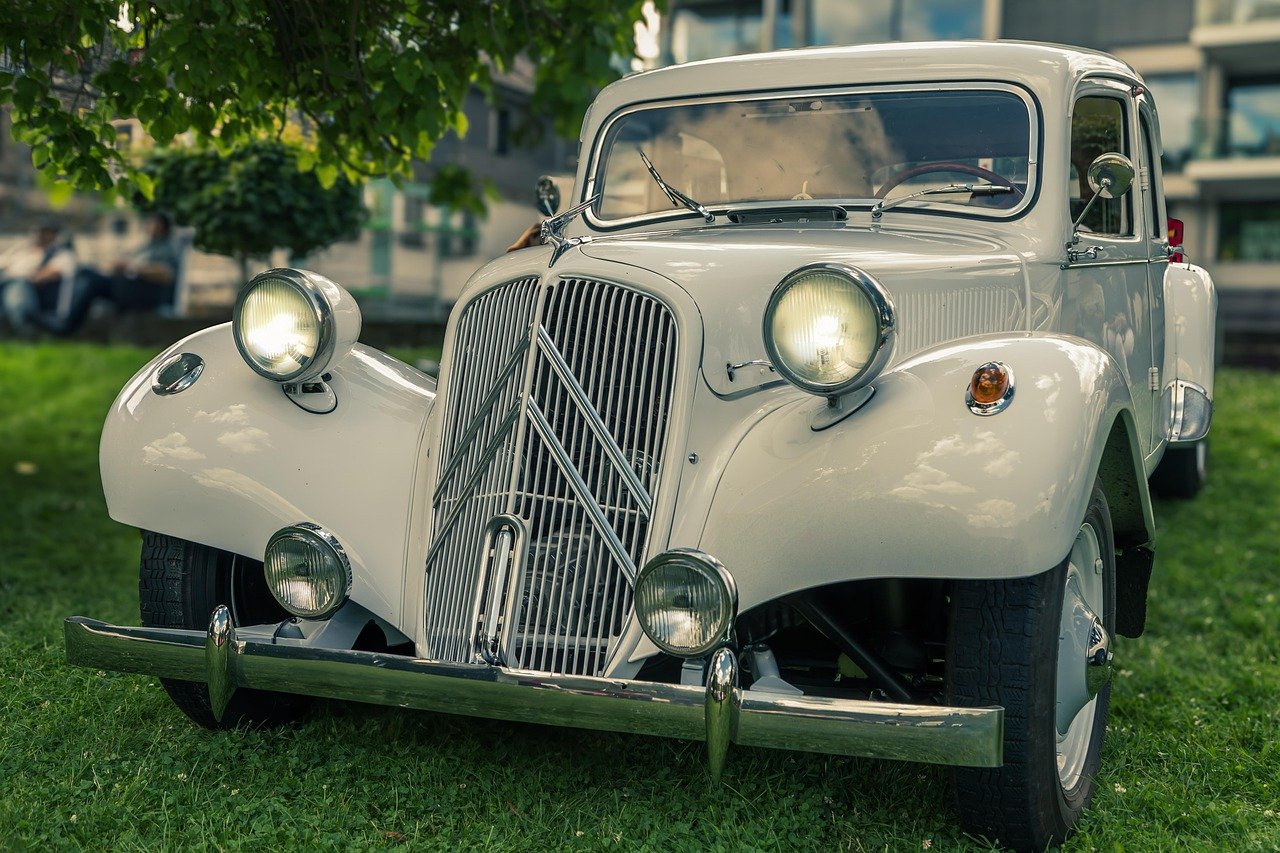
Different jurisdictions use wildly different numbers, and each number serves a different purpose. Here’s how the major thresholds compare.
The 25-year rule
Many US states use roughly 25 years as the cutoff for antique or classic vehicle plates. Pennsylvania, for example, issues antique plates for vehicles built more than 25 years ago. These plates usually come with restrictions: you can drive to shows, parades, and maintenance shops, but not commute to work in the car. Getting caught using antique plates for daily driving can trigger fines or plate revocation.
The 30-year standard
The Fédération Internationale des Véhicules Anciens, the international body for historic vehicles, uses a 30-year threshold in its definition of a historic vehicle: at least three decades old, preserved and maintained in historically correct condition. This is the closest thing the hobby has to a global benchmark, and it shapes classic car import rules in many countries.
The rolling 40-year rule
The UK takes a different approach. Vehicles built more than 40 years ago can be registered in the historic vehicle tax class and become exempt from vehicle tax, under a rolling cutoff. The UK also exempts many vehicles over 40 years old from annual MOT testing, provided they haven’t been substantially changed. That “substantially changed” clause is the trap: a restored car with a modern engine swap may lose the exemption. (Vehicles and Engines)
Why the numbers disagree
Each threshold answers a different question. Tax authorities want to reward preservation. Safety regulators want to avoid testing cars with no seatbelts. Emissions agencies want to keep gross polluters off the road. Insurers want to price risk. None of them need the same number, so none of them use it.
What Old Cars Actually Cost to Own
Purchase price is the smallest number in most old-car budgets. The real money lives in the years after.
Storage is the silent killer. A garage space in a major city can cost more per month than the insurance on the car itself. Owners who park outdoors should budget for a quality cover and accept that sun, rain, and rodents will accelerate wear.
Parts availability splits into three tiers. Mass-produced cars from high-volume years often have excellent reproduction support. Rare or imported models can mean hunting through specialist dismantlers for months. And trim pieces, badges, and interior plastics are frequently harder to find than mechanical parts, because nobody reproduces them.
Insurance works differently for old cars. Standard policies often value the car at actual cash value, which for an old vehicle can be painfully low. Agreed-value or stated-value policies set a fixed payout, usually with mileage limits and a requirement for secure storage. The catch: many agreed-value policies require proof of garaging and may restrict daily use.
Maintenance is a trade-off. Old cars are often simpler to repair, with more accessible components and no proprietary diagnostic software. But they need attention more often, and specialists charge specialist rates.
A practical tip that saves real money: before buying any old car, price three consumables — tires, brake components, and a clutch. If any of those is unobtainable or absurdly priced, walk away. The cheapest old car is the one with a healthy parts ecosystem.
Buying an Old Car Without Getting Burned
The single most common mistake buyers make is falling for a shiny paint job. Cosmetic work is cheap to apply and expensive to do properly, which makes it the most common form of disguise on a tired car.
A second common error: buying the rarest car you can afford. Rarity feels special until you need a water pump.
Here’s a sequence that works in practice:
- Decide the use case first. Weekend shows, occasional road trips, and daily commuting demand completely different cars.
- Research the parts network before the model. Join owner forums and check whether specialists stock common wear items.
- Inspect in daylight, on a lift if possible. Bring a magnet for body filler and a flashlight for frame rails and floor pans.
- Check the paperwork against the metal. Engine numbers, chassis plates, and registration documents should agree.
- Budget 20–30 percent above purchase price for immediate sorting: fluids, belts, brakes, tires, and the inevitable surprises.
- Get insurance quoted before you buy, not after. Some models are surprisingly hard or expensive to cover.
For buyers comparing models and reading owner experiences, resources like Voozon Cars — Reviews, Comparisons & Car Guides can help narrow the field before you start traveling to view cars. The deeper question of why certain models inspire loyalty is worth exploring too, and the cars built around experience gets at why some old machines stay desirable while others fade.
Driving and Maintaining an Old Car Day to Day
Old cars reward routine and punish neglect. The maintenance schedule matters more than the mileage.
Fluids degrade with time, not distance. A car that covers 800 miles a year still needs fresh oil, brake fluid, and coolant on a calendar schedule. Brake fluid absorbs moisture and quietly corrodes lines from the inside.
Exercise the car. Short startup-and-idle sessions do more harm than good, building condensation in the exhaust and oil. A proper 20–30 minute drive that reaches operating temperature is far healthier than six months of garage idling.
Watch the rubber. Hoses, belts, bushings, and tires age out even when they look fine. Tires older than about six to eight years should be replaced regardless of tread depth, because the compound hardens and grip disappears.
Respect the brakes and tires you actually have. Many old cars stop and corner far worse than modern traffic expects. Leaving a bigger gap isn’t paranoia; it’s arithmetic.
Keep a log. A simple notebook of dates, mileage, and work done pays for itself at resale and helps you spot patterns before they become failures.
For owners deciding between a preserved original and a restored car, Voozon Cars — Reviews, Comparisons & Car Guides – Voozon — Discover, Review & Explore covers the trade-offs in more depth.
The Market: What Drives Old Car Values
Old car prices behave less like used-car prices and more like collectible markets. Several forces push values around.
Condition and originality carry enormous weight. An unrestored car with original paint and interior can outsell a shinier restored example, because originality can’t be recreated. Provenance — documented history, original paperwork, known owners — adds real money. Model-year quirks matter too: the same nameplate can be worth double in one year and half in another because of an engine change or a styling update.
Running costs and regulation also shape demand. When fuel prices spike, thirsty cars soften. When a city tightens emissions zones, older vehicles lose access and value in that market. Buyers should check local low-emission zone rules before committing, because access restrictions can change a car’s usability overnight.
The most underrated factor is community. Cars with active clubs, good parts support, and strong forum knowledge retain value because ownership stays enjoyable. Cars without that infrastructure become orphaned, and orphaned cars are expensive.
Common Myths That Cost Owners Money
A few beliefs circulate constantly and deserve correction.
“Low mileage always means more value.” Not for old cars. A car that sat unused for fifteen years may need every seal, hose, and bushing replaced. Consistent use with good maintenance often beats a garage queen.
“Any old car is a classic.” Age alone doesn’t create desirability. Plenty of 40-year-old cars are simply old cars with no collector market.
“Restoration increases value.” Sometimes. A high-quality restoration of a desirable model can pay. A restoration of an ordinary model usually costs more than it adds, and a poorly documented restoration can reduce value versus an honest original.
Conclusion
Old cars sit at an unusual intersection of regulation, economics, and affection. The legal definitions vary by jurisdiction and purpose, the age thresholds range from 25 to 40 years depending on what’s being decided, and the ownership costs live mostly in storage, parts, and insurance rather than the purchase price. None of that makes old-car ownership irrational. It just means the successful owners are the ones who research the parts network before the paint job, budget for the sorting phase, and treat maintenance as a calendar obligation rather than a mileage one. Get those fundamentals right, and an old car becomes what it’s supposed to be: a machine you understand completely and enjoy on purpose.
Frequently Asked Questions
How old does a car have to be to count as a classic?
There is no universal answer. Many US states use roughly 25 years for antique plates, the international historic vehicle standard uses 30 years, and the UK’s tax and MOT exemptions roll in at 40 years. The right number depends on whether you’re asking about registration, tax, inspection, or insurance.
Can I drive an antique-plated car every day?
Usually not legally. Antique and historic plates in most jurisdictions restrict use to events, parades, club activities, and maintenance trips. Daily commuting on antique plates can lead to fines or plate cancellation. If you want to drive the car regularly, register it normally.
Is a low-mileage old car always worth more?
No. Cars that sat unused for long periods often suffer dried seals, corroded brake lines, stale fluids, and flat-spotted tires. A well-maintained, regularly driven example with higher mileage can be the better and more valuable buy.
What should I check first when buying an old car?
Check the parts supply before anything else. Price tires, brakes, and common wear items for the specific model. Then inspect the body and frame in daylight, verify that engine and chassis numbers match the paperwork, and get an insurance quote before committing.
Does restoring an old car increase its value?
Only sometimes. Restoration pays on desirable models with strong demand and documented work. On ordinary models, a full restoration frequently costs more than it adds, and an honest, well-preserved original can be worth more than a mediocre rebuild.
Are old cars exempt from emissions testing?
It depends on where you live. Many jurisdictions exempt vehicles past a certain age from emissions inspection, and federal rules generally stop applying to light-duty vehicles after a set number of model years. State inspection programs vary widely, so check your local requirements before buying.