
Convertible vs Coupe Rental for Vacation: Luggage, Security
 Abdul WadoodLast updated
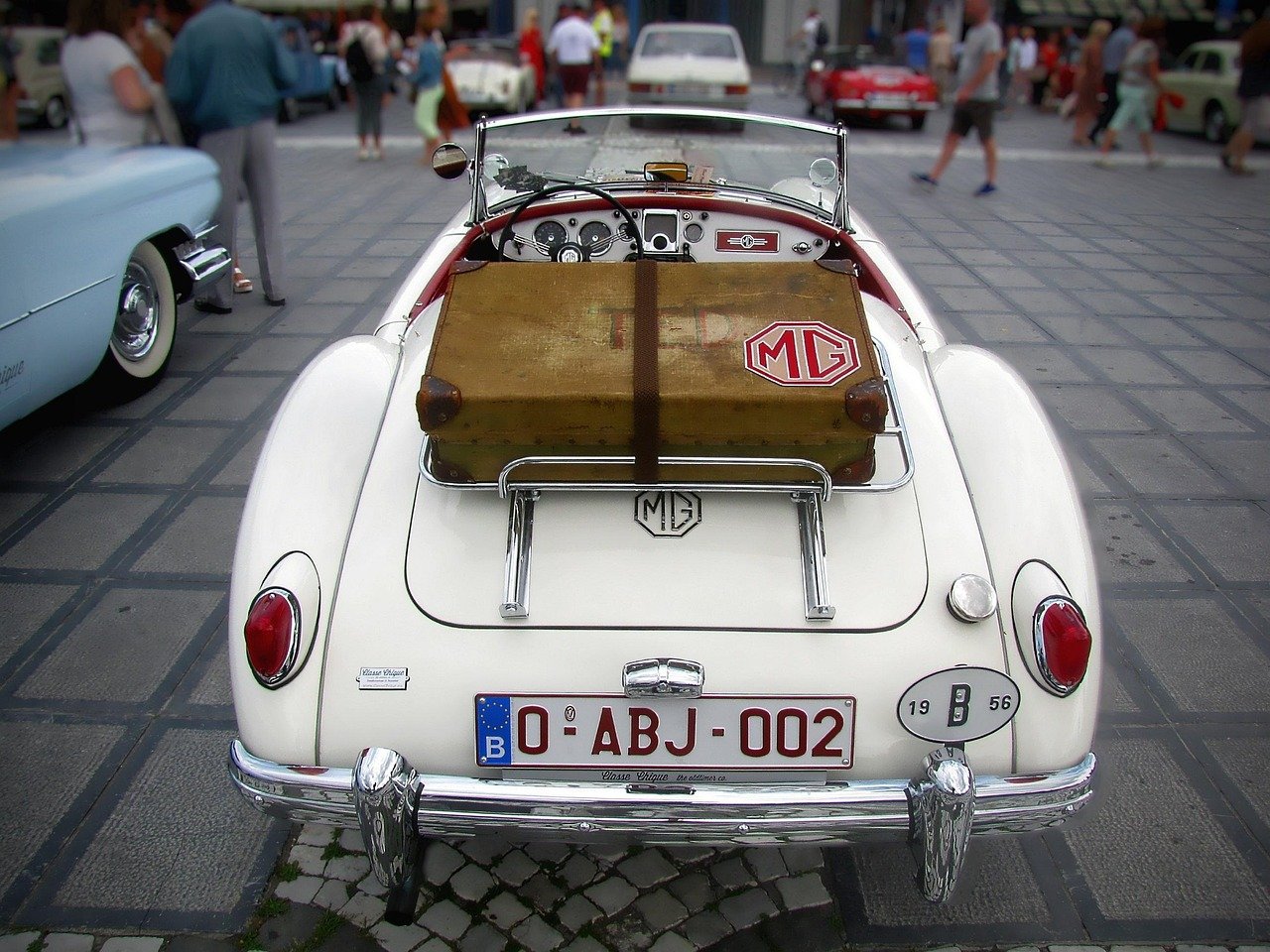
Picture this: you land at your destination, walk past the shuttle buses, and there are two cars waiting. One has a roof that folds away into the trunk. The other has a sleek fixed lid and a trunk you could actually live out of. Which one do you drive off in? That question trips up more travelers than you’d think, because the difference between a convertible and a coupe goes far beyond whether the top goes down. It touches luggage, security, insurance fine print, fuel bills, and how much sun your passengers can handle on a long coastal drive.
This guide breaks the choice down the way a smart renter actually thinks about it: what each body style really is, where each one wins, and the mistakes that cost people money or comfort on the road.
What Actually Separates a Convertible From a Coupe?
Start with definitions, because rental counters play fast and loose with them. A coupe is a car body style with a fixed roof, usually two doors, and a silhouette that slopes toward the rear. A convertible has a roof that folds, retracts, or lifts off entirely. Those are engineering descriptions, not rental categories. Rental companies sort cars by size and features, and a convertible typically lands in a specialty or premium tier rather than a plain economy or midsize slot. That matters because the label on your booking may not match the body style in the lot.
A practical rule: when a listing says “coupe,” it usually means a two-door with a fixed roof. When it says “convertible,” it usually means a soft top or a retractable hardtop. Everything else, including whether the car is sporty, spacious, or economical, depends on the specific model.
The Case for the Coupe: Space, Security, and Sanity

Coupes get dismissed as impractical, but on a vacation they often quietly outperform their flashier cousin.
Luggage room you can trust
A fixed roof means a fixed trunk. Convertibles lose cargo space the moment the roof folds, and some models have tiny trunks even with the top up. A car trunk) on a coupe is secure, weatherproof, and sized for actual suitcases. If two people are traveling with checked bags, a coupe is the lower-stress pick almost every time.
Security and theft exposure
A soft-top convertible is generally easier to break into than a fixed-roof car. Rental agreements often limit or exclude coverage for damage to or theft from soft tops, and those terms vary by insurer and country. A coupe closes that gap. If the car will sit on a street or in an unguarded lot overnight, the fixed roof is the safer bet.
Comfort in heat and rain
Air conditioning works better in a sealed cabin. Rain arrives without warning in many destinations, and a coupe means no scramble to raise a roof at 60 mph. On a long highway day, the coupe is simply quieter.
The Case for the Convertible: The Trip You Remember
Let’s be fair. Nobody books a convertible for the trunk.
The experience factor
Open-top driving is the whole point. Coastal roads, mountain passes, warm evenings in a city you’ve never visited, the smell of the sea instead of the smell of the rental lot. A convertible turns a drive into part of the vacation rather than time between stops. For a honeymoon, an anniversary trip, or a once-in-a-decade splurge, that’s worth real money to a lot of travelers.
Availability is the catch
Convertibles are a small slice of most rental fleets, and they cluster in warm-weather and tourist destinations. Book early, and book a specific model rather than a vague “convertible or similar” if the top-down drive is the reason for the trip. This is the same lesson that applies to rental cars in Las Vegas, where demand spikes and the counter line can eat an hour of your first day. Reserve ahead, confirm the category, and read the fees before you sign.
Sun protection is not optional
Open-top driving means serious sun exposure. Public-health guidance on ultraviolet radiation) recommends sunscreen, hats, and sunglasses for prolonged time outdoors, and a convertible is prolonged time outdoors at highway speed. A wide-brim hat, SPF, and a scarf for long hair (or a plan to protect hair from sun, salt, and chlorine) turn a fun drive into a comfortable one.
Convertible vs Coupe: A Side-by-Side Comparison
| Factor | Convertible | Coupe |
|---|---|---|
| Roof | Folds or retracts | Fixed |
| Trunk space | Shrinks with top down | Stable and secure |
| Security | Softer target for theft | Harder to break into |
| Cabin noise | Higher with top down | Quieter |
| Sun exposure | High | Low |
| Rental category | Usually specialty or premium | Often standard size class |
| Availability | Limited, seasonal | Broad |
| Weight and fuel | Often heavier due to roof mechanism | Usually lighter |
| Best for | Scenic routes, celebrations | Luggage-heavy trips, city stays |
The Money Questions Nobody Asks at the Counter
Cost is where the two body styles diverge in ways travelers don’t expect.
Rental rate. Convertibles usually carry a premium because they’re scarce and in demand. Coupes often fall into standard size classes and price accordingly. Neither is universally cheaper, so compare the specific models on the specific dates.
Fuel. Convertibles often weigh more than equivalent coupes because of the roof mechanism and structural reinforcement, and extra weight can drag fuel economy down. Check government fuel-economy data for the exact models before you assume the smaller car sips less.
Insurance and damage waivers. This is the trap. Collision damage waivers are optional products with exclusions, and some exclude convertible roofs or specific damage types. Read the contract language on the collision damage waiver before you decline or accept it, and photograph the roof, the windshield frame, and the trunk before you drive away.
Hidden fees. One-way charges, young-driver surcharges, toll packages, and fuel plans hit both body styles. The smart move is the same either way: know the total before you arrive. It’s the same discipline that keeps rental car bookings in Cary, NC from turning into a surprise at the desk.
Driving Rules That Matter More Than the Roof
Here’s a truth that surprises people: the body style is not the biggest safety variable on a rental trip. Local road rules are. Which side of the road you drive on, whether a seat belt is mandatory for every occupant, and how child restraints must be fitted all depend on the jurisdiction. Seat-belt laws apply in a convertible exactly as they do in a coupe, and no folding roof exempts anyone. If you’re driving in a country that uses the opposite side of the road from home, spend twenty minutes reading up on left- and right-hand traffic rules before you leave the airport. That knowledge protects you more than any body-style choice.
Practical Tips That Actually Work
- Book the body style, not the category name. Ask for the specific model or a guaranteed convertible, and confirm in writing.
- Measure your luggage before you book. Two large suitcases plus a stroller will not fit in many convertibles with the top down.
- Check the roof operation at pickup. Raise and lower it once in the lot. A stuck roof on day one ruins the trip.
- Inspect and photograph. Roof seams, rear window, trunk lid, and windshield frame. Send the photos to yourself by email so they’re timestamped.
- Pack for wind and sun. Hats with chin straps, sunglasses, sunscreen, and a light layer for evening drives.
- Plan for rain. Know how to raise the roof before you need to, ideally in daylight, not on a highway shoulder.
- Think about where the car sleeps. Street parking overnight favors the coupe. A secured hotel garage makes the convertible far less risky.
- Match the car to the itinerary. A city break with lots of luggage? Coupe. A coastal or mountain route with two light packers? Convertible.
Common Mistakes Travelers Make
The most frequent error is booking a convertible for a luggage-heavy trip and discovering on arrival that the trunk holds one carry-on. The second is assuming “or similar” guarantees a soft top when the lot may hand over a hardtop coupe instead. The third is skipping the insurance fine print, then discovering after a hailstorm that the roof wasn’t covered. The fourth is underestimating sun and wind on a long drive, which turns a dreamy afternoon into a headache. All four are avoidable with ten minutes of planning before you book.
When Each One Wins
Choose the convertible when the drive is the destination: coastal highways, mountain roads, warm evenings, a celebration trip, and two travelers with soft bags. Choose the coupe when the car is transport: city hopping, heavy luggage, long highway days, street parking, and anyone who values a quiet cabin and a locked trunk.
There’s also a middle path many travelers miss. If you want the luxury feel without the open-top compromises, a luxury staycation or a well-chosen premium coupe can deliver the splurge without the sunburn. And if the trip is a bigger escape, planning a private island vacation on a realistic budget shows the same principle at work: spend where the experience lives, save where it doesn’t.
The Verdict
Neither body style is objectively better. The convertible buys an experience and charges you in luggage space, security, sun exposure, and often price. The coupe buys practicality and charges you in personality. The right answer depends on one question: is the drive part of the vacation, or just the way you get to it? Answer that honestly, book the specific model, read the insurance terms, and photograph the car before you drive off. Do those four things and the choice stops being a gamble. (Driver Assistance Technologies)
Frequently Asked Questions
Is a convertible rental worth the extra cost?
It depends on the route. If the trip includes scenic coastal or mountain drives and the weather cooperates, many travelers find the premium worthwhile. If the car is mostly for city errands and airport runs, a coupe delivers the same transport for less money and more trunk space.
Can I fit two suitcases in a convertible?
Often, but not always with the top down. Convertibles typically lose trunk space when the roof is stowed, and some models have small trunks even with the roof up. Check the specific model’s cargo figures, and pack soft bags if you’re set on open-top driving.
Is a convertible less safe than a coupe?
Both must meet the same crash-safety standards, and seat-belt and child-restraint laws apply equally. The practical differences are security and exposure: a soft top is generally easier to break into, and open-top driving means more sun and wind. Choose based on where you’ll park and how long you’ll drive.
Does rental insurance cover a convertible roof?
Not always. Collision damage waivers are optional products with exclusions, and some exclude convertible roofs or certain damage types. Read the contract before you accept or decline coverage, and ask the agent directly whether the roof is covered.
Why are convertibles harder to find at rental counters?
They make up a small share of most fleets, and demand concentrates in warm-weather and tourist destinations. Booking early and reserving a specific model rather than a generic category improves your odds considerably.
Should I book a coupe or convertible for a family trip?
For most families, a coupe is the more practical pick, and a larger vehicle may be better still. Luggage, child seats, and weather protection all favor a fixed roof. Save the convertible for a couples’ trip or a short celebratory escape where the drive itself is the attraction.