
What Is a Continuation Car? Factory-Built Classics Explained
 Abdul WadoodLast updated
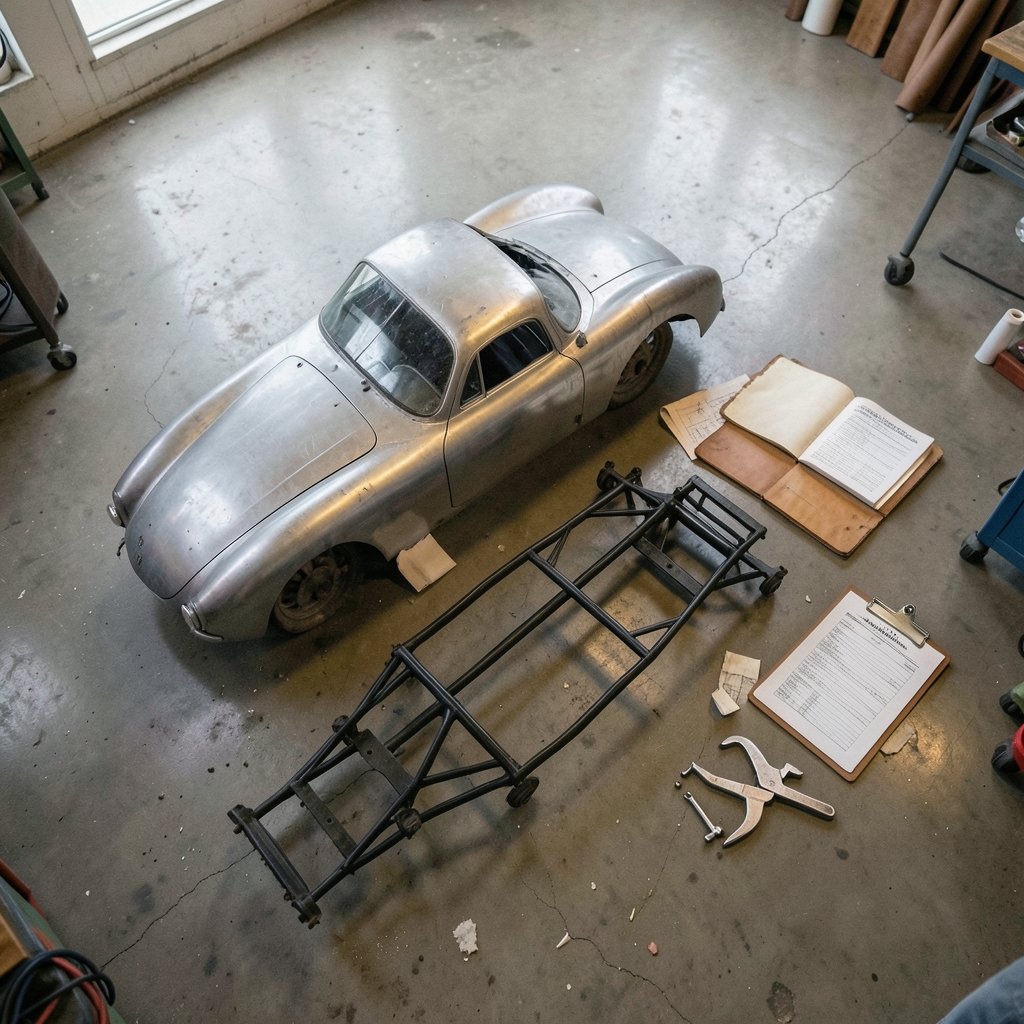
What Is a Continuation Car? Inside the Factory-Built Classics Nobody Can Quite Classify
Quick Answer: What is a continuation car?
A continuation car is a brand-new vehicle built long after a model’s original production run ended, usually by the original manufacturer or a builder it officially authorizes, and constructed to the original design. Buyers typically encounter them through manufacturer heritage departments, specialist auctions, and private collector sales rather than ordinary dealerships.
They differ from replicas, which are built by unrelated companies, and from restomods, which start with an original car and modernize it. Continuation cars are new metal wearing an old blueprint.
Before committing, check the build authorization and provenance documentation, the exact specification versus the original, road-legality and registration status in your market, the production count, and the resale record of comparable cars.
A Six-Car Run That Restarted a 50-Year-Old Production Line
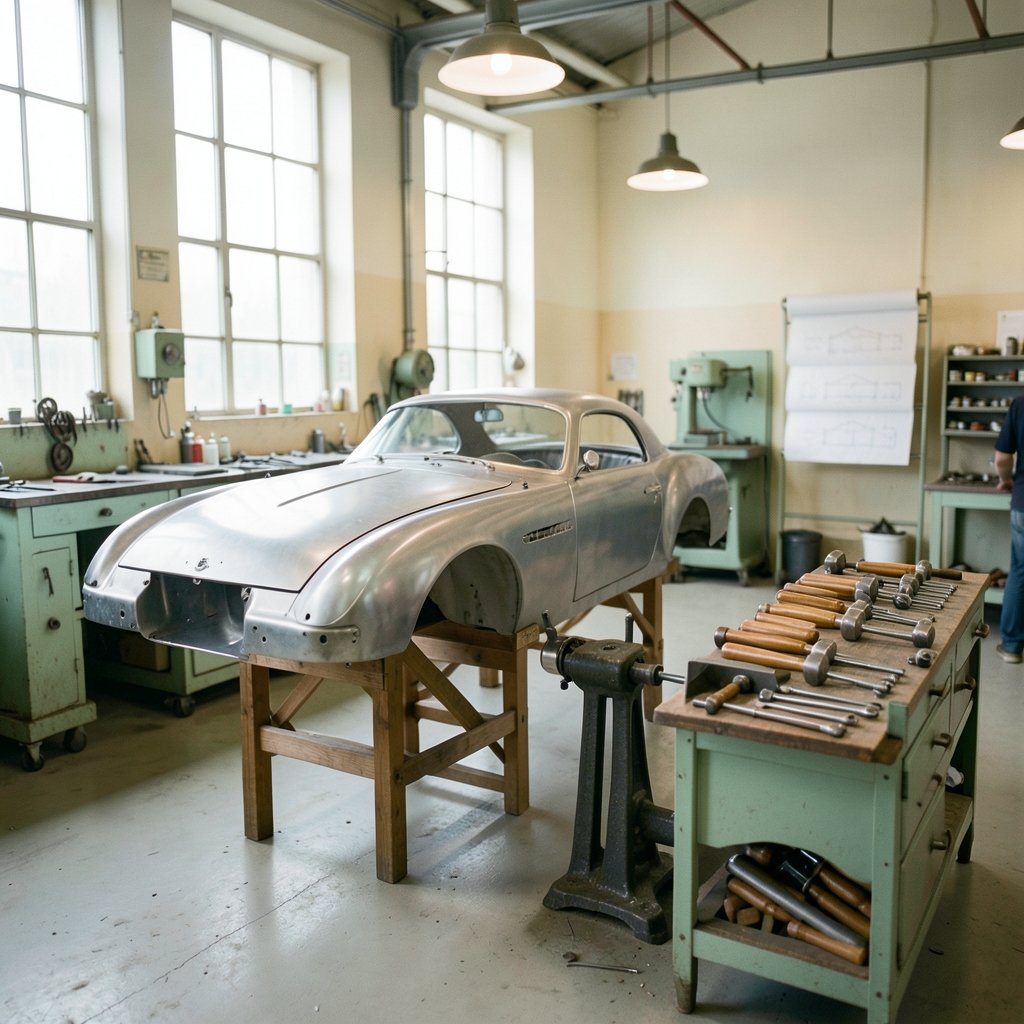
Here’s a number that stops car people mid-sentence: six. That’s how many Lightweight E-Type sports cars Jaguar had left unbuilt when the original allocation of 18 was cut short in the 1960s. Decades later, the company went back and finished the job. Not restored. Not replicated. Built — with new chassis numbers, new aluminum bodies, and the same tooling drawings the original craftsmen used.
That decision, announced around 2014, turned a dusty gap in a ledger into one of the most talked-about ideas in the collector world: the continuation car. It’s a strange category. It’s a new car that is also a 60-year-old car. It’s a factory product that most dealers can’t sell you. And it sits in a legal and philosophical gray zone that even the people building them describe with careful, lawyerly language.
This article unpacks what continuation cars actually are, how they differ from the lookalikes people confuse them with, and what to check before anyone signs a very large check.
The Core Definition, Stripped Down
A continuation car is a new vehicle manufactured after a model’s original production ended, typically by the original manufacturer or a licensed builder, to the original design and specification. The key word is continuation — the idea being that production was paused, not terminated.
That definition sounds tidy. In practice, the term is not standardized across sources, and manufacturers, auction houses, and regulators each shade it slightly differently. Some programs finish an unfinished allocation. Others revive a model wholesale. Some are officially blessed by the marque; others use the word loosely in marketing.
What holds the category together is factory authorization. A continuation car carries the original maker’s identity. That single fact separates it from almost everything else in the collector market.
Continuation, Replica, or Restomod? The Differences That Matter
Most confusion around this topic comes from lumping three very different things together. Here’s the clean split.
| Category | Who builds it | Starting point | Factory identity? |
|---|---|---|---|
| Continuation car | Original manufacturer or licensed builder | New build to original design | Yes |
| Replica | Independent third party | New build copying a design | No |
| Restomod | Specialist shop or owner | An original car, modernized | Yes, but it’s an original chassis |
A replica can be beautifully made and still be a replica. A restomod keeps the original car’s soul but swaps in modern brakes, suspension, and powertrains. A continuation car is the odd one out: it’s new, it’s factory, and it’s built as if the intervening decades never happened.
That distinction drives value. Buyers pay for the factory connection because it carries provenance, documentation, and a recognized place in the model’s history. For a deeper look at how design and engineering choices shape a car’s character, the analysis in design details that define a driver’s car is worth a read before comparing specifications across these programs.
Why Manufacturers Bother Building Them
Continuation programs are not volume businesses. They’re heritage businesses, and they serve several purposes at once.
First, they generate revenue from a customer base that already owns the modern lineup. Second, they keep skilled craftspeople employed — panel beaters, trimmers, engine builders — whose knowledge would otherwise retire out of the company. Third, they function as marketing with a very long shelf life. A hand-built continuation car generates press coverage that no advertising budget buys.
The programs cluster around a handful of British marques with deep heritage operations. Jaguar Land Rover Classic and Aston Martin Works have both run well-publicized continuation projects, with Aston Martin’s DB4 GT continuation announced in the 2016–2017 window and reported at a limited run of around 25 cars. Exact dates and counts vary by program and are worth verifying against the manufacturer’s own heritage pages before you quote them at a dinner party.
The Legal Minefield Nobody Warns You About
This is where enthusiasm meets paperwork, and it’s the part buyers most often get wrong.
Continuation cars are frequently not street-legal in the ordinary sense. Many are sold as track-only vehicles or delivered under heritage and collector arrangements that sidestep standard type approval. Whether a given car can be registered for road use depends on the jurisdiction, the program, and how the vehicle is classified — and the rules are genuinely inconsistent.
In the United States, the Low Volume Motor Vehicle Manufacturers Act, enacted as part of the 2015 surface transportation law, created a pathway for low-volume replica manufacturers. Its implementing rules from the National Highway Traffic Safety Administration were delayed for years, and whether continuation cars fit within that framework depends on the specific rulemaking in force. Anyone shopping in this space should confirm the current status directly rather than relying on forum posts.
In the United Kingdom and the European Union, heritage vehicles are handled differently again, with some programs leaning on the original manufacturer’s identity and type-approval history. The practical takeaway: registration status is a due-diligence item, not an assumption. Check with the relevant licensing authority in your market before wiring funds.
What Actually Works When You’re Shopping
Practical experience in this market boils down to a short list of habits that separate careful buyers from cautionary tales.
Get the authorization in writing. Ask who built the car, under what license, and on what chassis number sequence. A factory letter or heritage certificate is the difference between a continuation car and an expensive conversation piece.
Compare the spec line by line. Continuation cars are supposed to match the original. Small deviations in materials, engine internals, or trim can affect both authenticity and value. Ask for the build sheet against the original drawings.
Confirm the production count. Limited runs are part of the appeal, and the number matters for resale. Get it from the manufacturer, not the seller.
Budget for the invisible costs. Specialized servicing, insurance for low-volume vehicles, storage, and transport add up fast. These are not cars you drop at the corner garage.
Check the resale record. Look at what comparable cars have actually sold for at auction, not what they were listed at.
For broader context on how to weigh reviews and comparisons across models before committing, Voozon’s car reviews and comparisons hub is a useful starting point, and the second collection of car guides and comparisons covers more ground on evaluating heritage and performance vehicles. (Hagerty Media)
Common Mistakes That Cost Real Money
The most frequent error is assuming “factory-built” automatically means “road-legal.” It doesn’t. Buyers have purchased continuation cars expecting to register them for weekend drives and discovered a track-only designation instead.
The second mistake is treating the word continuation as protected. It isn’t. Some sellers apply it to cars that are, strictly speaking, replicas with a nice story attached. The tell is usually in the documentation: authorized builds come with a paper trail, and unauthorized ones come with enthusiasm.
The third is underestimating the ownership commitment. A hand-built aluminum-bodied car needs a specialist, not a generalist. Parts may be made to order. Service intervals may be measured in years, not miles. Owning one is closer to custodianship than to car ownership.
Where Continuation Cars Fit in the Wider Collector Market
Continuation cars occupy a peculiar tier. They’re newer than the originals but rarer than most modern limited editions. They appeal to collectors who want the original experience without the fragility and provenance anxiety of a 60-year-old machine — and who value the factory connection enough to pay for it.
They also raise a legitimate philosophical question that collectors genuinely argue about: is a car built in 2016 to a 1963 design a 1963 car or a 2016 car? The answer, awkwardly, is both. It’s a 2016 vehicle with 1963 DNA, and the market prices it somewhere in between.
That ambiguity is exactly why documentation matters more here than in almost any other corner of the car world. The paperwork is the car’s identity.
Conclusion
Continuation cars are the collector market’s most elegant contradiction: brand-new machines built to blueprints older than most of their owners. They exist because manufacturers still have the drawings, the craftspeople, and a customer base willing to pay for authenticity that no replica can manufacture.
But the romance comes with fine print. Factory authorization, specification fidelity, production counts, and — above all — road-legality and registration status in your specific market are the factors that separate a sound purchase from an expensive lesson. Verify the paperwork, confirm the rules where you live, and treat the word continuation as a claim to be checked rather than a guarantee. Do that, and you’re buying a piece of history that was, remarkably, made yesterday.
FAQ
Are continuation cars street legal?
Not automatically. Many are sold as track-only vehicles or under heritage arrangements that bypass standard type approval. Road legality varies by country and by program, so confirm registration eligibility with your local licensing authority before buying. Never assume a factory-built continuation car can be registered for normal road use.
How is a continuation car different from a replica?
A continuation car is built by the original manufacturer or a builder it officially authorizes, to the original design, and carries the marque’s identity. A replica is built by an unrelated third party copying the design. Both can be well made, but only the continuation car carries factory provenance, which is why values diverge so sharply.
Do continuation cars hold their value?
Many do, because limited production runs and factory provenance create scarcity. But performance varies by program, specification, and market conditions. Check actual auction results for comparable cars rather than asking prices, and remember that specialist servicing and insurance costs affect the total cost of ownership.
How many cars are usually in a continuation run?
Runs are typically very small, often in the single digits or low double digits. Jaguar’s Lightweight E-Type program completed six cars to finish an original allocation of 18, while Aston Martin’s DB4 GT continuation was reported at around 25. Always confirm the official count with the manufacturer’s heritage department.
Can I drive a continuation car regularly?
Some owners do, but most treat these cars as occasional-use or collection vehicles. Hand-built components, made-to-order parts, and specialist servicing requirements make daily use impractical. Insurance for low-volume heritage vehicles may also carry usage restrictions, so read the policy before planning regular drives.
Why do manufacturers build continuation cars at all?
They generate revenue from existing collectors, keep rare craft skills alive inside the company, and produce marketing value that money can’t easily buy. They also complete historical records — finishing allocations that were interrupted decades ago. It’s heritage work that happens to be commercially sensible.