
What Is a Concours d’Elegance? A Guide to Elite Car Shows
 Abdul WadoodLast updated
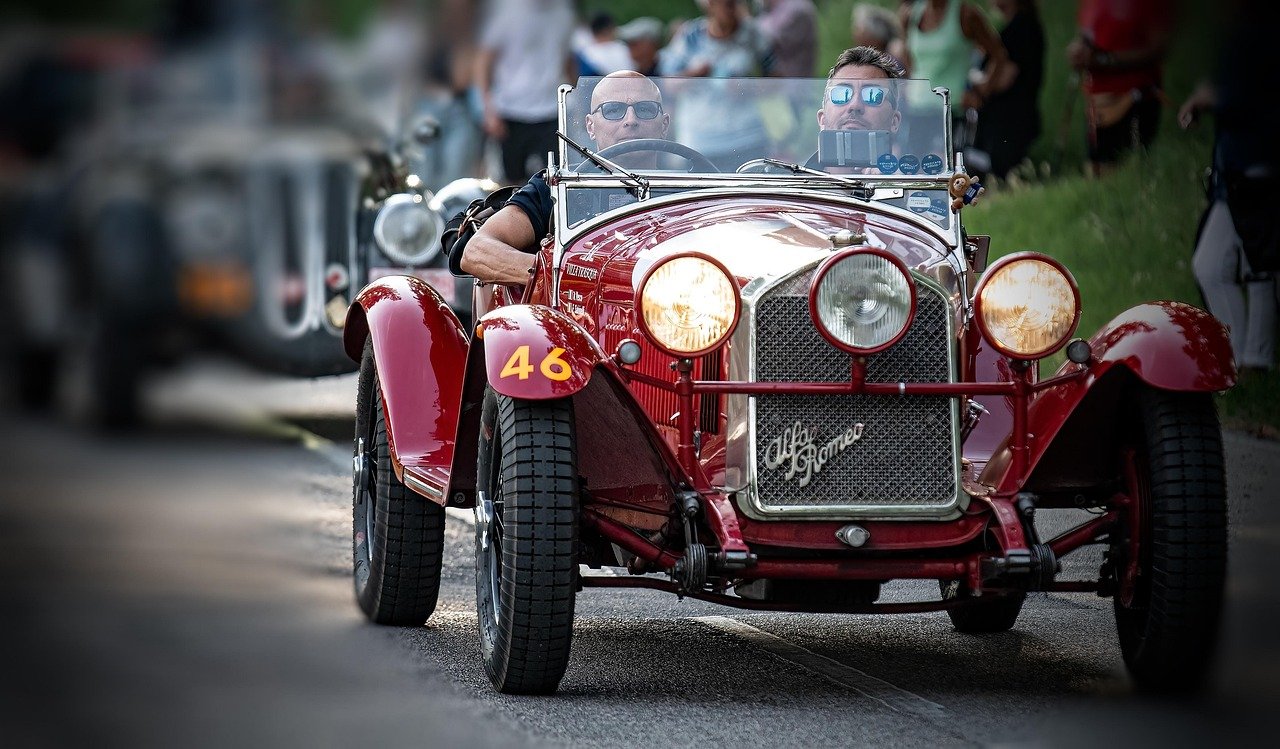
What Is a Concours d’Elegance? Inside the World’s Most Exclusive Car Shows
Quick Answer: What is a concours d elegance?
A concours d’elegance is a judged competition where classic and vintage automobiles are scored on elegance, authenticity, condition, and historical significance rather than speed. Owners enter restored or preserved cars into classes based on marque, era, or body style, and judges award prizes up to a best-in-show trophy.
The format differs sharply from a typical car show or auction. Vehicles are often trailered to the event rather than driven, judging is aesthetic and historical, and many concours double as charity fundraisers with dedicated preservation classes for unrestored cars.
Before entering or attending, check the event’s judging rules, class structure, eligibility requirements, entry fees, authenticity standards, and whether the event is competitive or exhibition-only.
At the 1950 Pebble Beach Concours d’Elegance, a single car rolled onto the grass of a California golf course and changed how the world would look at old automobiles forever. That first event was small. Today, the concours circuit spans continents, from the shores of Lake Como to manicured lawns in New England, and the cars that win are worth tens of millions. Yet most people outside the collector world have never heard the term, let alone understood what happens at one. This article unpacks the concours d’elegance: its history, its judging culture, and why it matters to anyone who loves cars. (Concours d’élégance)
The Meaning Behind the Name
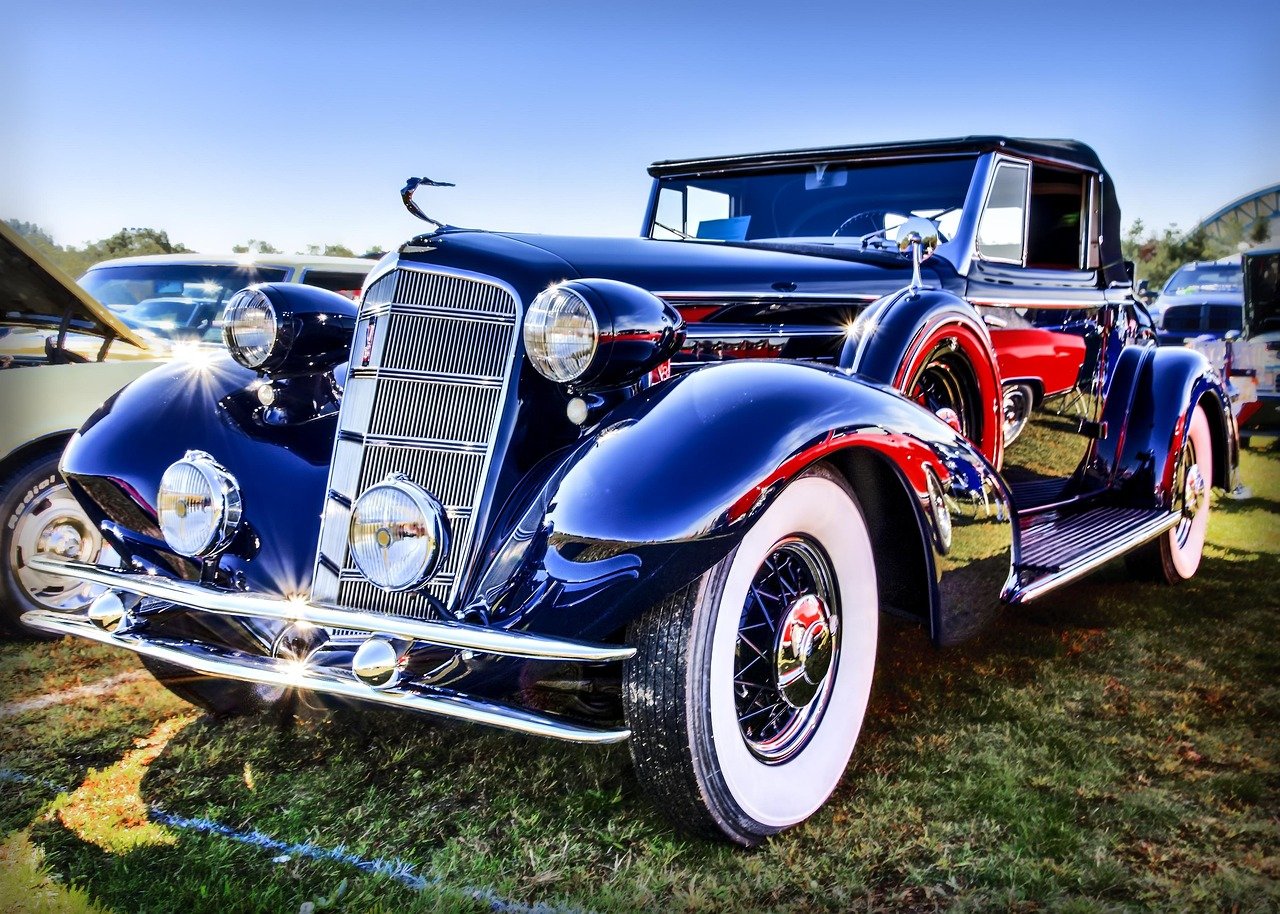
The phrase is French. Concours means “competition” or “contest,” and élégance means exactly what it sounds like. Put together, a concours d’elegance is literally a “competition of elegance.” The name is a clue to the event’s origins: these gatherings began as beauty pageants for horse-drawn carriages, where wealthy owners showed off coachwork, paint, and upholstery rather than horsepower.
When automobiles arrived, the format transferred naturally. Early French concours in the 1920s and 1930s paired coachwork beauty contests with fashion shows and high-society socializing. The cars were new then, of course. It took decades for the concept to evolve into what it is today: a celebration of preservation and authenticity as much as beauty.
That evolution matters. A modern concours is not simply a pretty-car contest. It is closer to a museum exhibition with a scorecard, where the condition of a 1930s roadster is examined as carefully as a painting in a gallery.
How a Concours Differs From a Car Show or Auction
This is where newcomers get confused, and it is worth being blunt: a concours is not a cars-and-coffee meetup, and it is not an auction.
| Feature | Concours d’Elegance | Car Show | Auction |
|---|---|---|---|
| Primary purpose | Judged elegance and authenticity | Display and community | Selling vehicles |
| How cars arrive | Often trailered, rarely driven | Usually driven in | Driven or transported |
| Judging basis | Condition, originality, history | Variety, popularity, cleanliness | Market value |
| Top prize | Best in Show | Trophies by category | Highest sale price |
| Audience | Collectors, historians, public | General public | Buyers and investors |
The distinction between a concours and an auction is especially sharp. At an auction, the question is what a car is worth. At a concours, the question is what a car is: whether its engine, paint, and upholstery match how it left the factory, whether its history is documented, and whether its restoration respected the original design.
Many concours events do run alongside auctions or charity fundraisers. But the judging itself stays focused on aesthetics and historical accuracy, not price tags. For a broader look at how the collector car world operates, the Wikipedia entry on classic cars offers useful background on how the hobby defines and categorizes vintage vehicles.
A Short History of the Concours Tradition
Carriage concours were already established in France by the late 19th century. The automobile version emerged in the early 20th century, and the exact first event is a matter of some debate among historians, so treat any single “founding date” with caution.
What is clearer is the modern era. The Pebble Beach Concours d’Elegance in California has been held since 1950, making it one of the most cited examples of the format. The Concorso d’Eleganza Villa d’Este on Lake Como in Italy traces its roots to the late 1920s, was relaunched in the 1990s, and remains one of Europe’s most prestigious gatherings.
The pattern across both continents is similar: a concours starts as a small charity or club event, gains a reputation for strict judging, and gradually attracts international entries. The best events become pilgrimage sites for collectors. For a sense of how automotive history is documented and preserved more broadly, the Library of Congress holds extensive collections on industrial and transportation history that researchers and enthusiasts can explore.
What Judges Actually Look For
Judging standards vary widely between events. There is no single governing body that sanctions concours judging worldwide, so “concours standards” are event-specific. That said, most scorecards weigh a few common factors.
Authenticity and Originality
The single biggest factor at most serious concours is whether a car is correct. Does the engine number match the chassis? Is the paint the original shade? Are the upholstery materials period-appropriate? A beautifully restored car with the wrong carburetor can lose to a scruffier but more accurate one. This surprises newcomers, and it is the most common source of frustration for owners who treat restoration as a cosmetic exercise.
Condition and Presentation
Presentation counts, but not in the way a casual observer might assume. Judges look for cleanliness in hidden places: engine bays, undercarriage, wheel wells. A car that gleams on top but hides grime underneath will be marked down.
Historical Significance
Provenance matters. A car with documented racing history, a famous first owner, or a rare coachbuilt body will often score higher than an identical model with no story. Owners who keep original documentation, photographs, and service records give judges something concrete to reward.
Preservation Classes
Many concours include preservation classes for unrestored cars. These celebrate survivors that retain original paint, interior, and mechanicals. For owners, this is often the most accessible entry point: a well-kept original car can compete seriously without a six-figure restoration.
Practical Tips for Owners and Spectators
For anyone thinking about entering a concours, a few habits separate successful entrants from disappointed ones.
- Read the rulebook before touching the car. Every event publishes class definitions and judging criteria. Restoring first and reading later is the classic mistake.
- Document everything. Photographs of the car before restoration, receipts, build sheets, and correspondence all strengthen a judging file.
- Do not over-restore. Shiny chrome and modern paint can hurt a score if they deviate from factory specification. Originality beats polish at most events.
- Prepare the hidden areas. Judges spend real time on engine bays and undersides. Detail work there often decides close classes.
- Talk to judges afterward. Most are enthusiasts who will explain their scoring. It is the fastest way to improve for next year.
For spectators, the practical advice is simpler: arrive early, bring a hat, and talk to owners. Concours crowds are unusually generous with stories. If you want to understand a car’s history, the person standing next to it usually knows more than any placard.
Common Mistakes People Make
The most frequent error is assuming a concours is a beauty contest judged by shine. Owners who spend heavily on cosmetic work and skip documentation often finish mid-pack and leave confused. A close second is entering the wrong class: a modified car in an originality-focused class will be penalized no matter how good it looks.
Another common mistake is treating the event as a marketing opportunity. Concours judges tend to be unimpressed by signage, sales pitches, or elaborate displays. The car is the argument.
Finally, newcomers often underestimate the social side. The concours circuit runs on relationships. Owners who volunteer, attend regularly, and share knowledge build reputations that help when they eventually bring a serious car to a major event. The Harvard Business Review has written extensively on how reputation and trust function in tight-knit professional communities, and the collector car world behaves much the same way.
The Modern Concours Scene
Today the concours format has spread well beyond Pebble Beach and Lake Como. Regional events in the United States, Europe, and Asia now fill the calendar, many of them charity fundraisers. This growth has widened the definition of what counts as concours-worthy. Japanese classics, American muscle, and even early electric vehicles now have dedicated classes at forward-thinking events.
The result is a more accessible hobby. A collector with a well-preserved family sedan can enter a local concours and be judged on the same principles as a million-dollar Ferrari: accuracy, condition, and story. That democratization is arguably the healthiest development in the scene. For coverage of the wider automotive world and how events like these fit into it, voozon.media publishes reporting and features on cars, culture, and the people behind them.
Why Concours Events Matter Beyond the Lawn
It would be easy to dismiss concours events as rich people polishing expensive toys. That reading misses the point. These events function as living archives. Because judging rewards authenticity, owners are incentivized to preserve original materials, research production records, and resist the urge to “improve” cars in ways that erase history.
That incentive structure has saved countless vehicles from well-meaning modification. It has also built a body of knowledge, shared through judging sheets, restoration forums, and event seminars, that historians and museums rely on. The Smithsonian Institution and similar institutions treat preserved vehicles as cultural artifacts, and the concours circuit supplies much of the expertise that makes that preservation possible.
There is also the simple pleasure of it. A concours is one of the few places where a 1930s coupe, a 1960s race car, and a hand-built one-off can sit on the same lawn and be judged on their own terms. That kind of comparison is increasingly rare in a world that sorts cars by price and performance stats.
Conclusion
A concours d’elegance is a judged celebration of automotive elegance, authenticity, and history. It began as a French carriage beauty contest, matured into a rigorous preservation movement, and now spans the globe. Whether you attend as a spectator, enter as an owner, or simply follow the results, understanding the judging philosophy changes what you see. The cars are pretty, and they are evidence; the concours is the courtroom where their stories are tested. For anyone drawn to classic cars, a first visit to a concours is less a car show than a history lesson delivered at walking pace.
Frequently Asked Questions
Can anyone enter a car in a concours d’elegance?
Most events accept public entries, but acceptance is not automatic. Owners submit applications with photographs and documentation, and organizers select cars that fit the year’s classes and meet condition standards. Local and regional concours are far more accessible than elite international events.
How much does it cost to compete?
Costs vary enormously. Entry fees at regional events might run a few hundred dollars, while top-tier events charge more and require significant preparation. The larger expense is usually restoration and transport, which can dwarf the entry fee many times over.
Do concours cars get driven?
Rarely to the event itself. Most serious entries arrive on trailers to avoid stone chips and wear. Some events include driving tours or demonstration runs, and preservation-class cars are sometimes driven, but the judged display is typically a static affair.
What is a best-in-show award?
Best in Show is the top prize at a concours, awarded to the single vehicle judged most outstanding across all classes. Winning it can meaningfully increase a car’s prestige and, often, its market value, though judges insist the award is about accuracy and elegance rather than price.
How is a concours different from a car museum?
A museum displays cars permanently to the public. A concours assembles them temporarily for competition and then disperses them. The judging process creates fresh research and documentation each year, which museums and historians often draw on later.
Are unrestored cars competitive at concours events?
Yes, increasingly so. Preservation classes exist specifically for original, unrestored vehicles, and some judges reward survivors over restored cars. A well-documented original example can outperform a freshly restored one, especially at events that emphasize authenticity.