
How to Clean a Coach Leather Bag Without Ruining It (2026)
 Abdul WadoodLast updated
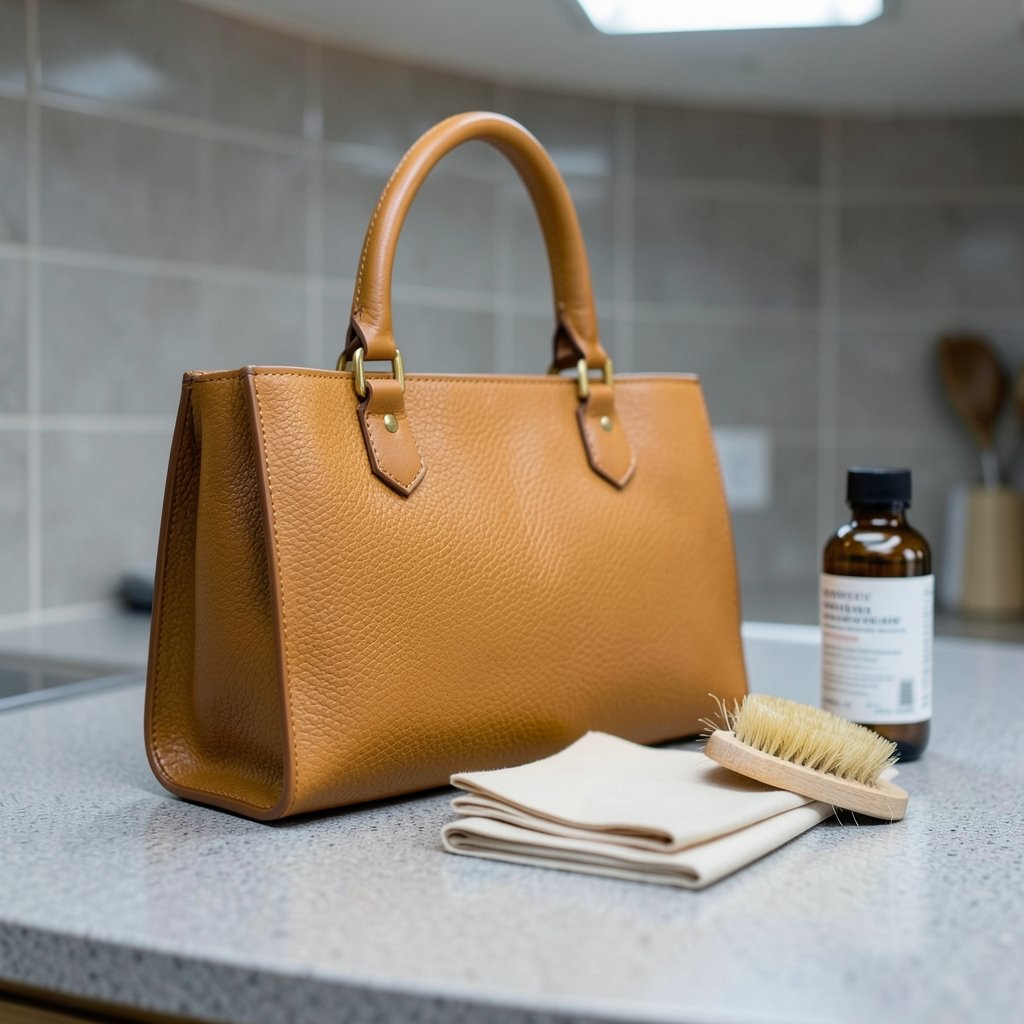
A Coach bag can survive a decade of daily commutes, but one careless swipe with a household wipe can dull its surface for good. So what actually works?
The honest answer is that “Coach leather” is not one material. The brand sells bags in glove-tanned cowhide, pebbled leather, smooth vachetta-style trim, suede, and coated canvas printed with the Signature pattern. Each surface reacts differently to water, soap, and friction. A method that rescues a scuffed pebbled tote can strip the finish off a smooth leather flap in seconds.
This guide walks through the materials, the safe cleaning sequence, the mistakes that cause the most damage, and how to keep a bag looking cared-for rather than over-polished. Treat it as a practical routine, not a chemistry lesson.
Know which Coach material you own before touching it
The single biggest error people make is treating every Coach bag as “leather.” Flip the bag over and check the hangtag and interior label first.
| Material | How to spot it | Cleaning approach |
|---|---|---|
| Glove-tanned cowhide | Soft, matte, absorbs moisture, darkens when wet | Damp cloth, leather cleaner, light conditioning |
| Pebbled leather | Visible grain texture, slightly shiny | Damp cloth, foam cleaner, buff dry |
| Smooth or polished leather | Flat, reflective surface | Minimal moisture, pH-neutral cleaner, no scrubbing |
| Coated canvas | Printed pattern, stiff feel, wipes clean | Damp cloth with mild soap, avoid abrasives |
| Suede or nubuck | Velvety, fuzzy nap | Dry brush only, no water |
Coated canvas is the easiest to maintain because the coating resists water and stains. Genuine leather needs more patience. If the bag has mixed materials, clean the leather panels last so you don’t drag canvas-cleaning residue onto the hide.
Understanding what separates a well-made leather good from a mass-market one helps here. The principles behind haute maroquinerie and luxury’s highest leather standards explain why glove-tanned hides are so absorbent, and why they reward gentle care. (Leather: types, tanning, and care)
Gather the right supplies (and skip the wrong ones)
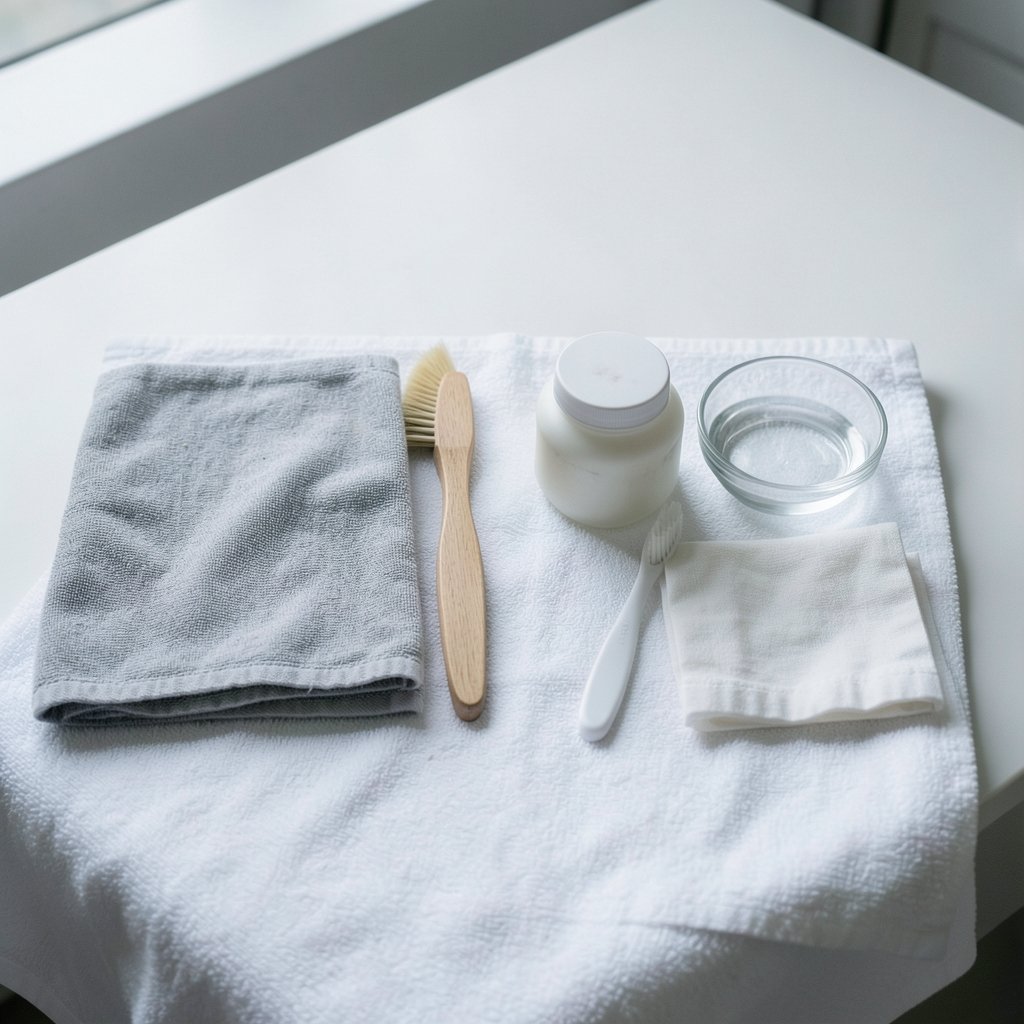
You do not need a specialty kit. You need a small, boring collection of items that won’t fight the finish.
What to use:
- Two or three microfiber cloths, ideally light-colored so dye transfer shows up
- A soft horsehair brush or a clean toothbrush for seams and stitching
- pH-neutral leather cleaner or water with a very small amount of mild soap
- A leather conditioner matched to the hide type
- Distilled water if your tap water is hard
What to avoid:
- Baby wipes containing alcohol or fragrance
- Disinfecting sprays, hand sanitizer, and acetone
- Magic erasers, which are abrasive
- Saddle soap on smooth finished leather, which can leave residue
- Hair dryers, radiators, and direct sun for drying
The last point matters more than people expect. Heat pulls moisture out of leather faster than it can redistribute, and the result is stiffness and fine cracking along fold lines. Air-dry at room temperature, stuffed with tissue or a clean cloth to hold the shape. (EPA: Indoor Air Quality overview)
The step-by-step cleaning routine
Work in daylight, on a clean towel, with the bag empty. Remove the strap if it detaches.
- Empty and inspect. Turn out every pocket. Note stains, dark patches, ink marks, and any area where the finish looks worn. Photograph the bag before you start so you can compare.
- Brush off loose debris. Use the dry horsehair brush on seams, corners, and under the flap. Dust becomes abrasive mud once it meets a damp cloth.
- Patch test. Apply a drop of cleaner to a hidden spot, such as the inside of the strap or the base. Wait fifteen minutes. If the color shifts or the surface goes tacky, stop and use plain water instead.
- Wipe with a barely damp cloth. Dampen the microfiber, wring it until it stops dripping, and wipe in small circles with light pressure. Rinse the cloth and repeat on stubborn areas rather than pressing harder.
- Clean hardware separately. Use a dry cloth on metal clasps and rings. Moisture trapped around hardware causes pitting.
- Let it dry fully. Allow at least a few hours, longer for glove-tanned leather. Never speed this up with heat.
- Condition sparingly. Apply a pea-sized amount of conditioner with fingertips, work it in, and buff off the excess after ten minutes. Over-conditioning is a real problem: it makes leather feel greasy and attracts dirt.
- Store properly. Stuff the bag, place it in its dust bag, and keep it off the floor and away from sunlight.
For hides that feel dry or stiff, the full grain leather buyer’s guide on identifying the strongest hide explains how grain structure affects absorbency, which helps you judge how much conditioner a panel can take.
Common mistakes that damage Coach bags
Most ruined bags are not ruined by dirt. They are ruined by good intentions.
Soaking the bag. Leather is skin. Submerging it swells the fibers, and as it dries, the shape distorts and the finish can lift. There is no “deep clean” that requires a bath.
Using too much product. More cleaner does not mean more cleaning. Excess liquid seeps into stitching holes and along edges, where it weakens glue and thread.
Scrubbing stains. Friction removes finishes faster than it removes pigment stains. On smooth leather, a stain that resists gentle wiping should be left alone or sent to a professional.
Ignoring the lining. Interior stains transfer back onto the leather over time. Turn the lining out and spot-clean it separately with mild soap diluted in water, then dry it thoroughly.
Skipping storage. A bag stored in a damp closet or a plastic bag will develop mildew and a musty smell that no cleaner fixes easily. Breathable dust bags exist for a reason.
The same restraint applies to accessories. The advice on caring for leather gloves so they last for years applies directly to bag leather: clean little and often, condition rarely, and keep the item away from heat.
What to do about specific problems
Some issues need a targeted approach rather than a full clean.
Water stains. These appear as dark rings on glove-tanned leather. Dampen the entire panel evenly with a barely damp cloth so the water line has nowhere to form, then let it dry slowly away from heat.
Ink marks. Blot immediately with a dry cloth. Do not rub. Once ink has set, professional removal is the safer route, because solvents strong enough to lift ink also lift dye.
Scuffs on smooth leather. A tiny amount of conditioner worked in with a fingertip can blend light scuffs. Deep gouges need a leather repair specialist.
Denim transfer. Blue staining on light leather is common and stubborn. A pH-neutral cleaner used gently over several sessions usually fades it, but complete removal is not guaranteed.
Musty odor. Air the bag outside in shade for a few hours, place an open container of baking soda inside, and avoid sealing it in plastic.
For bags with a strong design identity, care routines vary by construction. The story of how the Versace Medusa bag turned a myth into a fashion icon is a reminder that hardware-heavy designs need extra attention around metalwork, where moisture and cleaner collect.
How often should you actually clean a bag?
Less often than the internet suggests. A reasonable rhythm looks like this:
- Weekly: empty crumbs, wipe hardware with a dry cloth, check for stains
- Monthly: brush seams and corners, spot-clean any marks
- Seasonally: full clean and light condition before storage
- Annually: professional assessment for bags in heavy rotation
Over-cleaning is a genuine risk. Every wipe removes a trace of surface finish, and leather only has so much to give. A bag that looks slightly lived-in is healthier than one stripped shiny by monthly scrubbing.
When to hand the bag to a professional
Some jobs are not DIY. Take the bag to a leather specialist if you see any of the following:
- Cracking along fold lines or on the strap
- Peeling or flaking finish
- Deep ink, oil, or dye stains
- Mold that has spread into stitching
- Loose hardware, torn lining, or split seams
Restoration costs vary widely, but a repair is almost always cheaper than replacing a bag. For well-known designs, resale value can justify the spend. The history of how the Bottega Veneta Andiamo bag went from runway piece to status symbol shows how quickly a well-maintained bag holds its worth compared with a neglected one.
Conclusion
Cleaning a Coach leather bag is mostly an exercise in restraint. Identify the material, patch test, use the least moisture that does the job, dry slowly, and condition sparingly. Skip the wipes, the scrubbing, and the hair dryer. Do that, and the bag will keep its shape and finish for years rather than months.
If a stain does not budge after two gentle attempts, stop. A professional can fix a stain; nobody can un-strip a finish.
How do I clean a Coach leather bag at home?
Empty the bag, brush off loose dust, patch test a pH-neutral leather cleaner on a hidden spot, then wipe with a barely damp microfiber cloth using light pressure. Let it air-dry at room temperature, then apply a small amount of conditioner and buff off the excess.
Can I use baby wipes on a Coach leather bag?
It is better to avoid them. Many wipes contain alcohol, fragrance, or surfactants that dull finished leather and leave residue in stitching. A damp microfiber cloth with a pH-neutral cleaner is safer for both smooth and pebbled hides.
How do I clean a Coach coated canvas bag?
Wipe the surface with a damp cloth and a drop of mild soap, then dry immediately with a soft towel. Avoid abrasive pads and solvents, which can scratch or cloud the coating. Coated canvas is far more water-resistant than leather, so it needs less caution but still no soaking.
What should I do if my Coach leather bag gets soaked in rain?
Blot off the excess with a dry towel, stuff the bag with clean cloth to hold its shape, and let it dry away from heat and sunlight. Do not use a hair dryer. Glove-tanned leather may darken while wet and lighten again as it dries, so give it a full day before judging the result.
How often should I condition a Coach leather bag?
Two to four times a year is plenty for most bags in regular use. Condition more often only if the leather feels dry or stiff. Over-conditioning makes leather greasy, attracts dust, and can darken lighter colors.
Can I machine wash a Coach bag?
No. Washing machines distort shape, weaken glued edges, and damage hardware and linings. Even fabric Coach styles should be spot-cleaned by hand, and leather styles should never go near water beyond a damp cloth.
Wipe down the lining last. Once the exterior is dry, turn the lining out and brush away grit before it works back through the seams. A dry cloth is usually enough; save the mild soapy water for visible marks only.
Check the edges and strap holes. These are the first places to show wear and the easiest to overlook. A fingertip run along the edge paint tells you more about condition than a full inspection of the panels.
Rotate your bags. Leather recovers between wears. Giving a bag a day or two of rest, stuffed and out of direct light, does more for its longevity than any product on the shelf.
None of this is complicated, and none of it is fast. Treat the bag the way you would treat a good pair of leather shoes, and it will outlast the trend that made you buy it.