
Cash for Cars 2026: How Selling a Scrap Vehicle Really Works
 Abdul WadoodLast updated
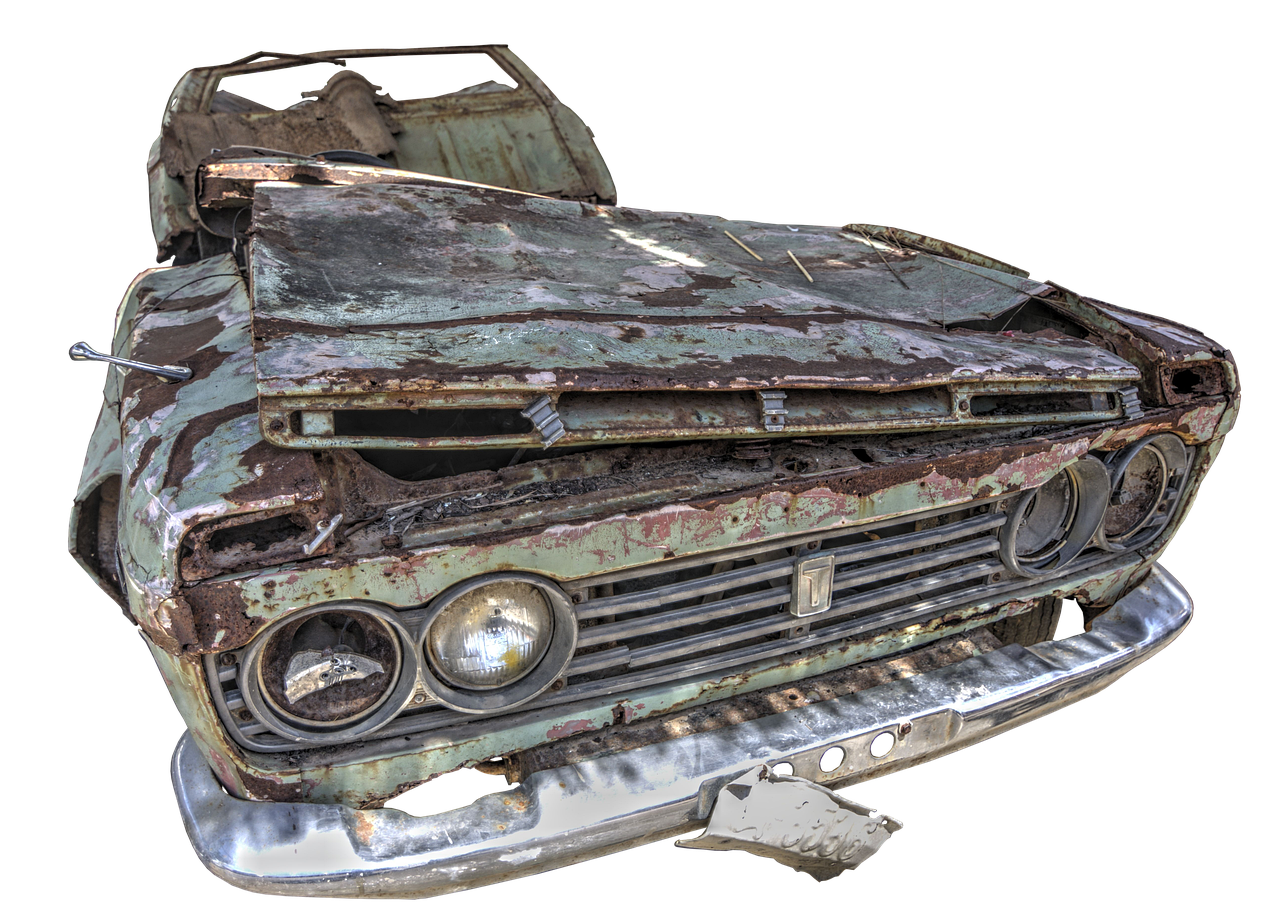
Around 27 million cars reach the end of their useful life every year worldwide, and most of them are worth money long after they stop running. That is the simple idea behind cash for cars: someone pays you for a vehicle you no longer want, whether it runs, barely starts, or sits rusting in a driveway. The service sounds effortless in ads, and sometimes it is. Other times, sellers hand over a car and walk away with far less than they expected, or with nothing but a promise.
This guide looks at how the trade actually works, what a fair offer looks like, where the legal rules change from place to place, and the mistakes that cost sellers the most. If you are weighing up whether to sell, scrap, or repair, the details below will help you decide with your eyes open.
What “cash for cars” actually means
The phrase covers several different businesses that are often lumped together:
- Scrap buyers who purchase end-of-life vehicles for their metal and parts value.
- Salvage yards and dismantlers that strip usable components and recycle the shell.
- Dealers and trade-in programs that take a car off your hands against a new purchase.
- Private buyers who resell repairable vehicles rather than crushing them.
Each one values your car differently. A scrap buyer cares about weight, metal prices, and whether any parts are sellable. A dealer cares about what it can resell the car for. A private buyer may pay more for a repairable vehicle but brings more hassle.
The common thread is convenience. Most services collect the car, handle the paperwork, and pay on the spot. That convenience is the product you are buying, and it is priced into every offer.
How the money is calculated
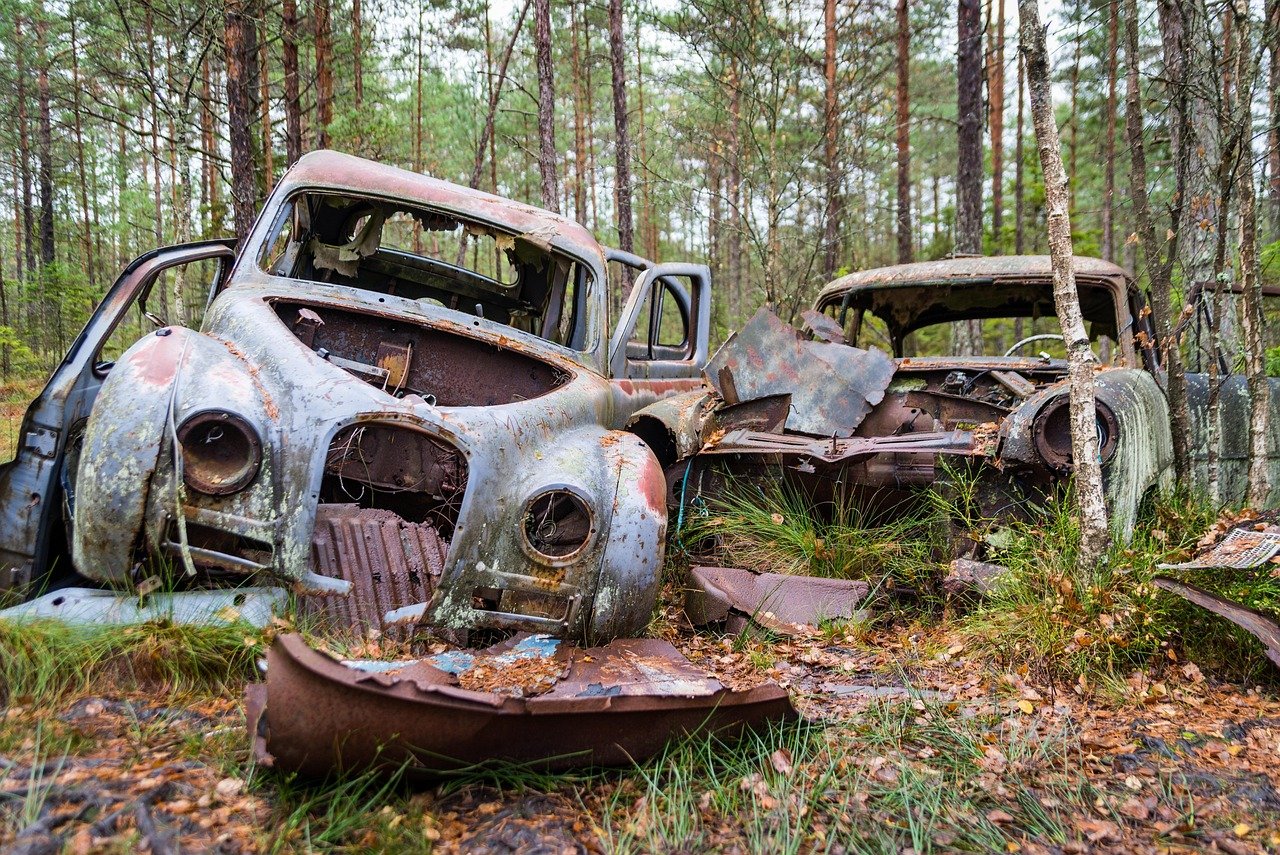
Sellers are often surprised by how little a complete car fetches compared with their expectations. The offer usually comes down to a handful of factors.
| Factor | Effect on the offer |
|---|---|
| Vehicle weight | Heavier vehicles generally command more scrap value |
| Metal prices | Steel and aluminium prices move constantly and pull offers with them |
| Age and condition | A running, roadworthy car is worth more than a dead one |
| Reusable parts | Popular models with strong parts demand attract higher bids |
| Location | Remote areas often mean lower offers due to transport costs |
| Paperwork | Missing documents can reduce or block a sale entirely |
A useful habit is to ask for the offer broken down. A buyer who can explain the weight, the parts value, and the collection cost is usually more trustworthy than one who quotes a round number without detail.
Scrap value and resale value are different things. A car with a blown engine may still be worth several times its metal value to someone who wants the body, gearbox, or interior. Getting a second quote from a buyer who resells repairable vehicles, as well as from one who crushes them, is one of the simplest ways to avoid leaving money on the table.
The paperwork is where most problems start
The single biggest cause of trouble in this market is not price. It is documentation. A car sold without the correct transfer or disposal notice can come back to haunt the seller through fines, tolls, or parking penalties tied to a vehicle they no longer own.
The rules differ sharply by country, and often by state or province within a country.
In the United Kingdom, vehicles are handled through the Driver and Vehicle Licensing Agency, and cars scrapped at an Authorised Treatment Facility generate a Certificate of Destruction. Sellers are expected to notify the agency when a vehicle is sold, transferred, or scrapped, and the certificate is the proof that the car has been permanently disposed of rather than resold. (Vehicle recycling)
In Australia, disposal and registration rules sit with state and territory authorities rather than a single national body, so the notice you file in one state may not match the process next door. Sellers should check their local transport authority’s guidance before handing over keys.
In the United States, “junk” and “salvage” title categories are defined at state level through departments of motor vehicles, and the correct title transfer process varies accordingly.
In the European Union, end-of-life vehicle handling has been shaped by the End-of-Life Vehicles Directive, which set out take-back obligations and recycling targets across member states.
The practical takeaway is the same everywhere: confirm in writing how the buyer will register the change of ownership, and keep a copy of every document. A buyer who resists paperwork is a buyer worth walking away from.
What a fair offer looks like in practice
There is no single fair price, but there are reliable signals that an offer is reasonable.
Get at least two quotes. The spread between the lowest and highest offer for the same car is often large, sometimes hundreds of dollars or pounds. Collecting three quotes takes an hour and is the highest-return effort in the whole process.
Check whether collection is included. A headline price that shrinks once towing is deducted is not the price you were quoted. Ask directly whether the figure is final and whether any fees apply.
Ask what happens to the car. A buyer who can describe the dismantling or resale process clearly is more likely to be operating legitimately than one who dodges the question.
Confirm payment method before pickup. Cash on collection is common, but bank transfer is often safer and leaves a record. Never pay a fee to release a payment, and never hand over a car before funds have cleared.
Photograph everything. Mileage, condition, documents, and the buyer’s details. If a dispute arises later, those photos matter.
Common mistakes that cost sellers money
Most bad outcomes in this market follow a small number of patterns. Knowing them in advance is most of the protection you need.
- Accepting the first offer. The first quote is rarely the best one, and it is often the lowest.
- Skipping the ownership transfer. Failing to notify the authorities leaves the seller exposed to penalties linked to a car they no longer own.
- Paying an upfront fee. Legitimate buyers pay you. Requests for “release fees”, “transport deposits”, or “documentation charges” are a warning sign.
- Believing an inflated phone quote. A very high figure given sight unseen frequently drops on inspection. Get the price confirmed in writing.
- Handing over keys before payment clears. Possession is leverage. Keep it until the money is real.
- Ignoring the parts value. A repairable car sold as scrap is often sold at a discount to its true worth.
- Forgetting to remove personal items and cancel toll or insurance accounts. Small administrative steps that are easy to skip and annoying to fix later.
Consumer regulators in several countries have repeatedly warned about unlicensed operators and advance-fee schemes in this space, so verifying a business’s registration before pickup is a sensible step rather than a paranoid one.
When selling for cash beats repairing
The decision between repairing and selling comes down to arithmetic, not sentiment.
Repair makes sense when the cost of the fix is comfortably below the car’s post-repair value and you intend to keep driving it. Selling makes sense when the repair bill approaches or exceeds what the car is worth, when the vehicle fails a safety inspection with structural problems, or when registration and insurance costs are piling up on a car that rarely moves.
There is a middle path many sellers overlook: selling to a buyer who repairs and resells. That route usually pays more than scrap but less than a private sale to an end user, and it comes with far less hassle than listing, showing, and negotiating with strangers.
For readers comparing models and long-term ownership costs before deciding whether to repair or replace, resources like Voozon Cars — Reviews, Comparisons & Car Guides can help frame the decision in terms of total cost rather than the immediate repair bill. It is also worth reading about the cars built around experience if the goal is choosing a replacement that holds value and stays cheap to run. Sellers who understand what their next car will cost are in a much better position to judge whether the current one is worth saving. (Voozon Cars)
The environmental side of the trade
Scrapping a car involves money, and it is also a recycling process; a well-run one recovers a large share of the vehicle’s materials.
Modern dismantling involves draining fluids, removing batteries and tyres, recovering catalytic converters, and separating metals for recycling. Steel and aluminium are the bulk of the value, but copper wiring, plastics, and glass all have recovery routes. Done properly, the process keeps hazardous fluids out of soil and groundwater and reduces the demand for newly mined metal.
This is why the legitimacy of the buyer matters beyond your wallet. A licensed facility follows environmental rules. An unlicensed operator may strip a car in a field and leave the fluids behind. Asking whether a buyer operates from a permitted site is a fair question, and the answer tells you a lot.
Negotiating without friction
A few habits make the conversation smoother and the outcome better.
Be honest about condition. Buyers inspect cars, and surprises on arrival lead to revised offers and wasted time. Describing faults upfront often gets you a firmer price. (Auto loans)
Be specific about what is included. Spare keys, service history, and original alloy wheels all affect value. Mention them.
Set a walk-away number. Decide in advance what you will accept, and be willing to end the conversation. The strongest position in any negotiation is being able to say no.
Time the sale if you can. Metal prices fluctuate, and a quote obtained in a strong market may beat one obtained weeks later. If the car is not blocking your driveway, there is no rush.
Conclusion
Cash for cars is a genuinely useful service for anyone with a vehicle that has stopped earning its keep. It removes a problem, handles the disposal, and puts money in your hand in a single visit. But the market rewards preparation. Get more than one quote, confirm the paperwork, verify the buyer, and keep possession until the payment clears.
The sellers who do best are rarely the ones who found the highest advertised price. They are the ones who understood what their car was worth, insisted on a proper transfer of ownership, and treated the transaction as a small piece of business rather than a favour. Do the same, and the convenience the ads promise becomes something you actually get.
Frequently asked questions
How much cash can I expect for a scrap car?
It depends on weight, metal prices, condition, and location. A complete small car typically fetches less than a larger vehicle, and a car with reusable parts is worth more than its metal alone. Quotes for the same vehicle can vary widely, which is why collecting two or three offers is the most reliable way to find the real market price.
Do I need the title or registration documents to sell?
In most jurisdictions, yes. Buyers need proof of ownership to transfer or dispose of the vehicle legally, and missing documents can reduce an offer or stop the sale entirely. If documents are lost, contact your local vehicle authority before accepting any offer, because replacement paperwork usually takes less time than resolving a disputed sale.
Is it legal to sell a car that no longer runs?
Yes, in most places. Non-running vehicles are routinely bought for parts and scrap. The legal requirements concern ownership transfer and environmental disposal, not whether the engine turns over. Confirm with the buyer how the change of ownership will be recorded, and keep copies of everything.
What happens to my car after I sell it?
It is usually assessed for reusable parts, stripped of fluids and hazardous components, and then recycled. Vehicles in good enough condition may be repaired and resold instead. Ask the buyer directly, and prefer businesses that can describe a permitted dismantling or resale process.
How do I avoid cash-for-cars scams?
Never pay an upfront fee, insist on a written quote, verify the business is registered, and do not release the vehicle until payment has cleared. Be wary of offers that are dramatically higher than every other quote, and always complete the official transfer of ownership rather than relying on a verbal assurance.
Can I sell a car with outstanding finance or a loan?
It is possible but requires care. The finance company usually has a claim on the vehicle until the loan is settled, so the outstanding amount typically needs to be cleared as part of the sale. Contact the lender first to get a settlement figure, and disclose the finance arrangement to any buyer before agreeing a price.