
Cash Cars for Sale: No-Finance Deals Explained
 Abdul WadoodLast updated
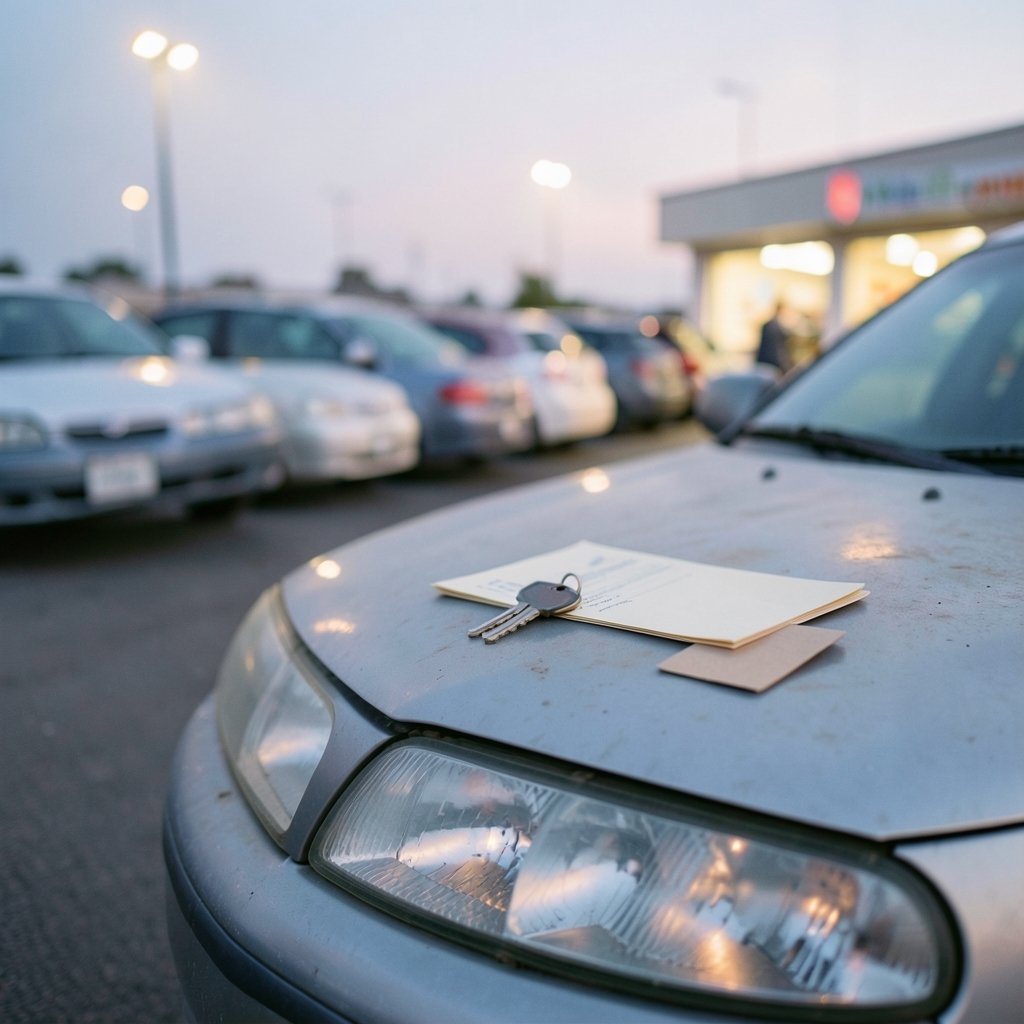
In 2024, the average new car in America cost roughly $48,000, and even a used one ran close to $27,000. That’s why “cash cars for sale” has become one of the most searched phrases in the auto market. For buyers on a tight budget, a car paid for outright means no monthly payment, no interest, and no lender breathing down your neck. But the cash-car world has its own rules, traps, and paperwork headaches. This guide walks through what the term actually means, how to spot a good deal, and the mistakes that cost people thousands.
What “Cash Cars for Sale” Really Means
Here’s the first thing to get straight: “cash car” is a marketing phrase, not a legal category. No government agency defines it. In practice, it describes vehicles sold without dealer-arranged financing, usually priced somewhere under $5,000 to $10,000. That threshold is informal and shifts with the market.
Sellers use the label because it signals something buyers want: a simple transaction. You show up, you pay, you drive away with the title. No credit check, no loan application, no finance office upsell.
The phrase also shows up in two very different settings, and confusing them is a classic mistake:
| Setting | Who Sells | Typical Price | Buyer Protection |
|---|---|---|---|
| Private party | Individual owners | $1,000–$8,000 | Very limited; usually as-is |
| Buy-here-pay-here or small dealer | Licensed dealers | $3,000–$12,000 | Some, depending on state law |
| Cash-only dealer lot | Dealers | $2,000–$7,000 | Varies widely |
A private seller with a car in the driveway and a dealer with a lot full of older trade-ins both advertise “cash cars,” but the paperwork and legal protections differ enormously.
Why Cash Beats Financing for Budget Buyers

The math is blunt. A $6,000 car financed over 48 months at a typical used-car rate of 11% costs well over $7,400 by the time it’s paid off. Pay cash and that $1,400 stays in your pocket. You also avoid the credit check, which matters if your score is thin or bruised. (Used car)
There’s a less obvious benefit too: cash buyers can negotiate better. A seller holding a car that’s been listed for three weeks will often take $500 less from someone who can close today. Financing adds days of paperwork; cash closes in an afternoon. If you want to understand how buyers evaluate value in this segment, the guides at Voozon Cars — Reviews, Comparisons & Car Guides break down pricing and reliability by model, which is exactly the homework a cash buyer needs.
One practical tip: bring the money in a form the seller will accept. Many private sellers want a cashier’s check or a bank transfer rather than a duffel bag of bills, and some will not accept personal checks at all. Agree on the payment method before you meet.
How to Vet a Cash Car Before You Pay
The cash-car segment is where title problems concentrate. Salvage, flood, and rebuilt titles are far more common on cheap vehicles, and a branded title can cut resale value by 20% to 40%. The federal NMVTIS system exists specifically to track title brands across states, and the NMVTIS vehicle title information resource explains how to request a report. Run one before you hand over money.
Beyond the title, work through this checklist:
- Check the VIN against recall databases. A free lookup on the NHTSA recall site shows open safety recalls. Sellers rarely mention them.
- Ask for the maintenance records. A folder of receipts beats a clean engine bay. No records is not automatically a dealbreaker, but it changes your offer.
- Get a pre-purchase inspection. A $100–$150 inspection from an independent mechanic routinely saves buyers four figures. This is the single highest-return step in the whole process.
- Test-drive cold. Arrive before the seller has warmed the car up. Cold-start noises, smoke, and rough idling hide once an engine is warm.
- Check the tires and brakes. On a $4,000 car, four new tires plus pads and rotors can run $1,200. That is a third of the purchase price.
- Verify the seller’s identity matches the title. If the name on the title isn’t the person selling, walk away or insist on a notarized power of attorney. “Title jumping” is a common scam in cheap-car sales.
The FTC’s Used Car Rule and Buyer’s Guide requires dealers to post a window sticker stating whether a warranty applies. Private sellers are generally exempt, which is one more reason to know who you’re buying from.
The Paperwork That Trips People Up
Most states require three documents for a private sale: a signed title, a bill of sale, and an odometer disclosure. Miss any one and you may find yourself at the DMV with a car you can’t register.
A few practical notes from the trenches:
- Never buy a car with an open lien. The title will show the lender as a lienholder. The seller must pay off the loan and get a lien release before transferring. If they can’t, the deal is not ready.
- Get the bill of sale notarized if your state allows it. It costs a few dollars and settles disputes later.
- Write the actual sale price. Some buyers ask sellers to understate it to reduce taxes. That is tax fraud, and it also weakens your position if you later need to prove what you paid.
- Keep a copy of everything. Title photo, bill of sale, odometer statement, and the seller’s ID. Store them in a folder in the glovebox until registration is complete.
State rules vary enough that a quick check of your own DMV’s page is worth ten minutes. Some states also require a safety or emissions inspection before a private sale can be registered, and those requirements often vary by county as well as state.
Where to Find Genuine Cash Cars
The best deals rarely come from the flashiest listings. Here’s where experienced buyers actually look:
Private listings. Facebook Marketplace, Craigslist, and local classifieds remain the biggest source. Sort by newest and contact sellers within hours; good cheap cars sell in a day or two. The Voozon guide to the cars built around experience is useful for spotting models that hold up well at high mileage, which is exactly what you’re shopping for in this price range.
Estate and family sales. A car inherited by relatives who don’t want it is often priced to move and comes with service history. These rarely get advertised widely.
Small independent dealers. Some specialize in sub-$8,000 inventory. You pay a bit more than private party, but you get a lot, a license, and sometimes a short warranty. Check state licensing before you buy.
Auctions. Public auto auctions can produce bargains, but you usually can’t test-drive and you buy as-is. First-timers should bring someone experienced or skip it.
Trade-in rejects. Dealers wholesale cars they don’t want to retail. Some will sell them directly if you ask. It costs nothing to inquire.
A note on timing: inventory tightens in late spring and early summer when tax refunds hit. Late fall and winter tend to bring softer prices and more motivated sellers.
Common Mistakes That Cost Buyers Money
The failures in this segment are remarkably consistent. Watch for these:
- Skipping the inspection to “save” $120. Then discovering a blown head gasket a month later. The inspection is cheap insurance.
- Falling for the “just needs a small fix” line. If it’s a small fix, the seller would have done it. Assume the repair costs double what you’re told.
- Paying a deposit before seeing the car. Deposit scams are rampant on cheap-car listings. Never send money to hold a vehicle you haven’t inspected in person.
- Ignoring the total cost of ownership. Insurance, registration, and immediate repairs can add $1,500 in the first month. Budget for it.
- Buying emotionally. The car with the great paint job and a slipping transmission is still a bad car. Bring a checklist and stick to it.
- Forgetting the cash-reporting rules. Businesses, including dealers, must report cash payments over $10,000 to the IRS on Form 8300. Typical private sellers aren’t affected, but it’s worth knowing why a dealer might ask questions about a large cash payment.
For a broader view of how to compare models before committing, Voozon Cars — Reviews, Comparisons & Car Guides – Voozon — Discover, Review & Explore organizes reviews by budget and use case, which helps narrow a very long list fast.
Negotiating a Cash Price Without Being a Jerk
Cash gives you bargaining power, but only if you use it well. The winning approach is boring and effective:
- Inspect the car and identify two or three concrete issues (tires, brakes, a warning light).
- Research the private-party value range for that model, mileage, and condition.
- Make one clear offer, below your maximum, backed by the issues you found.
- Be willing to walk away. There is always another car.
Sellers respond to specifics, not lowballs. “The rear tires are at 3/32 and the check-engine light is on; I can do $3,800 today” lands far better than “will you take $2,500?” And always confirm the seller has the title in hand before you negotiate hard. A great price on a car with a missing title is no price at all.
Conclusion
Cash cars for sale offer a genuine path to car ownership without debt, and for plenty of buyers that’s the whole point. The catch is that this corner of the market rewards preparation more than any other. Verify the title, run the recalls, pay for the inspection, and get the paperwork right. Do those four things and a $5,000 car can serve you reliably for years. Skip them and you’re gambling. The difference between a smart cash purchase and an expensive lesson usually comes down to a couple of hours of homework done before the money changes hands.
Frequently Asked Questions
What price range counts as a cash car?
There’s no official definition, but most listings labeled “cash cars” fall between $1,500 and $10,000. The label really describes the transaction, not the price: it means the seller expects full payment up front with no financing arranged.
Is it safe to buy a cash car from a private seller?
It can be, provided you verify the title, confirm the seller’s identity matches it, and get an independent inspection. The main risks are branded titles (salvage, flood, rebuilt), open liens, and undisclosed mechanical problems. Each is checkable before you pay.
Do I need a bill of sale for a cash car?
Most states require one to register and title the vehicle, and it protects both parties if a dispute arises later. Your state DMV specifies the required format. Get it signed, keep a copy, and have it notarized if your state permits.
Can I get a warranty on a cheap used car?
Sometimes. Dealers must post an FTC Buyer’s Guide stating whether a warranty applies, and some small lots offer short powertrain coverage on cash cars. Private-party sales are generally as-is unless the seller puts a warranty in writing.
How do I avoid cash car scams?
Never send a deposit before seeing the car in person, always meet at a safe public location, confirm the title is in the seller’s name, and refuse deals that require you to “pay the shipping company” or use unusual payment methods. If the price is far below market, assume something is wrong until proven otherwise.
Should I pay cash or finance a cheap used car?
Paying cash avoids interest and keeps you out of debt, which is usually the better move on a vehicle under about $10,000. Financing a cheap car often costs more in interest than the car is worth in depreciation, and many lenders won’t write small loans anyway. (Auto loans)