
Cash for Cars Near Me: Get a Fair Offer in 2026
 Abdul WadoodLast updated
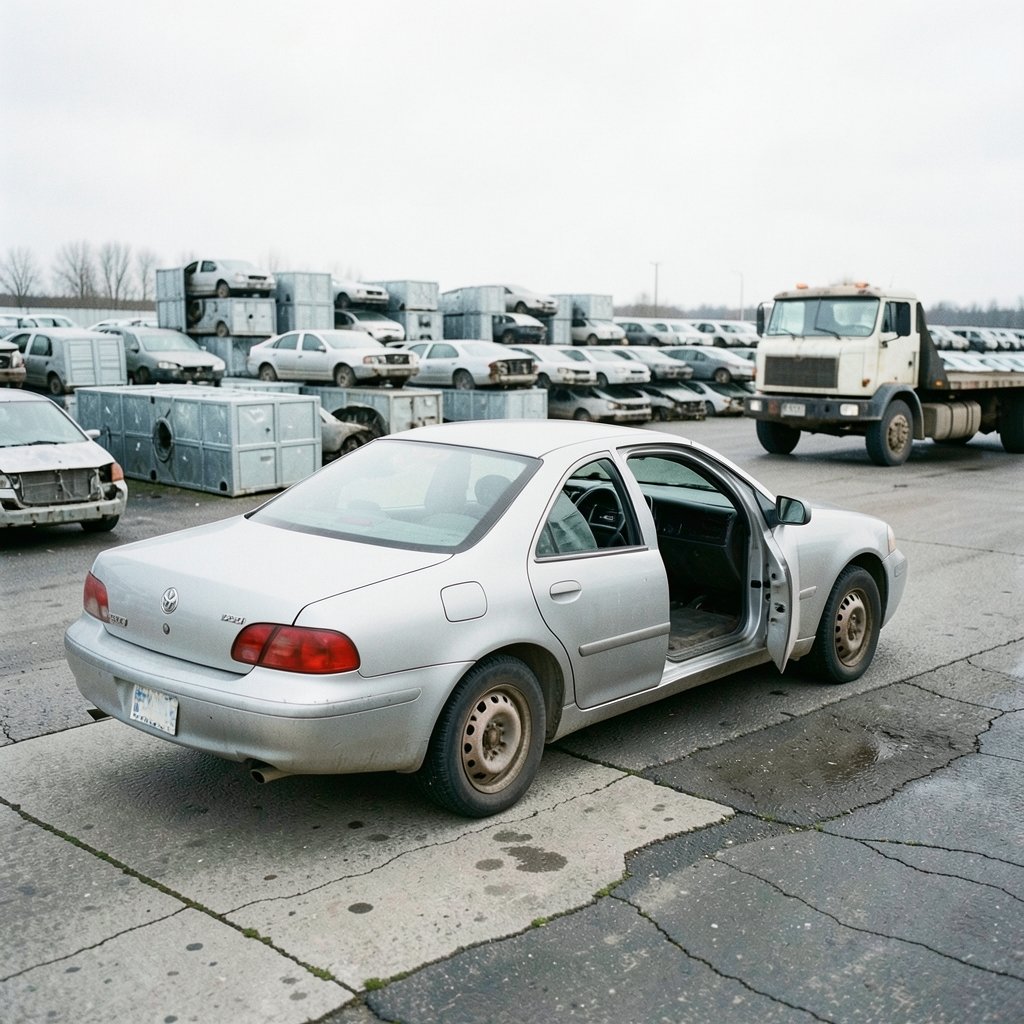
Every year, roughly 12 to 15 million vehicles worldwide reach the end of their useful life, according to estimates from the International Organization of Motor Vehicle Manufacturers. That’s a staggering number of cars headed for dismantling, recycling, or resale. If you’re one of the millions of owners staring at a dead car in the driveway, searching “cash for cars near me” is probably the first thing you’ve done. The trouble is that the results page is a minefield of lowball offers, vague promises, and buyers who vanish when it’s time to pay up.
This guide cuts through the noise. It explains what the cash-for-cars industry actually is, how offers get calculated, where the risks hide, and how to walk away with money in hand instead of a headache.
What “Cash for Cars” Actually Means
The phrase gets used loosely, but it covers several distinct businesses. A scrap buyer pays for the vehicle’s metal value and typically dismantles it. A salvage yard might resell usable parts. A dealer may buy your car outright as a trade-in or a straight purchase. And instant-offer platforms generate a quote online and then arrange pickup through a partner network.
These are not the same thing, and they don’t pay the same way. A scrap buyer cares about weight and commodity prices. A dealer cares about resale potential. An online platform cares about volume, which means its first offer is often deliberately low.
Knowing which type of buyer you’re talking to is half the battle. If someone quotes a number without asking about the car’s condition, mileage, or title status, that number is a guess, not an offer.
How Buyers Calculate What Your Car Is Worth
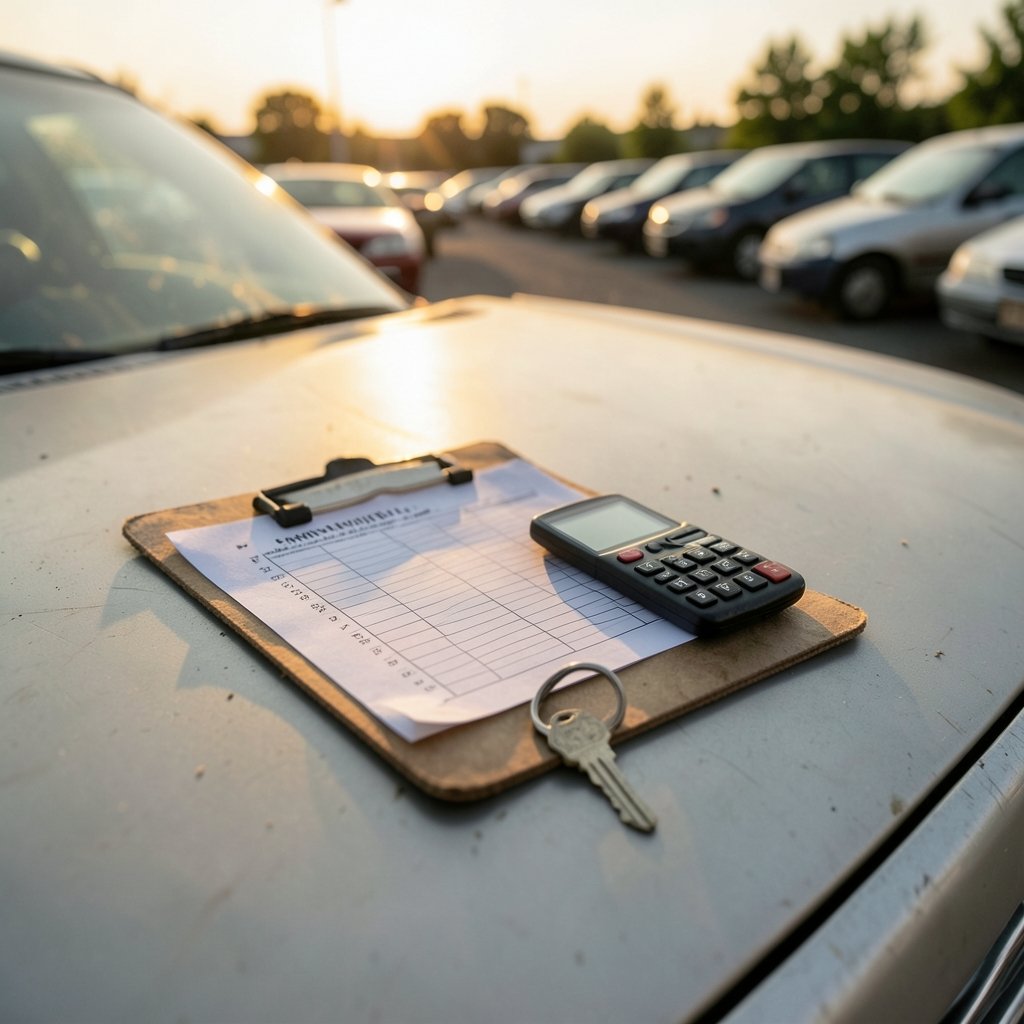
Most offers come down to a handful of factors. Understanding them puts you in a stronger negotiating position.
| Factor | What Buyers Look At | Why It Matters |
|---|---|---|
| Scrap value | Vehicle weight, current steel prices | Sets the floor for a dead car |
| Parts value | Make, model, demand for used parts | Can exceed scrap value significantly |
| Condition and mileage | Engine, transmission, body damage | Determines resale vs. dismantle |
| Title status | Clean, salvage, rebuilt, or missing | A clean title is worth more |
| Catalytic converter | Platinum-group metal content | Often a separate line item |
| Location | Local demand and transport cost | Affects pickup fees and offers |
Scrap values move with commodity markets, so an offer that was fair last month might be poor this month. That volatility is one reason quotes vary so widely between buyers on the same day. It’s also why getting three quotes is not paranoia. It’s basic diligence.
For a broader look at how vehicle-focused marketplaces evaluate cars and experiences, the team behind the cars built around experience covers how buyers weigh condition and history during transactions.
The Real Risks Hiding Behind Cheap Offers
Consumer protection agencies in several countries have flagged recurring problems in this industry: lowball offers that shrink at pickup, delayed title transfers, and unlicensed operators who disappear after collecting a vehicle. The pattern is consistent enough that regulators regularly issue warnings.
The most common traps include:
- The bait-and-switch quote. A high phone quote becomes a low on-site offer once the buyer “inspects” the car. Always ask whether the quote is binding and what could change it.
- Title limbo. If the buyer doesn’t transfer the title promptly, you may remain legally responsible for the vehicle. Parking tickets, tolls, or worse can land on your record.
- Unlicensed buyers. Many jurisdictions require salvage dealers and scrap recyclers to hold licenses and report transactions to authorities. Ask for a license number and verify it.
- Payment games. Promises of a check “in the mail” are a red flag. Reputable buyers pay on the spot or via a traceable transfer before the car leaves.
A legitimate buyer will never pressure you to hand over keys and title before payment clears. Speed is a selling point, not a reason to skip verification.
What to Prepare Before You Request Offers
The owners who get the best prices are the ones who do their homework first. Here’s a practical sequence that works:
- Gather your paperwork. Locate the title, registration, and any lien release documents. A lien must typically be cleared before a sale can proceed, and rules differ by state or province.
- Photograph everything. Shots of the exterior, interior, odometer, and any damage give you a stronger position if an on-site offer drops.
- Note the details. Mileage, VIN, service history, and known mechanical issues. Buyers respect sellers who know their car.
- Check local rules. Your state or provincial motor vehicle agency will explain title transfer requirements and whether the buyer must be licensed.
- Get at least three quotes. Compare the quoted amount and the terms: pickup fees, payment method, and title handling.
If you’re also juggling other errands and appointments around the sale, it helps to plan your week efficiently. Services like those covered in this guide to finding hair salons near me show how the same “near me” search logic applies across categories: verify reviews, check credentials, and compare before committing.
Questions That Separate Serious Buyers From Time-Wasters
Before you agree to anything, run through this checklist on the phone. The answers tell you almost everything.
- Are you licensed, and what’s your license number?
- Is your quote binding, and what could change it at pickup?
- How and when will I be paid?
- Who handles the title transfer, and how long does it take?
- Do you charge for towing or pickup?
- What happens to the car after you buy it?
A professional buyer answers these without hesitation. Evasiveness on any of them is your cue to move on.
How Offers Compare Across Buyer Types
Different buyers serve different situations. There’s no universal “best,” only the best fit for your car and timeline.
| Buyer Type | Typical Strength | Typical Weakness | Best For |
|---|---|---|---|
| Scrap yard | Fast, handles non-runners | Pays mostly for weight | Cars with no resale value |
| Salvage dealer | Values usable parts | Offer varies by parts demand | Popular models with good parts demand |
| Local dealer | Convenient, negotiable | May push trade-in instead of cash | Cars that still run |
| Online instant-offer platform | Simple quote process | First offer often low | Sellers who want speed over maximum price |
| Private buyer | Usually the highest price | Slow, requires selling effort | Cars with remaining resale value |
If your car still runs and passes inspection, a private sale or dealer purchase usually beats a scrap offer. If it’s a non-runner with a blown engine, a scrap buyer is often the realistic path. The same logic applies to how people compare service providers in other markets, as this breakdown of car reviews and comparisons illustrates: the right choice depends entirely on what you actually need.
Environmental Rules You Should Know
Vehicle disposal is regulated because cars contain hazardous materials: engine oil, coolant, brake fluid, refrigerants, and lead-acid batteries. Legitimate buyers follow dismantling and recycling procedures for these. Fly-by-night operators sometimes don’t, which is one more reason to verify credentials.
If a buyer can’t explain what happens to the fluids and battery, that’s a warning sign. Responsible recyclers can describe their process, and many are subject to environmental permitting.
Timing Your Sale for a Better Price
Scrap prices fluctuate with commodity markets, so there’s no perfect month. What you can control is preparation and competition among buyers. Sellers who collect multiple quotes within a short window capture the best available price on that day.
One more practical tip: don’t let a car sit indefinitely while you “think about it.” Storage, insurance, and registration costs add up, and a vehicle that’s losing value isn’t an asset. Set a deadline, gather quotes, and decide. (Auto loans)
When to Walk Away
Some situations justify ending the conversation immediately:
- The buyer asks you to sign the title before payment.
- The quote drops dramatically on arrival with no explanation.
- The buyer refuses to show a license or business details.
- Payment is offered in a form you can’t verify.
- The buyer wants to take the car “on approval” without paying.
Trust your instincts. There are enough legitimate buyers that you never need to accept a sketchy deal.
Conclusion
Searching “cash for cars near me” puts you in front of dozens of buyers, and they are not created equal. The sellers who do well are the ones who understand how offers are built, prepare their paperwork, collect multiple quotes, and verify licensing before handing over the keys. Scrap value sets the floor, condition and parts demand set the ceiling, and your diligence determines where in that range you land. Take an extra hour to check credentials and compare terms. It’s the difference between a clean transaction and a story you’ll be telling for years.
Frequently Asked Questions
How much can I expect for a junk car?
It depends on weight, current scrap prices, and parts demand. Non-running compact cars typically fetch less than larger vehicles or models with valuable parts. Because commodity prices move, the only reliable answer comes from collecting several local quotes on the same day.
Do I need a clean title to sell my car for cash?
In most jurisdictions, yes. A buyer generally needs a clear title to complete the transfer, and any lien must be released first. Rules vary by state or province, so check with your local motor vehicle agency before you start collecting offers.
Is it safe to sell to an online instant-offer platform?
It can be, provided you verify the company, confirm the quote terms in writing, and ensure payment clears before the vehicle leaves. Many platforms work through partner networks, so ask who will actually collect the car and who handles the title transfer.
Who transfers the title after the sale?
This varies. Some buyers handle the transfer and provide you with confirmation; others expect you to notify the motor vehicle agency yourself. Get the answer in writing before the sale, and keep a copy of every document.
Can I sell a car that doesn’t run?
Yes. Non-running vehicles are routine for scrap and salvage buyers, who collect them by tow truck. Expect a lower offer than for a running car, and confirm that pickup is included at no extra charge.
What should I do if a buyer’s offer drops at pickup?
Ask for a written explanation of what changed. If the reason doesn’t match the car’s actual condition, decline the sale and move to your next quote. A binding quote in writing, agreed before pickup, is your best protection against this common tactic.
One final note on timing: if your car is still registered and insured, calculate the monthly cost of keeping it versus the offer in hand. A $300 monthly insurance and registration drag can erase the advantage of waiting for a slightly better quote. Once you’ve verified a licensed buyer, confirmed the terms in writing, and secured payment, close the deal promptly. The best transaction is the one that’s documented, paid, and finished — not the one still sitting in your driveway a month later.
Final tip on documentation: after the sale, keep copies of the bill of sale, the signed title, and any payment receipts together in one folder for at least a year. If a parking ticket or toll charge shows up later, that paperwork is your proof the vehicle was no longer yours. A clean paper trail protects you long after the buyer has driven away.