
Cars for Sale Under 5000: Smart Buying Guide 2026
 Abdul WadoodLast updated
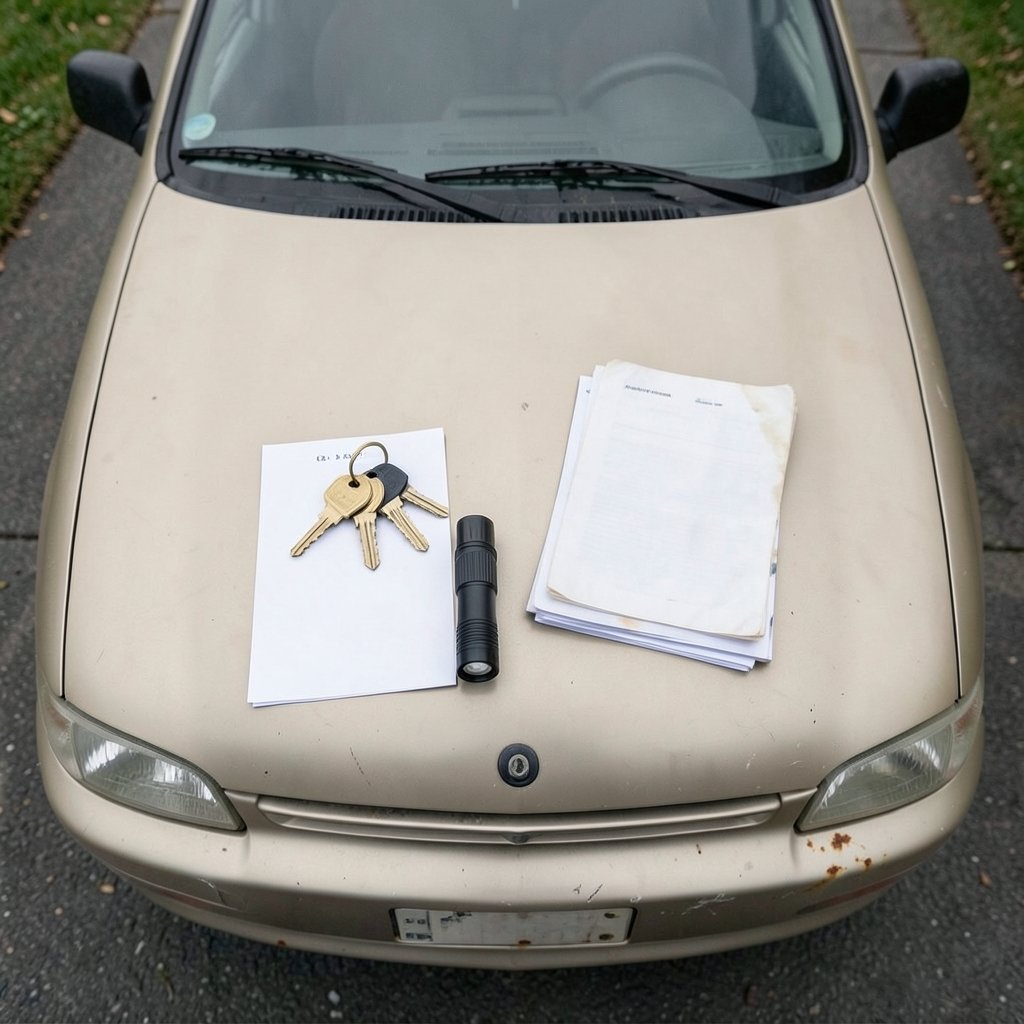
A used car priced under $5,000 can still start every morning, pass inspection, and carry you to work for years. The catch is that this price bracket rewards patience and punishes impulse. Cheap cars are not rare. Cheap cars that aren’t hiding a blown transmission, a salvage title, or a rolled-back odometer are the ones worth hunting for.
The market has shifted hard since 2020. According to Car and Driver’s reporting on used vehicle affordability, the supply of genuinely cheap used cars tightened dramatically during the pandemic-era price surge, pushing the sub-$5,000 segment toward older, higher-mileage vehicles than buyers would have found a decade earlier. That doesn’t mean the segment is dead. It means the rules have changed, and buyers who understand them do far better than those who don’t.
What $5,000 Actually Buys in Today’s Market
Five thousand dollars is a real budget, but it is not a generous one. Expect a vehicle that is roughly 10 to 18 years old with 120,000 to 200,000 miles on the clock. You will see sedans, hatchbacks, small SUVs, and the occasional pickup. You will also see a lot of listings that look too good to be true, because they are.
The realistic tiers look something like this:
| Price Range | What You Typically Get | Risk Level |
|---|---|---|
| $1,500–$2,500 | 15+ years old, 180k+ miles, often needs immediate repairs | High |
| $2,500–$3,500 | Older economy cars, cosmetic damage common, deferred maintenance likely | Medium-High |
| $3,500–$4,500 | Solid commuter sedans with service records, minor issues | Medium |
| $4,500–$5,000 | Best-condition examples in the bracket, sometimes private-seller gems | Low-Medium |
The single biggest mistake buyers make is shopping at the top of their budget for the car and leaving nothing for repairs. A $5,000 car with no reserve fund is a $5,000 car that becomes a $6,500 car within three months. Budget $3,800 to $4,200 for the purchase and hold $800 to $1,200 back for tires, brakes, fluids, and the inevitable surprise.
Where the Best Cheap Cars Actually Come From

Most buyers default to online marketplaces, and that’s fine, but the source matters as much as the price. Private sellers in affluent suburbs tend to sell well-maintained older cars at fair prices because they simply want the vehicle gone. Dealerships in this bracket often acquired their inventory at auction, which means unknown history.
Estate sales, family hand-me-downs, and listings in neighborhoods with driveways full of newer cars are consistently the richest hunting grounds. Senior-owned sedans with full service records are the closest thing to a sure bet in this price range. They’re usually driven gently, garaged, and maintained on schedule.
There is also a reason to care about how a car was built and used, as well as what its spec sheet says. The idea that some vehicles are built around experience rather than raw numbers matters even more at this price point: a plain sedan with a documented maintenance history beats a sportier model with a mystery past every time.
The Pre-Purchase Inspection Is Not Optional
If there is one rule that separates buyers who get a good car from buyers who get a money pit, it’s this: never buy a sub-$5,000 car without a pre-purchase inspection. A mechanic charges roughly $100 to $200 to put the car on a lift, scan it for codes, check compression, and look for rust, frame damage, and fluid leaks. That fee is the cheapest insurance in the used-car world. (Used car)
Common mistakes buyers make around inspections:
- Skipping it because the seller seems honest. Honest sellers don’t mind inspections. Dishonest ones invent reasons to avoid them.
- Using a friend with a flashlight instead of a mechanic. Enthusiasm is not a diagnostic tool.
- Inspecting after paying a deposit. Get the inspection before money changes hands, or make the deposit refundable in writing.
- Ignoring the check engine light. A lit light can mean a $40 sensor or a $2,000 catalytic converter. You need to know which.
If a seller refuses an inspection, walk away. There are other cars. There are always other cars. (Cars)
Title, History, and Paperwork Checks
A clean title is worth more than any feature on the car. Before you hand over cash, run a vehicle history report and verify the title in person. Look for salvage, rebuilt, flood, and lemon branding. A rebuilt title isn’t automatically a dealbreaker, but it should cut the price by 30 to 50 percent and it will hurt resale later.
Odometer fraud is a real concern in this bracket. The National Highway Traffic Safety Administration maintains consumer guidance on odometer fraud, including how to spot tampering and where to report it. Practical checks: compare the mileage on the title, the inspection sticker, and the service records. Wear on the pedals, steering wheel, and driver’s seat should roughly match the claimed mileage. A car showing 90,000 miles with a worn-out driver’s seat is telling you something.
Also confirm the seller’s name matches the title. If the seller is flipping a car they never registered, you’re buying a headache. The Federal Trade Commission’s Buyers Guide rule for used cars requires dealers to display whether a vehicle is sold “as is” or with a warranty, so read that window sticker carefully.
Which Models Stretch a $5,000 Budget Furthest
Reliability research pays off enormously here. Brands with strong track records for cheap parts and simple repairs keep total cost of ownership low. Broadly, the models that show up repeatedly on well-maintained high-mileage lists include older Honda Civics and Accords, Toyota Corollas and Camrys, Mazda3s, and certain Ford and Chevrolet sedans that are cheap to fix because parts are everywhere.
Avoid, at this price, anything with a notoriously expensive failure mode: certain CVT-equipped compacts from the 2000s, aging luxury cars with air suspension, and anything European with a timing chain reputation. A $4,000 BMW is a $4,000 BMW plus a $3,000 repair bill waiting to happen.
For a broader look at how reviewers separate genuinely good used buys from badge-driven hype, Voozon’s car reviews and comparisons are a useful starting point before you narrow your shortlist.
Manual vs. Automatic
A manual transmission is often the smarter buy under $5,000. Manuals are simpler, cheaper to repair, and less likely to have been abused than a neglected automatic. They also tend to sell for less because fewer buyers want them. If you can drive stick, you have an edge.
Mileage: When High Is Fine
Highway miles at 180,000 can be gentler than city miles at 110,000. What matters is maintenance. A car with 200,000 miles and a folder of receipts for timing belts, fluid changes, and brakes is a better bet than a 120,000-mile car with no records at all. Ask for records. If there are none, price the car accordingly.
How to Negotiate Without Being a Jerk
Negotiation in this bracket is less about haggling and more about information. Get the inspection report, list the needed repairs with parts and labor estimates, and make a calm offer based on math. “The mechanic quoted $900 for brakes, tires, and a valve cover gasket, so I can offer $3,900” lands better than an arbitrary lowball.
Cash in hand and ready to buy today gives you real bargaining power with private sellers. Sellers in this price range are usually motivated and often deal with flaky buyers. Being decisive and polite wins deals.
A few practical tips that actually work:
- Shop in the middle of the month. Sellers who listed weeks ago are more flexible.
- Bring a printed checklist. It signals seriousness and keeps you from forgetting the basics.
- Test drive for at least 20 minutes, including highway speeds and a cold start.
- Check the tires’ date codes. Four new tires cost $500 or more.
- Ask why they’re selling. The answer tells you a lot.
There’s a creative, founder-minded energy to smart cheap-car shopping that mirrors how resourceful people approach any constrained budget, a theme explored in Voozon’s piece on a new generation of creative founders. Constraints force better decisions.
Red Flags That Should End the Conversation
Some listings aren’t worth a phone call. Walk away from:
- Sellers who won’t meet at their home or a public place with the title in hand
- “No test drives until payment” or “cash only, no inspection”
- Prices dramatically below market for the model and year
- Fresh paint on one panel, mismatched panels, or overspray on trim
- A seller who is not the registered owner and has a vague story
- Sellers who pressure you with “someone else is coming today”
That last one is a classic tactic. Sometimes it’s true. Usually it isn’t. Either way, rushing is how people buy cars with blown head gaskets.
Insurance, Registration, and the True Cost
The sticker price is only part of the number. Budget for sales tax, title and registration fees, and insurance. Cheap older cars are usually inexpensive to insure, but get a quote before you buy using the VIN. Some models carry surprisingly high premiums, and a car you can’t afford to insure is a car you can’t drive.
Also factor in a state safety or emissions inspection if your area requires one. A $4,200 car that fails emissions and needs $700 in repairs is a $4,900 car. Ask the seller whether the vehicle currently passes inspection, and get it in writing if they claim it does.
Conclusion
Cars for sale under $5,000 are still out there, and plenty of them are honest, dependable transportation. The buyers who succeed in this bracket share a few habits: they set aside a repair reserve, they insist on a pre-purchase inspection, they verify the title and mileage, and they walk away from pressure. None of that requires mechanical expertise. It requires discipline.
The market is tighter than it was a few years ago, and the average cheap car is older than it used to be. That makes research more valuable, not less. Pick a shortlist of proven models, hunt in the right places, and treat every listing as a claim to be verified rather than a deal to be grabbed. Do that, and $5,000 still buys a car that gets you where you need to go.
Frequently Asked Questions
What is the best car to buy for under $5,000?
There’s no single answer, but older Honda Civics, Toyota Corollas, and Mazda3s consistently offer the best mix of reliability and cheap parts. The specific car matters less than its maintenance records and inspection results. A well-documented example of a mid-tier model beats a neglected example of a beloved one.
Is it safe to buy a car with over 150,000 miles?
Yes, if it has been maintained. Mileage alone doesn’t condemn a car. What matters is whether timing belts, fluids, brakes, and major components have been serviced on schedule. Always get a pre-purchase inspection, and expect to replace wear items like tires and brakes on any car in this bracket.
Should I buy from a dealer or a private seller under $5,000?
Private sellers usually offer better prices and more honest history, since you can meet the owner and see service records. Dealers offer more legal protection and the FTC Buyers Guide disclosure, but inventory in this bracket is often sourced from auctions with unknown history. Weigh price against paperwork quality.
How much should I budget for repairs after buying?
Plan on $800 to $1,200 for the first year. That covers tires, brakes, fluids, and one unexpected repair. Buy a $4,000 car and keep $1,000 in reserve rather than spending the full $5,000 on the vehicle itself.
Can I finance a car under $5,000?
It’s possible but rarely wise. Interest rates on small subprime auto loans are high, and the loan can quickly exceed the car’s value. Paying cash avoids that trap entirely and gives you more room to negotiate with private sellers.
How do I avoid odometer fraud when buying a cheap car?
Compare mileage across the title, service records, inspection stickers, and vehicle history reports. Check wear on the pedals, seats, and steering wheel for consistency. If numbers don’t line up, walk away and consider reporting the listing to your state’s motor vehicle agency.