
Cars in 2026: How They’re Built, Bought & Driven
 Abdul WadoodLast updated
In 1886, Karl Benz patented a three-wheeled vehicle with a single-cylinder engine producing less than one horsepower. Fewer than 140 years later, the global car fleet numbers well over a billion vehicles, and the average new car sold in Europe carries more computing power than the guidance system of an early space rocket. That leap, from a fragile curiosity to the most consequential machine of the modern world, is the story of cars. It is also a story still being written, because the industry is in the middle of its biggest transformation since the moving assembly line.
This guide covers how cars actually work, how the market is shifting, what to check before buying, and where the whole thing is heading. No hype, no jargon walls, just the practical picture.
What Actually Defines a Car
Strip away the marketing and a car is a surprisingly simple idea: a self-propelled chassis that carries people on roads. The legal definition matters more than the philosophical one, though. Most countries classify a vehicle as a car based on passenger capacity (typically up to eight or nine seats), gross weight, and whether it is designed primarily for road transport rather than cargo. (Car)
The core systems have not changed in a century, even if their execution has:
- Powertrain: the engine or motor, transmission, and drive axles that turn fuel or electricity into motion.
- Chassis and suspension: the structural frame plus the springs, dampers, and linkages that keep the wheels planted.
- Steering and braking: the two systems that determine whether a car is safe or merely fast.
- Body and interior: crash structure, aerodynamics, seating, and increasingly, screens.
- Electrical architecture: once a humble battery and fuse box, now the nervous system carrying dozens of networked computers.
What has changed is the balance between these systems. Software now touches everything from pedal feel to battery thermal management, which is why modern cars age differently than older ones: the hardware may hold up for fifteen years, while the infotainment system feels ancient in three.
The Big Shift: Electrification and Its Real-World Tradeoffs

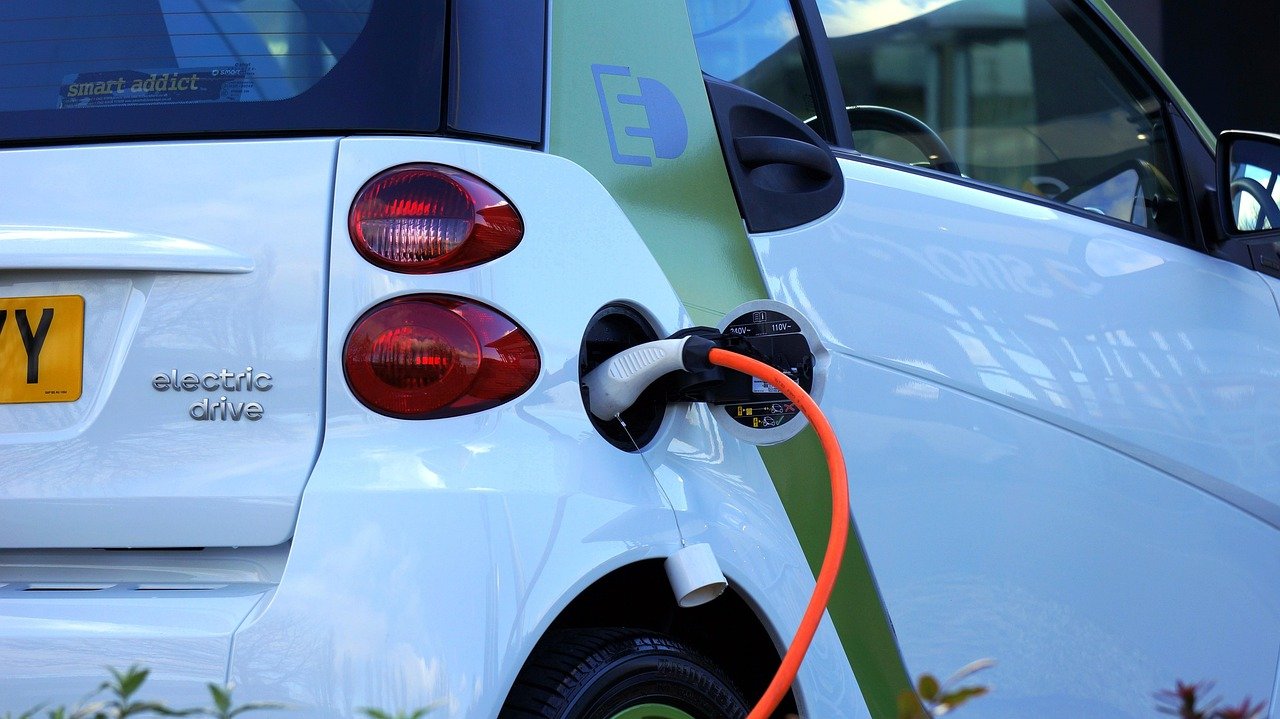
Battery-electric vehicles have moved from niche to mainstream in most major markets. Governments in Europe, the UK, California, and parts of Asia have set targets to phase out new fossil-fuel car sales, though several of those dates have been revised as political priorities shifted. The direction of travel is clear; the timetable is not.
Here is the honest comparison buyers actually need:
| Factor | Petrol or Diesel | Battery Electric | Hybrid |
|---|---|---|---|
| Upfront cost | Lower | Higher, narrowing | Middle |
| Running cost per mile | High | Low (home charging) | Moderate |
| Refuelling time | 5 minutes | 20–45 minutes (fast charger) | 5 minutes |
| Maintenance | More moving parts | Fewer, but tyre wear is higher | Most complex |
| Cold-weather range | Minor loss | Noticeable loss | Minor loss |
| Best for | Long rural trips, towing | Urban and suburban commuters | Mixed use, no charging access |
The practical mistake people make is buying an EV without checking their real charging situation. Home charging transforms the ownership experience; relying entirely on public rapid chargers is expensive, time-consuming, and genuinely frustrating in dense cities. A hybrid or efficient petrol car often makes more sense for someone who parks on a street with no charger and drives 300 miles a week.
How Cars Are Designed Around Experience
There is a useful distinction between a car that scores well on a spec sheet and a car that feels good to live with. The former is measurable: horsepower, boot volume, crash-test stars. The latter is about how the seat holds you on a long drive, whether the climate controls are physical buttons or buried in a menu, and how much road noise reaches the cabin at motorway speed.
This is where careful reviews earn their keep. Specs tell you a car can do something; experience tells you whether you will enjoy it daily. Publications that focus on the cars built around experience tend to weigh ergonomics, visibility, and ride quality alongside raw numbers, which is closer to how most people actually judge a purchase. (Voozon Cars)
A few design details worth checking on any test drive, because brochures never mention them:
- Sit in the back seat yourself. Legroom figures lie; seat height and floor shape do not.
- Turn the climate control on and off while driving. If it takes three menu taps, you will resent it by month two.
- Park it in a tight space. Visibility and mirror placement matter more than camera resolution.
- Drive over a rough surface at low speed. This is where cheap suspension setups reveal themselves.
- Check the boot with the seats up, not down. The headline figure usually assumes the seats are folded.
The Used Car Market: Where Most Buyers Actually Shop
New cars get the headlines, but the majority of buyers worldwide purchase used. That market rewards preparation and punishes optimism. The single most valuable habit is getting an independent inspection before money changes hands, ideally by a mechanic who does not work for the seller.
Common mistakes, in rough order of how often they cost people money:
- Buying on emotion at the first viewing. Always see at least two examples of the same model; the comparison is what reveals a bad one.
- Skipping the service history. A stamped, consistent record is worth more than low mileage with gaps.
- Ignoring tyres. Four matching, recent, quality-brand tyres tell you the previous owner spent money on maintenance. Mismatched budget tyres tell you the opposite.
- Not checking for outstanding finance or accident repair. A cheap paint job can hide structural work.
- Test-driving only on smooth roads. Take it on a motorway and a rough back street.
Electric used cars add one more step: ask for a battery health report. Degradation varies enormously with climate and charging habits, and a replacement pack can cost a significant fraction of the car’s value.
Running Costs Nobody Warns You About
Depreciation is usually the largest cost of car ownership, often dwarfing fuel and insurance combined. A new car can lose a substantial share of its value in the first three years, and the models that hold value best tend to be boring, reliable, and in steady demand rather than exciting.
The full cost picture includes:
- Depreciation: the silent giant, biggest in years one to three.
- Insurance: heavily dependent on repair costs, theft rates, and your postcode.
- Fuel or electricity: varies enormously with driving style; aggressive acceleration can cut efficiency noticeably.
- Maintenance and tyres: EVs save on oil and brakes but chew through tyres faster due to weight and torque.
- Taxes and fees: registration, road tax, and congestion charges vary wildly by country and are changing as governments replace fuel duty revenue.
For anyone comparing models side by side, detailed car reviews, comparisons and buying guides are a faster route to real-world figures than manufacturer claims, which are measured under optimistic test conditions.
Safety: What the Ratings Actually Measure
Crash-test programmes such as those run in Europe and the United States have driven enormous improvements in occupant protection over three decades. But ratings deserve careful reading. A five-star score reflects performance in specific tests at specific speeds; it does not guarantee equal protection in every real-world crash, and older five-star cars are often less safe than newer four-star ones because the tests themselves have become tougher.
Active safety matters just as much as crash structure. Automatic emergency braking, lane-keeping assistance, and blind-spot monitoring have measurable real-world effects on collision rates. The catch is that these systems vary widely in quality. Some intervene smoothly and rarely; others brake for shadows or tug the wheel on narrow roads. A test drive should include deliberately triggering them, in safe conditions, to see how they behave.
One underrated safety factor is simple: visibility. Thick pillars and high waistlines look dramatic but create blind spots. Reversing cameras help, but they do not replace the ability to see out of the car.
The Software-Defined Car and Its Complications
Modern cars run on dozens of electronic control units communicating over internal networks, and increasingly they receive over-the-air updates. This brings genuine benefits: recall fixes delivered remotely, features improved after purchase, navigation that stays current without a dealer visit.
It also brings new problems. Features that were standard can become subscription services. A software bug can disable a car entirely. Repair information can be locked behind manufacturer systems, pushing independent garages out of the market. And privacy is a live concern: modern cars collect substantial data about location, driving behaviour, and connected phones, and research by consumer groups has repeatedly found that owners have limited control over what is gathered.
Buyers should ask three questions before signing: What data does the car collect and can I turn it off? Which features require an ongoing subscription? Can my local independent garage service it, or am I locked into dealer pricing?
Where Cars Are Heading Next
Three forces will shape the next decade. First, cost pressure: Chinese manufacturers have scaled aggressively and are competing hard on price in export markets, forcing established brands to cut costs and rethink model line-ups. Second, charging infrastructure: the pace of public charger build-out, not battery technology, is the binding constraint on EV adoption in many regions. Third, regulation: emissions rules, safety mandates, and urban access restrictions are increasingly deciding which cars can be sold and where they can be driven. (Automobile)
Fully self-driving cars remain further away than the most bullish predictions suggested a decade ago. Assisted driving is genuinely useful on motorways; unsupervised autonomy in mixed city traffic is still rare and geographically limited. The gap between “the car helps” and “the car drives” is enormous, and marketing language often blurs it.
What seems certain is that cars will remain central to how people move, even as the technology underneath them changes. The form factor survives because it solves a problem nothing else solves as well: getting a person, their family, and their stuff from any door to any door, on their own schedule.
Conclusion
Cars reward a little scepticism. The spec sheet is a starting point, not a verdict. The brochure range is not the winter range. The five-star rating is not a guarantee. What actually works is a methodical approach: understand your real driving patterns, check charging or fuelling access honestly, drive at least two examples of any model, get an independent inspection on used purchases, and budget for depreciation rather than pretending it does not exist. Whether the answer turns out to be a small electric hatchback, a dependable hybrid, or a well-maintained used estate, the buyers who do the boring homework consistently end up happier than the ones who fall for the showroom shine.
Frequently Asked Questions
Is it cheaper to run an electric car than a petrol one?
Usually, yes, but only if you can charge at home or work. Home charging is significantly cheaper per mile than petrol in most markets, and EVs need less routine maintenance. If you rely entirely on public rapid chargers, the cost advantage shrinks sharply and can disappear altogether.
How many miles is too many on a used car?
There is no fixed number. A well-maintained car with high motorway miles is often a better buy than a low-mileage city car with a patchy service history. Focus on maintenance records, condition, and whether the model has a reputation for longevity. Timing chains, clutches, and suspension components are the items to check at higher mileages.
Do hybrid cars need to be plugged in?
Not all of them. Full hybrids charge themselves from the engine and braking and never need a plug. Plug-in hybrids have a larger battery, need charging to deliver their efficiency benefit, and can be costly to run if you never plug them in. Know which type you are buying.
Are electric car batteries really a long-term worry?
Battery degradation is real but usually gradual. Most modern packs retain the majority of their capacity after eight to ten years, and manufacturers typically warrant them for that period. The bigger practical concerns are cold-weather range loss and the cost of replacement outside warranty, so ask for a battery health report on any used EV.
What is the most important safety feature to look for?
Automatic emergency braking has one of the strongest evidence bases of any active safety system, and it is now standard on many new cars. After that, check crash-test scores for the specific model year rather than the model name alone, since ratings change as tests get tougher.
Will self-driving cars make driving licences obsolete soon?
Not soon. Assisted systems that handle motorway driving are common and useful, but fully autonomous operation in mixed traffic remains limited to small, mapped areas. A licence will remain necessary for the foreseeable future, and drivers are still legally responsible for their vehicles even when assistance is active.