
How to Care for Houseplants While Traveling: 2026 Guide
 Abdul WadoodLast updated
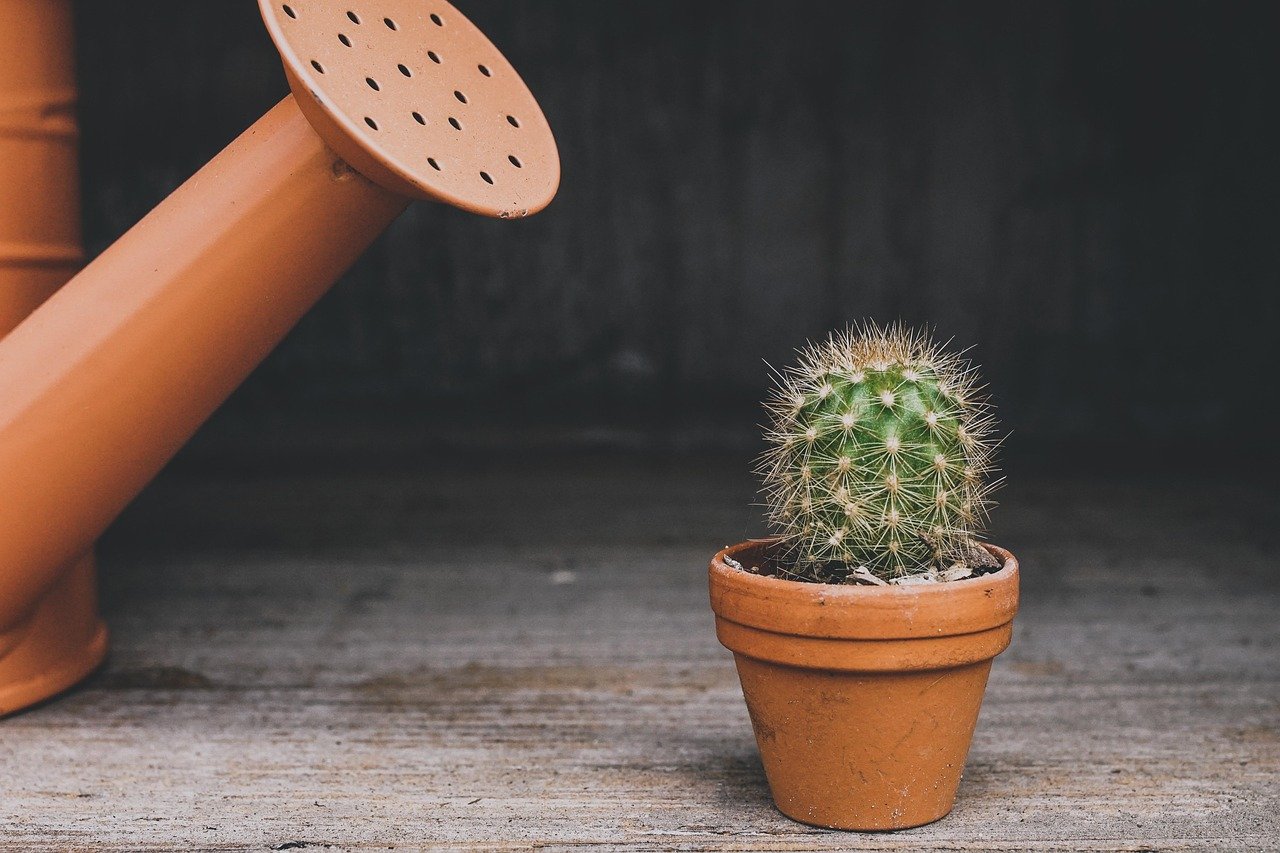
Here’s a number that stops people mid-packing: most common houseplants can survive one to two weeks without water, and succulents and cacti often stretch to three or four. That’s not a green light to abandon everything for a month, but it does mean the panic-driven overwatering that happens the night before a trip is usually the biggest threat to your plants, not your absence.
The goal isn’t to replicate your normal routine. It’s to slow the plant down, give it a deep reserve of moisture, and remove the things that go wrong fastest while nobody’s home. What follows is a practical, species-aware plan that works whether you’re gone for a long weekend or a month.
Start With a Realistic Trip-Length Assessment
Before buying a single gadget, be honest about how long you’ll actually be away and what you’re leaving behind. DIY watering methods get unreliable fast, and the recommended maximum trip length varies wildly depending on who you ask. A wicking system that keeps a pothos happy for ten days may drown a succulent in four.
Use this rough framework as a starting point, then adjust for species, pot size, and light:
| Trip length | Best approach | What to watch |
|---|---|---|
| 3–7 days | Deep water before leaving, nothing else | Overwatering is the main risk |
| 1–2 weeks | Deep soak plus grouping plants together | Small pots dry out first |
| 2–4 weeks | Wicking, drip spikes, or capillary mats | Test the setup days in advance |
| 4+ weeks | A plant-sitter or neighbor | Written instructions beat verbal ones |
Small pots, terracotta, and bright south-facing windows all speed up drying. A large glazed pot in a north-facing room can hold moisture far longer than the calendar suggests. Walk your home and sort plants into “will be fine” and “needs help” piles before you do anything else.
Water Deeply Right Before You Leave
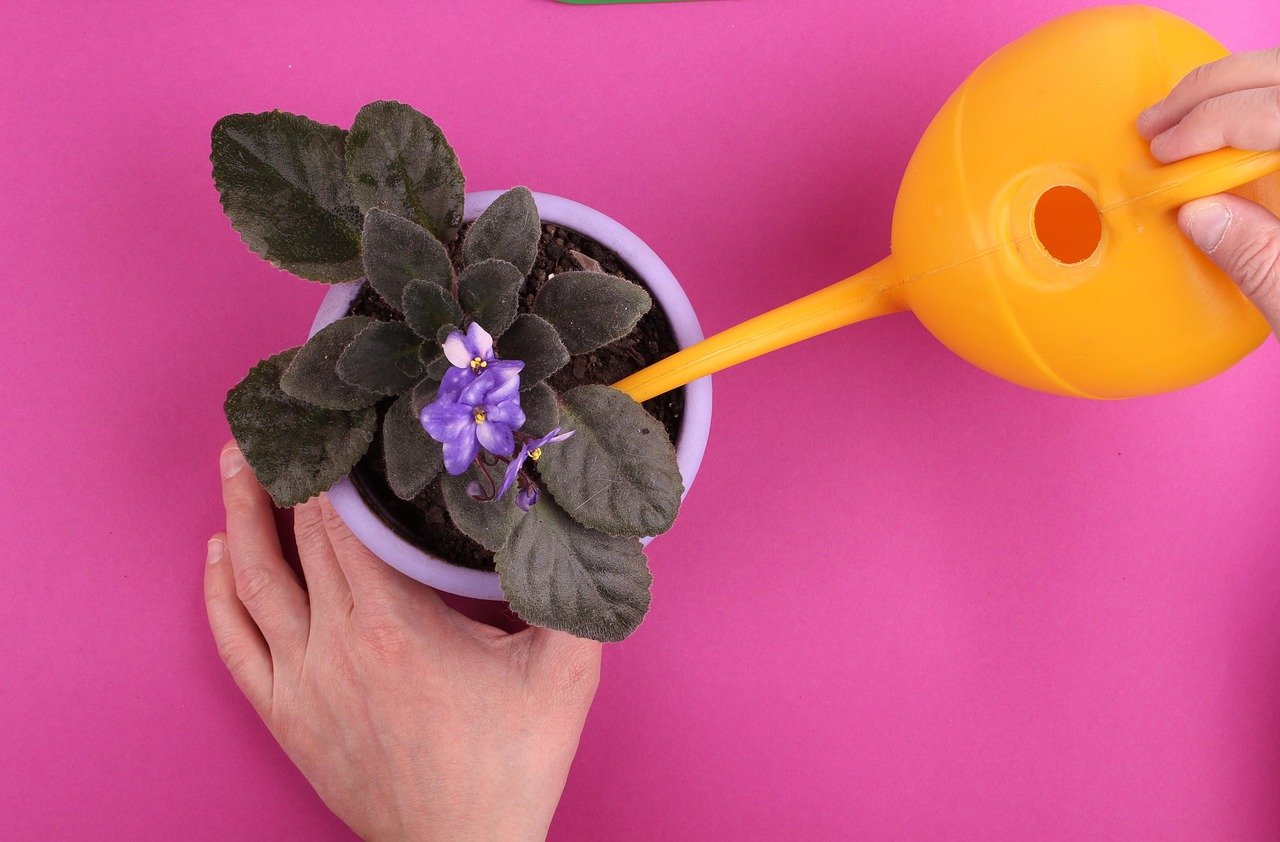
The single most effective move is also the simplest: water thoroughly a day or two before departure rather than lightly on your way out the door. A deep soak reaches the lower roots and saturates the whole root ball, while a quick splash only wets the top inch and evaporates before you’ve cleared security.
A few practical notes from experience:
- Water in the morning, not right before you leave. Plants take up moisture during the day, and foliage has time to dry, which reduces fungal risk.
- Let pots drain fully. Standing water in a saucer is a root-rot invitation, especially in low light.
- Skip the fertilizer. Feeding before a trip pushes soft, tender growth that suffers without care and increases water demand. Hold off until you’re back.
- Check the soil, not the schedule. Stick a finger two inches down. If it’s damp, wait.
One common mistake: watering plants that were already moist because it feels like the responsible thing to do. Overwatering kills more houseplants than neglect ever will. If a plant is already sitting in wet soil, leave it alone.
Group Plants Together to Raise Humidity
Clustering plants into a tight group does two useful things at once. It raises the local humidity around the foliage, and it slows moisture loss from the pots because the microclimate stays cooler and more sheltered. It’s free, it takes five minutes, and it works.
Move the group away from direct sun before you go. Bright, hot light drives transpiration hard, and a plant that scorches while you’re away has no chance to recover until you’re home. Indirect light in a cooler room is the safer bet for a short absence.
This is also the moment to tidy up. Remove dead leaves and spent flowers, wipe dust off foliage so leaves can actually photosynthesize, and inspect the undersides of leaves for pests. A spider mite infestation discovered on day one of a two-week trip is a very different problem than one caught before you leave. (Houseplant)
Choose a Self-Watering Method and Test It First
Self-watering setups get recommended constantly for trips of roughly one to three weeks, and they can work well. The catch is that reliability depends heavily on soil mix, pot material, and the wick or spike you choose. Sources genuinely disagree on best practice here, so treat any method as something to test rather than trust.
Wicking with cotton string. Thread a cotton wick from a water reservoir into the soil. Water travels up the string by capillary action. This works best in moisture-retentive soil and can overwater in a loose, fast-draining mix.
Drip spikes or glass bulbs. These release water slowly into the pot. They’re convenient but can clog, and they tend to concentrate moisture in one spot rather than spreading it.
Capillary mats. A felt or fabric mat sitting in a tray of water lets pots draw up moisture from below. Good for groups of small plants in matching pots.
Whatever you pick, set it up three to five days before you leave and watch what happens. If the soil is sodden after two days, the system is too aggressive for that plant. If it’s bone dry, it’s not working at all. Testing is the step almost everyone skips, and it’s the one that prevents disaster.
Match the Method to the Plant, Not the Other Way Around
A single rule of thumb will fail you because plant needs vary enormously. Succulents and cacti store water in their tissues and actively resent extra moisture. Ferns and calatheas want consistent humidity and will crisp at the edges if the air dries out. Treating them the same is how people lose both.
If you’re still working out what you own, guides to specific types help. Plants with dense curl patterns, like those covered in this 4C hair guide comparison of texture and care needs, follow the same logic as foliage: dense structure holds moisture differently and needs a different touch. The same principle applies to understanding your plants’ structure before you decide how to water them.
For most people, the practical split looks like this: succulents and cacti get no self-watering gadget at all and simply go dry. Tropical foliage plants get grouped and deeply watered. Thirsty, thin-leaved plants get the wicking setup. If you’re unsure which category a plant falls into, err toward doing less. Underwatering is recoverable; root rot often isn’t.
The Bathroom Method and Other Short-Trip Tricks
For trips of a week or less, moving plants into a bathroom with indirect light is a commonly suggested trick. The humidity is higher, the light is gentler, and the plants lose water more slowly. It’s anecdotal rather than experimentally proven, but it costs nothing and does no harm as long as the room gets some light and isn’t a windowless box.
Pebble trays are the other classic. A layer of pebbles in a saucer with water below the pot line raises humidity around the plant without the roots sitting in water. The critical detail is that the pot must sit on the pebbles, not in the water. Skip that distinction and you’ve built a root-rot machine.
What to Do for Long Trips
Once you pass roughly three to four weeks, DIY gadgets stop being reliable and a human becomes the better answer. A neighbor, friend, or plant-sitter will always outperform a glass bulb, because a person can look at a plant and respond.
Make it easy for them:
- Group plants by water need so your sitter isn’t guessing.
- Write a one-page schedule with plant names and clear instructions like “water until it runs out the bottom, then stop.”
- Pre-fill a watering can and leave it out.
- Say explicitly: “It’s better to underwater than overwater.”
- Leave your number for questions.
The most common sitter mistake is overwatering out of enthusiasm. A plant that gets watered twice a week for a month in low light will likely rot. Say so plainly, in writing. (Start Saving)
Common Mistakes That Sink the Whole Plan
A few errors show up again and again, and they’re all avoidable:
- Watering on a schedule instead of checking soil. Calendars don’t know how fast your soil dries.
- Leaving pots in standing water. Saucers full of water plus a closed room equals rot.
- Fertilizing before a trip. It pushes growth that has no support while you’re gone.
- Skipping the pest check. Pests spread fast in a quiet house with no one watching.
- Testing nothing. Every self-watering method needs a trial run.
- Moving plants into full sun “for light.” More light means more water demand, not less.
If you want a broader sense of how much difference the right routine makes, a look at how custom hair care actually delivers shows the same principle at work: matching the approach to the specific need beats a one-size-fits-all product every time. Plants are no different. (Light Brown Hair: Shades, Care & Styling Guide 2026)
A Pre-Trip Checklist Worth Actually Using
Two days out, run through this in order:
- Inspect every plant for pests and remove dead foliage.
- Move the group out of harsh direct sun into bright indirect light.
- Water deeply and let everything drain completely.
- Set up and test any self-watering system.
- Group plants by water need.
- Write sitter instructions if someone’s helping.
- Skip fertilizer entirely.
Then leave. The hardest part for most plant owners is trusting the plan. A plant that looks slightly wilted when you return is fine and will bounce back within days of a good soak. A plant that’s been sitting in water for two weeks usually won’t.
Conclusion
Caring for houseplants while traveling comes down to a few unglamorous habits: water deeply before you go, slow the plant down by moving it out of harsh light, group plants to hold humidity, test any self-watering setup in advance, and hand off to a person for longer trips. Most houseplants tolerate one to two weeks without water, and succulents often go three to four, so the real enemy is usually overwatering, not neglect. Match the method to the plant, resist the urge to do too much, and the plants will be waiting for you, roughly as you left them.
How long can houseplants go without water while I’m away?
Most common houseplants tolerate one to two weeks without watering, especially in cooler months when growth slows. Succulents and cacti often handle three to four weeks. The exact window depends on species, pot size, soil mix, and light levels, so a large glazed pot in a shaded room will outlast a small terracotta pot on a sunny sill by a wide margin.
Is it better to underwater or overwater before a trip?
Underwatering is far safer. A plant that dries out may look wilted when you return but usually recovers within days of a good soak. A plant left sitting in saturated soil for a week or two is at serious risk of root rot, which is much harder to reverse. When in doubt, do less.
Do self-watering spikes and wicks actually work?
They can work well for trips of roughly one to three weeks, but reliability varies with soil type, pot material, and the wick or spike itself. The key step is testing the setup three to five days before you leave. If the soil is soaked after two days, the system is too aggressive for that plant; if it’s bone dry, it isn’t functioning.
Should I fertilize my plants before leaving?
No. Fertilizing right before a trip pushes soft, tender new growth that has no support while you’re gone and increases the plant’s water demand. Hold off on feeding until you’re back and can monitor the plant properly.
Can I just put my plants in the bathroom while I’m away?
For trips of about a week or less, moving plants to a bathroom with indirect light is a popular trick. Higher humidity and gentler light slow moisture loss. It’s anecdotal rather than proven, but it’s harmless as long as the room gets some light and isn’t completely windowless.
When should I ask someone else to water my plants?
Once a trip passes roughly three to four weeks, a plant-sitter is more reliable than any DIY gadget. Leave grouped plants, a written schedule with clear instructions, and an explicit note that underwatering is safer than overwatering. People tend to overwater out of enthusiasm, so say it plainly in writing.