
Best Time to Visit Switzerland: Month-by-Month Guide
 Abdul WadoodLast updated
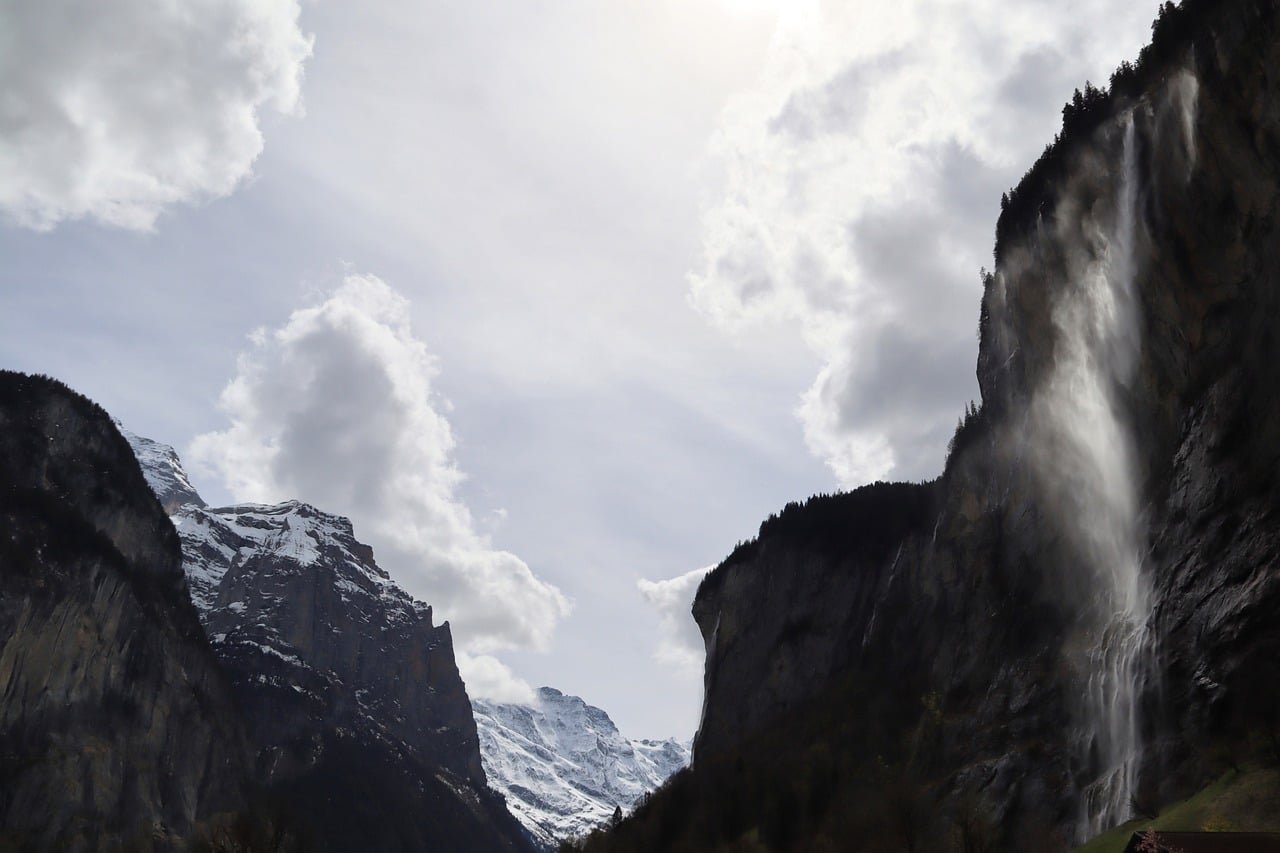
When is the best time to visit Switzerland? The honest answer is that there is no single magic month. The right window depends on whether you want to hike above tree line, ski powder, photograph quiet lakes, or wander car-free old towns without fighting for a table at lunch. Switzerland is small on the map but wildly varied in altitude and microclimate, so a July afternoon in Lugano can feel Mediterranean while the same day on a high pass feels like early spring. (Climate of Switzerland)
This guide breaks the year into periods, explains what actually drives crowds and prices, and flags the mistakes that catch first-time visitors off guard. It leans on official climate and tourism data rather than brochure promises, so the trade-offs are clear before anyone books a flight.
Why “Best Time” Depends on What You Want to Do
Switzerland packs four distinct travel products into one country: alpine hiking, winter sports, lake-and-city sightseeing, and scenic rail journeys. Each peaks at a different moment. Hikers want snow-free passes, usually July to September. Skiers want reliable snow, typically January to March. City travelers often prefer May, June, September, or early October, when terraces are open but tour buses thin out. Rail travelers chasing clear mountain views do best in the shoulder weeks, when haze and afternoon storms are less common.
The country’s official statistics agency tracks overnight stays by month, and the pattern is consistent: arrivals climb sharply from June and peak in July and August, then fall back in autumn. That single fact explains most of the price and crowd pressure travelers notice. If flexibility exists, avoiding the July–August core is the highest-leverage decision anyone can make.
The Peak Season: June to August
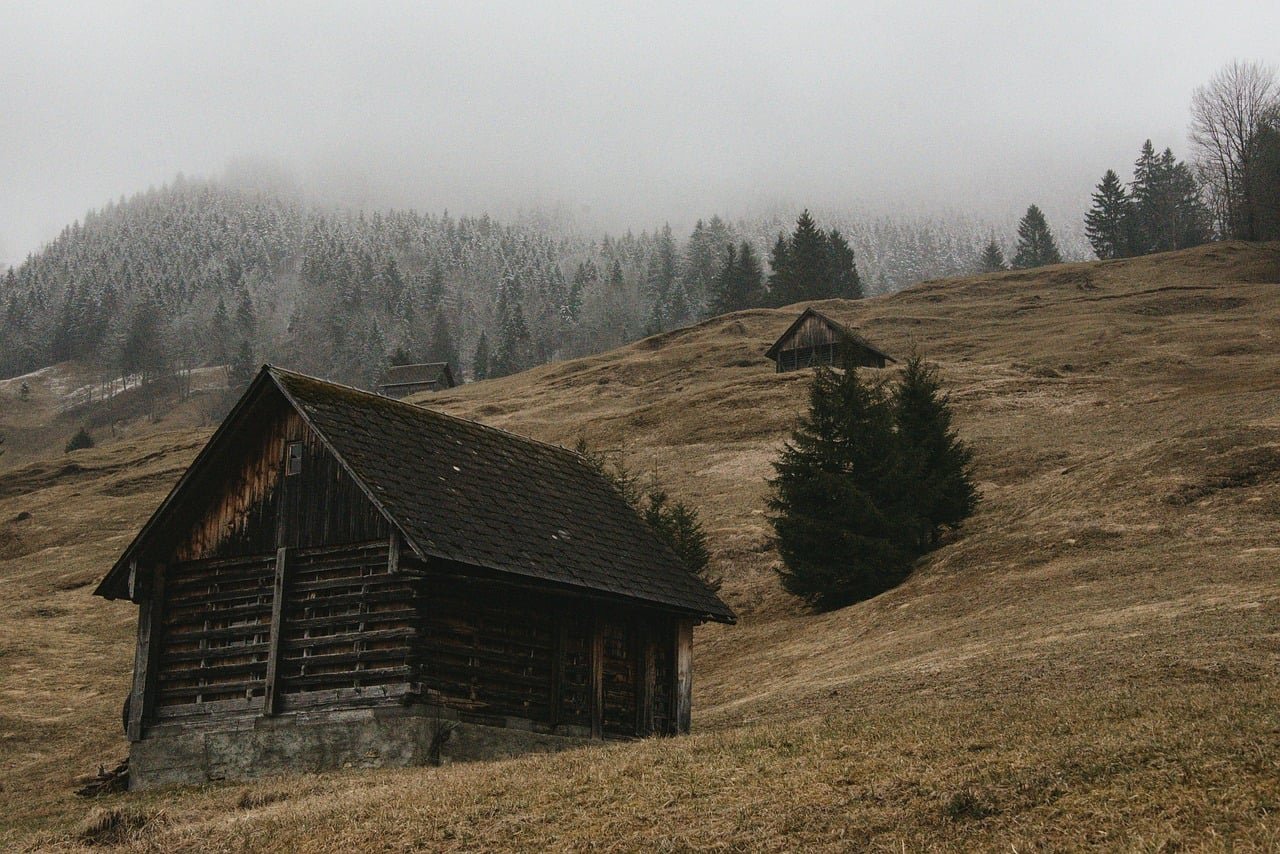
Summer is when Switzerland looks like the postcard. Meadows are green, days are long, and nearly every mountain lift, hut, and lake ferry runs on full schedule. July and August are the warmest months in the lowlands, and the Swiss national tourist board’s seasonal weather overview describes summer as the classic window for hiking and lake swimming.
The catch is volume. Prices for hotels in Interlaken, Zermatt, and Lucerne climb, popular trails get busy by mid-morning, and restaurant reservations become genuinely necessary in resort towns. Afternoon thunderstorms are also a real feature of alpine summers, especially in July. The practical fix is an early start: most summit cable cars open around 8 a.m., and the weather is usually clearest before noon.
A second summer trap is assuming everything is open. Some high-altitude facilities and mountain huts operate on tight seasonal calendars, and snow can linger on north-facing trails into late June. Checking a specific lift operator’s opening dates beats assuming.
The Shoulder Seasons: May, June, September, October
May, June, September, and October are the sweet spot for many travelers. Crowds ease, accommodation rates soften, and the light turns golden. September in particular is a favorite among people who hike seriously: trails are usually snow-free, temperatures are comfortable, and the summer crowds have gone home.
The trade-off is inconsistency. In May, many high mountain lifts are closed for maintenance, and some passes still hold snow. October brings crisp air and early snow dustings up high, but valley fog can sit for days, and daylight shrinks fast. Late October in particular is a gamble for mountain views.
For anyone planning around specific scenery, it helps to compare destinations rather than months in the abstract. A guide to the best places to visit in October, for example, shows how the same country behaves very differently once autumn sets in, with lower valleys and lake towns often outperforming high alpine resorts.
Winter: December to March
Winter splits into three moods. December is festive and dark, with Christmas markets and short days. January and early February are cold, quiet, and often the best value outside holiday weeks. Late February through March brings longer days, stronger sun, and spring skiing conditions.
Snow reliability varies widely by altitude and year. Low resorts can struggle, while high glacier areas usually hold up. Anyone planning a winter trip should read avalanche and snow reports before heading out and not treat them as optional. The WSL Institute for Snow and Avalanche Research publishes daily bulletins that also tell travelers how much fresh snow fell and how stable the snowpack is.
The most expensive weeks of the entire year are typically Christmas through New Year and the February school-holiday period, when domestic and neighboring-country families travel at once. Booking those weeks late is a costly mistake.
| Season | Best for | Crowds | Prices | Main risk |
|---|---|---|---|---|
| June–August | Hiking, lakes, long days | Highest | Highest | Afternoon storms, booked-out hotels |
| May–June | Wildflowers, city breaks | Moderate | Moderate | Closed high lifts, lingering snow |
| September–October | Hiking, photography, quiet | Low to moderate | Moderate | Fog, early snow, shorter days |
| December–March | Skiing, Christmas markets | High in holidays | High in holidays | Snow reliability, short daylight |
Month-by-Month Snapshot
January is cold and quiet, ideal for ski resorts and spa towns, with the lowest prices outside holiday weeks. February is peak ski season and the busiest school-holiday month. March brings spring skiing and warmer sun, though lower slopes get slushy. April is the quietest month overall: many lifts and huts close, and villages feel half-asleep. May is green and blooming in the valleys, but high terrain remains unreliable.
June opens the hiking season properly, with long days and manageable crowds early in the month. July and August are warmest and busiest. September is arguably the most balanced month for outdoor travel. October is moody and photogenic, with autumn color in the valleys. November is the grayest, cheapest, and most closed month, best suited to cities and museums. December brings festive atmosphere and the start of ski season.
For travelers weighing a winter escape against a summer one, a look at the best February travel windows and how to time them shows how much difference a single week makes during school-holiday periods.
Weather Realities and Altitude
The single biggest planning error is treating Switzerland as one climate. Altitude changes everything: a village at 500 meters might be 15°C while a summit at 3,000 meters is below freezing with wind chill. Packing layers, waterproofs, and real shoes matters more than any month choice.
Official climate normals from the Federal Office of Meteorology and Climatology give the most reliable month-by-month picture of temperature and precipitation by station, which is far better than relying on generic averages. Weather also shifts fast in the Alps: a clear morning can turn to cloud and rain by 2 p.m. Building a flexible plan, with an indoor backup for each day, is what experienced travelers actually do.
Holidays, Crowds, and Prices
Swiss National Day on 1 August is a federal public holiday, marked by fireworks and celebrations, and it fills lakeside towns. Beyond that, holidays are cantonal, not national, which means “the country is closed” claims are almost always wrong. The official Swiss government portal explains which holidays apply where, and checking the specific canton avoids surprises.
School breaks are staggered by canton too, which spreads domestic demand but still concentrates it in February and July. Booking accommodation three to six months ahead is normal for peak weeks; shoulder-season trips can often be booked a few weeks out without pain.
Practical Tips That Actually Work
- Start outdoor days early, ideally on the first lift or before 8 a.m., to beat both crowds and afternoon weather.
- Buy mountain transport passes only after checking which lifts are actually running that week.
- Keep one flexible day per trip for weather swaps between mountains and cities.
- Reserve dinner in resort towns during July, August, and holiday weeks.
- Check pass status before any scenic drive; high passes close with snow and reopen on their own schedule.
- Carry cash for small mountain huts, which do not always accept cards.
A common mistake is overpacking the itinerary. Trying to see Zermatt, Lucerne, and the Engadin in five days means spending half the trip on trains. Fewer bases, longer stays, and one region per trip consistently produce better experiences. The same principle applies to daily planning: a practical guide to stopping over-scheduling your life is surprisingly relevant to travel, because buffer time is what turns a rushed checklist into an actual holiday. (MeteoSwiss)
Matching the Season to the Trip
For first-time visitors who want mountains, lakes, and cities in one trip, late June or early September are the safest bets. For skiers, mid-January to mid-March offers the best snow-to-crowd ratio. For budget travelers, April and November are cheapest but come with closures. For photographers, October and February offer the most dramatic light and fewest people. For families tied to school calendars, July and February are unavoidable, so booking early and choosing less famous resorts pays off.
Travelers combining Switzerland with a wider European trip can also align seasons across borders. A guide to the best places to visit in November for sun, for instance, shows how nearby regions can rescue a gray alpine week with warmer alternatives a short flight away.
Conclusion
The best time to visit Switzerland is not a date on a calendar but a match between season and purpose. Summer delivers the classic alpine experience at peak prices and crowds. September and June offer the best all-round balance. Winter rewards skiers who accept variable snow and holiday pricing. April and November are cheap but quiet to the point of closed. Decide what the trip is for, check official climate and snow data rather than assumptions, book peak weeks early, and leave room for weather to rewrite the plan. That flexibility, more than any month, is what makes a Swiss trip work.
Frequently Asked Questions
What is the best month to visit Switzerland for the first time?
Late June and early September are the strongest all-round choices. Both offer open mountain transport, comfortable temperatures, and fewer crowds than July and August, which makes them easier for first-time visitors balancing cities, lakes, and alpine day trips.
Is Switzerland expensive to visit in summer?
Yes, July and August are the most expensive months for accommodation, especially in famous resort towns. Booking months ahead, staying in smaller villages, and using regional transport passes all reduce the cost noticeably.
Can you visit Switzerland in November?
Yes, but expect closures. Many mountain lifts and huts shut down, valley fog is common, and some resorts feel empty. Cities, museums, and spa towns work well, and prices are at their lowest of the year.
When is ski season in Switzerland?
Ski season generally runs from December through March, and snow is most reliable from January to mid-March. Christmas week and the February school holidays are the busiest and priciest periods, so book early.
Do I need to worry about altitude sickness?
Most visitors stay in valleys and mid-altitude villages where altitude sickness is rare. Problems usually appear only with rapid ascents above roughly 2,500 to 3,000 meters, so taking cable cars slowly and watching for headaches or nausea is sensible.
What should I pack regardless of season?
Layers, a waterproof shell, sturdy shoes, and sun protection. Alpine weather changes fast, and a warm morning can turn cold and wet by afternoon at higher elevations, so flexibility in clothing matters more than any single item.
For anyone still deciding between seasons, a simple rule helps: choose the month that matches your main activity, then build the trip around it rather than trying to cover everything at once. Hikers should aim for June through September, skiers for January through mid-March, and city-focused travelers can comfortably use April or November. Checking official climate normals and avalanche bulletins before booking removes most of the guesswork, and leaving one flexible day in reserve turns a rigid itinerary into a resilient one.