
Best Time to Visit Peru: Month-by-Month Guide 2026
 Abdul WadoodLast updated

When should you book that trip to Peru? Ask ten travelers and you’ll get ten answers, because Peru doesn’t have one travel season. It has several, stacked on top of each other across a country roughly the size of Alaska. The dry-season window that makes Andean trekking glorious is the same window that brings crowds to Machu Picchu and pushes permit demand to its peak. The Amazon has its own calendar entirely. The coast barely notices either one. (Climate of Peru)
That’s the core problem with most “best time” advice: it treats Peru as a single destination. It isn’t. The right month depends on whether you’re trekking the Inca Trail, photographing wildlife in the rainforest, or eating ceviche in Lima. This guide breaks timing down by region, flags the trade-offs honestly, and covers the practical details that actually determine whether your trip works.
Peru’s Seasons at a Glance
Peru sits in the Southern Hemisphere, so its seasons run opposite to North America and Europe. But the more useful split is wet versus dry, and that split looks different depending on where you are.
| Region | Dry / Better Season | Wet / Harder Season | What It Means in Practice |
|---|---|---|---|
| Andean highlands (Cusco, Sacred Valley, Machu Picchu) | Roughly May–September | Roughly December–March | Clearer skies, cold nights, heavier crowds in June–August |
| Coastal desert (Lima, Paracas, Trujillo) | Largely rainless year-round | Same | Cool, grey mist roughly May–November; warmer and sunnier December–April |
| Amazon (Iquitos, Puerto Maldonado) | Lower water roughly June–November | Higher water roughly December–May | Boat access and wildlife viewing shift with water levels |
| Southern coast (Arequipa, Colca) | May–September | December–March | Clear canyon views in the dry months |
Two things to note before you plan around this table. First, month boundaries are approximate and vary by source and by year. Second, El Niño–Southern Oscillation cycles can bend the whole pattern, sometimes bringing heavier coastal rain and warmer sea temperatures than a typical year. Seasonal forecasts shift, so check conditions close to departure rather than trusting a chart printed months in advance.
The Andean Dry Season: May to September
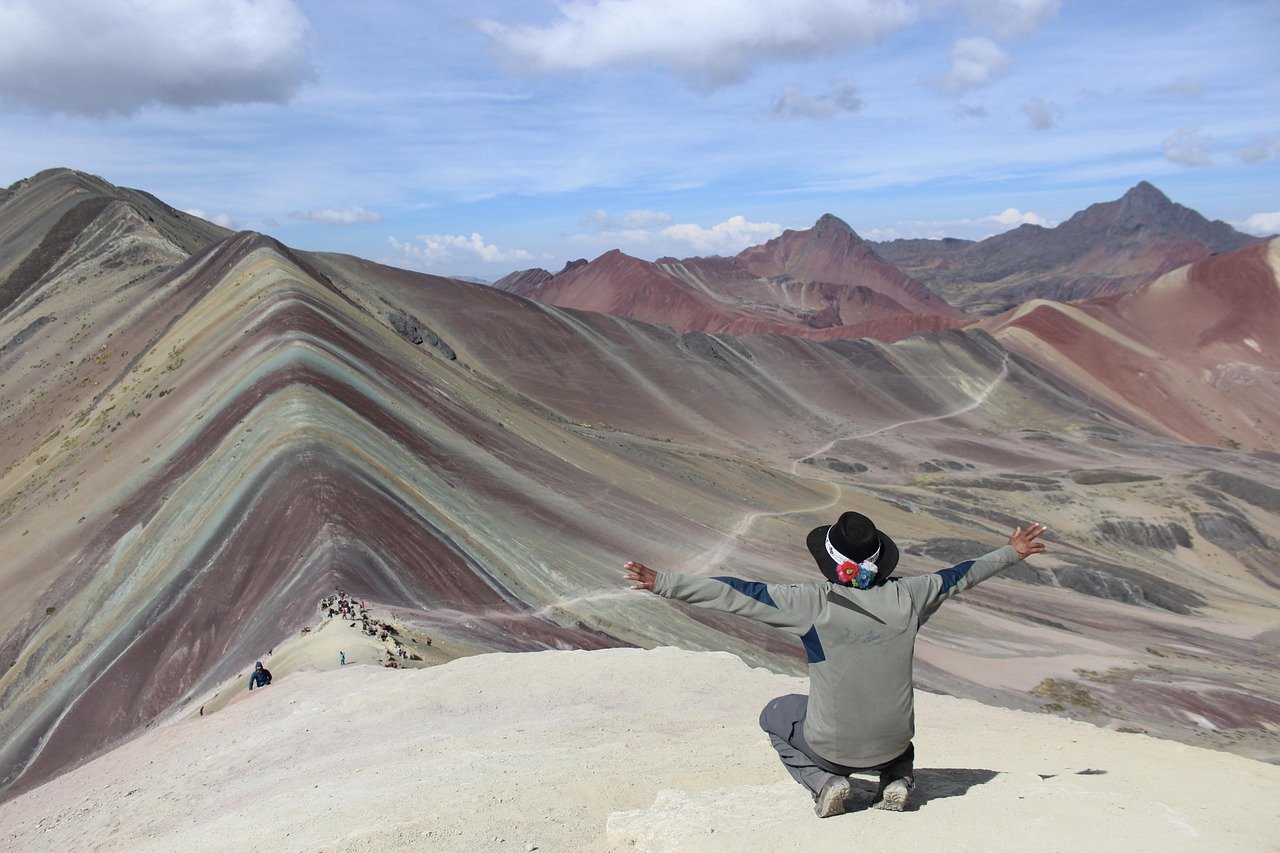
This is the window most travelers mean when they ask about the best time to visit Peru. Skies are clearest, trails are firmest, and the classic treks — Inca Trail, Salkantay, Ausangate — are at their most reliable. June, July, and August are the busiest months, which cuts both ways: infrastructure runs at full capacity, but so do crowds and prices. (CDC Travelers’ Health: Peru)
The catch is cold. Andean nights in June and July can drop below freezing at altitude, and Machu Picchu mornings are chilly even in the dry season. Pack layers rather than assuming “dry” means “warm.”
Shoulder Months: April, May, September, October
Many experienced travelers gravitate to the shoulders. You get mostly dry weather with thinner crowds and softer prices. October in particular often delivers good conditions before the rains settle in. This is a judgment call rather than an official standard, but it’s a widely shared one, and it’s worth taking seriously if you want the Andes without the July crush.
What the Rain Actually Does
December through March brings the heaviest rain to Cusco and the Sacred Valley. That can mean muddy, slippery trails, reduced visibility, and occasional road or rail disruptions. It doesn’t mean the region shuts down. Plenty of people visit Machu Picchu in the wet season and have a fine time, with the bonus of greener landscapes and far fewer people. Just build slack into your schedule and don’t book a tight connection the day after a trek.
Machu Picchu and the Inca Trail: The Permit Problem
At this point, timing depends on logistics rather than weather. Inca Trail permits are capped and the high season sells out months ahead. The daily entry limit includes guides and porters as well as trekkers, which is why the numbers feel tighter than they look. If the Inca Trail is non-negotiable for you, the permit, not the forecast, should drive your dates.
Machu Picchu itself also operates under daily visitor caps and timed entry slots, and those rules have been revised repeatedly over the years. Before you book anything, confirm the current capacity rules and circuit options directly with Peru’s Ministry of Culture, which administers Machu Picchu ticketing and entry. Rules that were accurate two years ago may not be accurate now.
A practical sequence that works:
- Decide whether you need the Inca Trail or whether Salkantay, Lares, or a train-and-bus visit would satisfy you.
- If it’s the Inca Trail, pick your dates around permit availability, then build the rest of the trip backward from there.
- Confirm current Machu Picchu entry rules and timed slots before locking in flights.
- Book acclimatization days in Cusco before any trek, regardless of season.
- Leave a buffer day after the trek before your international flight.
That last point gets skipped constantly, and it’s the one people regret.
Cusco, Altitude, and Acclimatization
Cusco sits around 3,400 meters, and altitude is a year-round factor that no amount of seasonal planning solves. Travelers who fly straight in and start hiking the next morning tend to have a bad time. Give yourself two nights minimum before serious exertion, drink more water than feels necessary, and treat the first day as a write-off for anything strenuous.
This matters more in the rainy season, when you may already be tired from weather delays, and more in the busy season, when you’re more likely to be rushing between bookings. Altitude doesn’t care about your itinerary.
The Coast: Lima and the Desert South
Lima is one of the world’s great food cities, and its climate is strange enough to surprise first-timers. It’s essentially rainless year-round, but from roughly May to November a grey coastal mist called garúa blankets the city. Locals call it “the donkey’s belly” for the low grey sky. It’s cool, humid, and sunless for weeks at a stretch.
If you want blue sky over the Pacific, aim for December through April. If you’re there for ceviche, pisco, and restaurants, the garúa months are perfectly pleasant and often cheaper. Further south, the Colca Canyon and Arequipa are clearest in the dry months, which is when condor sightings and canyon views are at their best.
The Amazon: A Different Calendar Entirely
The rainforest doesn’t follow the Andean pattern. Around Iquitos and the northern Amazon, the year splits into high water (roughly December to May) and low water (roughly June to November).
High water is better for boat travel deep into flooded forest and for spotting wildlife that concentrates as water rises. Low water exposes riverbanks and beaches, makes some fishing easier, and can mean longer walks between the boat and the lodge. Neither season is “wrong.” They’re different trips. Dates shift with rainfall, so ask your lodge which season you’re actually booking into rather than assuming.
Festivals, Crowds, and Prices
Two events reshape the calendar more than any weather pattern. Inti Raymi, the Inca sun festival held in Cusco around June 24, draws big crowds and pushes hotel prices up. Semana Santa, or Easter week, moves each year and fills domestic travel routes. If either falls during your dates, book accommodation early and expect higher prices.
The broader pattern is simple: June through August is peak, December through March is quietest in the Andes, and the shoulders are the sweet spot for value. If you’re weighing timing against other destinations, this piece on how to stop over-scheduling your life makes a useful case for leaving slack in a trip rather than filling every day.
Month-by-Month Quick Reference
| Month | Andes | Coast | Amazon | Crowds |
|---|---|---|---|---|
| January | Wet, quiet | Warm, sunny | High water | Low |
| February | Wettest | Warm, sunny | High water | Low |
| March | Wet, easing | Warm | High water | Low |
| April | Shoulder, good | Garúa begins | Transition | Moderate |
| May | Dry season starts | Garúa | Low water | Rising |
| June | Dry, cold nights | Garúa | Low water | High (Inti Raymi) |
| July | Peak dry | Garúa | Low water | Peak |
| August | Peak dry | Garúa | Low water | Peak |
| September | Dry, easing | Garúa | Low water | Moderate |
| October | Shoulder, good | Garúa | Transition | Moderate |
| November | Rains return | Garúa easing | Rising water | Low |
| December | Wet begins | Sunny | High water | Moderate |
Practical Mistakes That Ruin Timing
The most common error is booking flights first and permits second. Reverse that. The second is assuming shoulder season means empty trails — it means fewer people, not none. The third is underestimating travel time between regions; Peru’s geography is unforgiving, and a “quick” hop from Cusco to the Amazon eats a day.
A fourth mistake is ignoring how much a single festival can reshape a week. If your dates overlap a major event and you haven’t checked, you may find yourself paying peak prices for a room you booked late. And a fifth: treating the rainy season as a dealbreaker. It isn’t. It’s a different trip with real advantages, especially for travelers who value space over guaranteed blue sky.
If your plans extend beyond Peru, the same timing logic applies elsewhere — this guide to the best places to visit in November for sun shows how shoulder seasons behave in other regions.
Pairing Peru With a Wider Trip
Some travelers fold Peru into a longer South American itinerary. If you’re building one, it helps to understand how seasons interact across borders. Costa Rica, for example, has its own dry-season logic, and this season-by-season guide to the best time to travel to Costa Rica is a useful comparison for anyone stacking multiple climates into one trip. The lesson carries over: match your dates to the region you care about most, then let the rest of the itinerary flex.
Conclusion
There is no single best time to visit Peru, and anyone who tells you otherwise is probably selling a July departure. The honest answer is that the right month depends on what you’re doing. For Andean trekking, aim for the dry window of May through September, with April, May, September, and October offering the best balance of weather and breathing room. For Lima’s food scene, the grey garúa months are fine and often cheaper. For the Amazon, decide whether you want high water or low water and plan around that.
Whatever you choose, let the Inca Trail permit and Machu Picchu entry rules drive your dates, not the other way around. Confirm current capacity rules before booking. Build in acclimatization time. Leave a buffer day. Do those four things and the season becomes a detail rather than a dealbreaker.
Frequently Asked Questions
What is the single best month to visit Peru?
If you want one answer, June and July deliver the most reliable Andean weather. They’re also the busiest and most expensive. May and September offer nearly the same conditions with fewer people, which is why many repeat visitors prefer them.
How far ahead should I book the Inca Trail?
The lead time is longer than you might expect. High-season permits often sell out months in advance because the daily cap includes guides and porters. If the Inca Trail is a must for you, treat permit availability as your starting point and book everything else around it.
Is the rainy season a bad time to visit Machu Picchu?
Not necessarily. December through March brings heavier rain and occasional transport disruptions, but also greener scenery, fewer crowds, and lower prices. Build slack into your schedule and avoid tight connections the day after a trek.
Do I need to worry about altitude in Cusco?
Yes, in any season. Cusco sits around 3,400 meters, so give yourself at least two nights before strenuous activity, stay hydrated, and keep your first day light. Altitude affects travelers regardless of weather.
When is the best time for the Amazon?
It depends on what you want. High water, roughly December to May, suits deep boat travel and concentrated wildlife. Low water, roughly June to November, exposes riverbanks and beaches. Ask your lodge which season your dates actually fall into, since timing shifts with rainfall.
How much do festivals affect prices and crowds?
A lot. Inti Raymi in Cusco around June 24 and Semana Santa, which moves each year, both drive up prices and fill routes. Check whether your dates overlap either event and book accommodation well ahead if they do.