
Best Time to Visit Ireland: Seasons & Tips
 Abdul WadoodLast updated
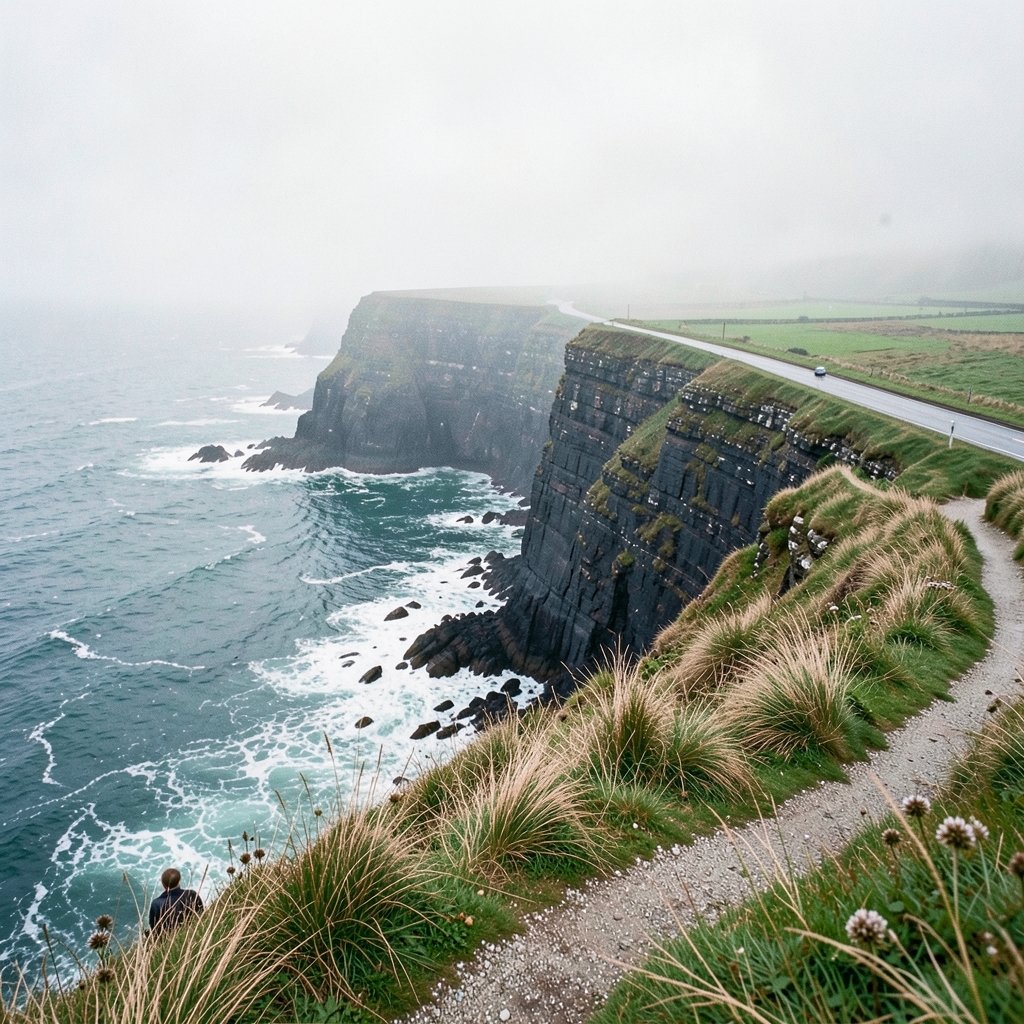
When is the best time to visit Ireland? The honest answer is that it depends on what you want from the trip, because Ireland’s weather, crowds, prices, and daylight shift dramatically across the calendar. A visitor chasing long coastal hikes on the Wild Atlantic Way needs a different month than someone who wants cheap city breaks, trad music sessions, and empty roads. This guide breaks the year into real seasons, explains the trade-offs plainly, and helps travelers pick the window that fits their priorities rather than chasing a single “perfect” month that does not exist.
The Short Answer: Late Spring and Early Autumn Win on Balance
For most travelers, the sweet spot sits in May, June, and September. These months combine reasonable weather, long daylight, manageable crowds, and prices that have not yet hit peak summer levels. May and June bring fresh green landscapes and lengthening evenings, while September keeps much of the summer warmth while schools reopen and family crowds thin out.
July and August are the busiest and most expensive months. They deliver the best odds of dry, mild weather and the fullest festival calendars, but they also bring packed attractions, higher accommodation rates, and heavy traffic on scenic routes. Winter is quiet and cheap but dark and wet, with shorter opening hours in rural areas.
The key insight is that Ireland’s “best” season is a trade-off between weather and crowds, and every traveler weighs those two factors differently.
What Ireland’s Climate Actually Does

Ireland has a temperate oceanic climate, which means mild winters, cool summers, and rain spread fairly evenly across the year. The Gulf Stream keeps winters far milder than the latitude suggests, so snow is rare and hard frosts are limited mostly to inland areas. (Met Éireann: Irish Climate Overview)
Rainfall is the defining feature. The west coast, including counties like Kerry, Mayo, and Galway, is noticeably wetter and windier than the east. Dublin sits in one of the drier parts of the country, which is one reason it works well as a year-round base. Travelers should expect passing showers in every month rather than distinct wet and dry seasons, and should pack waterproof layers regardless of when they visit.
Temperatures are modest. Summer highs typically sit in the mid-to-high teens Celsius (roughly 60s Fahrenheit), and winter averages hover around 4 to 8 degrees Celsius. Heat waves are uncommon, and air conditioning is rare, which matters for travelers used to warmer climates.
Month-by-Month Comparison at a Glance
The table below summarizes the practical trade-offs. Ratings are relative, not absolute, since Irish weather is famously changeable.
| Period | Crowds | Prices | Daylight | Weather Odds | Best For |
|---|---|---|---|---|---|
| Jan–Feb | Very low | Lowest | Short | Wet, cold, windy | Budget city trips, pubs, quiet |
| Mar–Apr | Low to moderate | Low | Growing | Mixed, showery | St Patrick’s Day, fewer tourists |
| May–Jun | Moderate | Moderate | Very long | Mild, reasonably dry | Hiking, road trips, long evenings |
| Jul–Aug | Very high | Highest | Longest | Warmest, still showery | Festivals, coastal scenery, families |
| Sep | Moderate | Moderate | Long | Mild, often pleasant | Balanced trips, good value |
| Oct–Nov | Low | Low to moderate | Shrinking | Wetter, cooler | Autumn colors, quiet cities |
| Dec | Moderate (holidays) | Higher in cities | Shortest | Cold, wet | Christmas markets, cozy pubs |
Spring: St Patrick’s Day and Blossoming Landscapes
March and April mark the transition. Daylight stretches quickly after the spring equinox, and the countryside turns vividly green. Crowds remain light outside Dublin, and accommodation is affordable.
The obvious draw is St Patrick’s Day on 17 March, which triggers a major tourism spike in Dublin and other cities. Travelers who want the parade and atmosphere should book months ahead; those who want quiet should avoid that week entirely. Late April often delivers surprisingly pleasant conditions with far fewer visitors.
One practical tip: spring weather is genuinely unpredictable, so plan flexible itineraries. A rainy morning in Killarney can turn into a bright afternoon, and building in buffer days beats rigid scheduling.
Summer: Best Weather, Biggest Crowds
June through August offers the longest daylight of the year, with evenings bright until close to 11 pm around the summer solstice. That extra light is a real advantage for road trips, late hikes, and exploring coastal villages after dinner.
July and August are peak season. Expect the warmest temperatures, the fullest festival schedule, and the heaviest demand for hotels, tours, and rental cars. Popular sites like the Cliffs of Moher, the Ring of Kerry, and Newgrange can feel crowded midday, so early mornings and late afternoons work better.
If summer is the only option, book accommodation and car rentals well in advance and consider basing in fewer places to reduce driving. Travelers planning a broader European itinerary sometimes pair Ireland with other destinations; a resource like this guide to the best places to visit in Ireland and when to go can help align regional stops with the season. (Climate of Ireland)
Autumn: The Underrated Window
September and early October are arguably Ireland’s most rewarding months for balanced travelers. The summer crowds disperse, prices ease, and the weather often holds. Sea temperatures peak later in the year, and mild, settled spells are common.
Autumn also brings atmosphere: golden light, quieter pubs, and a slower pace in towns like Dingle, Westport, and Kinsale. By late October, daylight shrinks noticeably and rain becomes more frequent, but the trade-off is excellent value and genuine local calm. For travelers who dislike crowds but still want decent weather, September is hard to beat.
Winter: Cheap, Quiet, and Dark
November through February is the budget season. Flights and hotels drop to their lowest, cities stay lively with pubs, museums, and music, and rural Ireland becomes wonderfully empty. Dublin, Galway, and Belfast remain fully functional year-round destinations.
The catch is daylight. Around the winter solstice, Ireland gets roughly eight hours of light, with sunset before 4:30 pm. Many rural attractions and heritage sites run reduced hours or close entirely. Outdoor-focused trips become a gamble against wind and rain.
Winter suits city breaks, cozy pub culture, and travelers who prioritize cost and solitude over scenery. It is a poor fit for first-timers hoping to see the coastline at its best.
Daylight, Time Zones, and Planning Around the Sun
Ireland observes Greenwich Mean Time in winter and Irish Standard Time (UTC+1) in summer, with clocks shifting in late March and late October. This matters more than many visitors expect: a trip in late October can lose an hour of evening light compared with early October.
Practical advice: check sunrise and sunset times for your travel dates before booking long driving days, especially on the west coast where narrow roads slow progress. Build in extra time and avoid planning a full-day scenic drive on a day with an early sunset.
Festivals and Events That Shape the Calendar
Events can make or break a trip’s timing:
- St Patrick’s Day (March) brings huge crowds to Dublin and other cities.
- Bloomsday (16 June) celebrates Joyce in Dublin with literary events.
- Galway International Arts Festival (July) draws major cultural crowds.
- Fleadh Cheoil na hÉireann (August) rotates host towns and fills them completely.
- Christmas markets (December) make Dublin and Galway festive but busy.
If a specific festival is the reason for the trip, plan everything else around it. If not, avoid those dates to sidestep price spikes and full hotels.
Common Mistakes Travelers Make
A few recurring errors trip up visitors planning their first Irish trip:
- Assuming summer means dry. It does not. Rain falls year-round, so pack layers and waterproofs in every season.
- Underestimating driving times. Rural roads are narrow and winding, and a 100 km route can take far longer than expected.
- Booking too tightly. Changeable weather rewards flexibility; cramming five stops into four days leads to exhaustion. A useful counterweight is this piece on how to stop over-scheduling your life, whose pacing logic applies neatly to travel itineraries.
- Ignoring regional differences. The west is wetter and windier than the east; plan accordingly.
- Visiting rural areas in deep winter and finding attractions closed.
Matching the Season to Your Travel Style
Different travelers should choose different windows:
- First-timers wanting the classic experience: May, June, or September.
- Hikers and road-trippers: June for daylight, September for fewer crowds.
- Budget travelers: November through March, accepting short days.
- Festival and culture seekers: summer for events, spring for St Patrick’s Day.
- City-break lovers: any month, with Dublin and Galway reliable year-round.
Travelers extending their trip into autumn or winter might also find value in seasonal destination guides, such as this roundup of the best places to visit in October, which explains how shoulder-season timing changes the experience.
What Actually Works in Practice
Experienced Ireland travelers tend to follow a few habits. They book accommodation and rental cars early for June through August. They keep one flexible day per week for weather contingencies. They favor early mornings at major sites to beat tour buses. And they treat rain as normal rather than ruinous, packing quick-dry layers and a compact umbrella.
The most reliable strategy is to choose a shoulder month, base in two or three regions rather than racing around the island, and let the weather shape each day’s plans. Ireland rewards slow travel far more than checklist tourism.
Conclusion
There is no single best time to visit Ireland, but there is a best time for each traveler. Late spring and early autumn offer the strongest overall balance of weather, daylight, crowds, and cost. Summer delivers the finest conditions but at peak prices and congestion. Winter is cheap and quiet but dark and damp. Decide which factor matters most, plan around the daylight, pack for rain in every season, and Ireland will reward the trip whenever it happens.
Frequently Asked Questions
What is the best month to visit Ireland for good weather?
June and September usually offer the best balance. June has the longest daylight and mild temperatures, while September retains warmth with fewer crowds. July and August are warmer on average but busier and more expensive.
Is it worth visiting Ireland in winter?
Yes, if the goal is cities, pubs, and budget travel. Dublin and Galway stay lively year-round, and prices are lowest. However, daylight is short, rural attractions may close, and coastal scenery is best saved for another season.
How much rain should travelers expect in Ireland?
Rain falls in every month, typically as passing showers rather than all-day downpours. The west coast is wetter and windier than the east. Waterproof layers and flexible plans matter more than picking a “dry” month, since none reliably exists.
What should travelers pack for Ireland regardless of season?
Layers, a waterproof jacket, comfortable walking shoes, and a compact umbrella. Temperatures rarely get extreme, but conditions change quickly. Even in summer, evenings can be cool, especially near the coast.
Is St Patrick’s Day a good time to visit?
It is spectacular but crowded. Dublin fills with parade-goers and prices spike. Book far ahead if attending, or avoid that week entirely if seeking quiet sightseeing and lower costs.
How far in advance should travelers book an Ireland trip?
For June through August, book accommodation and rental cars three to six months ahead. Shoulder months allow more flexibility, while winter trips can often be booked a few weeks out with good availability.