
Best Scenic Drives in Scotland: Top Routes for 2026
 Abdul WadoodLast updated
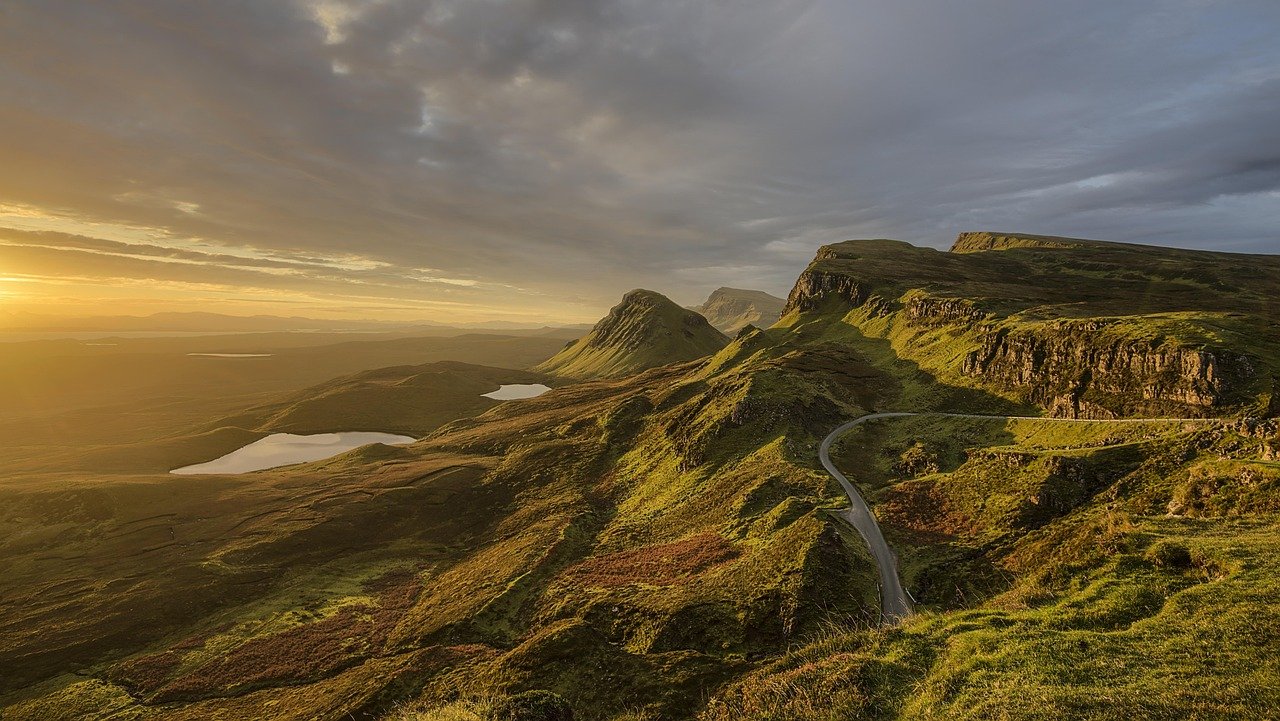
Scotland packs more dramatic scenery into a small country than almost anywhere else in Europe. A single day behind the wheel can take you from sea-level lochs to high mountain passes, past ruined castles and through glens carved by glaciers. That density is exactly why the country has become a driving destination: you are rarely more than an hour from views that would be a national park anywhere else.
But “best” is doing a lot of work in that sentence. The best scenic drive for a confident driver with time to spare is not the same as the best one for a family with a rental car and a tight schedule. This guide breaks down the routes worth your fuel, what each one actually demands of you, and the practical mistakes that catch visitors out.
Why Scotland Rewards Slow Driving
The country’s road network is a mix of fast trunk roads and narrow single-track lanes with passing places — small pull-offs where one vehicle waits so another can get by. On these roads, the posted limit is often irrelevant; the road itself sets the pace. Learning to use passing places properly is the single most useful skill a visitor can pick up, and it is standard guidance from local councils and tourism bodies alike.
The second thing that matters is when you drive. Midges, weather, and daylight all shift dramatically by season. A route that feels magical in June can be genuinely risky in January. Most of the drives below are best attempted between April and October, with winter reserved for the brave and the well-prepared.
The North Coast 500: Scotland’s Signature Road Trip
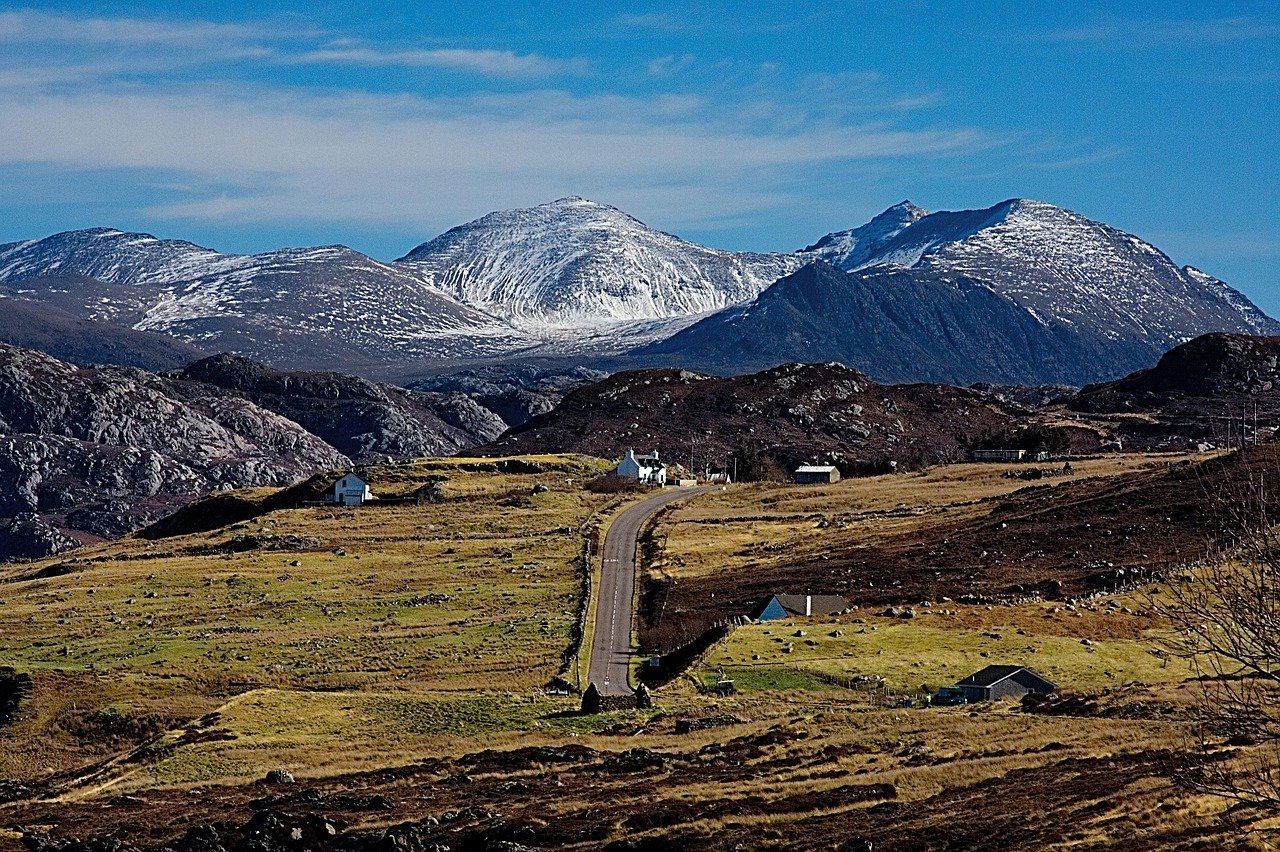
The North Coast 500 is the route that turned the far north into a bucket-list destination. It is a branded touring loop of roughly 516 miles (about 830 km) around the northern Highlands, and it is not a single road — it links existing A-roads and lanes into one continuous circuit. (Scottish Highlands)
What makes it work is variety. In a few days you pass fishing villages, sea cliffs, white-sand beaches that look tropical until you touch the water, and long empty stretches where the main hazard is stopping too often for photos.
What to Expect in Practice
- Time: Most people need at least five to seven days to enjoy it rather than endure it.
- Traffic: Popular sections get busy in summer, and accommodation books out months ahead.
- Fuel: Fill up whenever you can in the northwest; stations are sparse.
- Weather: Coastal fog and sudden rain are normal, not exceptional.
The most common mistake is treating the NC500 as a race. Drivers who try to complete it in three days spend their whole trip watching the road instead of the scenery. Slower is almost always better here.
Bealach na Bà: The Pass That Tests Drivers
The road over Bealach na Bà on the Applecross peninsula is the closest Scotland comes to an alpine pass. It climbs in a series of hairpin bends, with steep gradients and tight corners, on a single-track road from Tornapress to Applecross.
This is the drive people either love or fear. The ascent rewards you with views across to Skye and Raasay on a clear day, and the descent into Applecross village feels like dropping into another world.
Practical Warnings
- Large vehicles: Caravans, motorhomes, and long wheelbase vans are strongly discouraged or restricted on the pass. Check current guidance before setting out.
- Nerves: If hairpins and sheer drops unsettle you, take the longer coastal road to Applecross instead. It is beautiful in its own right.
- Gears: Use low gears on the descent rather than riding the brakes.
- Conditions: Ice and low cloud can close or spoil the route outside summer.
The single biggest error is attempting the pass in a vehicle that is too big for it. Rental companies and local signage will warn you; take the warning seriously.
Glencoe and the A82: Drama Without the Difficulty
If you want maximum scenery for minimum driving stress, the A82 through Glencoe is hard to beat. It is a trunk road, which means two lanes, proper markings, and none of the single-track guesswork. The glen itself is a designated National Scenic Area, and the surrounding mountains rise in a way that makes the road feel small.
This is the drive for anyone who wants the postcard views without the white-knuckle moments. It also works well as a link between Glasgow and the Highlands, so you can fold it into a longer itinerary rather than making a special trip.
Two tips: stop at the viewpoints rather than pulling over on blind bends, and drive it early in the morning if you want the light and the quiet. By mid-morning in summer, tour buses arrive.
The Cairngorms: High Ground and Long Views
The Cairngorms National Park, established in 2003, offers a different flavour of scenery — high plateaus, pine forests, and wide glens rather than sea cliffs. Several scenic routes thread through the park, and the park authority publishes guidance on where to drive and where to stop.
The appeal here is space. Roads are generally quieter than the west coast, and the countryside feels vast rather than dramatic. It suits travellers who prefer moorland and forest to lochs and mountains, and it is excellent for wildlife spotting from the car.
A word of caution: weather in the Cairngorms changes fast with altitude. Snow can linger into spring on high routes, and fog can drop visibility quickly. Check conditions before committing to a high-level drive.
The Isle of Skye: Spectacular, and Crowded
Skye has become one of Scotland’s most visited destinations, and the driving reflects that. The A87 brings you onto the island, and the Trotternish loop around the north is the classic scenic circuit, taking in dramatic landslip scenery and coastal views.
Visitor pressure has led to parking and traffic management measures in recent years, particularly around the most popular stops. The practical consequence is simple: arrive early, expect to share viewpoints, and never park where you block a passing place or a local’s access.
Skye is the route where patience matters more than planning. You can have a perfect itinerary and still spend twenty minutes waiting for a car park space.
Comparing the Main Routes
| Route | Length/Scope | Difficulty | Best For |
|---|---|---|---|
| North Coast 500 | ~516 miles, multi-day loop | Moderate | Dedicated road-trippers |
| Bealach na Bà | Short pass, high gradient | High | Confident drivers, clear days |
| Glencoe (A82) | Short trunk-road section | Low | Easy drama, families |
| Cairngorms | Multiple park routes | Low to moderate | Quiet scenery, wildlife |
| Skye (A87 / Trotternish) | Island circuit | Moderate | Iconic landscapes |
Single-Track Roads: The Rules That Actually Matter
Most of Scotland’s most beautiful drives involve single-track road at some point, and this is where visitors make the most mistakes. The system is simple once you understand it.
- Use passing places to let faster traffic overtake. Pull in and let them by.
- Never park in a passing place. It defeats the purpose and blocks locals.
- Pass on the left, and if the other driver is closer to the passing place, they should wait.
- Acknowledge courtesy with a wave. It is expected and it keeps the roads friendly.
- Reverse if needed. If you meet someone and there is no passing place, the vehicle nearest one backs up.
The mistake that causes the most friction is treating passing places as laybys. They are not. Locals depend on them to get to work, and blocking one is the fastest way to earn a glare. (NatureScot)
When to Go, and What to Pack
Season shapes every drive in Scotland.
- Spring: Quieter roads, unpredictable weather, snow possible on high ground.
- Summer: Long daylight, busiest roads, book accommodation early.
- Autumn: Excellent colours, fewer crowds, shorter days.
- Winter: Short daylight, ice risk, some routes restricted or closed.
Pack for four seasons in one day: waterproofs, warm layers, water, and a paper map as backup for when signal drops in the glens. Mobile coverage is patchy in exactly the places you most want it.
Fuel, Food, and the Logistics Nobody Mentions
Two practical realities shape any Scottish driving trip. First, fuel stations become scarce in the northwest and on the islands, so fill up whenever you see one. Second, food stops are not evenly distributed; a long stretch of scenic road may have nothing for an hour or more.
The fix is simple: carry snacks and water, and treat every village shop as an opportunity rather than an inconvenience. Drivers who plan fuel and food around the route, rather than assuming services will appear, have a far more relaxed trip.
Conclusion
The best scenic drive in Scotland depends on what you want from the wheel. For a full adventure, the North Coast 500 delivers variety and scale. For a short, sharp thrill, Bealach na Bà is unforgettable on the right day in the right vehicle. For stress-free drama, the A82 through Glencoe is hard to beat, and the Cairngorms offer quiet roads and big skies for anyone who prefers space to spectacle.
What unites all of them is a simple truth: Scotland rewards drivers who slow down, plan for the conditions, and treat the road as part of the destination rather than an obstacle between stops. Get those basics right, and almost any route north of the Central Belt will feel like the best drive you have ever taken.
What is the best scenic drive in Scotland for first-time visitors?
For most first-timers, the A82 through Glencoe is the safest and most rewarding choice. It is a proper two-lane trunk road, so you get dramatic mountain scenery without the pressure of single-track driving or steep hairpins. It also fits easily into a wider itinerary between Glasgow and the Highlands, making it a low-risk way to experience Scotland’s terrain.
How long does the North Coast 500 take?
Most people need at least five to seven days to complete the roughly 516-mile loop comfortably. Three days is technically possible but leaves little time to stop, and the whole point of the route is the stopping. Accommodation in the northwest books out early in summer, so plan well ahead if you want to avoid long detours for a bed.
Is Bealach na Bà safe to drive?
It is safe for confident drivers in appropriately sized vehicles on clear days. The pass has steep gradients and tight hairpins, and large vehicles such as caravans and motorhomes are strongly discouraged or restricted. If narrow roads with sheer drops make you uneasy, take the longer coastal route to Applecross instead, which is scenic in its own right.
Do I need a special car for Scotland’s scenic routes?
No special vehicle is required for most routes, but size matters on single-track roads and mountain passes. A standard car is ideal. Avoid large motorhomes and long vans on routes like Bealach na Bà, and check current guidance before setting out, since restrictions can change.
What is the best time of year for a Scottish road trip?
Late spring and early autumn offer the best balance of daylight, weather, and manageable crowds. Summer brings the longest days but also the busiest roads and the highest accommodation prices. Winter driving is possible but comes with short daylight, ice risk, and some routes restricted or closed.
How do passing places on single-track roads work?
Passing places are small pull-offs that let vehicles pass each other on narrow roads. You pull in to let faster traffic overtake, you never park in one, and you pass on the left. If you meet an oncoming vehicle and no passing place is nearby, the driver closest to one reverses. A quick wave of acknowledgement is standard courtesy.