
Best Places to Vacation in the US: Top Picks for 2026
 Abdul WadoodLast updated

What if the hardest part of a US vacation isn’t the budget or the flights, but simply choosing where to go? The country is enormous. It holds snowy peaks, swampy bayous, desert canyons, island volcanoes and some of the busiest cities on earth. Every destination looks great in a photo. Fewer look great on the day you actually arrive.
This guide takes a different approach. Instead of ranking places by hype, it looks at where the weather, crowds and costs actually line up. It covers the parks, the coasts, the cities and the islands, with honest notes on what each one asks of you.
Why Timing Decides the Best US Vacation
Most travel disappointment comes from a mismatch between a place and a month. A beach town in February and a ski town in July are both fine places having a bad season. The fix is simple: pick the destination and the dates together, not one after the other.
Climate data helps more than vibes here. The US climate normals published by NOAA’s National Centers for Environmental Information give 1991–2020 averages for temperature and rainfall at stations across the country, so you can compare, say, coastal Maine in June against the Florida Panhandle in the same month. It’s not a forecast, but it tells you what a typical week looks like.
Crowds follow their own calendar. School holidays, long weekends and festival weeks can double hotel prices in places that are quiet a fortnight earlier. A destination that feels empty in late September can feel like a queue in mid-July.
The National Parks: Big Scenery, Big Planning
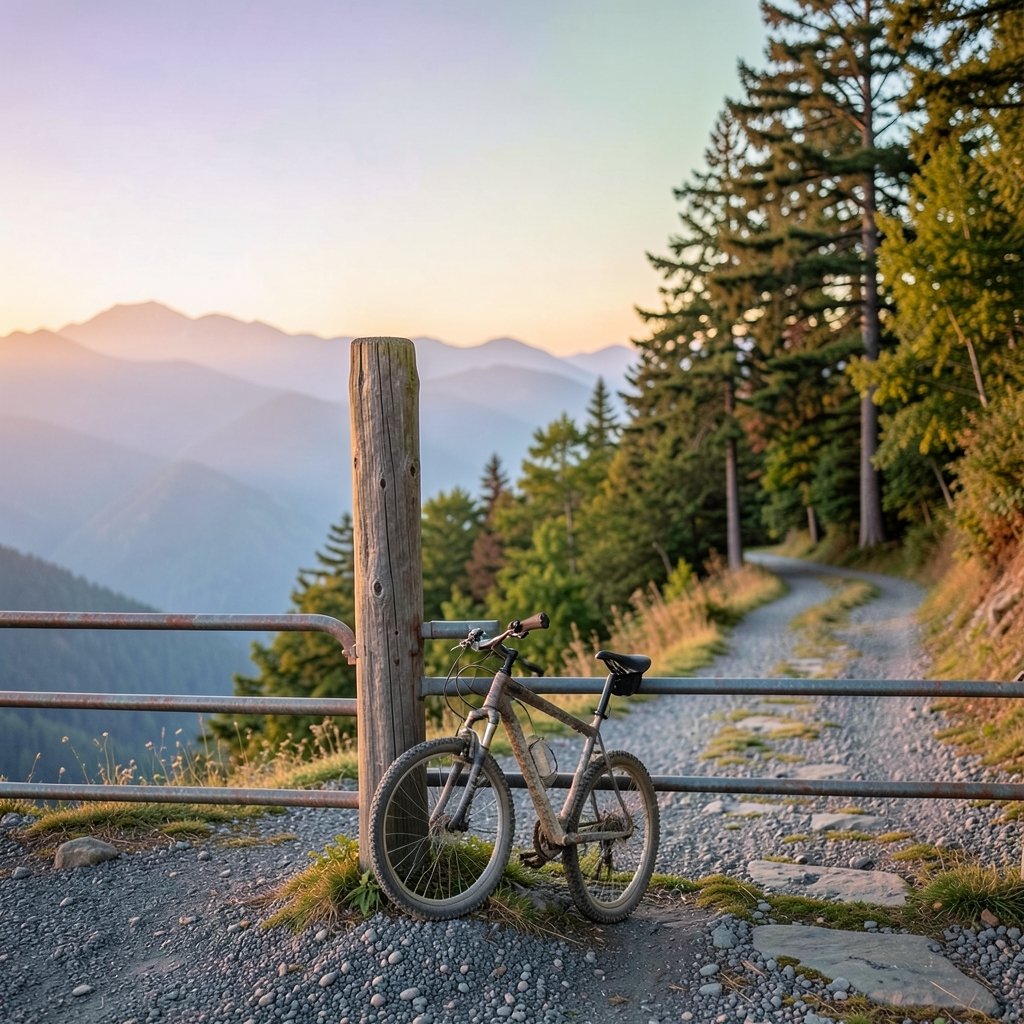
The National Park System drew about 325.5 million recreation visits in 2023, roughly 4% more than the year before, according to the National Park Service‘s official visitation statistics. That growth is the whole story of park travel right now: the landscapes haven’t changed, but the number of people standing in front of them has.
Great Smoky Mountains, Tennessee and North Carolina
The Smokies are the most-visited national park in the country, with about 13.3 million recreation visits in 2023. They are also free to enter, which explains a lot. The park straddles the Tennessee–North Carolina border, with misty ridges, old-growth forest and hundreds of miles of trail.
What works in practice: arrive at trailheads before 8 a.m., especially in October when the leaf color pulls in crowds. Cades Cove, the popular valley loop, is best on a weekday morning or, better, on a bicycle when the road closes to cars. Many first-timers treat the park as a quick scenic drive and leave frustrated by traffic. Give it two full days instead.
Grand Canyon, Arizona
The Grand Canyon is the classic American sight, and the South Rim delivers it without much effort. The mistake is staying only on the rim. Even a short walk down the Bright Angel Trail changes the scale of the place entirely.
Heat is the real risk here. Summer inner-canyon temperatures climb far beyond what the rim feels like, and rescues are common. Hike early, carry more water than feels reasonable, and turn around before you’re tired, not after.
Zion and Rocky Mountain
Zion, in Utah, pairs towering sandstone walls with a shuttle system that keeps the main canyon from gridlock. Rocky Mountain, in Colorado, offers alpine lakes and elk-filled meadows within an easy drive of Denver.
Both parks have used reservation or timed-entry systems in recent years, and rules change from season to season. Check the park’s own page before booking anything else. Travelers who plan a whole trip around a park entrance and then discover they needed a permit are the most common casualties of park travel.
Coastal Escapes That Reward the Shoulder Season
The US coastline runs from rocky Maine to the Gulf’s white sand, and the best value almost always sits just outside peak summer.
| Coast | Best months | Why it works | Watch out for |
|---|---|---|---|
| Maine (Acadia area) | June, September | Cool hiking, fewer cars on Loop Road | Fog in early summer |
| Outer Banks, NC | May, September | Warm water, empty beaches | Hurricane season peaks Sept |
| Florida Gulf Coast | April, October | Dry, warm, reasonable rates | Spring break crowds in March |
| Southern California | Year-round | Steady weather, long coastline | June gloom along the coast |
| Oregon coast | July to September | Dramatic scenery, small towns | Rain the rest of the year |
Florida as a whole reported about 135 million out-of-state visitors in 2023, a record, which tells you how much competition you face for a good room in February. Shifting a beach trip to late April or early October often cuts prices and crowds without losing much warmth.
For travelers who want sun without the summer crush, the logic of shoulder-season beach travel carries over to other warm-weather escapes, and it’s worth studying which months actually deliver rather than assuming summer is best. A look at warm-weather destinations that hold up in the off months, like these November sun destinations that genuinely deliver, shows how much a few weeks of timing can change a trip. (Best Places to Visit in October 2026: Top Picks)
Cities: Culture, Food and the Cost of Convenience
US cities are vacation destinations in their own right, and each one rewards a different style of traveler.
New York City drew about 61.8 million visitors in 2023, with international travel still climbing back toward pre-2020 levels. The city is best treated as a neighborhood trip rather than a checklist. Pick two areas, walk them properly, and let the subway do the rest. First-timers often overbook and spend half their time underground.
Las Vegas welcomed roughly 40.8 million visitors in 2023. Beyond the casinos, the city has become a food and entertainment destination, with day trips to Red Rock Canyon and the Hoover Dam within easy reach. The practical tip: resort fees and parking charges add up fast, so compare the total nightly cost, not the advertised rate.
Other cities that consistently earn their keep include Chicago for architecture and lakefront summers, New Orleans for music and food in spring and fall, and San Antonio for its river walk and mission history. Each has a season where it shines and a season where the weather argues back.
Islands and Long Drives: The Slow Vacations
Hawai’i recorded about 9.6 million visitor arrivals in 2023, still below its 2019 peak. That slight softening is good news for travelers: the islands are busy but not at their old extremes.
Each island has a distinct personality. O’ahu offers city energy and famous surf beaches. Maui mixes resorts with the road to Hāna. The Big Island brings volcanoes and coffee country. Kaua’i is the greenest and most dramatic, with the Nā Pali Coast as its centerpiece.
The common mistake is island-hopping too aggressively. Flights, transfers and packing eat whole days. Two islands in ten days is plenty; one island in seven is often better.
For a different kind of slow trip, consider the great American road routes. The Blue Ridge Parkway threads mountain scenery for hundreds of miles. Highway 1 along the California coast delivers ocean views with constant pullouts. Utah’s Scenic Byway 12 links red-rock country and small towns. These trips work best in spring and fall, when the driving is comfortable and the motels have rooms.
Mountain Towns and Winter Play
Ski towns are vacation destinations twice over: powder hounds in winter, hikers and festival-goers in summer. Places like Aspen, Telluride, Park City and Jackson Hole charge peak rates during ski season and often drop sharply in the shoulder weeks of late April and early November, when many businesses close briefly to reset.
Summer in these towns is arguably the better-kept secret. Wildflowers, cool air and long trails replace snow, and the same lodges cost far less. Families who don’t ski get the scenery without the lift-ticket bill.
How to Choose Without Second-Guessing
A few practical rules separate a good US vacation from a stressful one.
- Match the month to the place, not the other way around. Check typical temperatures and rainfall before you book.
- Book park trips around entry rules. Reservations, shuttles and timed entry can decide your whole day.
- Build in one rest day for every three active ones. Long trips fail from exhaustion more often than from bad planning.
- Compare total costs, not headline prices. Resort fees, parking, baggage and park passes all count.
- Travel the shoulder weeks. Late April, May, September and early October are the sweet spots almost everywhere.
Seasonal timing is the single most useful planning tool, and it pays to think in months rather than moods. A destination that disappoints in July can be transformed in May, before peak-season crowds arrive, when prices are lower and the weather is often at its best.
Health and safety deserve a quick check too. Domestic trips rarely need special preparation, but the CDC’s travelers’ health guidance covers vaccines, insect precautions and food and water advice for any region you’re visiting, and it’s worth a look before a trip to remote or tropical areas.
Matching Destinations to Travelers
Different travelers want different things, and the “best” place changes with the answer.
| Traveler type | Strong picks | Why |
|---|---|---|
| First-time visitors | New York, Grand Canyon, Las Vegas | Iconic, easy to reach, plenty of infrastructure |
| Families with kids | Florida beaches, Smoky Mountains, San Diego | Short drives, beaches, theme parks, gentle trails |
| Outdoor adventurers | Zion, Glacier, Pacific Northwest | World-class hiking and scenery |
| Budget travelers | Smokies, public lands, off-season cities | Free entry, cheap shoulder-season rooms |
| Couples | Kaua’i, Charleston, Napa Valley | Scenery, food, walkable charm |
| Winter travelers | Park City, Aspen, Lake Tahoe | Reliable snow and resort amenities |
Conclusion
The best place to vacation in the US isn’t a single spot on a map. It’s the place where your interests, your budget and the calendar agree. The Smokies reward an early start. The Grand Canyon rewards restraint and water. Coastal towns reward patience for the shoulder season. Cities reward slowing down. Islands reward staying put.
Start with the month, then the region, then the town. Check the park rules before you book the hotel. Leave room in the schedule for a lazy morning. Do those things, and almost anywhere in the country can turn into a trip worth repeating.
FAQ
What is the most popular vacation destination in the US?
By raw visitor numbers, the big cities lead: the New York City area draws tens of millions of visitors a year, and Florida as a whole reported about 135 million out-of-state visitors in 2023. Among natural destinations, Great Smoky Mountains National Park is the most visited, with roughly 13.3 million recreation visits in 2023.
When is the best time to visit US national parks?
Late spring and early fall usually offer the best balance of weather, crowds and access. Many parks are busiest between June and August, and some require reservations or timed entry during peak periods. Shoulder months like May and September often mean easier parking and cooler hiking.
How many days do you need for a US vacation?
For a single city, three to four days is a comfortable minimum. For a national park, plan at least two full days to see more than a viewpoint. For a multi-stop road trip, a week to ten days lets you cover real ground without spending every day in the car.
Is it cheaper to vacation in the US in the off-season?
Usually, yes. Hotel rates in beach towns, ski resorts and park gateway communities often drop sharply outside peak weeks. Late April, May, September and early October tend to deliver the biggest savings along with decent weather. Flights are often cheaper too, especially midweek.
What should first-time visitors know about US park trips?
Check entry rules before booking anything else. Some parks have used timed-entry or reservation systems in recent years, and policies change by season. Arrive early, carry water, and don’t try to see a huge park in a single day. Cell service is often unreliable, so download maps in advance.
Which US destinations work well for a winter vacation?
Ski towns like Park City, Aspen and Lake Tahoe are the obvious picks for snow. For warmth instead, southern Florida, southern Arizona and Hawaii stay mild through the winter months, though they charge peak-season prices. Booking well ahead matters most in February and around the holidays.