
Best Places in Greece to Travel: Top Picks for 2026
 Abdul WadoodLast updated
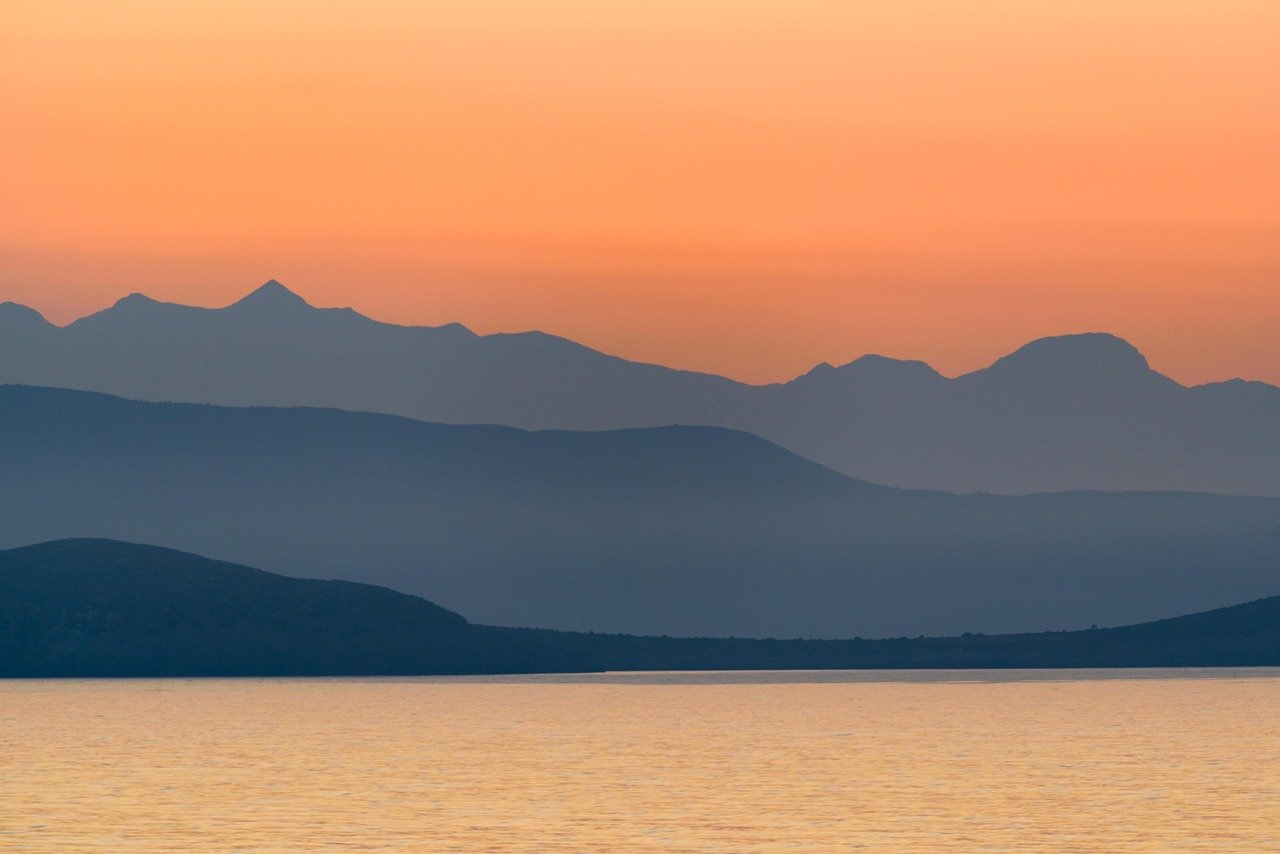
What if the Greece you picture in your head and the Greece you actually book turn out to be two very different trips? It happens more than anyone admits. People fly to Santorini expecting quiet blue domes and find a caldera path packed shoulder to shoulder in August. They book five days in Athens as a “stopover” and discover the city deserves twice that. The country is small on a map but wildly varied on the ground: 6,000-plus islands and islets, mountain monasteries, Bronze Age palaces, and mainland regions most first-timers skip entirely. (Greece)
This guide sorts the best places in Greece by what they actually offer, not by what a postcard suggests. It covers the heavyweights and the underrated picks, with honest notes on timing, crowds, and the mistakes that quietly ruin trips.
Athens: The Acropolis and the City Around It
Athens gets treated as a transit hub, which is a mistake. The Acropolis is the single most important ancient site in the country, crowned by the Parthenon, built between 447 and 432 BCE. Its status as a World Heritage property is documented in detail by UNESCO’s Acropolis of Athens listing, which explains why the site carries such outsized cultural weight.
Practical advice that saves real pain: go at opening time, not mid-morning. The rock has almost no shade, and summer heat builds fast. Timed-entry systems have been introduced in recent years, so buy tickets online ahead of your visit and confirm current rules before you travel. Many travelers also misjudge the Acropolis Museum, which sits below the rock and deserves two hours on its own.
Beyond the antiquities, Athens rewards wandering. Plaka’s back lanes, the flea market at Monastiraki, and the evening scene in Gazi give the city a lived-in energy that resort islands can’t match. Give it two full days minimum.
Delphi: The Oracle and the Mountain Setting
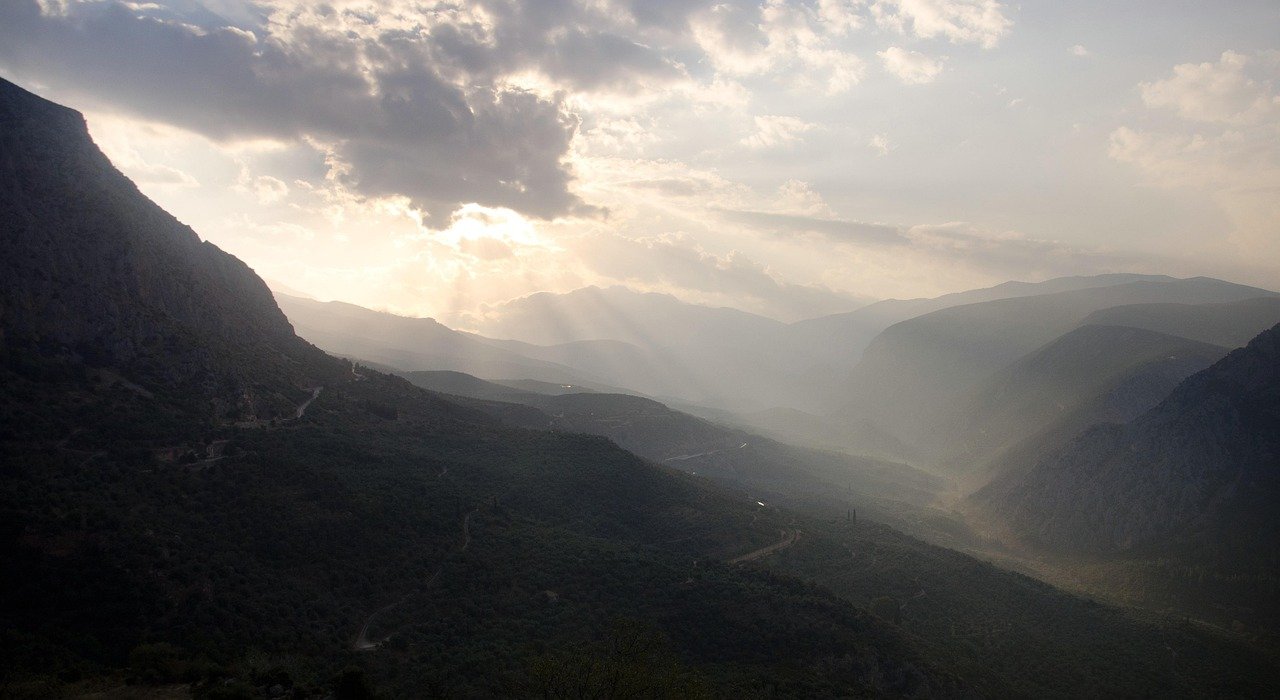
Delphi sits on the slopes of Mount Parnassus, about two and a half hours from Athens, and it was once considered the center of the ancient world. The sanctuary of Apollo hosted the Oracle, consulted by city-states before wars and colonization. The site’s UNESCO World Heritage entry for Delphi covers the sanctuary’s layout and its Pan-Hellenic significance.
What surprises people is the setting. The ruins tumble down a mountainside with valley views that rival the archaeology. Go early, wear grippy shoes (the marble paths are polished slick by centuries of feet), and pair it with the mountain village of Arachova nearby. Delphi works beautifully as an overnight rather than a rushed day trip.
Meteora: Monasteries in the Sky
Meteora is the one place in Greece that genuinely looks impossible. Sandstone pillars rise hundreds of meters from the Thessaly plain, and Byzantine monasteries perch on the summits. The complex has been World Heritage-listed since 1988, and the UNESCO Meteora page explains both the geology and the monastic history.
Two things trip up visitors. First, these are active religious communities, not museums: dress codes apply (shoulders and knees covered), and visiting hours are limited and rotate between monasteries. Second, the light. Photographers should stay overnight in Kalambaka or Kastraki and shoot at sunrise, when tour buses haven’t arrived and the rock formations glow.
Santorini: Spectacular, Seasonal, and Crowded
Santorini earns its fame. The caldera views from Oia and Imerovigli are as dramatic as advertised, and the Minoan site of Akrotiri is a genuinely remarkable excavation. But the island is heavily seasonal, and summer crowds have become a real talking point, with cruise-passenger limits debated in recent years. Check current rules and visitor caps before booking.
What actually works: visit in May, early June, or late September. Stay in Imerovigli rather than Oia for slightly calmer evenings. Skip the famous Oia sunset scrum and watch from a terrace with a glass of Assyrtiko instead. And budget honestly: caldera-view accommodation is expensive, and the island’s popularity has not made it cheaper.
Crete: The Island That Could Be a Country
Crete is the largest Greek island, and it packs in more variety than most countries. The Minoan palace of Knossos, excavated from 1900 by Arthur Evans, sits near Heraklion. The Samaria Gorge, a national park, is typically open roughly May to October depending on weather, and the full hike down to the Libyan Sea takes most of a day.
Beyond those headliners: the Venetian harbor at Chania, the palm beach at Vai, the food culture of the interior villages, and mountain roads that reward slow driving. Crete is also the best island for travelers who want a real trip rather than a resort bubble. Give it a week if you can.
Rhodes: The Best-Preserved Medieval Town in Europe
Rhodes’ Old Town is one of the finest walled medieval cities anywhere, World Heritage-listed since 1988. Walking the Street of the Knights at dusk, with the Palace of the Grand Master lit up, is one of Greece’s great free experiences.
The island suits travelers who want beach and culture in the same day. Lindos, an hour south, offers an acropolis above a swimmable bay. The trade-off is that Rhodes is a major package-tourism destination, so the coast around Faliraki gets busy in high season. Stay inside or near the old town walls for a completely different atmosphere.
Mykonos and Delos: Party Island Plus a Ghost City
Mykonos has a split personality: glamorous beach clubs and nightlife on one side, a photogenic Cycladic town on the other. The nearby island of Delos, a UNESCO-listed archaeological site since 1990, was one of the most important religious centers of the ancient Greek world and is now uninhabited. It’s a short boat ride and a world away.
If nightlife isn’t the draw, Mykonos still works for two or three days of beaches and town wandering, ideally in shoulder season. Just know what you’re buying: it’s the most expensive island in the Cyclades, and prices reflect that.
The Peloponnese: Greece’s Most Underrated Region
Ask seasoned travelers where they’d return and the Peloponnese comes up constantly. This mainland peninsula holds Olympia, birthplace of the ancient Olympic Games and World Heritage-listed since 1989, along with Mycenae (listed 1999) and the theater of Epidaurus (listed 1988), famed for its near-perfect acoustics.
The region’s secret weapon is Nafplio, a elegant seaside town that makes a perfect base. Add the Mani peninsula’s wild landscapes and the beaches of the southern coast, and you have a two-week itinerary that never feels rushed. The Peloponnese is also where you’ll find the best value in Greece, especially outside July and August.
Corfu and the Ionian Islands
Corfu’s Old Town has been World Heritage-listed since 2007 for its Venetian-era architecture, and it shows: arcaded streets, elegant squares, and a distinctly Italianate feel. The island is greener than the Cyclades, with cypress-covered hills and quieter coves.
The Ionian chain as a whole (Kefalonia, Lefkada, Zakynthos) suits travelers who prioritize swimming, scenery, and a slower pace over antiquities. Kefalonia’s Myrtos Beach and the Melissani cave are the standouts.
Quick Comparison: Matching Places to Travelers
| Place | Best for | Ideal timing | Watch out for |
|---|---|---|---|
| Athens | First-timers, history, food | March–May, Oct–Nov | Summer heat, site crowds |
| Delphi | Archaeology, mountain scenery | April–June, September | Slippery marble paths |
| Meteora | Photography, monasteries | May, September | Limited opening hours, dress code |
| Santorini | Couples, caldera views | May, late September | Summer crowds, high prices |
| Crete | Variety, hiking, food | May–June, September | Long driving distances |
| Rhodes | Medieval history, beaches | April–June, October | Package-tour coast crowds |
| Peloponnese | Road trips, value, ruins | Spring, autumn | Underrated, so plan ahead |
| Corfu | Venetian towns, green scenery | May–June, September | Busy in August |
How to Choose Your Timing
Season matters more in Greece than almost anywhere. July and August bring heat, peak prices, and the biggest crowds, especially on the Cyclades. The sweet spots are late April to mid-June and September to mid-October, when the sea is still warm, the light is lovely, and the sites are manageable.
Winter changes the equation entirely. Many island hotels close, ferries thin out, and some archaeological sites run reduced hours. But Athens, the Peloponnese, and Thessaloniki stay fully alive, and prices drop sharply. If your trip is about culture rather than swimming, a November or February visit can be excellent. The same logic applies across the calendar: our guide to the best places to travel in November explains how shoulder-season timing changes a destination, and the same principles hold for Greece.
Families should look at Crete, Rhodes, and the Peloponnese first: shorter transfers, beaches near the sights, and more flexible accommodation. Our roundup of family-friendly destinations covers the criteria that actually matter with kids in tow.
Common Mistakes That Undermine Greek Trips
- Island-hopping without checking ferries. Off-season schedules are sparse, and connections between smaller islands can eat whole days. Build buffer days around every crossing.
- Treating Athens as a layover. Two days minimum, or you’ll regret it.
- Booking caldera views in July. The view is the same in May for a fraction of the price and a fraction of the crowd.
- Skipping the mainland. The Peloponnese and Delphi often outshine the islands for travelers who care about history.
- Ignoring heat and wildfire risk. Summer wildfires have affected travel in recent years, so check official advisories before and during your trip.
- Underestimating distances. Greece looks small on a map, but mountain roads are slow. Plan fewer stops, stay longer.
For travelers weighing a spring departure, the best places to visit in April is a useful cross-check on how early-season timing plays out in practice.
What Actually Works in Practice
The travelers who love Greece most tend to follow a few simple rules. They pick two or three bases instead of six. They book the famous sites for early morning and leave afternoons for beaches and long lunches. They mix one blockbuster (Santorini, Mykonos) with one underrated region (the Peloponnese, Epirus, or the lesser Cyclades). And they build in slack: a ferry delay or a closed monastery hurts far less when the itinerary has room to breathe.
Conclusion
The best places in Greece to travel depend entirely on what you want the trip to do. If it’s ancient history, Athens, Delphi, and the Peloponnese deliver more than any island can. If it’s scenery and swimming, Crete, Corfu, and the Ionians reward slow travel. If it’s the iconic image, Santorini and Mykonos still earn their reputations, provided you visit in shoulder season and know the trade-offs. The one universal rule: go earlier or later than the crowds, choose fewer places, and stay longer in each. Greece rewards depth over checklists every single time.
FAQ
When is the best time to visit Greece?
Late April to mid-June and September to mid-October offer the best balance of warm sea, open sites, and manageable crowds. July and August are hot, crowded, and expensive, especially on the Cyclades. Winter suits city and mainland travel but closes many island hotels.
How many days do you need in Greece?
Ten days to two weeks lets you combine Athens with two or three regions without rushing. A one-week trip works best with a single island plus Athens. Trying to see five islands in seven days usually means spending most of it in transit.
Is Santorini worth the crowds and cost?
Yes, if you time it well. The caldera views are genuinely spectacular and Akrotiri is a major archaeological site. Visit in May or late September, stay in Imeravigli rather than Oia, and accept that caldera-view lodging is expensive.
Which Greek island is best for first-timers?
Crete is the safest bet: it has Minoan ruins, famous gorges, excellent food, and enough beaches to fill a week. Rhodes is a strong alternative if medieval history appeals. Santorini and Mykonos work well as short add-ons rather than full trips.
Do you need to book archaeological sites in advance?
Increasingly, yes. Popular sites like the Acropolis use timed-entry systems, and summer slots sell out. Book online a few days ahead, choose the earliest entry time, and confirm current opening hours and ticket rules before you travel.
Is the Peloponnese worth visiting compared to the islands?
For many travelers, it’s the highlight. Olympia, Mycenae, Epidaurus, and Nafplio offer world-class history with fewer crowds and lower prices than the famous islands. It suits road-trippers and anyone who wants a deeper, calmer Greek experience.