
Best Luxury Plug-In Hybrid SUVs for 2026
 Abdul WadoodLast updated
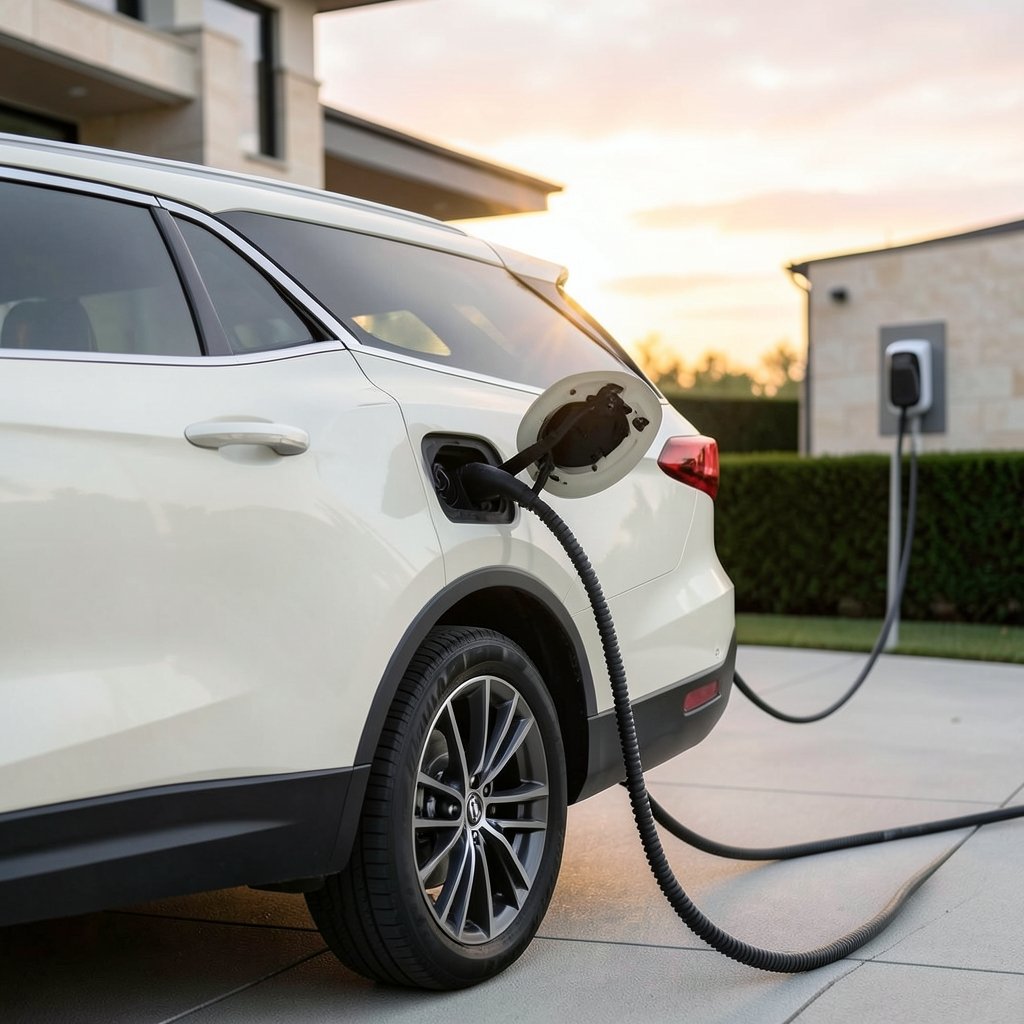
Roughly one in four new vehicles sold in the United States now comes with a plug, and luxury buyers are leading that shift. According to the U.S. Department of Energy’s fuel economy data, plug-in hybrids offer a practical middle path: enough electric range for daily errands, plus a gasoline engine for long trips without charging anxiety. For shoppers who want a quiet, refined cabin and a fuel gauge as a safety net, the best luxury plug-in hybrid SUVs sit in a sweet spot that fully electric models still struggle to match.
This guide breaks down what actually separates a great luxury PHEV from a compromised one, which models deserve a serious look, and the mistakes buyers make when they assume every plug-in hybrid drives the same. The bigger picture of where premium design is heading is worth reading alongside this, especially the ideas in the future of luxury living.
What Makes a Luxury Plug-In Hybrid SUV Worth Buying
Not all PHEVs are created equal. Some deliver 40-plus miles of electric range and smooth, near-silent power. Others manage barely 20 miles and feel sluggish once the battery drains. The difference comes down to a handful of engineering choices.
Electric range is the first thing to check. A PHEV saves fuel in practice only if its electric-only range covers your typical daily driving. For many households, that means 25 to 40 miles. Below that, the gasoline engine kicks in constantly and the efficiency advantage shrinks.
Battery placement matters more than buyers expect. A well-engineered PHEV tucks the battery under the floor, preserving cargo space and a flat load area. A poorly packaged one eats into the trunk or raises the load height. In a luxury SUV, that trade-off is often the difference between “effortless” and “annoying.”
Powertrain integration separates the polished from the rough. The best systems blend electric and gasoline power so smoothly that drivers forget which one is running. The worst lurch or hesitate during the handoff. Test-driving a model with a depleted battery is the only honest way to judge this.
Charging speed is a quiet differentiator. Many PHEVs accept only Level 1 or Level 2 charging, which is fine for overnight home charging. A few support faster top-ups. If you can’t charge at home, a PHEV’s benefits largely evaporate, and a conventional hybrid may serve you better.
The Leading Contenders in the Luxury PHEV Space
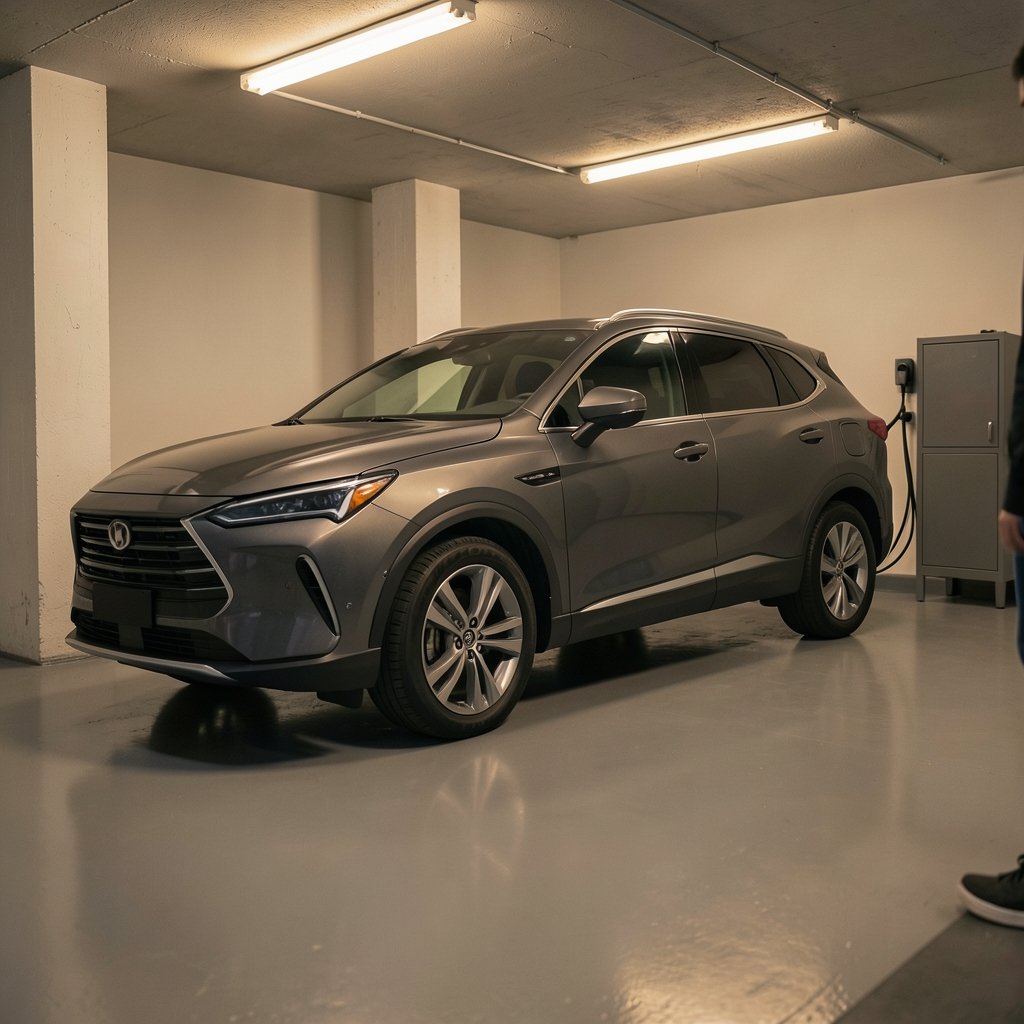
The market has matured fast. Several established luxury nameplates now offer plug-in hybrid versions of their flagship SUVs, each with a distinct personality. The luxury watches, brands and design coverage on Voozon shows a similar pattern in another premium category: craftsmanship and heritage still command a premium, but execution details decide loyalty.
| Model | Approx. Electric Range | Personality | Best For |
|---|---|---|---|
| BMW X5 xDrive50e | 30–40 miles | Sporty, tech-forward | Drivers who want performance with efficiency |
| Volvo XC90 Recharge | 30–35 miles | Calm, Scandinavian | Families prioritizing safety and serenity |
| Porsche Cayenne E-Hybrid | 20–30 miles | Athletic, precise | Enthusiasts who still want a plug |
| Mercedes GLE 450e | 40+ miles | Plush, quiet | Comfort-first commuters |
| Range Rover / Sport PHEV | 30–50 miles | Commanding, off-road capable | Buyers who want presence and capability |
| Lexus TX 550h+ | 30+ miles | Smooth, reliable | Long-term ownership peace of mind |
Range figures vary by model year, trim, wheel size, and driving conditions, so treat any single number as a starting point rather than a guarantee. Official figures from the U.S. Environmental Protection Agency remain the most consistent benchmark for comparing models side by side.
BMW X5 xDrive50e
BMW’s plug-in X5 pairs a forced-induction six-cylinder with an electric motor for a combined output that feels quick. The electric range covers most commutes, and the cabin stays hushed at highway speed. The catch: the ride can feel firm on larger wheels, and the options list inflates the price quickly. (Explaining Electric and Plug-in Hybrid Electric Vehicles)
Volvo XC90 Recharge
Volvo’s flagship PHEV leans into calm. The seats are among the most comfortable in the segment, the materials feel considered, and the safety suite is comprehensive. It isn’t the sportiest choice, but for families hauling kids and gear, that trade-off rarely disappoints. The legacy and design philosophy behind brands like this are explored in luxury fashion houses and their legacy.
Porsche Cayenne E-Hybrid
The Cayenne E-Hybrid exists to prove that efficiency doesn’t have to mean boredom. Its electric range is modest, but the chassis and steering feel sharper than almost anything else in the class. Buyers who prioritize driving engagement over maximum electric miles will find it compelling.
Mercedes GLE 450e
Mercedes engineered the GLE 450e for people who want to spend as little time at the gas station as possible. Its electric range is among the longest in the segment, and the cabin is a genuinely quiet place to spend time. The air suspension smooths rough roads beautifully.
Range Rover and Range Rover Sport PHEV
Land Rover’s plug-in models combine serious off-road hardware with genuine electric capability. The driving position is commanding, the interior is opulent, and the electric range is respectable. The trade-offs are weight and complexity, which show up in running costs over time.
Lexus TX 550h+
Lexus takes a reliability-first approach. The TX 550h+ delivers a smooth, quiet powertrain and the brand’s reputation for long-term durability. It won’t thrill a driving enthusiast, but it may well be the least stressful luxury PHEV to own for a decade.
How to Choose the Right Luxury Plug-In Hybrid SUV
Buying a luxury PHEV is less about specs on a page and more about matching the car to your actual routine. These steps keep the decision grounded.
- Measure your real daily driving. Track a typical week. If most days stay under 30 miles round-trip, a PHEV with that range will run almost entirely on electricity.
- Confirm you can charge at home. A dedicated Level 2 charger transforms ownership. Relying on public charging for a PHEV usually isn’t worth the hassle.
- Test-drive with a depleted battery. This is the single most revealing test. It shows how the SUV behaves when electric assistance is gone.
- Check cargo space against the gasoline version. Battery packaging can shrink the trunk. Bring a stroller or suitcase to the dealership.
- Verify incentives and tax rules yourself. Federal and state clean-vehicle credit rules have changed repeatedly, so confirm current eligibility on official government sites rather than trusting a salesperson.
- Price the total cost of ownership. Insurance, tires, and maintenance on a heavy luxury SUV add up. A PHEV saves fuel, not necessarily overall cost.
Common Mistakes Luxury PHEV Buyers Make
Even well-informed buyers stumble in predictable ways. The most common mistake is buying a PHEV without reliable home charging. Without it, the electric motor becomes dead weight, and fuel economy can drop below a comparable conventional hybrid.
A second mistake is assuming all PHEVs drive smoothly. Some early systems felt jerky during the gas-electric transition, and a few current models still do. A short test drive on a drained battery exposes this instantly.
A third is overpaying for electric range you won’t use. If your commute is 15 miles, a model with 50 miles of range may cost thousands more for capability that sits idle. Match the spec to the lifestyle.
Finally, buyers often overlook resale and depreciation. Luxury SUVs depreciate steeply in the first years, and PHEV technology ages quickly. Leasing can sometimes make more sense than buying, especially if you like upgrading every few years. The same principle of matching premium purchases to real use shows up across categories, as covered in Voozon’s luxury resorts guide.
What to Expect From Ownership
Living with a luxury PHEV is genuinely pleasant when the setup is right. Overnight charging means most mornings start with a full battery and near-silent running. Fuel stops become rare for commuters. The cabin stays quiet because the gasoline engine often stays off.
The trade-offs are real but manageable. The added weight of the battery and electric motor slightly dulls handling compared with pure gasoline versions. Maintenance is generally similar, though the high-voltage system adds complexity that only certified technicians should touch. Tire wear can run higher because of the extra mass.
For buyers weighing whether the premium is justified, the answer usually comes down to charging access and daily distance. Get those two right, and a luxury PHEV can be one of the most satisfying vehicles in a driveway.
Conclusion
The best luxury plug-in hybrid SUVs reward buyers who plan around their actual routine rather than the spec sheet. Models like the Mercedes GLE 450e and BMW X5 xDrive50e lead on electric range and refinement, the Volvo XC90 Recharge wins on calm family comfort, and the Porsche Cayenne E-Hybrid and Range Rover PHEVs deliver character that pure efficiency can’t match. The common thread is simple: reliable home charging, realistic range expectations, and a test drive with a drained battery. Get those right, and a luxury PHEV delivers quiet, efficient, genuinely premium daily driving without the range anxiety of going fully electric.
Frequently Asked Questions
How far can a luxury plug-in hybrid SUV go on electricity alone?
Most current luxury PHEVs cover roughly 20 to 50 miles on electric power alone, depending on the model, trim, and conditions. Cold weather, highway speeds, and heavy use of climate control all reduce that figure. Official range estimates from the EPA are the most consistent way to compare models.
Is a plug-in hybrid worth it if I can’t charge at home?
Usually not. Without regular charging, a PHEV runs mostly on gasoline while carrying the extra weight of a battery and motor, which can hurt fuel economy. If home or workplace charging isn’t realistic, a conventional hybrid or a fully electric model may serve you better.
Do luxury plug-in hybrids qualify for tax credits?
Eligibility depends on the model, assembly location, battery sourcing, and buyer income limits, and the rules have changed repeatedly in recent years. Always verify current eligibility directly with official government sources before purchase rather than relying on dealer claims.
How does a plug-in hybrid differ from a regular hybrid?
A regular hybrid charges its small battery only through regenerative braking and the engine. A plug-in hybrid has a larger battery you charge from an outlet, enabling usable electric-only driving. That’s why PHEVs can cover commutes on electricity while conventional hybrids cannot.
Are luxury plug-in hybrids expensive to maintain?
Routine costs are broadly similar to gasoline luxury SUVs, but the high-voltage system adds complexity that requires certified technicians. Tire wear can be slightly higher due to the added weight. Long-term reliability varies by brand, so research model-specific service records before buying.
Will a plug-in hybrid SUV hold its value?
Depreciation on luxury SUVs is typically steep in the first few years, and PHEV technology ages quickly as newer models gain more range. Leasing can be a sensible alternative if you prefer to upgrade every few years, while long-term owners should favor models with strong reliability records.
For those still weighing the decision, a final piece of practical advice: prioritize the fundamentals over the extras. A well-chosen PHEV with modest options, strong safety ratings, and proven reliability will usually deliver more satisfaction than a heavily optioned model that strains the budget. Luxury is ultimately about how a vehicle fits your life, not how long its feature list runs. Choose accordingly, charge consistently, and the payoff — quieter mornings, fewer fuel stops, and a genuinely premium drive — arrives every single day.