
Best Luxury Four-Seat Convertibles: Top Picks & Guide
 Abdul WadoodLast updated
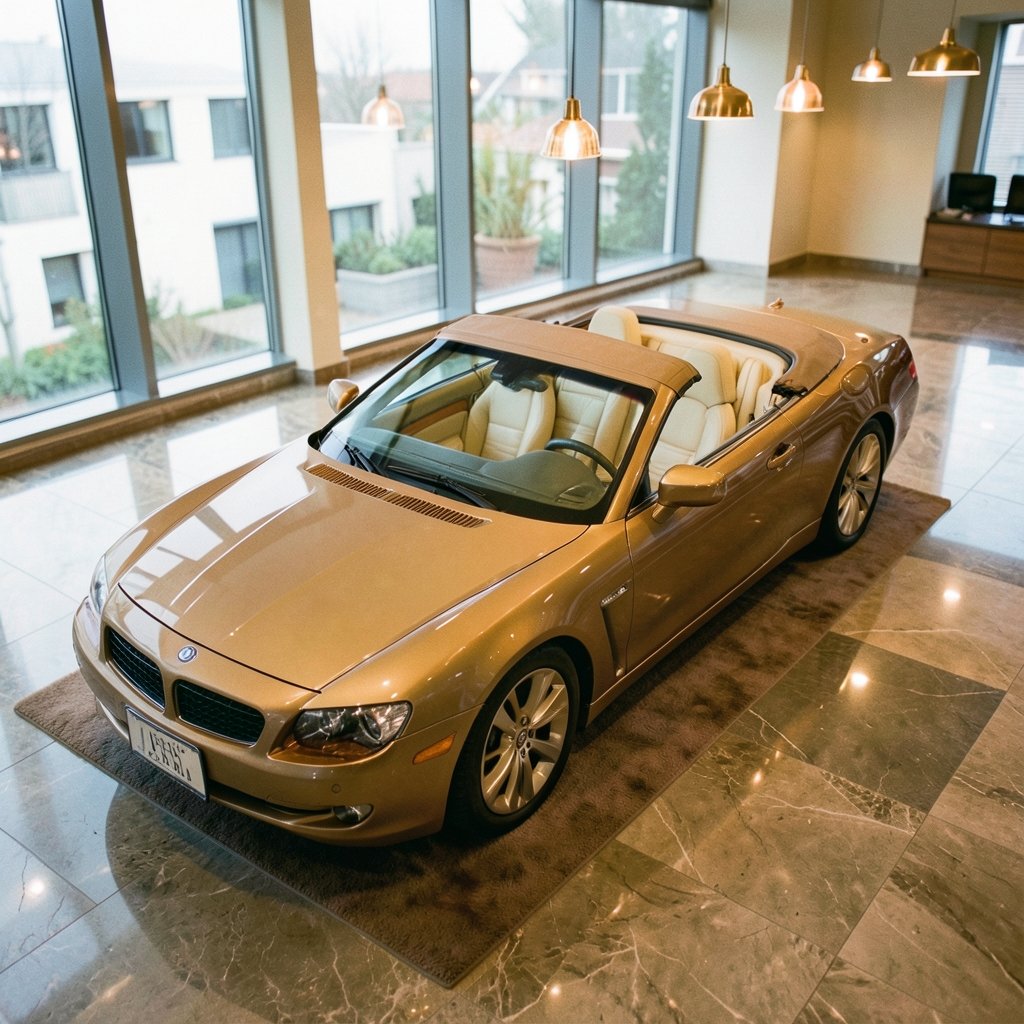
The four-seat convertible should, by all logic, be an endangered species. It carries extra weight, leaks more noise than a coupe, and demands structural engineering that costs real money. Yet the category refuses to die, and for good reason: no other body style blends open-air drama with genuine usability quite so well. The modern luxury four-seat convertible is a study in compromise done right, and the choices available today range from sensible premium soft-tops to hand-finished ultra-luxury flagships.
This guide cuts through the marketing language. It covers what separates a true four-seater from a cramped 2+2, which models deserve attention, the practical mistakes buyers make, and how to choose based on how you actually drive rather than how the brochure photographs look.
What Counts as a Four-Seat Luxury Convertible?
The term gets used loosely. Strictly, it describes an open-top car from a premium or ultra-luxury marque with seating for four adults and a roof that folds away. Within that, there are two sub-species.
A 2+2 has a usable front pair and a rear bench best suited to children, small adults, or luggage. Most premium-brand convertibles fall here: the BMW 4 Series and 8 Series Convertible, the Audi A5 Cabriolet, and Mercedes-Benz’s CLE Cabriolet. Then there are full four-seaters, where rear passengers get real legroom and headroom even with the roof up. The Bentley Continental GTC and the Rolls-Royce Dawn belong in this second group, and so did the Mercedes-Benz S-Class Cabriolet during its production run. (Convertible)
The distinction matters enormously in practice. A 2+2 that looks generous in photos can be genuinely uncomfortable for anyone over about 175 cm on a long drive. Buyers routinely discover this only after the deposit is paid.
The Current Contenders at a Glance
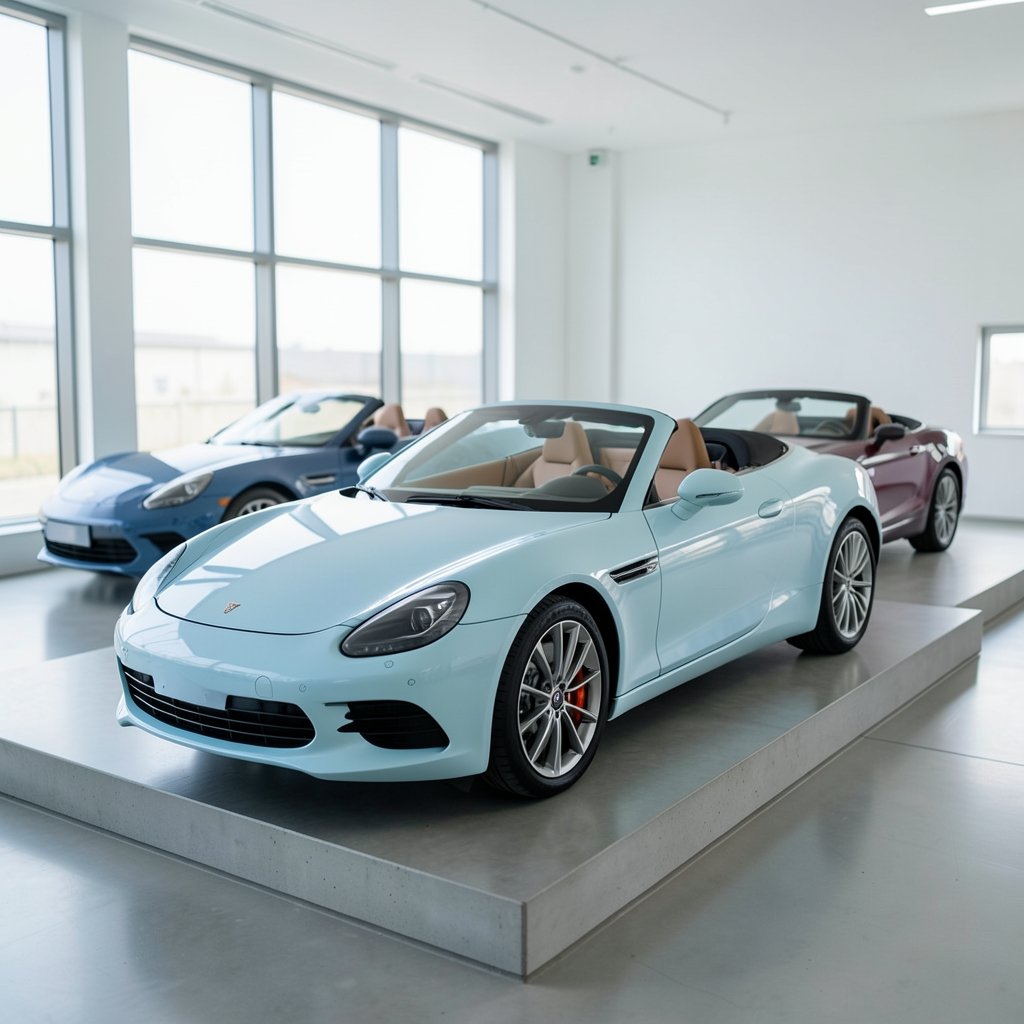
Model lineups shift constantly, and several cars mentioned here have been discontinued or replaced in recent years, so verify current availability before shopping. That caveat aside, the landscape looks roughly like this.
| Model | Seating Character | Roof | Positioning |
|---|---|---|---|
| Rolls-Royce Dawn | Full four-seat | Soft-top | Ultra-luxury flagship |
| Bentley Continental GTC | Full four-seat | Soft-top | Ultra-luxury grand tourer |
| Mercedes-Benz CLE Cabriolet | 2+2 | Soft-top | Premium mid-range |
| BMW 8 Series Convertible | 2+2 | Soft-top | Premium grand tourer |
| BMW 4 Series Convertible | 2+2 | Soft-top | Premium entry point |
| Audi A5 Cabriolet | 2+2 | Soft-top | Premium entry point |
The Rolls-Royce Dawn, unveiled at the Frankfurt Motor Show in September 2015, is the purest expression of the idea: a four-seat soft-top built without compromise on materials or presence. Production reportedly wound down around 2023, which makes it a fascinating used proposition as much as a new-car choice. The Bentley Continental GTC, by contrast, entered a new generation in 2024 and remains the more driver-focused of the ultra-luxury pair.
Below that ceiling, the premium German trio does the volume work. Mercedes-Benz’s CLE Cabriolet arrived in 2024 as a four-seat replacement in a lineup that had lost the S-Class Cabriolet after its roughly 2015–2020 run. BMW’s 8 Series Convertible appeared in 2018–2019 and has been updated since. The Audi A5 Cabriolet, launched in 2016–2017 with facelifts along the way, remains the quiet, understated option.
Ultra-Luxury Versus Premium: Where the Money Goes
The price gap between a premium 2+2 and an ultra-luxury four-seater is vast, and it is worth understanding what that money buys. It is not primarily performance. A well-specced BMW 8 Series Convertible will keep pace with far more expensive metal on a winding road.
What the ultra-luxury tier delivers is material quality, isolation, and presence. Hand-stitched leather, veneers matched across the cabin, thicker acoustic soft-tops, and engineering budgets that allow for vibration tuning a volume manufacturer cannot justify. The roof mechanism on a Continental GTC or a Dawn is a piece of engineering theatre in its own right.
Whether that is worth the premium depends entirely on use. For a buyer who drives the car weekly and values the experience of arrival, the ultra-luxury tier earns its keep. For someone who needs a practical open-top for school runs and airport trips, a premium 2+2 does 90 percent of the job for a fraction of the outlay. This is the same tension between craft and usability that runs through the new language of modern luxury, where heritage brands increasingly sell experience rather than specification.
Practical Tips That Save Buyers From Expensive Regret
First-hand experience across this category produces a handful of lessons that repeat again and again.
Test the rear seats with real passengers. Bring the tallest person who will regularly travel in the back. Sit behind a driver set to their own position. Ten minutes in a showroom is not enough; ask for an extended test drive that includes a rear-seat stint.
Drive roof-up on a highway. Wind noise and structural shudder are worst at speed with the top closed. Many convertibles are serene at 50 km/h and tiring at 120 km/h. This single test separates good cars from great ones.
Check boot space with the roof down. Folding roofs eat luggage capacity. Some models leave a usable boot; others leave a shelf. Measure against the bags you actually travel with, not the manufacturer’s litre figure.
Inspect the roof mechanism’s service history on used cars. Soft-top hydraulics, seals, and microswitches are the most common failure points on older convertibles, and repairs are rarely cheap. A pre-purchase inspection by a specialist who knows the model is money well spent.
Watch for wind buffeting. A well-designed car with a proper wind deflector lets front occupants hold a conversation at motorway speed. A poorly designed one turns every journey into a shouting match. Test this specifically.
The most common mistake, though, is buying for the imagined use rather than the real one. Plenty of buyers purchase a full four-seater for the two rear seats they use twice a year, paying a weight and cost penalty on every other drive. Conversely, buyers who genuinely carry adults in the back and choose a 2+2 end up resentful. Be honest about the passenger mix.
The Heritage Factor
Four-seat luxury convertibles carry unusual emotional weight because the format is so old. Post-war Mercedes 220 and 300 Cabriolets established the template in Europe, while 1950s American land yachts like the Cadillac Eldorado pushed it to extravagant extremes. That lineage is part of the appeal, and it explains why brands guard their convertible flagships so carefully.
Heritage also shapes the buying experience. Limited-run convertibles from storied marques tend to hold value better than volume models, partly because the production numbers stay small. Understanding how luxury fashion houses and their legacy sustain relevance over decades offers a useful parallel: the brands that endure are the ones that treat their history as a living design language rather than a museum exhibit. The same logic applies to coachbuilt convertibles, where continuity of style carries real market value.
How the Segment Is Changing
Electrification is reshaping the category faster than any other force. Convertible roofs and battery packs compete for the same real estate, and the structural stiffness that open-top cars need is easier to achieve with a battery floor. That combination has already produced electric four-seat convertibles, and more are expected as platforms mature.
The broader shift is toward fewer, more expensive models. Volume convertibles have quietly disappeared from several lineups as manufacturers concentrate resources on high-margin variants. The result is a market that increasingly rewards buyers who know exactly what they want. Anyone tracking where the category is heading should watch the future of luxury living, where the same pressures of electrification, personalisation, and scarcity are playing out across the wider premium market.
For enthusiasts, there is a silver lining. Scarcity tends to preserve the cars that survive. A well-maintained four-seat convertible from a respected marque is likely to remain desirable precisely because fewer replacements are coming.
Matching the Car to the Buyer
A simple framework helps. Buyers who prioritise rear-seat comfort and long-distance refinement should look at the full four-seaters, accepting the cost and size penalty. Those who want open-air driving with occasional rear-seat use are better served by a premium 2+2, where the driving experience is often sharper and running costs lower.
Buyers who value craftsmanship above all should consider the ultra-luxury tier, ideally used, where depreciation has already done its work. And buyers who simply want a beautiful object to enjoy on weekends should weight design and condition over specification sheets. The best convertible is the one that makes you take the long way home, and that is a deeply personal calculation. For a broader survey of the category, luxury resorts for your next getaway is a reminder that the destinations matter as much as the machine that gets you there. (Consumer Reports)
Conclusion
The best luxury four-seat convertible is not the most expensive one, nor the fastest. It is the one whose rear seats fit your actual passengers, whose roof keeps the cabin calm at speed, and whose running costs you can live with for years. The ultra-luxury flagships from Rolls-Royce and Bentley offer an experience few cars can match, but the premium 2+2s from BMW, Mercedes-Benz, and Audi deliver most of the joy for a fraction of the money. Test honestly, inspect carefully, and buy for the life you lead rather than the one in the brochure. The category rewards that discipline with one of the most satisfying ways to travel ever built.
Frequently Asked Questions
What is the difference between a 2+2 and a four-seat convertible?
A 2+2 has a usable front pair of seats and a rear bench suited to children or short trips, while a full four-seater provides genuine adult legroom and headroom in the back. Most premium convertibles are 2+2s; ultra-luxury models like the Bentley Continental GTC and Rolls-Royce Dawn are true four-seaters.
Are four-seat convertibles practical for everyday use?
Yes, with caveats. Boot space shrinks when the roof is folded, and rear access is tighter than in a sedan. However, models with well-engineered soft-tops are quiet enough for daily commuting and comfortable over long distances, making them far more usable than two-seat roadsters.
How much should I budget for a luxury four-seat convertible?
Premium 2+2 models from BMW, Audi, and Mercedes-Benz sit at the accessible end, while ultra-luxury four-seaters from Bentley and Rolls-Royce cost several times more. Remember to budget for insurance, tyres, and roof maintenance, which are higher than for an equivalent coupe.
Do convertible roofs require special maintenance?
Yes. Soft-top fabric, rubber seals, and hydraulic mechanisms need periodic inspection and care. Seals should be cleaned and treated to prevent leaks, and the mechanism should be exercised regularly. On used cars, a specialist inspection of the roof system is strongly recommended before purchase.
Is a used ultra-luxury convertible a sensible buy?
It can be. Depreciation on ultra-luxury models is steep, so a well-maintained used example can offer extraordinary value. The risks are maintenance costs and parts availability, so a full service history and a pre-purchase inspection are essential.
Will electric four-seat convertibles become more common?
They are expected to. Battery floors help deliver the structural stiffness open-top cars need, and several manufacturers have already introduced electric convertibles. Availability still varies widely by market, so buyers should check local lineups before committing.
The FAQ section above addresses the questions buyers ask most often, but one theme deserves a final word: patience. The right car is rarely the first one viewed. Inventory in this niche is thin, and the best examples surface slowly. Set alerts, speak to specialists, and be prepared to travel for the right specification. Condition and history matter more than mileage, and a fastidious previous owner is worth more than a long options list. Whether you choose a premium 2+2 or an ultra-luxury flagship, buy the best example you can afford and keep it maintained properly. Done well, a four-seat convertible becomes the car you never quite want to sell.