
Best Luxury Cars With Massage Seats: 2026 Buyer’s Guide
 Abdul WadoodLast updated

A massage seat sounds like a gimmick until you spend four hours in traffic after a long flight. Then it becomes the feature you notice most. What was once a novelty reserved for a handful of flagship sedans has quietly become a defining marker of the modern luxury car. Mechanized massage technology has moved from clinical settings into everyday furniture and vehicles, and automakers have leaned hard into that shift. Today, buyers cross-shopping a Mercedes-Benz S-Class, a BMW 7 Series, or a Genesis G90 increasingly treat a multi-program massage function as a must-have rather than a nice-to-have. This guide breaks down which luxury cars actually deliver on that promise, what the systems do well, and where the marketing outruns reality.
Why Massage Seats Became the New Luxury Benchmark
Luxury has shifted. Where badge prestige and horsepower once decided a sale, comfort technology now does much of the talking. The new language of modern luxury is written in things you can feel: heated armrests, air suspension that reads the road, and seats that knead your lower back on a commute. (Luxury Resorts for Your Next Getaway: Edition 2)
There is a practical reason for this. Massage seats address a real problem. Long drives stiffen the lumbar region, and drivers who spend hours behind the wheel report that active seat movement reduces fatigue. Automakers responded with air-bladder systems that inflate and deflate in programmed sequences, mimicking kneading, rolling, and stretching motions. The best systems combine massage with heating, ventilation, and adjustable side bolsters, so the seat adapts to the driver rather than the other way around.
The catch is that “massage seat” means wildly different things across brands. Some systems offer a single gentle lumbar pulse. Others run a dozen distinct programs with adjustable intensity. Knowing the difference is the whole game.
The Standout Models Worth Your Attention
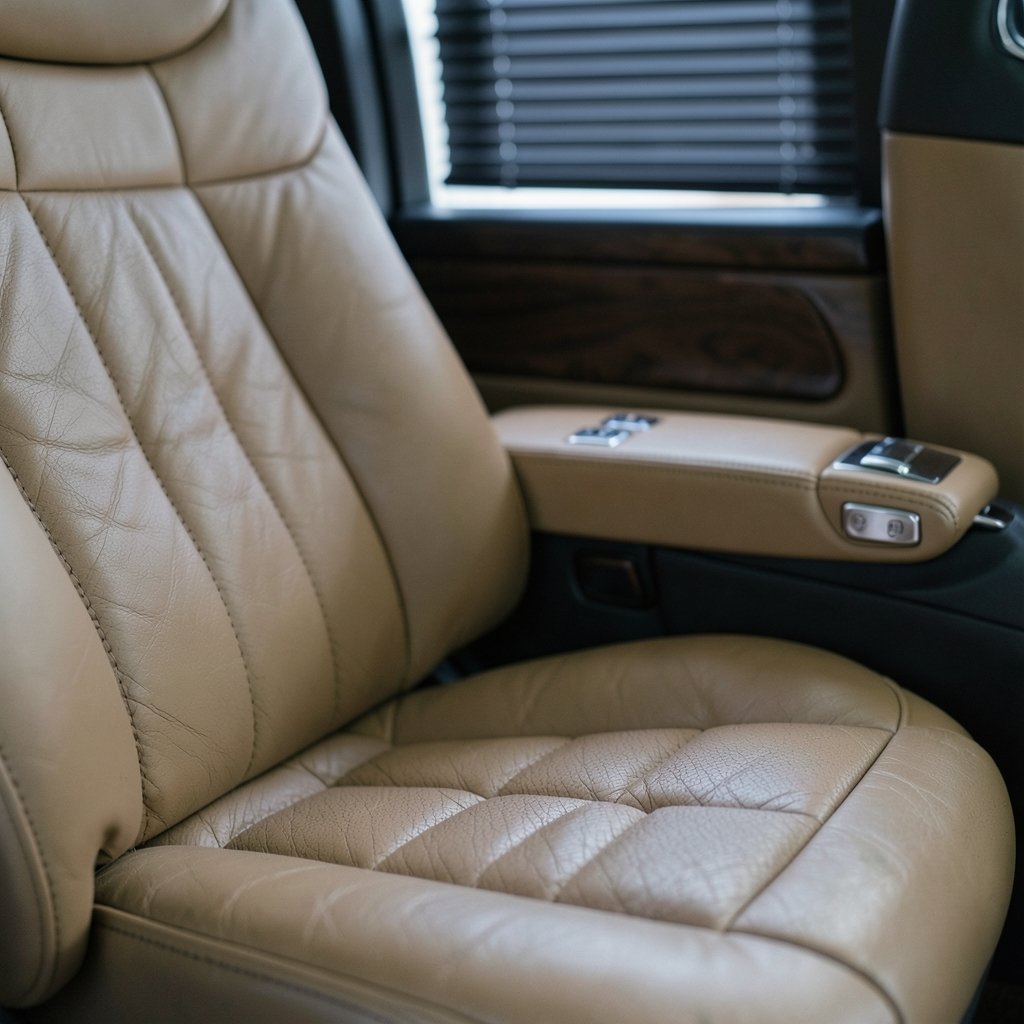
Mercedes-Benz S-Class and EQS
The S-Class has long set the benchmark. Its Energizing seat programs combine massage with climate control and even fragrance, and the current generation (W223, launched in 2020) plus the electric EQS carry that tradition forward. Mercedes offers multiple massage modes with adjustable intensity, and the front seats are typically where the full program lives. If you want the most polished, most adjustable system in the segment, this is the reference point.
BMW 7 Series and i7
BMW’s flagship sedan (G70, launched in 2022) pairs front-seat massage with an Executive Lounge rear setup that includes a reclining seat and massage function. The 7 Series is the pick for buyers who are chauffeured as often as they drive. The system is smooth and quiet, though some reviewers note the massage intensity is gentler than Mercedes’. The i7 brings the same cabin experience to an electric platform. (Massage chair)
Genesis G90 and GV80
Genesis is the value story here. The redesigned G90 (2022) offers rear massage and leg-rest seating at a price well below German flagships. The GV80 SUV brings similar comfort features to a more practical body style. If budget matters and you still want a genuinely luxurious massage seat, Genesis deserves a serious test drive. The brand has been steadily climbing in perceived quality, and the seat technology is a big part of that.
Audi A8 and Porsche Panamera
Audi’s A8 offers massage front seats with multiple programs, wrapped in one of the quietest cabins in the class. Porsche’s Panamera and Cayenne add massage as part of their comfort packages, though the focus there leans sportier. These are strong choices for drivers who want massage without sacrificing dynamics.
Volvo EX90 and XC90
Volvo markets massage front seats as part of its comfort package on the EX90 (revealed late 2022, deliveries from 2024) and XC90. The Scandinavian approach is understated: fewer flashy programs, more consistent support. For families who value safety and calm over spectacle, Volvo’s take is refreshing. (NHTSA 5-Star Safety Ratings)
Range Rover, Bentley, and Rolls-Royce
At the top end, Range Rover and the ultra-luxury British marques offer massage seats with near-limitless adjustability. These are the systems that feel closest to a professional chair, but they come with price tags to match. (The Future of Luxury Living)
How Massage Seat Systems Actually Work
Most automotive massage seats use air bladders embedded in the seat cushion and backrest. A small compressor inflates and deflates these bladders in timed sequences to create kneading and rolling sensations. A few premium systems add mechanical rollers or vibrating elements for deeper pressure.
Here is what separates a good system from a mediocre one:
| Feature | Basic System | Premium System |
|---|---|---|
| Massage programs | 1-2 | 5-10+ |
| Intensity adjustment | None or limited | Multiple levels |
| Coverage area | Lumbar only | Lumbar, back, thighs |
| Integration | Standalone button | Tied to climate and driving modes |
| Rear-seat availability | Rare | Common on flagships |
The practical takeaway: a system with adjustable intensity and broad coverage is worth far more than one with a long list of programs you will never use. Buyers often fixate on program count when intensity range matters more.
What to Check Before You Buy
Test-driving a massage seat in a showroom for five minutes tells you almost nothing. Here is what actually works in practice.
- Sit for at least 20 minutes. Massage sensations that feel pleasant for two minutes can become irritating over a longer drive. Ask for an extended test drive or a loaner.
- Cycle through every program at every intensity. Some modes are noticeably weaker than others, and the default setting is rarely the best one.
- Check the rear seats separately. Rear massage systems are often optional even on flagship trims, and their functionality differs from the front.
- Confirm what is standard versus optional. This is the single most common mistake buyers make. A model advertised with massage seats may require a costly package, and availability varies by market and model year.
- Ask about the seat’s other functions. Heating and ventilation often matter more day-to-day than massage, and some packages bundle them together.
A common frustration: buyers assume the massage function works while driving at all speeds. Some systems limit certain programs to stationary use for safety. Verify this before signing.
The Practical Trade-Offs Nobody Mentions
Massage seats add weight, complexity, and potential repair costs. Air bladder systems can develop leaks over time, and repairs are rarely cheap once the warranty ends. Extended warranties that cover seat electronics are worth considering on any used luxury car with this feature.
There is also the question of diminishing returns. The gap between a good system and a great one is smaller than the price difference suggests. A Genesis G90 at a fraction of a Bentley’s price delivers most of the daily benefit. Buyers who pay top dollar for the ultimate system are often paying for prestige as much as pressure.
Finally, consider how often you will actually use it. Commuters in stop-and-go traffic get more value than weekend drivers on open highways. If your driving is mostly short trips, massage seats may be a feature you admire more than use. The same logic applies across the luxury world, from watches and design to the cars built around experience: the best purchase is the one that fits how you actually live. (Voozon Cars)
How the Segment Is Evolving
Massage seats are trickling down. Features that were exclusive to the S-Class a decade ago now appear on mid-tier trims and even mainstream brands. Electric vehicles are accelerating this, because their quiet cabins make seat sensations more noticeable and their flat floors allow more flexible seat design.
The next frontier is personalization. Systems that learn your preferences, adjust based on drive duration, and sync with navigation to activate during long stretches are already in development. Automakers are also integrating massage with driver-assistance features, so the seat responds to fatigue warnings.
The bottom line: massage seats are no longer a curiosity. They are becoming a standard expectation in the luxury segment, and the brands that execute them well are earning loyal buyers.
Conclusion
The best luxury cars with massage seats are not necessarily the most expensive ones. The Mercedes-Benz S-Class and EQS remain the benchmark for adjustability and polish. The BMW 7 Series wins for rear-seat passengers. The Genesis G90 delivers remarkable value. Audi, Volvo, Porsche, and the British ultra-luxury marques each bring their own flavor.
The smartest approach is to test the system the way you will use it: for real durations, in real conditions, with a clear understanding of what is standard and what costs extra. Massage seats are a genuine comfort upgrade when they are well-executed, and a forgettable checkbox when they are not. Choose the car whose seat you would actually want on your worst commute, and you will rarely regret it.
Frequently Asked Questions
Which luxury car has the best massage seats?
The Mercedes-Benz S-Class is widely regarded as the benchmark, thanks to its Energizing programs with multiple modes and adjustable intensity. The BMW 7 Series and Genesis G90 are strong alternatives depending on whether you prioritize rear comfort or value.
Are massage seats standard on luxury cars?
Rarely. On most models, massage seats are optional or bundled into a comfort package, even on flagship trims. Always confirm standard versus optional equipment for the specific model year and market before buying.
Do massage seats actually help on long drives?
Many drivers report reduced fatigue and stiffness on long trips, particularly with systems that combine massage, heating, and ventilation. Results vary by system quality and personal preference, so an extended test drive is essential.
Can massage seats be added to a car after purchase?
Aftermarket massage seat covers and cushions exist, but they rarely match factory integration in comfort or safety. Retrofitting factory systems is complex and expensive, so it is usually better to buy a car that already has the feature.
Do massage seats work while the car is moving?
Most systems function while driving, but some programs or intensity levels may be limited to stationary use for safety reasons. Check the owner’s manual or ask the dealer about specific restrictions.
Are massage seats expensive to repair?
Air bladder systems can develop leaks or compressor faults over time, and repairs are generally not cheap once the warranty expires. An extended warranty covering seat electronics is a sensible safeguard on used luxury cars.
These systems also age differently depending on climate. Extreme heat and repeated use can stress bladders and compressors, so a pre-purchase inspection should include a full cycle test of every seat. Documenting which programs work, and at what intensity, gives you leverage in negotiation and a realistic repair budget. Buyers shopping used should also check for software updates, since some manufacturers have refined massage behavior through over-the-air patches after launch. It is a small detail that separates a well-maintained example from one that merely looks clean. As the feature spreads, expect clearer terminology and more standardized packaging across brands, which will make comparison shopping easier than it is today. Until then, the burden falls on buyers to read the fine print and test thoroughly. Done well, a massage seat turns a long commute into something closer to a reset than a chore, and that is the real measure of whether the upgrade earns its place on your options list.