
Best Friend Tattoos: Ideas, Safety & What to Know
 Abdul WadoodLast updated
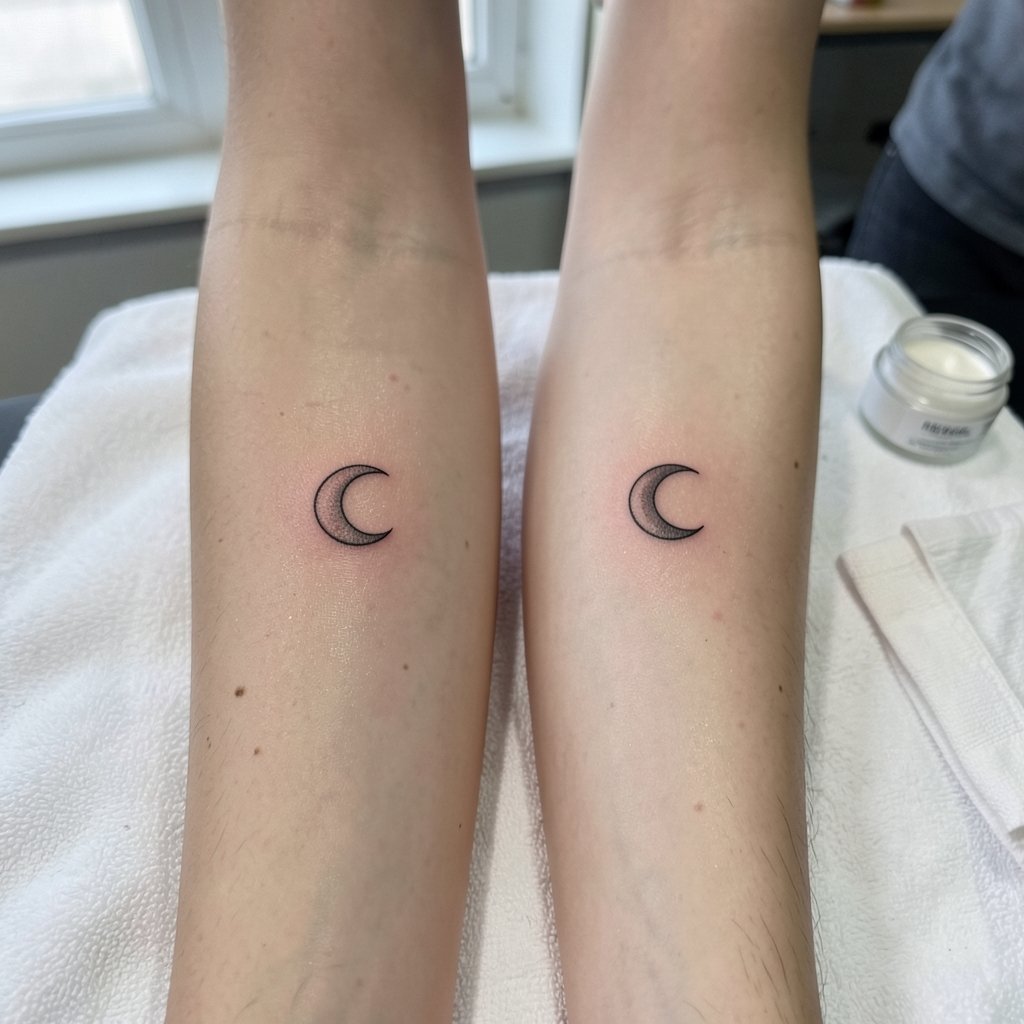
Roughly one in three American adults now has at least one tattoo, and a growing share of those are matching designs shared between close friends. The best friend tattoo has moved well beyond the cliché heart on a wrist. People now choose tiny line-art symbols, split designs that only make sense side by side, and even text in each other’s handwriting.
But a permanent mark shared with someone else carries a few risks that solo tattoos don’t. Friendships change. Skin reacts. Studios have rules. This guide walks through the practical side of matching tattoos: what works, what ages badly, and how to get inked without regret.
Why Best Friend Tattoos Became So Popular
Tattooing has shifted from a niche practice to a mainstream one. In the United States, tattoo inks are regulated as cosmetics, while the actual licensing of studios and artists falls to state and local health departments. That split is worth knowing, because it means the rules you follow depend heavily on where you live.
The social side matters just as much. A matching tattoo is a visible commitment, a small ceremony of friendship. It signals belonging in a way a text message never will. For people who move cities, change jobs, or drift apart, the ink stays as a record of a specific chapter. (Tattoo Infection: Symptoms, Treatment, and Prevention)
There’s a practical appeal too. Small matching designs are cheaper than large custom pieces, quick to sit through, and easy to hide at work. That combination makes them a common first tattoo.
What Actually Works in Practice
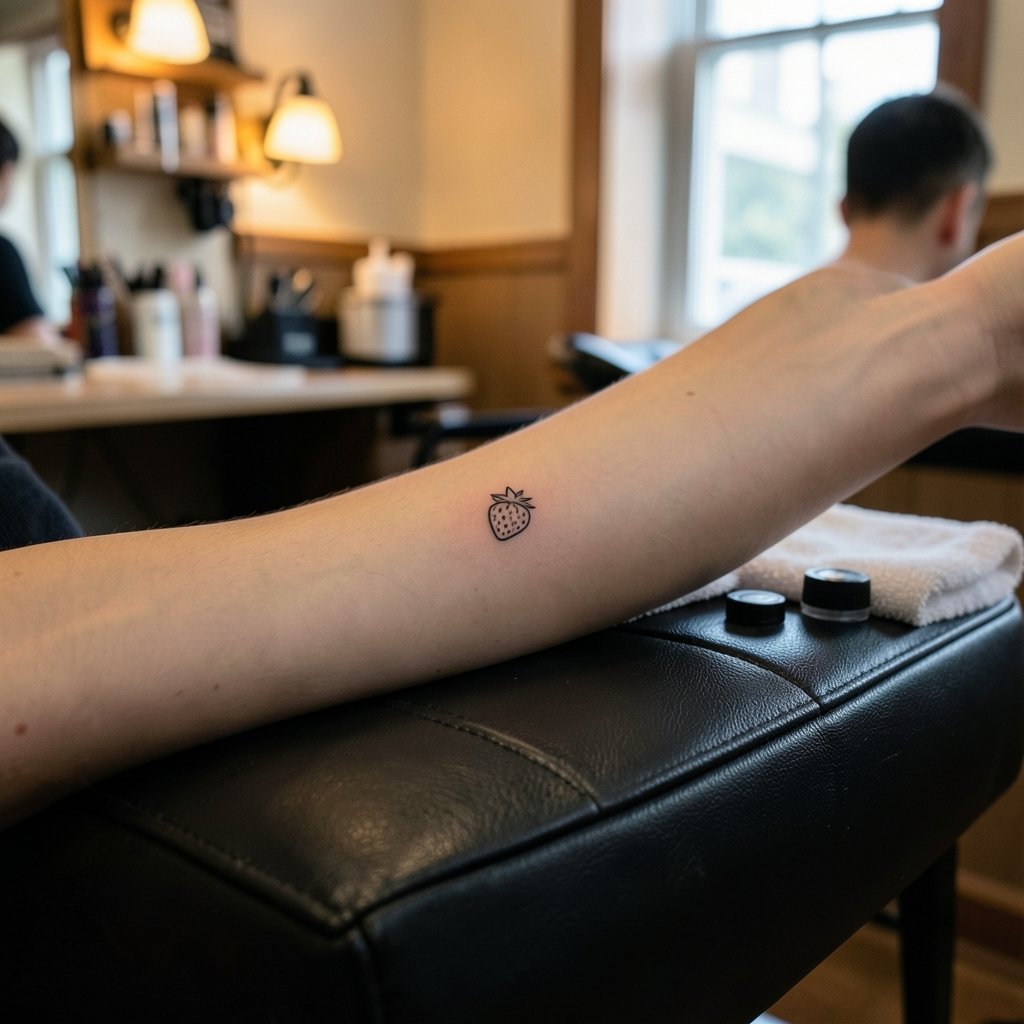
Experience from the tattoo chair shows a few patterns. The designs that hold up over decades tend to be small, simple, and personal to the wearer. The ones people regret usually run the other way: big, trend-driven, or dependent on a joke that stops being funny.
Choose a symbol only you two understand
The strongest matching tattoos are often the least legible to strangers. A pair of coordinates from a shared trip, a tiny drawing of a childhood snack, a three-letter inside joke. These age well because the meaning lives in the relationship, not in the trend cycle.
Keep the design simple enough to age
Fine lines blur. Small text smudges. What looks crisp at 25 can look soft at 45. Practical advice that holds up:
- Favor bold, simple shapes over delicate script.
- Give small text room to breathe, or skip it entirely.
- Place designs where skin changes least, like the upper back or inner forearm.
- Avoid the sides of fingers and toes if you want longevity.
Match the meaning, not necessarily the image
Some of the best pairs aren’t identical. One friend gets the outline, the other gets the fill. One gets the sun, the other the moon. Complementary designs give each person something that feels like their own while still reading as a set.
Popular Best Friend Tattoo Styles Compared
Different styles suit different friendships and different pain tolerances. Here’s how the common options stack up.
| Style | Typical Size | Pain Level | Ages Well? | Best For |
|---|---|---|---|---|
| Tiny line-art symbols | Very small | Low | Moderate | First-timers, discreet placement |
| Matching script or handwriting | Small | Low to moderate | Poor if very small | Sentimental friends |
| Split designs (sun/moon, halves) | Small to medium | Low to moderate | Good | Friends who want individuality |
| Traditional or neo-traditional | Medium | Moderate | Excellent | Bold, long-lasting pieces |
| Minimalist geometric | Small to medium | Low to moderate | Good | Modern, clean aesthetics |
| Color pieces | Varies | Moderate | Good if cared for | Friends who love bright designs |
The honest takeaway: the smaller and finer the design, the more likely it is to blur. If longevity matters more than subtlety, go slightly bolder than you first planned.
The Practical Checklist Before You Book
Most tattoo regret comes from skipping steps, not from bad taste. A short checklist prevents the common mistakes.
- Agree on a budget and a design in advance. Decide together, in writing, before anyone pays a deposit.
- Visit the studio in person. Look for a clean space, single-use needles, and artists who answer hygiene questions without flinching.
- Ask about licensing. Studios should be able to show current health-department permits.
- Confirm age and ID rules. Minimum age and parental-consent requirements vary by state and country, so check your local health department before booking.
- Book a consultation. A good artist will redraw your idea to fit the body rather than copy a photo.
- Plan aftercare before the appointment. You’ll need to follow cleaning and moisturizing instructions for weeks.
Common mistakes worth naming: booking the cheapest artist, choosing a design the night before, and assuming a tiny tattoo means a tiny commitment. It doesn’t. Removal is far more expensive and painful than getting inked.
Safety and Skin: What the Research Says
Tattoo ink safety is an active area of study, not a settled question. Reactions happen. Allergic responses, granulomas, and infections are all documented in medical literature, and symptoms can appear years after a tattoo heals. The FDA monitors adverse events tied to inks and has flagged certain pigments for safety review. (Tattoo)
What this means practically:
- Ask what ink the artist uses. Reputable artists know their brands.
- Tell the artist about allergies, skin conditions, and medications. Some autoimmune conditions and blood thinners change the risk profile.
- Watch for reactions. Persistent itching, raised lines, or redness weeks after healing deserves a doctor’s visit.
- Don’t tattoo over moles or broken skin. Have anything unusual checked first.
Regulation is genuinely uneven. Some jurisdictions inspect studios regularly; others barely at all. Since there’s no single national standard for best friend tattoos or tattoos in general, the burden of due diligence falls on you. That’s not a reason to avoid ink. It’s a reason to ask questions.
When Friendship and Ink Don’t Line Up
Here’s the uncomfortable part nobody puts on a Pinterest board. Friendships end. People change. A tattoo that once felt like a promise can later feel like a weight.
The people who handle this best tend to think about it up front. A few honest framings help:
- Tattoo the memory, not the person. A symbol of a time that mattered survives a friendship ending. A name often doesn’t.
- Avoid full names and dates. Initials and symbols are more flexible.
- Consider a design you’d still like alone. If you’d hate it without your friend, it’s a warning sign.
- Talk about what happens if things change. An awkward five-minute conversation beats years of resentment.
There’s also the practical asymmetry problem: one friend books, the other hesitates. Never pressure someone into permanent body art. If they’re not ready, wait. The friendship will survive a delay. A forced tattoo might not.
The strongest matching tattoos are chosen slowly and worn lightly.
Getting the Design Right: Practical Tips
A few habits separate good outcomes from bad ones.
Bring references, not demands. Artists work best with a direction and room to interpret. Ten photos of styles you like beat one photo you want copied exactly.
Test placement with a temporary version. Draw the design on with skin-safe marker and live with it for a day. Placement surprises people more often than design does.
Think about symmetry and visibility. Matching designs on inner wrists are visible in most clothing. Behind the ankle, they’re private. Decide which you want before the needle comes out.
Check the artist’s healed work. Fresh tattoos always look good. Ask to see photos of healed pieces, ideally a year or more old, to judge how the artist’s work ages.
Split the cost clearly. Decide who pays the deposit and whether the design fee is shared. Money friction ruins more friendships than ink ever does.
For anyone documenting the process or building a portfolio around body art, resources like Voozon Media cover creative and visual storytelling topics that pair well with tattoo photography and design research.
Aftercare for Two
Aftercare is where matching tattoos quietly diverge. Two people, two healing processes, two sets of habits. One friend follows instructions; the other picks at a scab.
Basic aftercare rules apply to everyone: wash gently with fragrance-free soap, pat dry, apply a thin layer of recommended ointment, avoid soaking and direct sun, and don’t scratch. Healing takes two to four weeks on the surface and longer underneath.
The friend-specific tip: check in on each other. A shared healing timeline is a nice excuse to compare notes, and it catches problems early. If one tattoo heals raised or itchy while the other is smooth, that’s useful information, not a competition.
Cost, Time, and Realistic Expectations
Small matching tattoos are often the most affordable entry point into body art. Pricing varies widely by city, artist reputation, and design complexity, and many studios have minimum charges that make tiny pieces cost more per minute than large ones.
Time matters too. A simple pair of small designs might take under an hour each. Custom work takes longer, plus consultation and healing. Plan the appointment for a low-stress week. Getting tattooed before a beach trip or a big presentation is a rookie move.
And be realistic about revision. Designs evolve during consultation. The final piece rarely matches the original sketch exactly, and that’s usually a good thing. Artists know how ink sits in skin; trust that expertise within reason.
Conclusion
A best friend tattoo is a small, permanent act of storytelling. Done well, it’s a quiet reminder of a specific person and a specific time. Done carelessly, it’s an expensive lesson in impulse control.
The formula that works is unglamorous: choose a simple design with personal meaning, verify the studio’s hygiene and licensing, respect age and consent rules, and think honestly about what happens if the friendship changes. Ask the awkward questions before the appointment, not after.
Ink outlasts trends, jobs, and sometimes relationships. That’s exactly why it deserves a little patience. Pick the design slowly, book the right artist, and let the tattoo mean what it meant when you got it.
Frequently Asked Questions
What is a good best friend tattoo for first-timers?
Small, simple designs work best: tiny symbols, coordinates, matching line-art shapes, or split designs like a sun and moon. They’re quick, affordable, and easier to place discreetly. First-timers should avoid fine script and finger placement, since both blur quickly.
Do best friend tattoos have to match exactly?
No. Complementary designs often work better. One friend can take the outline and the other the fill, or each can get half of a larger image. Matching the meaning matters more than matching the picture, and slight differences reduce regret if the friendship changes.
How much do matching best friend tattoos usually cost?
Costs vary widely by city, artist, and design. Many studios set a minimum charge per tattoo, which makes very small pieces relatively expensive per minute. Budget for the design fee, the deposit, and a tip, and agree on who pays what before booking.
Is there an age limit for getting a tattoo with a friend?
Yes, but the rules depend on where you live. Minimum age and parental-consent requirements are set by state or local health departments, not by a single national standard. Check your local health department’s rules before booking, and bring valid ID.
What should I do if my friend backs out after I’ve booked?
Talk before you book, not after. If they hesitate, delay the appointment rather than pressure them. If they pull out late, you can usually still get the tattoo solo, adjust the design, or ask the studio about deposit policies. Never push someone into permanent body art.
Can a matching tattoo be removed if the friendship ends?
Yes, but removal is costly, takes multiple sessions, and doesn’t always fully clear the ink. That’s why symbols and initials age better than full names and dates. If you’re unsure, choose a design you’d still like on your own.