
Best First Cars 2026: Safe, Affordable Picks for New Drivers
 Abdul WadoodLast updated
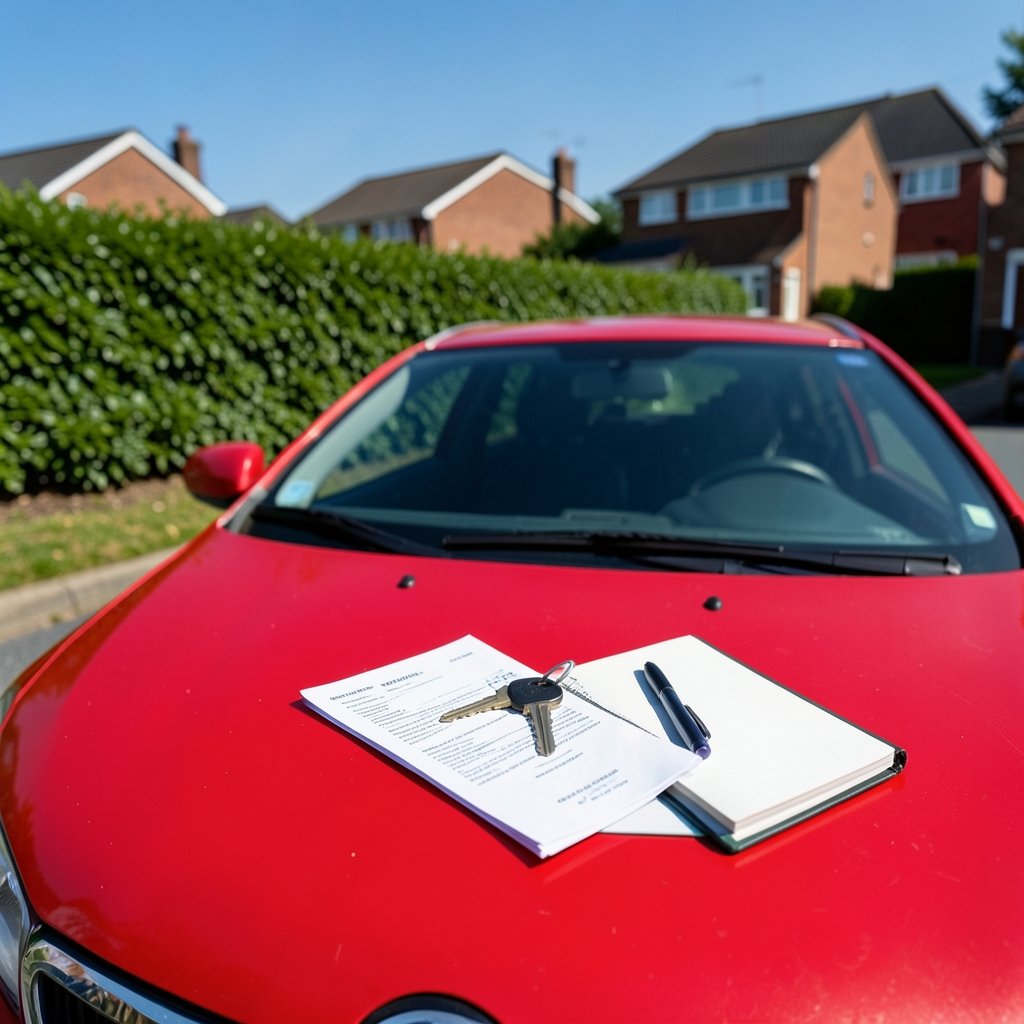
Roughly 40% of UK learner drivers fail their first practical driving test, and in the US, car crashes remain the leading cause of death for teenagers. Those two facts point to the same conclusion: the car a new driver gets behind the wheel of matters enormously. Looks and budget count, but the larger issue is surviving the mistakes every beginner makes.
The problem is that “best first car” lists are everywhere and most of them are useless. They ignore where you live, how insurance works in your country, and what a specific model year actually costs to run. This guide takes a different approach. It explains the criteria that genuinely separate a good first car from an expensive mistake, then shows how to apply them wherever you drive.
Why the “Best First Car” Depends on Where You Live
A single global list of best first cars is misleading, and it is worth understanding why before shopping.
In the UK, learner drivers must hold a provisional licence and pass both a theory test and a practical driving test before driving unsupervised. Insurance groups run roughly 1 to 50, and lower groups generally mean cheaper premiums for new drivers. Road tax, fuel costs, and even the width of parking bays shape what makes sense.
In the US, licensing rules vary by state, and buyers lean heavily on crash-test ratings from the Insurance Institute for Highway Safety and the National Highway Traffic Safety Administration’s five-star program. In Europe, Euro NCAP star ratings are the benchmark, and results are model- and year-specific. (IIHS Vehicle Ratings)
The takeaway: before reading any list, find out what your local insurance system rewards, what safety bodies test for, and what licensing rules apply. A car that is a bargain in one country can be a money pit in another.
The Criteria That Actually Matter

Strip away the marketing and a good first car comes down to five things. Get these right and almost any sensible model will work.
Safety ratings for the exact model year
Safety technology moves fast. A car that earned top marks five years ago may have been updated, or its rating may no longer reflect current tests. Always check the rating for the specific model year you are buying, not the nameplate in general. Look for electronic stability control, a full set of airbags, and, where available, automatic emergency braking.
Insurance cost, beyond the purchase price
This is the mistake that catches almost every new driver. A cheap used car with a big engine can cost more to insure in a year than the car itself. In the UK, check the insurance group before you fall in love with a car. In the US, get quotes for the exact make, model, trim, and year before committing. A difference of a few insurance groups can change annual premiums by hundreds.
Running costs and reliability
Fuel economy, tire prices, servicing intervals, and parts availability all add up. Popular models usually win here because parts are cheap and every mechanic knows them. Obscure imports may look like bargains until the first repair bill arrives.
Size and power that match experience
A small, low-powered car is not a punishment. It is a learning tool. Less power means fewer ways to get into trouble, and a smaller footprint makes parking and tight lanes far less stressful. Most safety and insurance bodies reward restraint here.
A documented history
For used cars, service records and a clean history report matter more than mileage alone. A well-maintained high-mileage car usually beats a neglected low-mileage one. If you want a broader framework for evaluating vehicles on experience rather than specs alone, the idea of cars built around experience is a useful lens.
A Practical Comparison of First-Car Categories
Rather than naming a single winner, it helps to compare the categories new drivers actually choose between. The table below summarizes the trade-offs.
| Category | Typical strengths | Typical weaknesses | Best for |
|---|---|---|---|
| Small hatchback (petrol) | Cheap insurance, easy parking, low running costs | Limited space, basic safety on older models | Most urban and suburban learners |
| Compact sedan | Better crash protection, more space | Higher purchase price, larger footprint | Drivers who regularly carry passengers |
| Used city car | Lowest purchase and fuel costs | Weak highway performance, older safety tech | Tight budgets and city driving |
| Small SUV/crossover | Good visibility, modern safety features | Higher insurance, heavier, thirstier | Families wanting extra protection |
| Electric small car | Low running costs, smooth power delivery | Higher upfront price, charging access | Drivers with home charging |
The pattern is clear. For most beginners, a small petrol hatchback or compact sedan from a mainstream brand, a few years old but with modern safety features, hits the sweet spot. If you want a deeper look at how different models compare on value and practicality, Voozon’s car reviews and comparisons cover the trade-offs in detail.
Practical Tips That Save New Drivers Real Money
These are the habits that separate a smooth first-car purchase from a stressful one.
- Get insurance quotes before you buy, not after. Run quotes on three or four shortlisted cars. The cheapest car to buy is often not the cheapest to insure.
- Check the exact model year’s safety rating. Do not assume a nameplate’s reputation carries over. Verify the specific year.
- Budget for the first year’s extras. Insurance, tax, servicing, tires, and a small repair fund can easily add 30 to 50 percent to the purchase price.
- Test drive in the conditions you will actually drive in. A car that feels fine on a sunny forecourt may feel very different in rain or at highway speed.
- Have a mechanic inspect any used car. A pre-purchase inspection costs far less than an engine replacement.
- Avoid modified cars. Modifications often raise insurance and signal harder use.
Common mistakes to avoid
The most frequent errors are predictable. New drivers buy on looks and skip the insurance quote. They stretch the budget to the purchase price and leave nothing for running costs. They trust a seller’s word instead of a history report. They pick a car that is too powerful because it feels exciting on a test drive. And they forget that tires, brakes, and servicing are ongoing costs, not one-time ones.
There is also a subtler mistake: treating the first car as a forever car. Most first cars are stepping stones. Choosing something sensible and easy to sell protects your budget when your needs change.
New vs. Used: What Actually Works for Beginners
The new-versus-used debate has a clear answer for most first-time buyers: used, with conditions.
A new car brings the latest safety technology, a warranty, and peace of mind. It also brings depreciation, and new drivers are the most likely group to have a minor scrape. Taking the first ding on a brand-new car hurts financially and emotionally.
A used car, bought carefully, avoids the steepest depreciation and keeps insurance lower. The catch is that older cars may lack modern safety features. The fix is to set a floor: look for a car new enough to have electronic stability control and a strong crash-test result for its year, even if that means going slightly older on the badge or slightly higher on mileage.
A useful middle path is a nearly new car, two to three years old, with the original safety technology intact and the biggest depreciation already absorbed. This is often where the best value sits for beginners.
For drivers weighing a first car against other big purchases, it helps to remember that a car is a tool with ongoing costs, not a one-off trophy. That mindset keeps budgets honest.
Where to Research Before You Buy
Good research is free, and it prevents most bad decisions.
Start with official safety bodies. The IIHS and NHTSA in the US and Euro NCAP in Europe publish model-specific results. Government motoring sites publish licensing rules, tax bands, and recall information. Insurance comparison tools give real quotes rather than guesses.
Then look at independent reviews and owner communities. Owner forums reveal the recurring problems that glossy reviews miss: the transmission that fails at 80,000 miles, the infotainment system that freezes, the parts that are hard to source. Cross-reference several sources before shortlisting.
Finally, check recall history for the exact model and year. A car with an outstanding safety recall is a risk until it is fixed, and the fix is usually free at a dealer.
Conclusion
The best first car is not the cheapest one on the forecourt or the one with the most exciting badge. It is the car that matches your experience level, survives your mistakes, and does not drain your bank account through insurance and repairs. Safety ratings for the exact model year, affordable insurance, sensible size and power, and a documented history are the four pillars worth building on.
Do the boring work first. Get quotes, check ratings, budget for running costs, and have a mechanic look at anything used. New drivers who follow that process end up with a car that is genuinely suited to them, rather than only to a list on the internet. And when the time comes to upgrade, a sensible first choice holds its value and makes the next step easier.
Frequently Asked Questions
What is the best first car for a new driver?
There is no single answer, but a small petrol hatchback or compact sedan from a mainstream brand, a few years old with modern safety features, suits most beginners. It keeps insurance and running costs low while offering solid crash protection. Always check the safety rating for the exact model year and get an insurance quote before buying.
Is it better to buy a new or used first car?
Used is usually the smarter choice for beginners because it avoids the steepest depreciation and keeps insurance lower. The key is to set a safety floor: choose a car new enough to have electronic stability control and a strong crash-test result for its year. A two- to three-year-old car often offers the best value.
How much does it cost to insure a first car?
Costs vary widely by country, car, and driver. In the UK, insurance groups run roughly 1 to 50, and lower groups generally mean cheaper premiums for new drivers. In the US, quotes depend on the exact make, model, trim, and year. Always get quotes for several shortlisted cars before you buy, because the cheapest car to purchase is often not the cheapest to insure.
What safety features should a first car have?
Look for electronic stability control, a full set of airbags, anti-lock brakes, and, where available, automatic emergency braking. Check the crash-test rating published by your country’s safety body for the specific model year, since ratings change as cars are updated. Tire condition and brake health matter just as much on a used car.
How much power should a first car have?
Less is generally better for new drivers. A low-powered car reduces the chance of losing control and usually costs less to insure. Small engines also tend to be more fuel-efficient. Most safety and insurance bodies reward restraint, so a modest engine is a feature, not a limitation.
What should I check before buying a used first car?
Check the service history, run a history report, and confirm there are no outstanding safety recalls for that model and year. Have a mechanic inspect the car before purchase. Test drive it in the conditions you will actually drive in, and avoid modified cars, which often raise insurance costs and signal harder use.