
Best Concours Events in the World: 2026 Guide
 Abdul WadoodLast updated
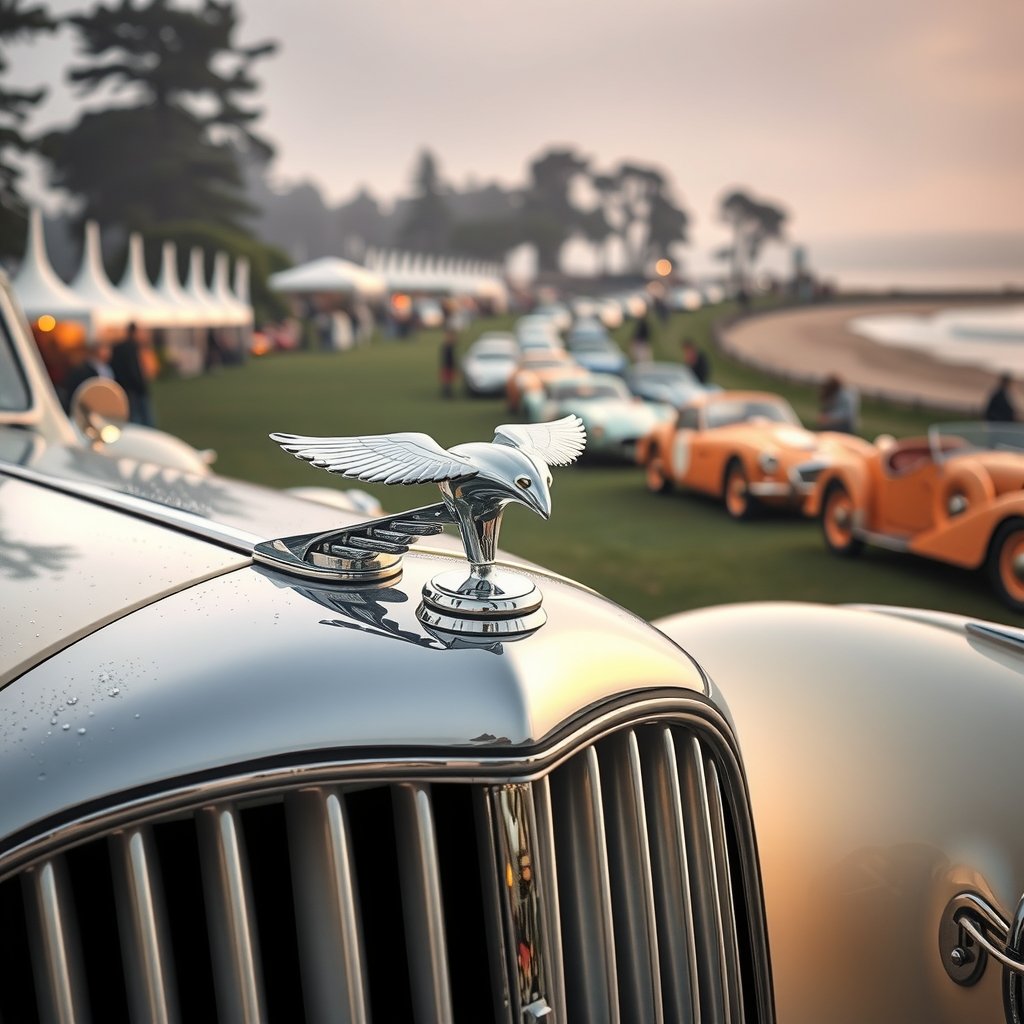
Every August, a golf course in California turns into the most valuable parking lot on Earth. Roughly 200 cars roll onto the 18th fairway at Pebble Beach, and some of them are worth more than the houses overlooking the Pacific. That single afternoon explains why the concours circuit has become the collector world’s answer to the Oscars, the Met Gala, and a museum opening all rolled into one. (The Most Beautiful Islands in the World)
But Pebble Beach is not the whole story. The best concours events stretch from a lakeside villa in Italy to a French château to an English palace, and each has its own personality, its own judging quirks, and its own crowd. Here is a practical tour of the ones that matter, plus what to know before you buy a ticket.
What Actually Makes a Concours “Great”
A concours d’elegance is not a car show in the ordinary sense. There are no slammed hoods and thumping stereos. Instead, owners present vehicles in judged classes, and the standard is originality and correctness rather than how loud the engine sounds. Judges check chassis numbers, stitching, paint formulas, and whether the tool kit matches the build sheet.
So what separates a great concours from a good one? Four things tend to matter:
- Depth of the field. A great event gathers cars you will not see anywhere else that year.
- Setting. A fairway, a palace lawn, or a lakeside terrace does real work here.
- Curation. Strong classes tell a story rather than just lining up expensive metal.
- Access. The best events let you get close enough to see the details that justify the fuss.
Get all four right and you have something memorable. Miss one and you have a very expensive car park.
Pebble Beach Concours d’Elegance: The Benchmark
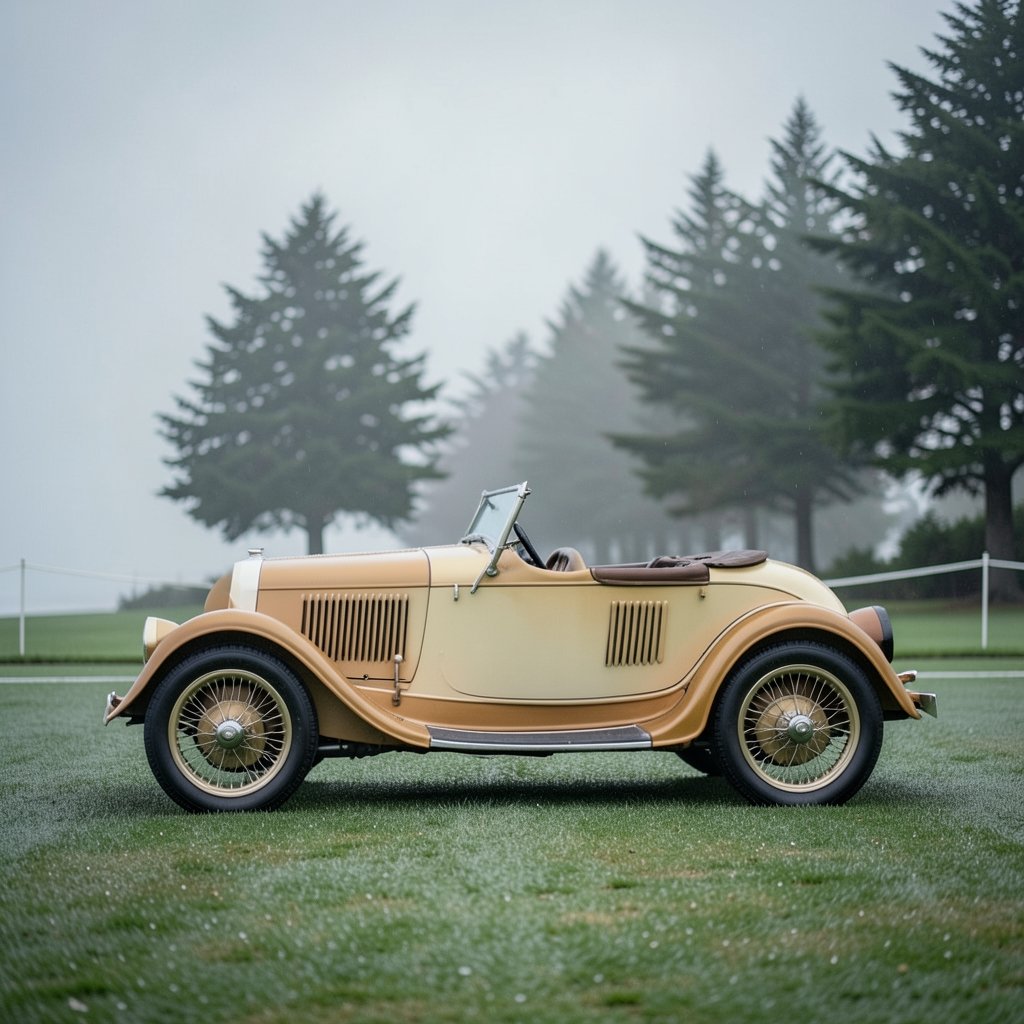
Held each August on the 18th fairway of Pebble Beach Golf Links in California, this is the event most collectors treat as the pinnacle. It is the anchor of Monterey Car Week, a stretch of auctions, rallies, and parties that swallows the entire peninsula for several days.
What makes Pebble Beach stand apart is the Best of Show award, which has become the closest thing the hobby has to a world championship. Winning owners are typically people who have spent years, and often seven figures, on a restoration judged against a standard most of us will never see up close.
A few practical notes for first-timers:
- Book accommodation months ahead. Monterey Peninsula lodging sells out early, and prices climb steeply.
- Arrive at dawn. The light is best, the crowds are thinnest, and the cars are still being arranged.
- Wear real shoes. The fairway is grass, and it is often damp in the morning.
- Bring layers. Coastal fog does not care about your outfit.
The common mistake is treating Pebble as a single day. It is not. The surrounding week includes auctions, tours, and smaller gatherings that many veterans find more enjoyable than the main event itself.
Concorso d’Eleganza Villa d’Este: Romance on Lake Como
If Pebble Beach is the championship, Villa d’Este is the poetry. Held in May on the grounds of a Renaissance-era hotel on Lake Como, this Italian concours pairs cars with a setting that borders on unfair. Steam launches ferry guests across the water, and the terraces fill with people who look like they stepped out of a 1960s film.
The event’s history reaches back to the 1920s and 1930s, and its modern revival came in the late 1990s. That combination of genuine heritage and contemporary glamour is hard to replicate. Villa d’Este also leans harder into concept cars and one-off coachwork than many of its peers, so you are as likely to see a freshly unveiled design study as a pre-war roadster.
One warning: the public viewing day is busy, and the site is compact. Plan to arrive early and expect to walk. The reward is a field that feels curated by someone with strong opinions rather than assembled by committee.
Chantilly Arts & Elegance: France’s Answer
Set at the Château de Chantilly north of Paris and usually staged in early September, this event arrived on the scene relatively recently, with its first edition around 2014. It has since become one of the most photographed concours in Europe.
Chantilly’s signature move is the pairing of historic cars with contemporary fashion. Models present outfits alongside the vehicles, which sounds gimmicky until you see it in person. The effect is a reminder that these cars were designed objects before they were investments.
The grounds are vast, the picnicking is serious, and the atmosphere is more relaxed than Villa d’Este. For families or anyone who wants a full day outdoors rather than a tight schedule of viewings, Chantilly is arguably the friendliest of the majors.
Salon Privé at Blenheim Palace
Held at Blenheim Palace in Oxfordshire, usually in late August or early September, Salon Privé takes the British approach: formal, well-organised, and unapologetically stylish. The palace setting gives it a scale that most events cannot match, and the event has built a reputation for strong motorcycle and modern supercar displays alongside the traditional classes.
It is also one of the more comfortable concours to attend. Hospitality is a core part of the model, so expect seated dining and shaded areas rather than standing in a field all afternoon. That makes it a good choice for anyone who loves the cars but is less enthusiastic about the physical endurance the hobby sometimes demands.
The Amelia: America’s Spring Opener
Held in Florida, typically in early March, The Amelia (formerly the Amelia Island Concours d’Elegance) has become the traditional start of the American concours season. It benefits from a genuinely strong record of honouring racing history, and its seminars and guest appearances have drawn figures from across motorsport. (Concours d’élégance)
The Florida location also makes it a pleasant escape for anyone stuck in a northern winter. The field is smaller than Pebble’s, which many attendees consider a feature rather than a flaw. You can see everything in a day without feeling rushed.
How the Majors Compare
| Event | Location | Typical Timing | Character |
|---|---|---|---|
| Pebble Beach Concours d’Elegance | California, USA | August | The benchmark; huge field, highest prestige |
| Concorso d’Eleganza Villa d’Este | Lake Como, Italy | May | Romantic, compact, strong on concepts |
| Chantilly Arts & Elegance | Chantilly, France | Early September | Fashion pairings, relaxed, family-friendly |
| Salon Privé | Blenheim Palace, UK | Late Aug / early Sept | Formal, hospitable, strong motorcycle classes |
| The Amelia | Florida, USA | Early March | Racing heritage, manageable scale |
One caveat worth stating plainly: “best” is contested. Rankings shift depending on whether you value prestige, entry exclusivity, public atmosphere, or sheer variety. A collector chasing Best of Show will answer differently from a family looking for a pleasant Sunday.
The Goodwood Question
Goodwood’s Festival of Speed and Revival meetings are sometimes lumped in with concours events, and that is a category error worth flagging. They are celebrations of motorsport and period style, not judged elegance competitions in the traditional sense. That does not make them lesser. The Revival’s period dress code and racing format create an atmosphere no concours can match. But if your goal is to see original, correctly restored cars judged against a strict standard, Goodwood is a different experience.
Practical Tips That Actually Help
Having watched plenty of first-timers make the same errors, here is what genuinely works.
Buy tickets the moment they go on sale. Several of these events cap attendance, and resale prices are unforgiving.
Read the class list before you go. It sounds dull. It is not. Knowing that a class is dedicated to a specific coachbuilder turns a pleasant walk into a treasure hunt.
Talk to owners. This is the single most underrated part of any concours. Owners stand near their cars for hours and are usually delighted to explain what they found, what they got wrong, and what it cost. The stories are often better than the cars.
Skip the temptation to photograph everything. You will end up with 600 near-identical images and miss the details. Pick a handful of cars and study them properly.
Check the weather the night before. Villa d’Este and Chantilly are outdoor events with limited shelter, and a cold rain turns a lovely day into a long one.
The most common mistake, though, is comparison. People arrive at a smaller concours wishing they were at Pebble Beach, or at Pebble wishing they had more access. Each event rewards a different kind of attention. For a sense of how careful curation transforms a gathering into something with real atmosphere, the thinking behind building meaningful brand worlds maps surprisingly well onto how the best concours are staged, and the same principle of exceptional craft explains why a correctly restored engine bay draws a crowd.
What It Costs and Who It’s For
Ticket prices vary widely, but the majors are not cheap. General admission at the larger events typically runs into the hundreds of dollars, and hospitality packages go considerably higher. Add travel, lodging, and food, and a single concours can easily become a four-figure trip.
Is it worth it? For anyone with a genuine interest in design and engineering history, yes. These events are among the few places where you can see unrepeatable objects in the open air, examined by people who know exactly what they are looking at. For the casually curious, a smaller regional concours will deliver most of the pleasure at a fraction of the cost.
There is also a quieter appeal. Concours events are one of the last corners of enthusiast culture where knowledge is valued over spending. A teenager who can identify a correct carburettor will be taken as seriously as a billionaire. That is rarer than it should be.
Conclusion
The best concours events in the world are not really competing with each other, even if the internet insists on ranking them. Pebble Beach offers the deepest field and the highest stakes. Villa d’Este offers atmosphere that no other venue can touch. Chantilly brings fashion and French ease, Salon Privé brings British formality and comfort, and The Amelia opens the season with racing history and a manageable scale.
Pick the one that matches your temperament, buy your ticket early, read the class list, and talk to the people standing next to the cars. The cars are extraordinary. The people are what you will remember.
Frequently Asked Questions
What is a concours d’elegance?
A concours d’elegance is a judged competition where owners present historic and collectible vehicles, assessed on originality, correctness, condition, and provenance rather than speed or performance. Cars are grouped into classes, and the top award is usually Best of Show.
Which concours event is the most prestigious?
Pebble Beach Concours d’Elegance is generally regarded as the most prestigious, largely because of its long association with the Monterey Car Week auctions and the weight its Best of Show award carries among collectors. Villa d’Este is often named as its closest European rival.
When is the best time of year to attend a concours?
The calendar spreads across the year, which helps. The Amelia opens in early March, Villa d’Este follows in May, Pebble Beach anchors August, and Chantilly and Salon Privé close the European season in late August and early September.
Do I need an invitation to attend a concours?
No. Most major events sell public tickets. Invitations apply to entrants, not spectators. However, some hospitality areas and preview parties are restricted, and popular events do sell out, so early booking matters.
Are concours events suitable for children?
Broadly yes, particularly Chantilly, which has expansive grounds and a relaxed picnic culture. Events held on golf courses and palace lawns involve a lot of walking, so plan for tired legs, and keep an eye on small children around unrestored vehicles.
How are concours cars judged?
Judging standards vary by event, but the common thread is authenticity. Judges examine chassis and engine numbers, trim materials, paint, upholstery, and documentation against factory records. Deductions are typically made for incorrect parts, modern substitutions, and over-restoration that departs from how the car originally left the factory.