
Best Boutique Hotels with Supercar Parking (2026 Guide)
 Abdul WadoodLast updated
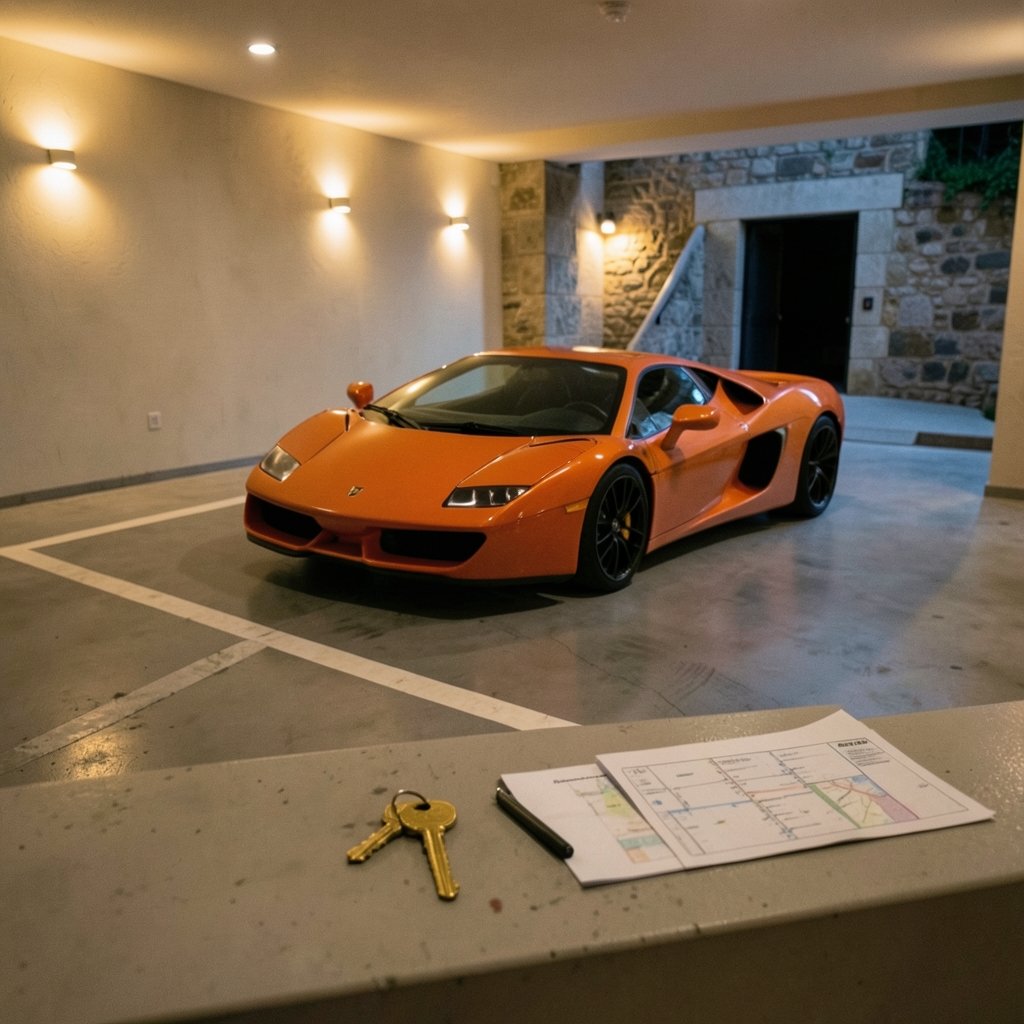
A standard parking space is about 2.4 meters wide. A Lamborghini Huracán is roughly 1.9 meters wide with the mirrors folded, and its doors swing out far enough to make a tight bay feel like a trap. That math explains why so many supercar owners quietly dread hotel check-in. The car is worth more than most people’s houses, the ramp is steep, the valet is nineteen, and the garage was designed in 1974 for a Renault 4.
Boutique hotels make this trickier still. They tend to sit in old city buildings with heritage garages, narrow entrances, and no published parking policy beyond “subject to availability.” The good news: a subset of small, design-led properties have turned secure, generous parking into a genuine selling point. This guide explains how to find them, what to ask before booking, and which features separate a stress-free stay from a scratched bumper.
Why Boutique Hotels and Supercars Are an Awkward Match
Large resort hotels often have the space to build dedicated exotic-car bays. Boutique properties, by contrast, usually occupy converted townhouses, former factories, or historic villas. Their charm comes from tight staircases and intimate courtyards, and those same features make vehicle access hard.
That mismatch is worth understanding before you start searching. A hotel can be genuinely luxurious and still be a poor choice for a low-slung car with a carbon front splitter. Ground clearance of around 10 to 12 centimeters is common on supercars, and a steep ramp with a sharp transition angle will scrape the nose no matter how careful the driver is.
Many travelers now choose hotels as destinations in themselves, judging a property by how well it handles the whole experience rather than just the room. That shift is visible in how people discover and review hotels that feel like a destination, weighing details like arrival logistics, valet quality, and whether the property protects what guests care about most.
What “Supercar Parking” Really Means at a Small Hotel
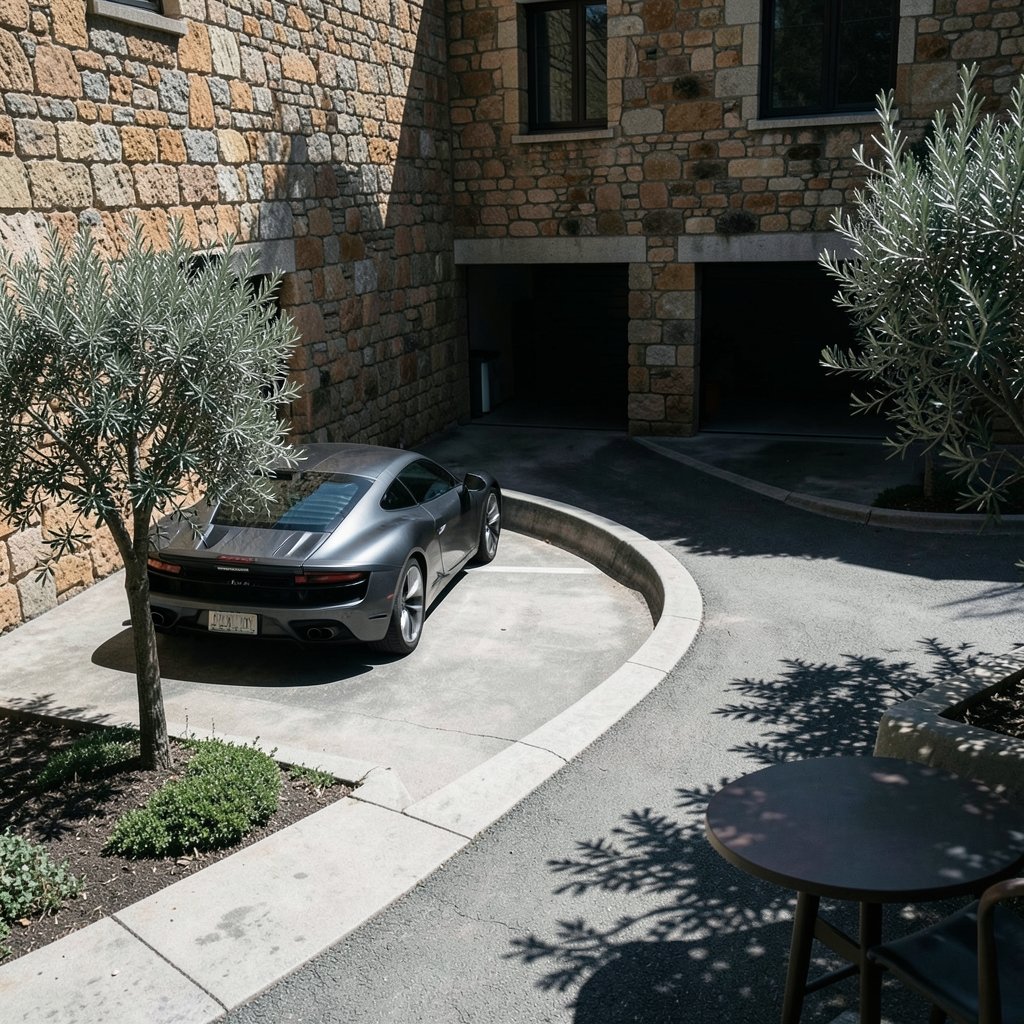
The phrase gets used loosely. In practice, it describes one of four arrangements, and they are not equal.
| Parking type | What it usually involves | Risk level for a supercar |
|---|---|---|
| Dedicated exotic bays | Wider, single-loaded spaces away from traffic | Low |
| Secure underground garage | Gated access, CCTV, but possibly tight ramps | Medium |
| Valet with covered storage | Staff park the car, often off-site | Medium to high |
| Open courtyard or forecourt | Visible, convenient, but exposed | Low damage risk, higher theft/weather risk |
The safest option for a valuable car is usually a dedicated bay or a wide, single-loaded space where nobody can park beside you. Underground garages can be excellent, but only if the ramp gradient and clearance suit your car. Valet parking sounds convenient until you learn the car is stored three streets away in a public facility.
The Features That Separate a Good Property From a Great One
Rather than chasing brand names, focus on verifiable physical details. These are the factors that consistently matter.
Ramp angle and ground clearance
Ask for the ramp gradient and any speed-bump heights. A garage entrance with a sharp lip at the bottom is worse than a steep but smooth slope. Some hotels will send a photo of the entrance on request, which tells you more than any description.
Bay width and door-swing room
A bay beside a concrete pillar is not a supercar bay. Single-loaded rows, end bays, and spaces with a wall on one side only are far safer for wide doors and low sills.
Security and access control
Gated garages with CCTV, fob access, and staff on duty overnight are the baseline. Open forecourts are fine for a night but less appealing for a week.
Valet competence and insurance
If valet is mandatory, ask who drives the car, whether they are insured for high-value vehicles, and whether they have experience with low-clearance cars. A hotel that hesitates on these questions is telling you something.
Charging and EV provisions
Increasingly relevant as hybrid supercars become common. A garage with accessible power points is a small but real advantage.
Practical Tips That Save Bumpers
These habits come from the realities of tight urban garages and are worth adopting regardless of which hotel you choose.
- Call the property directly. Booking sites rarely list ramp gradients or bay dimensions. A two-minute call to the front desk resolves what a hundred reviews cannot.
- Ask for photos of the entrance and the bay. Legitimate hotels will oblige. Reluctance is information.
- Request a specific space in writing. “Secure parking” means little; “end bay, level -1, reserved” means a lot.
- Arrive in daylight if possible. First-time navigation of an unfamiliar ramp is easier with full visibility.
- Bring your own wheel chocks and a cover. Cheap insurance against the careless door of a neighboring guest.
- Confirm the height restriction. Roof height matters if you drive something with a low roofline and a roof box, or a taller SUV alongside the supercar.
- Photograph the car on arrival. A dated photo of all four corners protects you in any dispute.
A common mistake is assuming that a five-star rating guarantees suitable parking. It does not. Star ratings reflect service, amenities, and guest experience, not garage engineering. Another frequent error is booking the cheapest room category and expecting a reserved bay; parking is often allocated by room tier or on a first-come basis.
How to Vet a Hotel Before You Book
A simple sequence works well.
- Check the hotel’s own website for a parking or arrival page, usually filed under practical information or FAQs.
- Call and ask three questions: ramp gradient, bay width, and whether the space can be reserved.
- Cross-check recent guest reviews for mentions of the garage, valet, or damage.
- Confirm the cancellation policy in case the parking answer is unsatisfactory.
- Reconfirm by email a week before arrival and keep the reply.
This process takes perhaps twenty minutes and removes most of the risk. It also filters out properties that advertise “parking available” when they mean a public multi-storey two blocks away.
Where Boutique Hotels Get It Right
Small properties that handle supercars well tend to share a few traits. They are often outside dense historic centers, where land allows a proper garage. They frequently cater to a motoring-inclined clientele and say so plainly on their websites. And they usually treat parking as part of the guest experience rather than an afterthought.
Design-led hotels in converted industrial buildings often have an advantage, since loading bays and freight access translate into generous vehicle entrances. Rural and coastal boutique properties with private forecourts can be excellent too, provided the surface is paved and the area is monitored.
The pattern worth remembering is that specificity signals competence. A hotel that publishes its ramp gradient, bay count, and valet hours has thought about cars. One that writes “parking possible” has not.
Matching the Property to the Car
Not every supercar has the same needs. A classic air-cooled sports car with no power steering and a fragile front end has different requirements from a modern all-wheel-drive hybrid with nose-lift suspension.
| Car characteristic | What to prioritize |
|---|---|
| Very low splitter, no nose lift | Flat ramps, no speed bumps, ground-floor bays |
| Wide body, long doors | Single-loaded bays, end spaces, generous turning circle |
| Classic or collector car | Covered, monitored storage; avoid street-level forecourts |
| Hybrid or EV supercar | Garage with accessible charging |
| Track-focused, stiff suspension | Smooth surfaces, gentle ramp transitions |
Owners of low cars should ask specifically about speed bumps inside the garage, which are frequently overlooked and can be more damaging than the ramp itself.
The Booking Conversation That Prevents Problems
The single most effective step is a short, specific conversation with the hotel. A script helps.
Ask whether the garage is on-site or nearby, whether the space can be reserved for your dates, what the ramp gradient and clearance are, whether valet is compulsory, and who holds insurance while the car is in the hotel’s care. Then ask them to confirm the answers by email.
Hotels that handle supercars regularly answer these questions fluently and often volunteer extra detail. Hotels that do not will hedge, which is your cue to look elsewhere. This is not about being demanding; it is about matching expectations before money changes hands. (FIA)
For travelers who treat the property as part of the trip, this diligence fits naturally into how they explore hotels worth planning a journey around, where arrival logistics are part of the appeal rather than an inconvenience.
Common Mistakes to Avoid
Several errors come up again and again.
Assuming that “valet parking” means secure storage is the biggest. In many city hotels, valets use public garages with no special protection.
Trusting a booking site’s parking icon is another. The icon often means “parking nearby, for a fee,” not “secure garage on site.”
Ignoring the arrival time is a third. Arriving at 11 p.m. to a narrow ramp with no staff on hand turns a minor inconvenience into a genuine problem.
Finally, skipping the confirmation email leaves you with nothing to point to if the reserved bay has been given away. Written confirmation is the difference between a promise and a record.
Conclusion
Finding the best boutique hotels with supercar parking is less about chasing a list of famous names and more about asking the right questions. The properties that handle valuable cars well are specific: they publish ramp details, reserve named bays, insure their valets, and answer emails promptly. The ones that do not are usually revealing that parking is an afterthought.
Start with the physical facts. Confirm the ramp, the bay, the security, and the insurance. Get it in writing. Then book with confidence, because the difference between a relaxed stay and a repair bill often comes down to a single phone call made before you arrive. A hotel that takes your car as seriously as its interiors is worth the extra effort to find.
Frequently Asked Questions
Do boutique hotels usually offer secure supercar parking?
It varies widely. Many small properties in historic buildings have limited or no on-site parking and rely on nearby public garages. Others, particularly conversions of industrial buildings or rural properties, offer gated garages with dedicated bays. The only reliable way to know is to contact the hotel directly and ask for specifics.
Is valet parking safe for an expensive car?
It can be, but only when the hotel confirms three things: that valets are trained and insured for high-value vehicles, that the car is stored in a secure facility rather than a public garage, and that liability terms are clear. Ask for these details in writing before handing over the keys.
What ramp gradient is too steep for a supercar?
There is no single universal figure, because approach angle, wheelbase, and front overhang all matter. As a practical rule, ask the hotel for the gradient and any transition lips, then compare with your car’s approach angle. If the hotel cannot answer, request a photo of the entrance. (Boutique hotel)
Can I reserve a specific parking space in advance?
Some hotels will reserve a named bay, especially for guests in higher room categories or longer stays. Others allocate on arrival. Always ask, and request written confirmation of any reservation so there is a record if the space is reassigned.
What should I ask before booking a hotel with my supercar?
Ask about on-site versus nearby parking, ramp gradient and clearance, bay width and whether it is single-loaded, speed bumps inside the garage, valet insurance, and whether the space can be reserved. Confirm the answers by email and keep the reply.
Are rural boutique hotels better for supercar parking than city ones?
Often, yes. Rural and coastal properties typically have more land, allowing paved forecourts and wider garages with gentler access. City boutique hotels face space constraints that make tight ramps and shared bays more common. That said, a well-run city property with a modern underground garage can be excellent, so verify the specifics either way.