
Back Tattoos in 2026: Placement, Pain, Cost & Aftercare
 Abdul WadoodLast updated
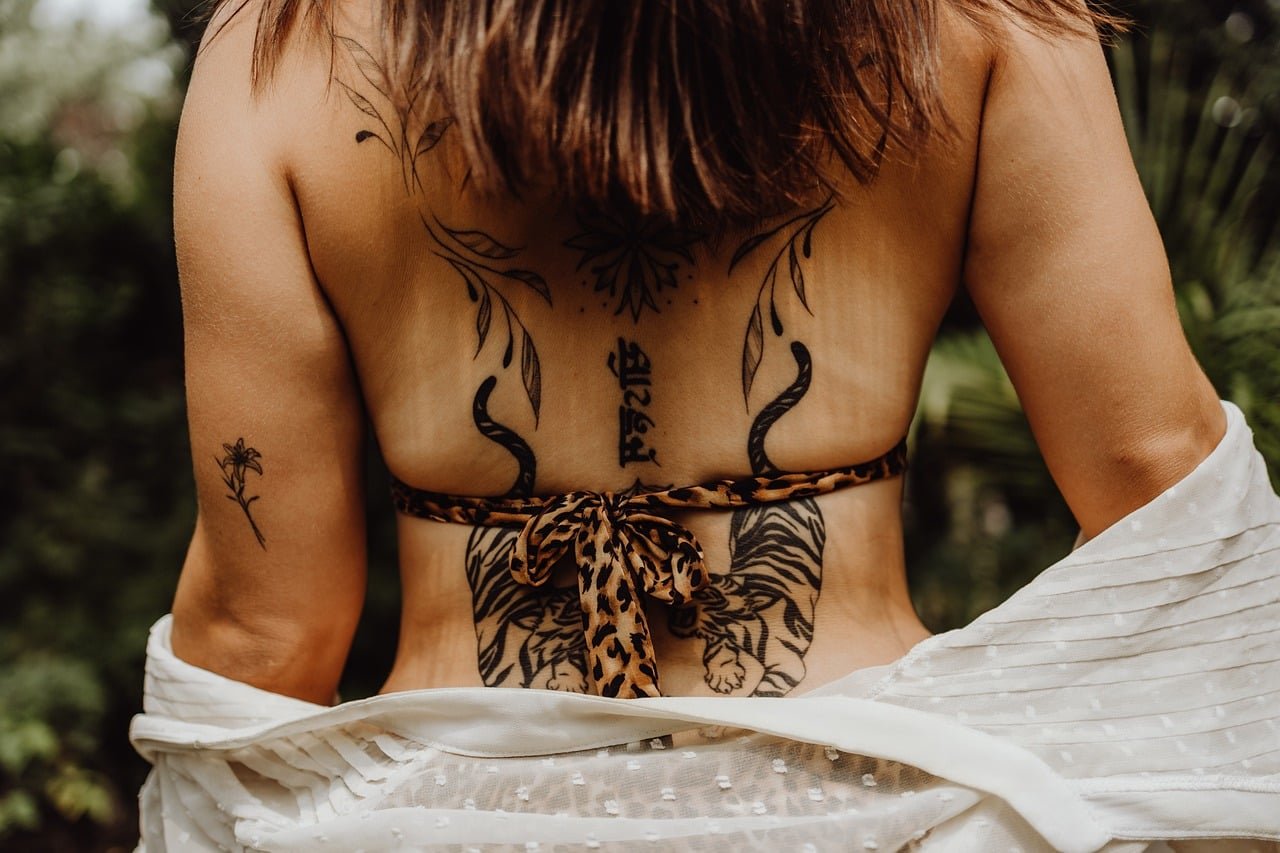
A back tattoo is the largest canvas a person can offer a tattoo artist, and it is also the one most likely to be seen by almost no one. That contradiction explains why back pieces draw interest. They stay private in daily life and become public only on the terms of the person wearing them. They are also, by surface area, the biggest commitment in tattooing, which is why a back piece can take anywhere from a single afternoon to several years of monthly sessions. (Tattoo)
The numbers back this up. Tattooing has moved from fringe to mainstream across much of the world, and surveys tracking tattoo prevalence consistently show that a substantial share of adults in Western countries now have at least one. Back tattoos sit near the top of preferred placements for large-scale work, simply because no other body area offers the same uninterrupted space. What follows is a practical, honest look at what a back tattoo involves: the design decisions, the pain map, the real costs, the healing process, and the mistakes that turn a great idea into an expensive cover-up.
Why the Back Is the Most Practical Canvas for Large Work
Tattoo artists think about the body in terms of flow, curvature, and available space. The back wins on all three. A full back piece can run from the base of the neck to the top of the buttocks, wrapping slightly around the ribs and shoulders. That is a continuous field large enough to hold a detailed scene, a symmetrical mandala, a full Japanese irezumi composition, or a portrait with proper breathing room.
Small tattoos on the back are a different story. A tiny design floating in the middle of the upper back can look lost, and placement matters enormously. Many artists will gently steer clients toward the shoulder blade, the spine line, or the nape of the neck for smaller pieces, because those spots give a small design an anchor.
There is also a practical advantage that rarely gets mentioned: the back is easy to hide. Office dress codes, family gatherings, and formal events all become simpler when the artwork lives under a shirt. For people who love tattoos but work in conservative environments, that flexibility is often the deciding factor.
Common Back Tattoo Styles and What Suits the Space
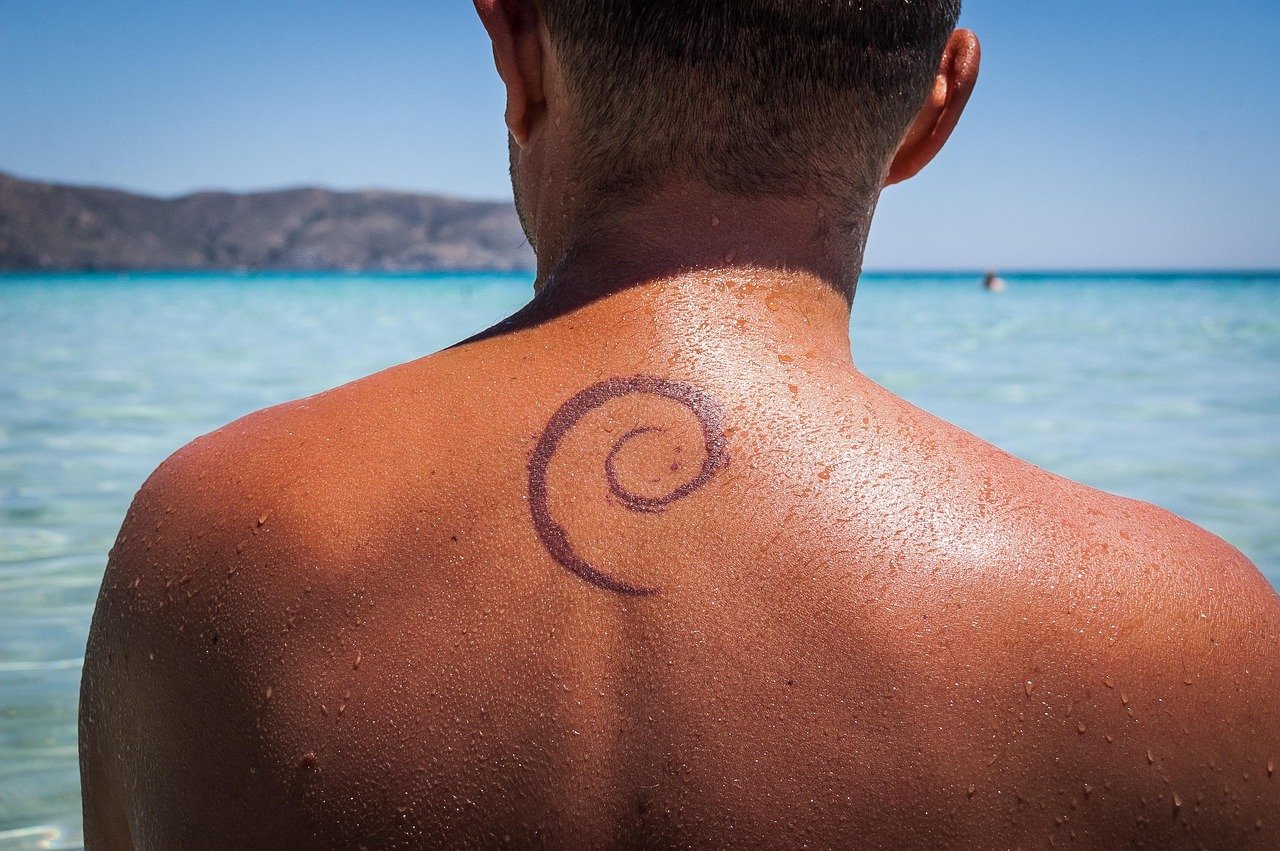
Not every style scales well. Fine line work that looks delicate on a forearm can blur into a smudge across a wide back within a few years, because lines spread as ink settles and skin ages. Bold, high-contrast styles hold up far better over decades.
| Style | Best fit on the back | Longevity notes |
|---|---|---|
| Japanese irezumi | Full back, shoulder to thigh | Designed for large fields; bold outlines age well |
| Blackwork and geometric | Upper back, spine, full back | Strong contrast; needs precise symmetry |
| Realism and portraits | Mid to upper back | Demands skilled shading; can soften over time |
| Traditional and neo-traditional | Shoulder blades, full back | Heavy outlines and saturated color last |
| Script and lettering | Spine, shoulder line | Keep font size large enough to stay legible |
| Fine line and minimalist | Small accents only | Highest risk of blurring at scale |
The lesson is simple: match the style to the size. A design that needs to be viewed from two meters away should have thick enough lines and strong enough contrast to survive that distance. Artists often advise clients to look at healed work, not fresh work, before committing to a style. Fresh tattoos always look sharp. Healed tattoos tell the truth. (Tattoos and piercings: What to know)
How Much Does a Back Tattoo Hurt?
Pain is the question every first-timer asks, and the honest answer is that it depends on where on the back the needle lands. The back is generally one of the more forgiving areas for tattooing, largely because it has thick skin and fewer nerve endings than places like the ribs, armpits, or feet. But it is not uniform.
The spine itself is uncomfortable, not because bone hurts more, but because the skin sits directly over it and vibrations travel. The shoulder blades are moderate. The lower back near the waistband is sensitive. The ribs and the area near the armpit are genuinely painful, which is why full back pieces that wrap around the sides tend to be the hardest sessions.
Duration matters as much as location. A three-hour session on the upper back is manageable for most people. A six-hour session covering the whole back is a test of endurance, and many artists break full back pieces into sessions of four to six hours spread weeks or months apart. Numbing creams exist, but their effect is inconsistent and some artists refuse to work with them because they change skin texture. The most reliable comfort strategy is boring: sleep well, eat a real meal beforehand, stay hydrated, and take breaks.
Real Costs and Time Commitments
Back tattoos are expensive, and the price scales with size in a way that surprises people. A small design on the shoulder might cost a few hundred dollars. A full back piece from an experienced artist can run into the thousands, and premium artists in major cities charge accordingly. Most artists price by the hour, with rates varying widely by region and reputation.
Time is the other cost. A full back piece typically requires multiple sessions totaling anywhere from 15 to 50 hours or more, depending on detail and style. That means months of planning, healing, and scheduling. Anyone considering a large piece should ask the artist for a realistic session estimate up front, then add a buffer of at least 30 percent. Backs take longer than clients expect, every time.
Preparing for a Back Tattoo Session
Preparation is where first-timers most often stumble. A few practical steps make a real difference:
- Book a consultation before booking the tattoo. Discuss size, placement, and how many sessions the artist expects.
- Eat a substantial meal one to two hours before the appointment. Low blood sugar is the most common cause of feeling faint.
- Wear or bring a button-up shirt. Pulling a t-shirt over a fresh back tattoo is genuinely unpleasant.
- Avoid alcohol for 24 hours beforehand. It thins the blood and affects how ink settles.
- Bring water and a snack for longer sessions, and don’t be shy about asking for breaks.
- Arrange a ride home if the session is long, especially if it covers the lower back.
One common mistake deserves its own warning: booking a full back piece as a first tattoo. It is not impossible, but it is a steep learning curve. Most artists recommend starting with something smaller to learn how your body handles pain and healing before committing to a multi-session project. If the skin reacts badly or the healing process goes sideways, a small piece is far easier to manage than a full back.
Aftercare: What Actually Works
Back tattoos are notoriously awkward to heal because the wearer cannot easily see or reach the area. The fundamentals are the same as for any tattoo: keep it clean, keep it lightly moisturized, and keep it out of the sun. But the back adds specific challenges.
Sleeping is the big one. Side sleeping is usually fine. Stomach sleeping is not, at least for the first week. Loose, breathable clothing reduces friction, and a clean cotton shirt changed daily helps prevent irritation. Avoid scratching, picking, or peeling, no matter how tempting the flaking gets.
Sun protection is not optional. Ultraviolet light fades ink faster than almost anything else, and a back tattoo is exposed every summer. Once healed, sunscreen on exposed skin preserves contrast for decades. The same principles that keep any tattoo crisp apply here, and the general science of skin and hair care overlaps more than people expect. If you want a broader look at maintaining skin and hair health between sessions, the practical guidance in hair growth that works: science-backed tips for thinning hair covers the same underlying theme of consistency over quick fixes.
Friction and heat are the other hidden enemies. Tight straps, backpacks, and hot showers in the first two weeks all slow healing. A little patience during that window pays off for the life of the tattoo. For anyone dealing with irritation or texture changes on healed skin, the routine in how to fix frizzy hair: a practical science-backed routine that works is a useful reminder that gentle, consistent care beats aggressive intervention, a principle that applies to tattooed skin too.
Cultural Context and Design Responsibility
Back tattoos carry cultural weight that deserves respect. Japanese irezumi has a long and complicated history, including periods when it was associated with criminality and legally restricted, before becoming an internationally admired art form. Polynesian tattoo traditions encode genealogy, status, and identity, and specific patterns belong to specific cultures. Wearing those designs without understanding them is a conversation worth having with an artist before the needle comes out.
This is not about gatekeeping. It is about doing a little homework. Ask where a motif comes from, what it means, and whether an artist is the right person to execute it. Many artists will decline to copy sacred designs from cultures they don’t belong to, and that restraint is usually a sign of a good studio.
Conclusion
A back tattoo is the biggest decision most people will ever make in a tattoo chair. It demands more money, more sessions, and more patience than almost any other placement, and it rewards that investment with a piece that can hold detail and composition no other body area can match. The people who end up happiest with their back pieces tend to share a few habits: they consult before they commit, they choose bold styles that age well, they prepare properly for long sessions, and they treat aftercare as seriously as the artwork itself. Get those four things right, and the tattoo will still look deliberate in twenty years rather than something to cover up.
Frequently Asked Questions
How long does a full back tattoo take?
Most full back pieces require multiple sessions spread over months, totaling roughly 15 to 50 hours of chair time depending on detail. A simpler blackwork design might finish in three or four sessions, while a detailed irezumi or realism piece can take a year or more of regular appointments.
Is a back tattoo more painful than other placements?
Generally, the back is one of the more comfortable areas to tattoo because the skin is thick and nerve density is lower than on the ribs or feet. The spine, lower back, and areas wrapping toward the ribs are the most sensitive parts. Session length often matters more than location.
How much should I expect to pay for a back tattoo?
Costs vary widely by size, artist reputation, and region. Small upper-back designs may cost a few hundred dollars, while a full back piece from an experienced artist can run into the thousands. Ask for an hourly rate and a session estimate during your consultation.
Can I get a back tattoo as my first tattoo?
It is possible, but most artists advise against starting with a full back piece. A smaller tattoo lets you learn how your body handles pain and healing before committing to a multi-session project. If you do start big, choose a simple style and plan generously.
How do I sleep after getting a back tattoo?
Side sleeping is usually fine. Avoid lying on your stomach for the first week. Wear loose, clean cotton clothing to reduce friction, change your shirt daily, and keep bedding clean. A light moisturizer applied sparingly helps with tightness.
Do back tattoos fade faster than other tattoos?
Not inherently, but they are more exposed to sunlight over a lifetime, and sun exposure is the main cause of fading. Bold outlines and high-contrast designs hold up best. Daily sunscreen on exposed skin once healed is the single most effective way to preserve a back piece.