
Back Tattoos for Men: Placement, Pain & Designs That Age Well
 Abdul WadoodLast updated
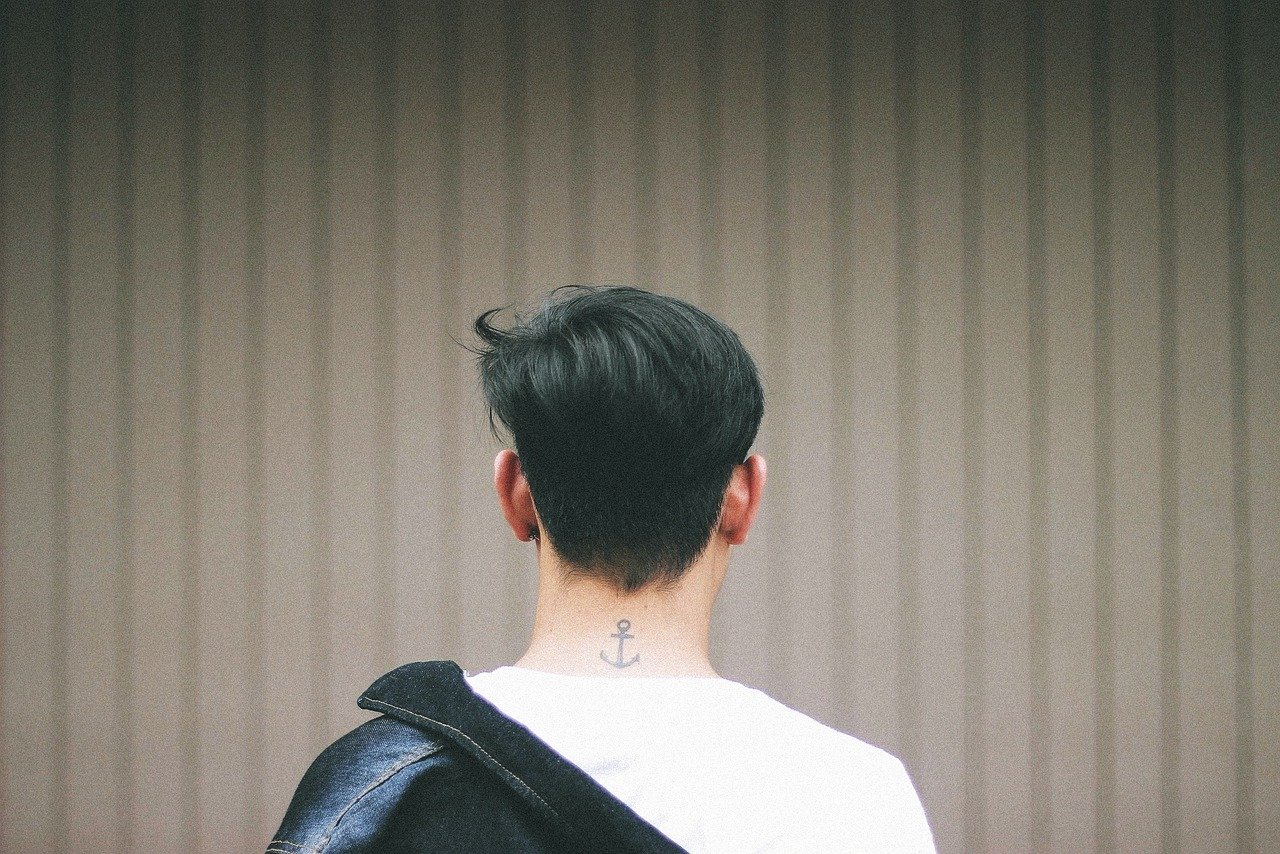
Roughly a third of adults in the United States have at least one tattoo, according to Pew Research Center’s survey of Americans and their tattoos. That single number explains a lot about why back tattoos for men have shifted from biker-signal to mainstream wardrobe. The back is the largest flat canvas on the body, it hides under a shirt, and it holds detail better than almost anywhere else. It is also the spot where bad planning becomes most expensive, because a full back piece is the longest, most painful, and least reversible project most people will ever commission. (Tattoo)
Why the Back Is the Smartest Large-Scale Canvas
Ask any artist who has spent a decade behind the machine and they will tell you the same thing: the back is forgiving. Skin there is thick, relatively uniform, and stretches less than the ribs or inner arm. It also does not sag the way a bicep does after twenty years of gravity and gym time, which is why a well-executed back piece tends to look sharper at fifty than a small forearm script.
There is a practical reason too. A back tattoo can be covered for work, revealed on purpose, and designed as a single composition rather than a patchwork of impulse decisions. Men who start with a full-back plan almost never regret the scale. Men who start with three unrelated small pieces on the shoulder blades often end up paying for laser sessions or a heavy cover-up.
The Trade-Off Nobody Mentions
The back is hard to see. You will need a second mirror, a phone camera, or a patient partner to check healing. Minor irritation, a missed patch of ointment, or a scab you keep scratching can go unnoticed for days. That is the hidden cost of a canvas you cannot monitor directly.
Upper Back, Full Back, or Spine: Matching Placement to Commitment
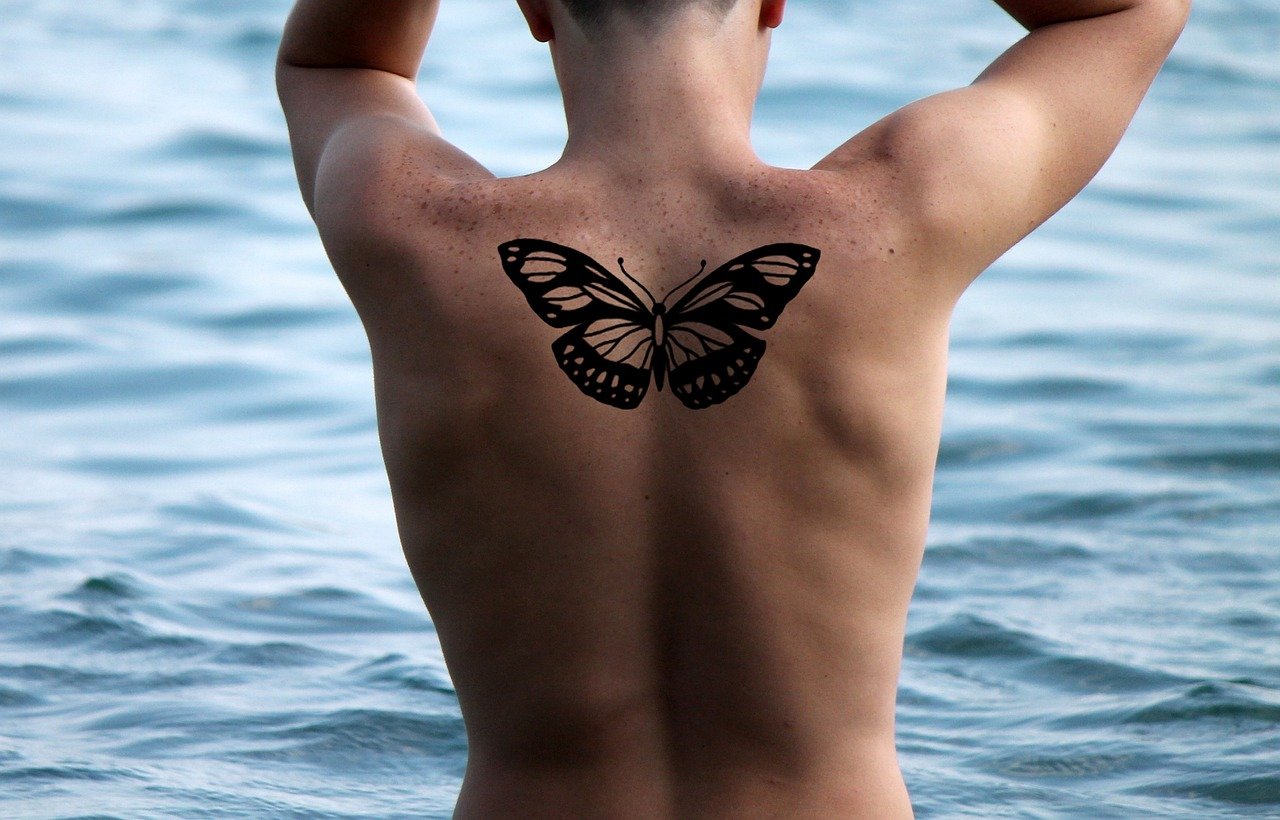
Placement drives pain, budget, and how visible the piece is in daily life. Here is how the main options compare in practice.
| Placement | Typical pain level | Session count | Visibility | Best for |
|---|---|---|---|---|
| Upper back / shoulder blades | Moderate | 1–3 | Hidden by most shirts | First-timers testing the waters |
| Spine | Higher | 1–2 | Hidden | Vertical, symmetrical designs |
| Mid-back | Moderate | 2–4 | Hidden | Medium statement pieces |
| Full back | High, with spikes over the spine and kidneys | 6–15+ | Fully hidden | Long-term single composition |
| Lower back | Moderate to high | 1–3 | Hidden | Bold geometric or blackwork |
A useful rule: if the design cannot be described in one sentence, it is probably a full-back idea being squeezed into an upper-back space. Artists see this constantly, and it forces awkward compromises, usually a design that looks cramped at the edges or loses its focal point.
How Much Does It Actually Hurt?
Pain is subjective, but the pattern is consistent. The upper back and shoulder blades are described by most clients as manageable, comparable to a firm scratch. The spine produces sharp, electric jolts because the needle works directly over bone with little muscle cushioning. The lower back and the area over the kidneys are widely reported as the worst, with a deep, aching quality that wears people down over long sessions.
What genuinely helps, based on what artists and experienced clients report:
- Book shorter sessions. Three hours repeated six times beats one heroic eight-hour marathon that leaves you shaking and the artist rushed.
- Sleep and eat properly beforehand. Low blood sugar is the most common cause of mid-session fainting.
- Skip alcohol for 24 hours before. It thins the blood and increases bleeding, which dilutes ink and dulls the final result.
- Bring a distraction and a snack. Long back sessions are as much an endurance test as a pain test.
- Speak up about breaks. Artists would rather pause than watch a client go grey.
The pain is temporary. The layout decisions are not. That single line is worth taping to the studio wall.
Design Directions That Hold Up Over Decades
Trends move fast in tattooing, and the back is the worst place to chase one. A design that feels fresh at twenty-eight can feel like a costume at forty-five. The pieces that age best share three traits: strong silhouettes, limited color palettes, and clear negative space.
Blackwork and Geometric Compositions
Bold blackwork reads well from a distance and stays legible as skin changes. Symmetrical geometric layouts suit the spine and mid-back especially well because the body already provides a centerline. The risk here is over-filling: when every square inch is covered, the design collapses into a dark mass at ten paces.
Traditional and Neo-Traditional Motifs
Classic imagery such as eagles, koi, daggers, and roses remains popular because the visual language is proven. Neo-traditional versions add depth and a wider palette. These designs need breathing room, so they suit full-back and upper-back placements rather than tight mid-back panels.
Realism and Portraiture
Realism demands the most technical skill and the most maintenance. Fine shading softens over time, and sun exposure accelerates that fade. If the piece matters, sunscreen becomes non-negotiable. For anyone already battling skin and hair issues, the same discipline applies elsewhere, which is why routines for fixing frizzy hair with a practical, science-backed approach and tattoo aftercare share a common principle: consistency beats intensity.
Script and Minimal Linework
Small script on the upper back is popular and low-commitment, but thin lines blur faster than bold ones. Ask the artist to size the lettering up slightly rather than down. A design that looks elegant on paper at two inches often becomes an unreadable smudge at one.
The Consultation Is Where the Piece Is Won or Lost
Most disappointing back tattoos are not the result of a bad artist. They are the result of a rushed consultation. A proper session involves measuring the available space, mapping the design onto the body while standing, and discussing how the piece will look from multiple angles. Bring references, but bring them as direction, not as a photocopy request.
Questions worth asking before a deposit changes hands:
- How many sessions do you estimate, and how long is each?
- Can I see healed work as well as fresh photos?
- How will the design flow with my existing tattoos, if any?
- What is your policy on touch-ups after healing?
- Will you draw directly on my back before we start?
That last question matters more than people realize. Freehand mapping on the body catches proportion problems that a flat drawing cannot.
Aftercare, Healing, and the Long Game
A full back heals differently from a forearm. Sleeping on it is nearly impossible to avoid, friction from clothing is constant, and the reach problem makes applying ointment awkward. Expect the first week to be uncomfortable and the surface to look worse before it looks better.
Practical aftercare that actually works:
- Wash gently with fragrance-free soap twice daily, then pat dry with a clean paper towel.
- Apply a thin layer of recommended ointment. Thick layers trap moisture and encourage bacterial growth.
- Wear loose, breathable shirts for the first two weeks.
- Avoid swimming pools, hot tubs, and direct sun until the surface has fully closed.
- Do not pick or scratch. Flaking is normal; pulling ink out is not.
- Moisturize daily once healed, and use sunscreen whenever the back is exposed.
Ink regulation varies by country, and that is worth knowing before booking. The European Union restricted thousands of hazardous substances in tattoo inks under its chemicals regulation, while oversight in the United States runs through the FDA’s monitoring of inks and pigments rather than a pre-market approval system. Ask your artist which ink brands they use and whether those brands publish pigment safety data. A professional will answer without flinching.
Common Mistakes Men Make With Back Tattoos
The same errors appear again and again in studios:
- Starting too small. A palm-sized piece floating in the middle of a large back looks lost. Scale up or move it.
- Ignoring the spine. Designs that cross the spine without accounting for the natural centerline look crooked when the body moves.
- Chasing a trend. A design chosen because it is everywhere this year will feel dated in five.
- Skipping the cover-up conversation. If you already have old work, plan the new piece around it from day one.
- Underestimating cost. Full-back work is a multi-thousand-dollar commitment spread over months. Budget for it like a major purchase, because it is one.
For men dealing with thinning hair or scalp concerns, there is a parallel lesson worth borrowing: patience and a plan beat quick fixes. The same evidence-first mindset behind hair growth approaches that science actually supports applies to tattoo planning. Research the fundamentals, ignore the hype, and give the process time.
Conclusion
Back tattoos for men work best when they are treated as architecture rather than decoration. The back rewards scale, symmetry, and patience, and it punishes impulse. Decide on placement with your shirt on and off. Choose a design that reads clearly from three meters away. Sit for shorter sessions. Follow aftercare like a routine rather than an afterthought. Do those four things and the piece will still look intentional a decade from now, which is more than most people can say about the tattoo they got at twenty-two.
Frequently Asked Questions
How painful is a back tattoo compared to other spots?
Most people rate the upper back as moderate and the spine and lower back as significantly sharper. The fleshy areas over the shoulder blades are the easiest part. Compared with ribs, feet, or inner arm, a full back is generally considered more tolerable overall, though the length of sessions makes it feel harder.
How many sessions does a full back tattoo take?
Plan on six to fifteen sessions depending on size, detail, and color. Large blackwork pieces can move faster; realism with fine shading takes longer. Most artists cap sessions at three to five hours so quality stays consistent.
How much should a back tattoo cost?
Costs vary widely by city, artist reputation, and complexity. Upper-back pieces typically run from a few hundred to low four figures, while full-back work often lands in the multi-thousand range across the whole project. Always confirm the hourly or session rate and deposit terms in writing.
Can I get a back tattoo if I have moles or skin conditions?
Often yes, but the artist should work around moles rather than over them, and any changing mole should be checked by a doctor first. If you have a history of keloids, psoriasis, or eczema, raise it during consultation so the design and placement can be adjusted.
How long does a back tattoo take to heal?
Surface healing takes two to four weeks. Deeper layers take two to three months to settle fully. The back heals slower than the arm because clothing friction and sleep pressure are hard to avoid, so expect flaking and itching to last a little longer.
Do back tattoos fade faster than other placements?
Not inherently, but sun exposure is the main enemy and backs get plenty of it at the beach. Daily sunscreen once healed and moisturizing regularly will keep lines crisp. Fine detail and light shading fade first, which is why bold outlines matter for longevity.