
AWD Cars Explained: How All-Wheel Drive Works in 2026
 Abdul WadoodLast updated

Roughly one in three new vehicles sold in the United States now comes with all-wheel drive, a share that has climbed steadily as crossovers replaced sedans in driveways. Yet plenty of buyers still pay extra for AWD without knowing what it does, when it helps, or when it quietly costs them money. This guide cuts through the marketing language and explains what AWD cars really are, how the systems differ, and how to decide whether you need one.
What Does AWD Actually Mean?
All-wheel drive means a vehicle can send engine power to all four wheels. That sounds simple, but the engineering behind it varies enormously. Some systems are permanent, splitting torque front to rear at a fixed ratio. Others are on-demand, meaning the car drives mostly with two wheels until sensors detect slip and a clutch pack engages the rear axle.
The core idea is traction. When a front wheel loses grip on wet pavement, snow, or loose gravel, an AWD system can redirect torque to wheels that still have traction. That helps the car move forward and stay stable. It does not help the car stop faster. Braking distance depends on tires and road surface, not on how many wheels are driven. This is the single most misunderstood point in the whole conversation.
AWD vs. 4WD: Not the Same Thing
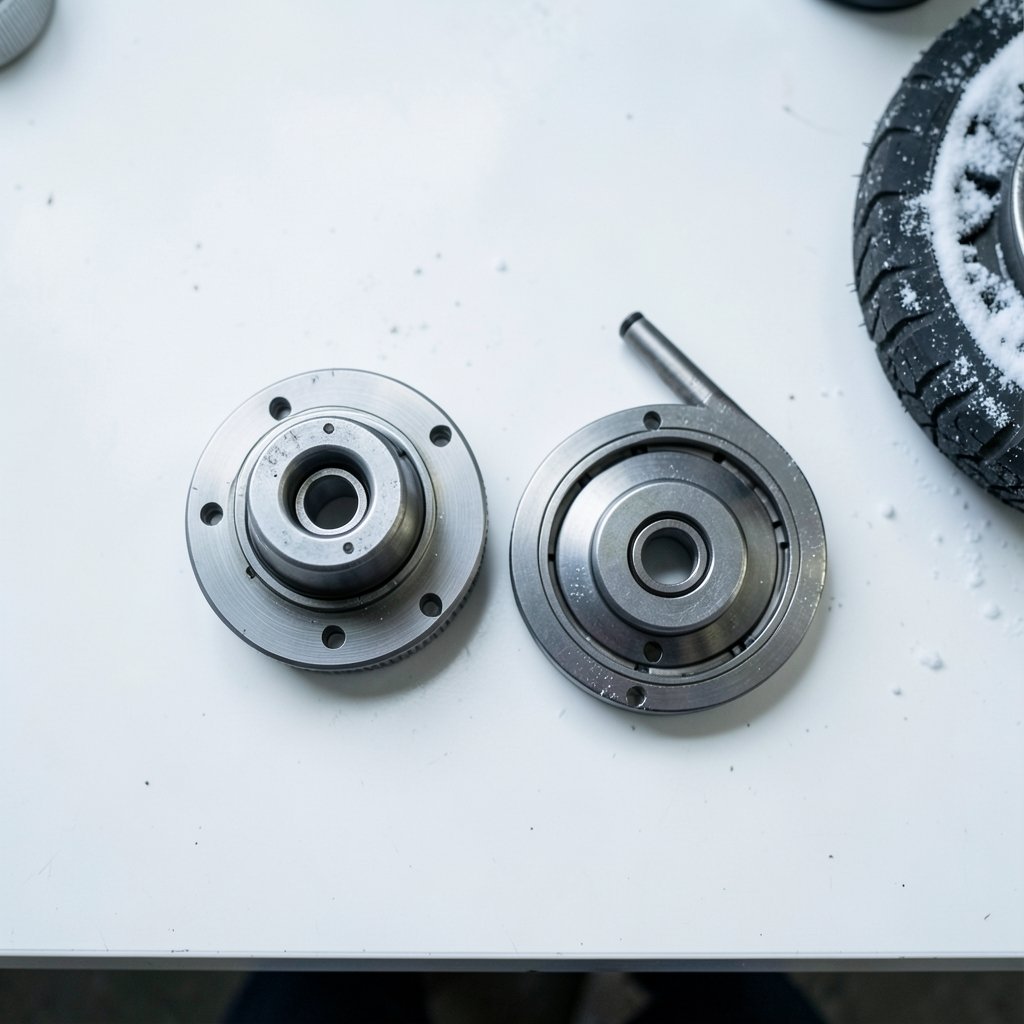
Shoppers constantly mix these up, and manufacturers do not help by using the terms loosely. Here is the practical distinction:
| Feature | AWD | 4WD (4×4) |
|---|---|---|
| Typical use | Cars, crossovers, SUVs | Trucks, off-road SUVs |
| Engagement | Automatic, often on-demand | Often manual (driver selects) |
| Low-range gearing | Rare | Common |
| Center differential | Usually present | Sometimes absent (part-time) |
| Best for | Rain, snow, light trails | Heavy snow, mud, rock, towing |
| Fuel penalty | Smaller, sometimes minimal | Larger |
A traditional part-time 4WD system should not be used on dry pavement because the front and rear axles lock together and bind during turns. Most AWD systems avoid this problem with a center differential or a clutch that can slip. If a buyer’s real need is a snowy commute rather than a logging road, AWD is almost always the better fit.
The Main Types of AWD Systems
Full-Time AWD
Power flows to all four wheels at all times. Audi’s quattro badge, which debuted in 1980, helped popularize permanent all-wheel drive in passenger cars. Subaru’s symmetrical system is another well-known full-time design. These setups feel planted in bad weather but add weight and driveline friction.
On-Demand AWD
This is the most common design in mainstream crossovers. The vehicle runs as front-wheel drive most of the time, and a computer-controlled coupling engages the rear axle within milliseconds when slip is detected. It saves fuel and costs less to build. The trade-off is a slight delay before the rear wheels pitch in.
Electrified AWD
Many new electric vehicles get AWD simply by fitting a second motor to the other axle. There is no driveshaft, no center differential, and torque response is nearly instant. This is one of the cleanest ways to deliver all-wheel traction, and it is spreading fast across the market. For a closer look at how these drivetrains shape modern buying decisions, see Voozon Cars — Reviews, Comparisons & Car Guides.
Torque Vectoring
The cleverest systems move power front to rear and shift torque left to right, overdriving the outside wheel in a corner to help the car rotate. This blurs the line between traction aid and handling enhancement, and it is why some performance cars feel sharper with AWD than with rear-wheel drive. (All-wheel drive)
The Real Benefits of AWD
Traction on slippery surfaces is the headline. An AWD car can pull away from a stop on a wet hill or a snow-covered driveway where a front-wheel-drive car might spin. It also helps when towing a boat up a slick ramp or climbing a gravel grade.
There is a stability benefit too. Distributing power across four wheels can reduce the chance of a single wheel breaking loose and upsetting the car. In rain, that extra margin is genuinely useful, especially for drivers who are not especially confident in low-grip conditions.
AWD also changes the character of a performance car. Grip off the line improves dramatically, which is why so many quick sedans and electric hatchbacks now offer it. The cars built around experience often use AWD for safety and as a handling tool, as explored in The cars built around experience. (National Highway Traffic Safety Administration)
The Costs Nobody Mentions at the Dealership
Fuel economy. AWD adds weight and mechanical drag. The penalty is smaller than it once was, thanks to disconnect systems that idle the rear axle on the highway, but it is rarely zero. Buyers comparing trim levels should check the official fuel economy figures for the exact configuration, because the AWD version of a model often rates a few miles per gallon lower than the front-drive version.
Purchase price. AWD typically adds a four-figure premium over the same car in front-drive form. On some models it is bundled with a higher trim, pushing the real cost higher still.
Maintenance. There is extra hardware to service: a rear differential, a transfer case or coupling, and sometimes a dedicated fluid interval. Rear tires also wear differently on some systems, which makes rotation discipline more important.
Repair complexity. A failed clutch pack or differential is not a cheap fix. Extended warranties and pre-purchase inspections matter more on used AWD vehicles.
Common Mistakes Buyers Make
The biggest error is treating AWD as a substitute for winter tires. It is not. A front-wheel-drive car on proper winter rubber will stop and steer better on snow than an AWD car on worn all-seasons. Traction helps you go; tires help you stop and turn. Buy the tires first.
The second mistake is assuming every AWD badge means the same thing. A light on-demand coupling in a compact crossover is not the same hardware as a locking center differential in a serious off-roader. Shoppers should ask specifically what type of system the car uses and whether it can send meaningful torque to the rear.
The third is ignoring ground clearance. A low-slung AWD sedan will still high-center in deep snow. If winter driving is the goal, clearance and tire choice matter as much as which wheels are driven.
The fourth is skipping the test drive in bad conditions. Where possible, drive the exact model in rain or on a wet surface. Feel how the system engages. Some are seamless; others feel vague.
How to Choose the Right AWD Car
Start with the actual driving environment. A commuter in a rainy climate benefits from on-demand AWD for wet-road stability. A driver facing real winters wants AWD plus winter tires plus decent clearance. Someone who tows or ventures off pavement should look at a proper 4WD or a robust AWD system with low-range capability.
Then weigh the running costs honestly. Compare fuel economy ratings for the exact trim, check insurance and tire costs, and confirm the maintenance schedule. A useful comparison framework lives at Voozon Cars — Reviews, Comparisons & Car Guides – Voozon — Discover, Review & Explore, which helps shoppers line up trims side by side.
Finally, be honest about resale. In snowy regions, AWD holds value well and sells faster. In warm, dry markets, the premium often does not pay back. That regional difference is real and worth factoring into the decision.
AWD in the Electric Era
Electric vehicles have changed the calculus. A dual-motor EV gets AWD without a traditional driveline, so the weight penalty and mechanical drag are smaller than in combustion cars. Torque response is measured in milliseconds rather than the time it takes a clutch to engage. That makes electrified AWD both smoother and more efficient in normal driving.
The catch is that tires still do the stopping. A heavy EV with all-wheel drive can feel unstoppable in snow right up until the driver tries to brake. Weight cuts both ways: it aids traction and lengthens stopping distance.
Conclusion
AWD cars are genuinely useful machines, but they are not magic. The system improves traction and stability in low-grip conditions, and modern versions cost less in fuel than their predecessors. It does not shorten braking distances, replace winter tires, or turn a crossover into a trail rig. Buyers who understand the difference between full-time, on-demand, and electrified systems, and who budget for tires and maintenance, get real value from the extra hardware. Everyone else pays a premium for a badge. Match the drivetrain to the roads you actually drive, and AWD becomes a smart purchase rather than an expensive habit.
Frequently Asked Questions
Is AWD better than front-wheel drive in rain?
Yes, generally. AWD can send power to wheels with grip when the front tires start to slip on wet pavement, which improves acceleration and stability. The benefit is modest in light rain and more noticeable in heavy downpours or standing water. Braking and steering still depend on tire quality and speed.
Does AWD improve braking on snow?
No. All-wheel drive only affects how power reaches the wheels, not how the brakes work. Every vehicle has brakes at all four wheels regardless of drivetrain. Stopping distance on snow is determined by tire compound, tread depth, and speed. Winter tires make a far bigger difference than AWD.
Is AWD worth the extra cost?
It depends on climate and use. In snowy or rainy regions with hills, the traction and stability gains justify the premium for many drivers. In warm, dry areas, the fuel penalty and purchase cost often outweigh the benefits. Buyers should also factor in higher maintenance and tire costs over the life of the car.
Do I need winter tires on an AWD car?
Yes, if you drive in real winter conditions. AWD helps you accelerate, but winter tires help you stop and steer, which matters more for safety. An AWD car on worn all-season tires is a worse winter vehicle than a front-wheel-drive car on proper winter rubber.
What is the difference between AWD and 4WD?
AWD usually engages automatically and can be used on any surface, including dry pavement. 4WD is typically selectable by the driver, often includes low-range gearing, and is designed for trucks and off-road use. Part-time 4WD should not be used on dry pavement because the axles bind during turns.
Does AWD reduce fuel economy?
It usually does, because the extra driveline adds weight and friction. The gap has narrowed as manufacturers add disconnect systems that let the rear axle freewheel at cruising speed. Buyers comparing trims should check the official fuel economy rating for the exact AWD and front-drive versions rather than assuming they are identical.
Does AWD need special tires? No special type is required, but all four tires must match in size, brand, and tread depth. Mismatched tires on an AWD car can strain the center coupling or differential, because the system constantly compensates for differing wheel speeds. Rotating tires on schedule and replacing them as a set protects the drivetrain and avoids costly damage.
Can AWD be added after purchase? Not practically. Retrofitting a front-drive car with all-wheel drive means new axles, a rear subframe, a transfer case, and extensive electronics work — far more than the factory option costs. Buyers who want AWD should choose it at the dealership rather than plan a conversion later.
With those points settled, the decision comes down to honest self-assessment: match the hardware to your roads, budget for tires and upkeep, and AWD will earn its keep season after season.