
Arm Tattoos for Women: Placement, Style & Pain Guide
 Abdul WadoodLast updated
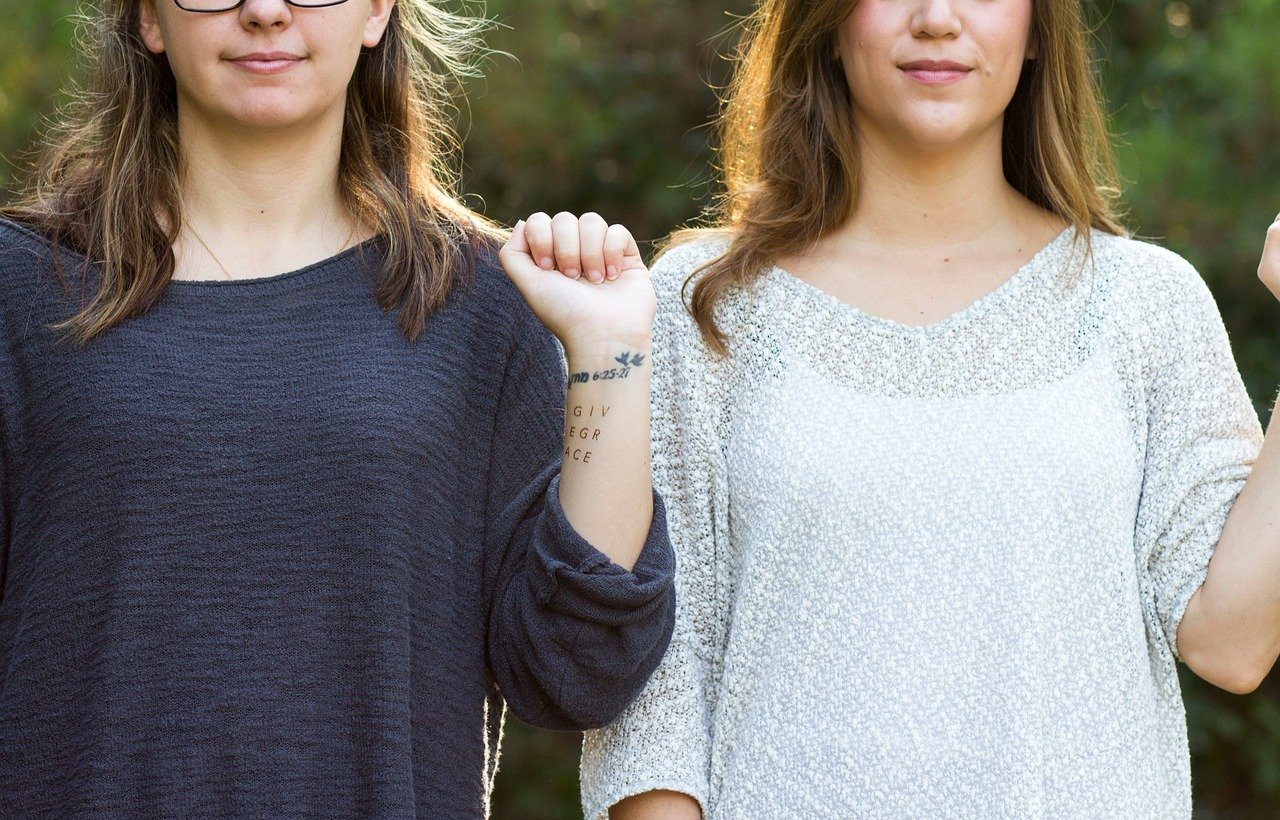
Arm tattoos for women have moved from edge case to everyday sight. Walk through any coffee shop, office, or school pickup line and you’ll see fine-line florals on forearms, delicate script on inner biceps, and full blackwork sleeves that took years to build. The arm has become one of the most popular canvases for a simple reason: it’s visible when you want it to be and easy to cover when you don’t. But choosing a design, a placement, and an artist is where most people get stuck. This guide walks through what actually works, what hurts, and what to plan before you sit in the chair.
Why the Arm Is the Most Practical Canvas
The arm offers something few other body parts do: flexibility. A small inner-wrist piece can stay hidden under a watch or sleeve. A half-sleeve can be shown off in summer and concealed in a meeting. That range of options makes the arm forgiving for first-timers and satisfying for collectors.
The skin itself matters too. The outer upper arm and forearm hold ink well because the skin is relatively thick and moves less than areas like the ribs or fingers. Ink on high-friction zones fades faster, which is why placement decisions should come before design decisions. Pick the spot first, then build the art around it.
One practical tip that saves regret: photograph the spot you’re considering and look at it in a mirror from a few feet away. Tattoos read differently at a distance than they do up close on a stencil. A design that looks balanced on paper can feel crowded or lopsided once it wraps around a curved limb. (Tattoos: Understand risks and precautions)
Common Placements and What Each One Delivers
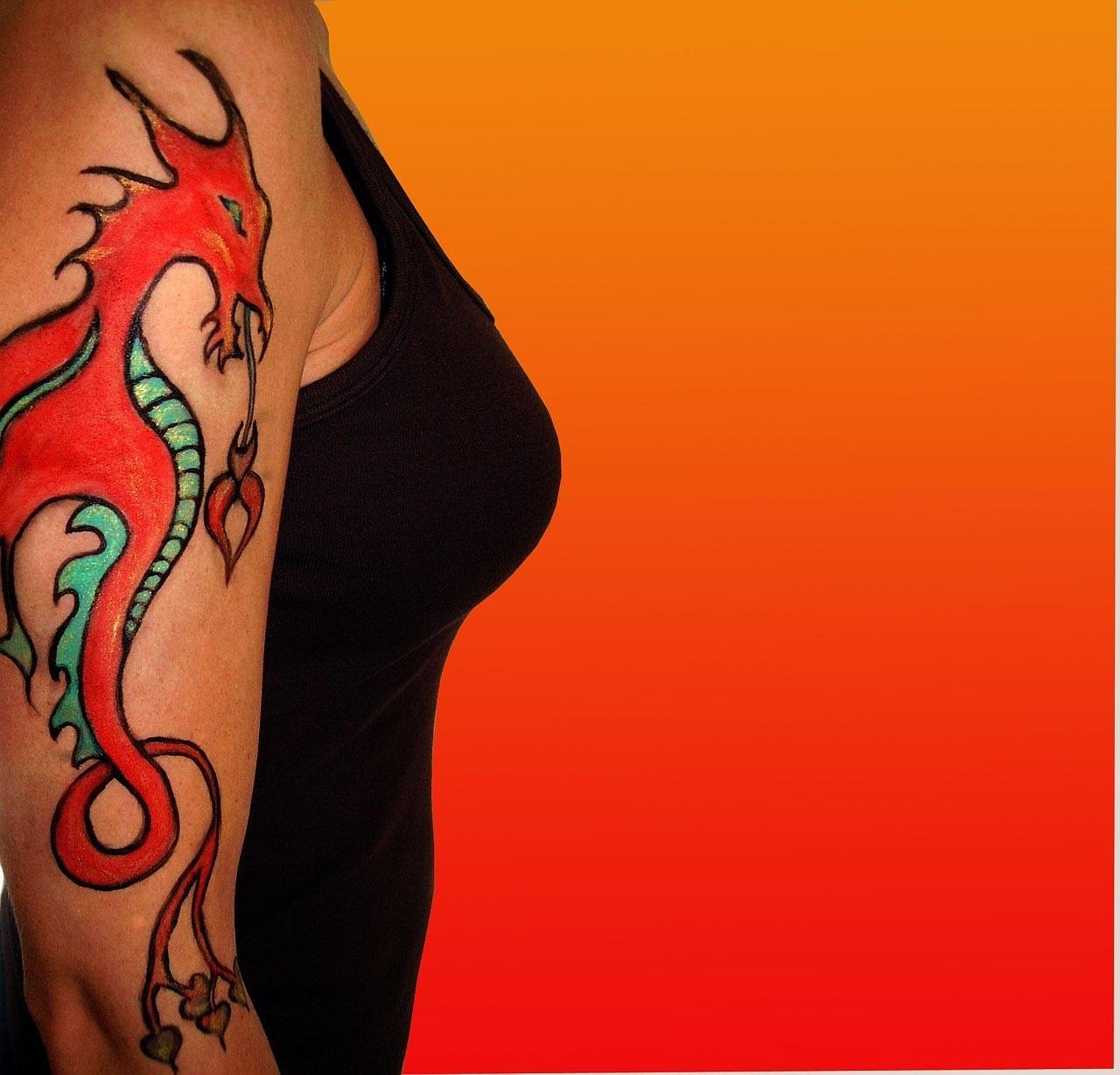
Not every arm location behaves the same way. Here’s how the main options compare.
| Placement | Visibility | Pain Level | Best For |
|---|---|---|---|
| Inner forearm | Easy to show or cover | Moderate | Script, fine-line florals, small symbols |
| Outer forearm | Always visible | Low to moderate | Larger pieces, detailed linework |
| Inner bicep | Hidden by short sleeves | High | Personal symbols, meaningful text |
| Outer upper arm | Easy to cover | Low | First tattoos, medium designs |
| Half-sleeve (elbow to shoulder) | Seasonal | Moderate to high | Cohesive themed work |
| Full sleeve | Year-round visible | High, multi-session | Long-term collectors |
The inner bicep deserves a warning. It’s a popular spot for meaningful quotes, but the skin there is thin and sensitive, and the area twists as the artist works. Many people report it as one of the sharper spots on the arm. If it’s your first tattoo, the outer upper arm or outer forearm is a gentler introduction. (Tattoo)
Styles That Suit Women’s Arms Well
Style is personal, but some approaches translate better to arm anatomy than others.
Fine-line and single-needle work has dominated recent trends. Delicate botanical designs, tiny geometric shapes, and minimalist line art look elegant on forearms and inner arms. The tradeoff is durability: very thin lines can blur or lighten over time, especially on sun-exposed areas. Artists who specialize in this style often recommend slightly bolder line weights than clients initially request.
Blackwork and ornamental designs use solid black shapes, dotwork, and mandala-inspired patterns. These hold up exceptionally well because large areas of saturated black age more predictably than hairline detail. Ornamental half-sleeves that follow the shoulder and arm contour are a strong choice for anyone planning to expand later.
Floral and botanical pieces remain the most requested category for women’s arms, and for good reason. Flowers flow with the body’s curves, scale up or down easily, and can be built into a sleeve over time by adding stems, leaves, and companion blooms.
Script and lettering works best on the inner forearm or outer bicep, where the skin is relatively flat. Keep text short. Long passages distort as skin changes over decades, and small lettering can become illegible faster than almost any other design type.
Traditional and neo-traditional styles use bold outlines and saturated color. They’re statement pieces that age gracefully because the structure is built in from the start.
Working With an Artist: What Actually Matters
The single biggest predictor of a tattoo you’ll love for decades is the artist, not the design. Look for a portfolio that shows healed work, not just fresh photos taken under studio lighting. Fresh tattoos always look crisp; healed ones reveal how an artist’s linework and saturation really hold up.
Ask specific questions during a consultation:
- How will this design age in ten years on this part of the arm?
- What line weight do you recommend so the detail survives?
- How many sessions will a piece this size realistically take?
- Do you charge hourly or by the piece, and what’s the deposit policy?
- Can you show me healed examples of similar work?
A good artist will push back on requests that won’t age well. If an artist says yes to every idea without comment, that’s a yellow flag, not a green one. Experienced artists know which placements blur, which designs need simplification, and where skin stretches during healing.
Common mistake to avoid: booking a large piece with an artist whose portfolio only shows small tattoos. Scale changes everything about composition, flow, and session planning.
Pain, Healing, and Aftercare in Practice
Pain is subjective, but the arm generally sits in the middle of the body’s pain scale. Outer surfaces hurt less than inner ones, and bony areas near the elbow and wrist sting more than fleshy areas. Most people describe the sensation as a hot scratch rather than sharp pain, and sessions over two hours tend to get harder as adrenaline fades.
Aftercare is where most problems actually happen. The core rules are simple:
- Keep the fresh tattoo clean with mild, fragrance-free soap and lukewarm water.
- Follow your artist’s wrapping instructions exactly; advice varies by studio and method.
- Moisturize lightly with a recommended ointment or unscented lotion, without drowning the skin.
- Avoid soaking (pools, baths, oceans) for the first two to three weeks.
- Keep it out of direct sun and never pick or scratch flaking skin.
Over-moisturizing is the most common aftercare error. A thin layer is enough. Clogging a fresh tattoo with thick layers of ointment can trap bacteria and slow healing. Similarly, skipping sunscreen once healed is the fastest way to dull black ink and fade color. The Skin Cancer Foundation consistently recommends sun protection for all exposed skin, and tattooed skin is no exception.
Visibility, Workplaces, and Planning Ahead
Visibility is a practical question, not just an aesthetic one. Some professions still have policies about visible tattoos, particularly in client-facing or uniformed roles. Research your industry norms before committing to a full sleeve. A forearm piece that stops above the wrist, or an upper-arm design that a short-sleeve shirt covers, keeps options open.
The cultural shift is real, though. Body art has become mainstream across demographics, and workplace attitudes have loosened considerably over the past two decades. The Wikipedia entry on tattooing traces how tattoo acceptance moved from subculture to everyday practice across much of the world. Still, individual employers set their own rules, so check before you commit to a placement you can’t conceal.
For anyone building toward a sleeve, plan the whole arm conceptually even if you only get one piece now. Leave breathing room between designs so future additions can connect them. Artists who specialize in sleeves often sketch a rough full-arm layout first, then fill it in over years.
Cost, Sessions, and Realistic Timelines
Pricing varies widely by city, artist reputation, and complexity. Small forearm pieces typically take under an hour. Half-sleeves commonly require three to six sessions of several hours each. Full sleeves can span a year or more with healing breaks between appointments.
Two budgeting mistakes show up again and again. First, choosing an artist purely on price. Tattoo removal and cover-ups cost far more than doing it right the first time. Second, forgetting that a large piece is a commitment of time, not just money. Healing between sessions takes weeks, and rushing the schedule affects how well the ink settles.
A practical middle path: start with one well-executed piece in a spot you’ve thought about for at least six months. Live with it. If you still love the placement and want more, you’ll have a much clearer sense of your pain tolerance, healing response, and style preferences.
Conclusion
Arm tattoos for women work best when placement, style, and artist are chosen in that order. The arm rewards planning: it’s visible when you want, coverable when you need, and versatile enough for anything from a whisper-thin floral to a full blackwork sleeve. Do the boring homework first. Study healed portfolios, ask blunt questions at consultations, check your workplace policies, and treat aftercare as seriously as the design itself. The people happiest with their arm tattoos years later aren’t the ones who found the trendiest design. They’re the ones who matched the right art to the right spot with the right artist, and then protected the result.
Frequently Asked Questions
How much do arm tattoos for women usually cost?
Cost depends on size, detail, artist reputation, and location. Small pieces often fall in the low hundreds, while half-sleeves and full sleeves run into the thousands across multiple sessions. Most artists require a deposit that goes toward the final price. Always confirm whether the artist charges hourly or by the piece before booking.
Which part of the arm hurts the least for a first tattoo?
The outer upper arm and outer forearm are generally the most comfortable spots. Skin there is thicker and less sensitive than the inner bicep, inner forearm near the wrist, or the elbow area. If it’s your first tattoo and you’re nervous about pain, start on an outer surface.
How long does an arm tattoo take to heal?
Surface healing typically takes two to four weeks, while deeper layers of skin can take a few months to fully settle. Flaking and itching are normal in the first two weeks. Avoid soaking, sun exposure, and picking during that window, and follow your artist’s specific aftercare instructions.
Do fine-line arm tattoos fade faster than bold ones?
Yes, generally. Very thin lines and delicate detail can blur or lighten over time, especially on sun-exposed parts of the arm. Artists often recommend slightly bolder line weights to improve longevity. Bold outlines and solid black areas tend to hold their structure longer than hairline work.
Can I get an arm tattoo if I have a desk job or client-facing role?
In most workplaces, yes, but check your employer’s policy first. Upper-arm and inner-bicep placements are easy to cover with standard clothing. Forearm and full-sleeve designs are more visible in short sleeves. Policies vary by industry and company, so confirm before committing to a highly visible placement.
How do I choose the right artist for an arm piece?
Review portfolios for healed work, not just fresh photos. Look for examples in the style and scale you want. Ask how designs age on your chosen placement, and pay attention to whether the artist offers honest feedback about longevity. A consultation is a two-way conversation, so treat it as one.
Can arm tattoos be removed or covered up later if I change my mind? Yes, but both options are imperfect. Laser removal usually requires multiple sessions, works best on dark ink, and can be costly and slow. Cover-ups require a new design that’s larger and darker than the original. This is another reason to size and place a first piece thoughtfully rather than impulsively. If you’re already considering removal down the line, choose a smaller, simpler design in a less visible spot.
With that, you have the full picture: placement first, style second, artist third, and aftercare always. Take your time, ask hard questions, and let the arm you build be one you’re glad to live with for decades.