
All-Wheel Drive Cars: How AWD Works & Who Needs It
 Abdul WadoodLast updated
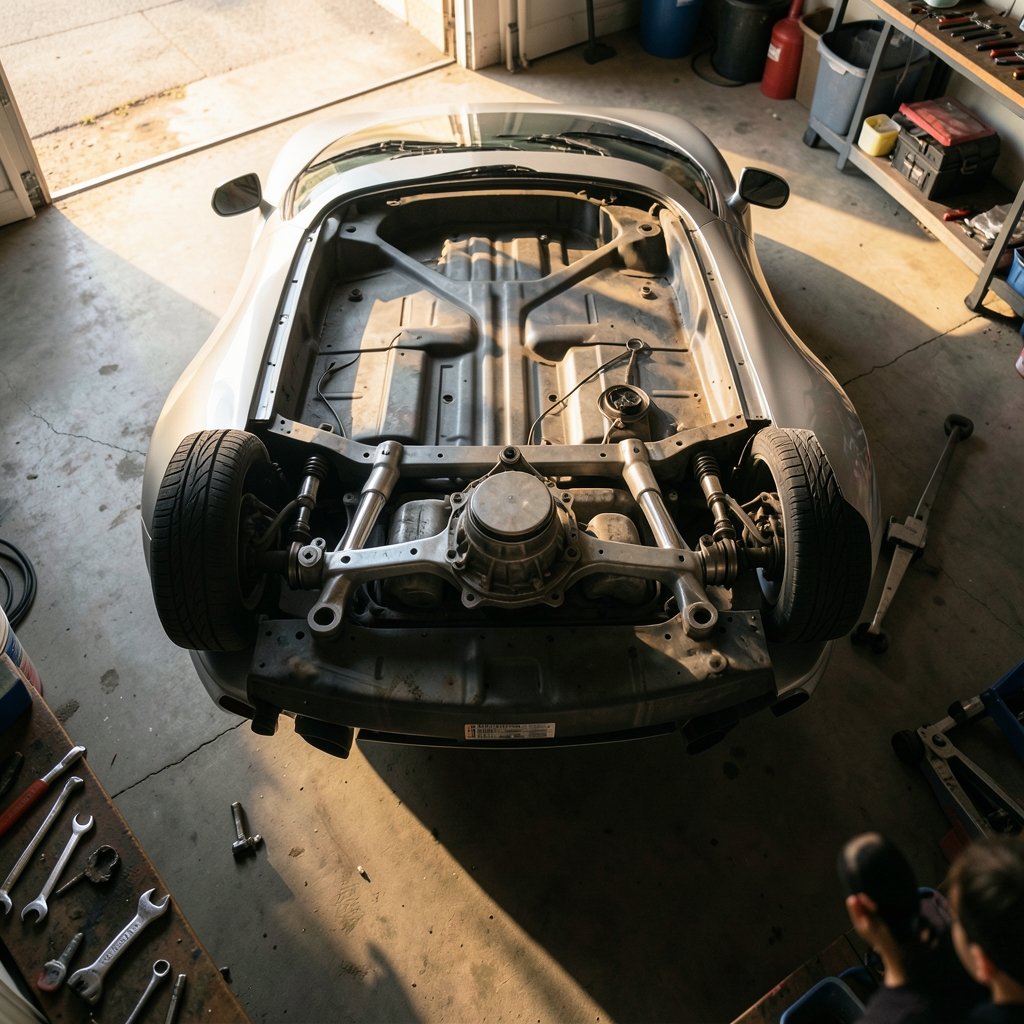
In March 1980, Audi rolled a boxy coupe onto the Geneva Motor Show floor and quietly changed what a road car could do. The Audi Quattro paired a turbocharged engine with permanent all-wheel drive, and within a few seasons it was dominating rally stages so completely that the rules had to be rewritten. Four decades later, all-wheel drive has gone from exotic engineering to a checkbox on family SUVs. In some markets, it is now the default rather than the upgrade.
That shift has created a lot of confusion. Drivers hear “AWD” and “4WD” used interchangeably, assume every system behaves the same in snow, and sometimes pay thousands extra for hardware they will never use. This guide cuts through that. It covers how all-wheel drive actually works, where it helps, where it costs you, and how to decide whether it belongs on your next car.
AWD vs. 4WD: The Difference That Actually Matters
The two terms get mixed up constantly, and manufacturers do not help by using them loosely. In general usage, all-wheel drive means power goes to all four wheels automatically and continuously, with no buttons to press. Four-wheel drive usually means a selectable or part-time system, often with a low-range gear set for serious off-road work.
| Feature | All-Wheel Drive (AWD) | Four-Wheel Drive (4WD) |
|---|---|---|
| Driver input | Automatic, always active | Often manually selected |
| Typical use | Wet roads, snow, gravel, daily driving | Off-road, towing, heavy terrain |
| Low-range gearing | Rare | Common |
| Common vehicles | Crossovers, sedans, wagons | Trucks, body-on-frame SUVs |
| Center differential | Often a clutch pack or viscous coupling | Often a locking transfer case |
The line blurs. Many modern trucks have “auto 4WD” modes that behave like AWD, and some crossovers use clutch-based systems that can lock for brief off-road moments. The practical takeaway: if you mostly drive on pavement and want confidence in bad weather, AWD is the right tool. If you tow heavy loads or drive through mud and rocks, you want a real 4WD system with low range.
How All-Wheel Drive Systems Work Under the Car
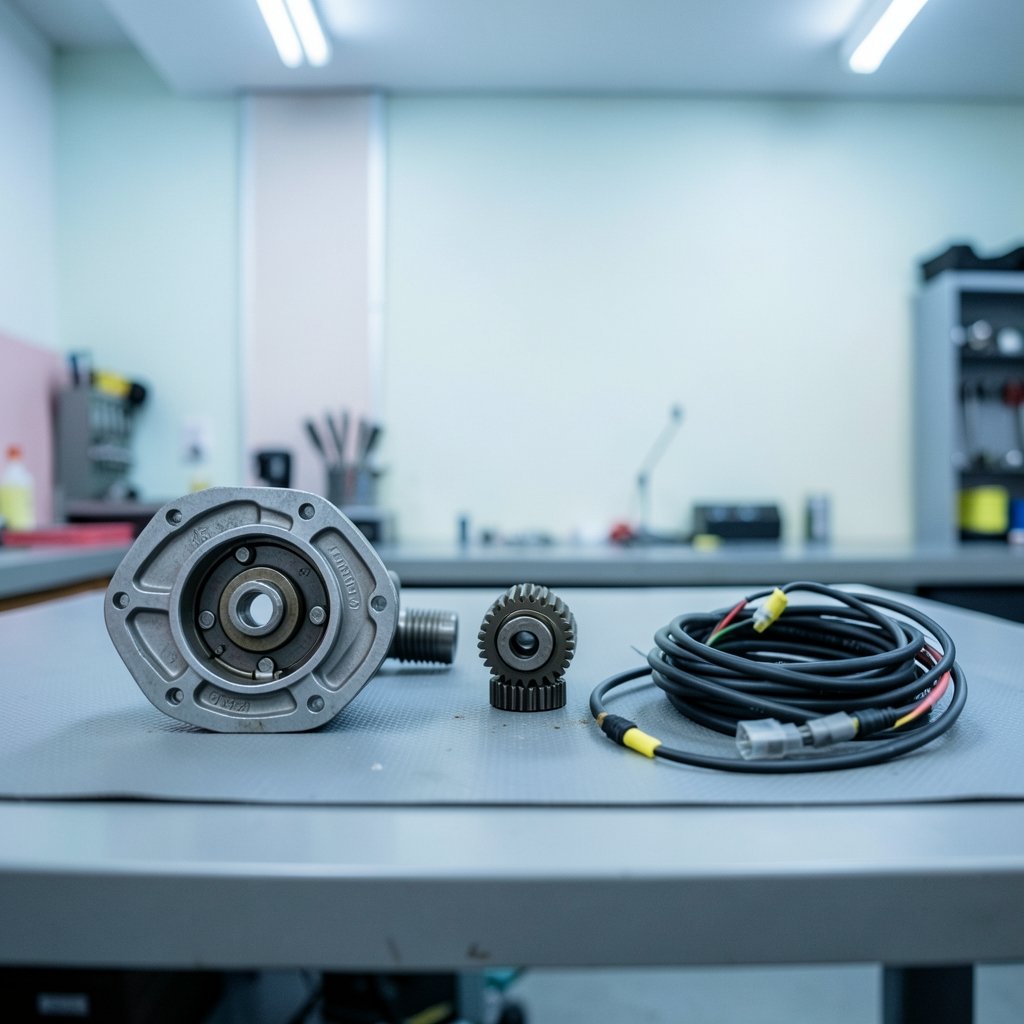
Every AWD system answers one question: when a wheel loses grip, how fast can the car send torque somewhere useful? The answer depends on the hardware.
Full-time permanent AWD
Power flows to all four wheels at all times through a center differential. This is the classic setup, and it feels seamless because there is no engagement delay. The trade-off is mechanical drag and weight, which is why permanent systems often show up on performance and premium cars rather than economy models. The engineering choices behind these systems are part of what separates a genuinely engaging driver’s car from a spec-sheet pretender, a theme explored in this look at the cars built around experience.
On-demand (reactive) AWD
Most mainstream crossovers use a clutch pack that stays disengaged until sensors detect slip, then engages the rear axle within milliseconds. It saves fuel in normal driving. The weakness is reaction time: the system must first notice a problem before it can fix it. In practice, this is fine on wet highways and light snow, and less impressive on a steep icy driveway.
Hybrid and electric AWD
Some hybrids and EVs skip the driveshaft entirely and put a separate electric motor on the rear axle. Power delivery is instant, and there is no mechanical connection to wear out. This is one of the fastest-growing architectures in the market, and it is reshaping how buyers compare drivetrains.
The Real-World Benefits (and Where They Stop)
Here is where drivers most often overestimate what they bought. AWD helps you accelerate and helps you maintain direction under power. It does not help you stop. Every car has four-wheel brakes, and all-wheel drive adds weight, which can actually lengthen stopping distances slightly on ice.
That single fact reframes the whole purchase decision. A front-wheel-drive car with proper winter tires will out-brake and often out-corner an AWD car on all-seasons. If you live somewhere with real winters, tires come first and drivetrain comes second. This is the most common and most expensive mistake buyers make.
Where AWD genuinely earns its keep:
- Wet, slippery launches. Pulling out of a junction onto a fast road in the rain is noticeably more secure.
- Snow and slush at low speed. Getting moving from a stop on an unplowed street is where the advantage is largest.
- Towing and hauling. Extra driven wheels help when weight shifts rearward under load.
- Steep gravel and loose surfaces. Hill starts on dirt are far less dramatic.
- Performance driving. Extra grip under acceleration transforms how a powerful car puts down its power.
Where it does not help: braking, hydroplaning resistance, and anything involving a driver who has not adjusted speed for conditions. The hardware is a supplement to judgment, never a replacement.
What AWD Costs You
Nothing in engineering is free, and all-wheel drive bills you in three currencies.
Purchase price. An AWD upgrade typically adds a meaningful premium over the front-drive version of the same model, and it often forces a higher trim level with equipment you may not want.
Fuel economy. Extra weight, extra friction, and extra rotating mass all cost fuel. The gap versus a two-wheel-drive equivalent is usually small but real, and it compounds over years of ownership. Drivers who do mostly highway miles in mild climates often pay for capability they never draw on.
Maintenance complexity. Additional differentials, clutch packs, and fluid services mean more items on the maintenance schedule. Ignoring the rear differential fluid change is a quiet way to shorten the life of an on-demand system. Check the owner’s manual intervals and actually follow them.
There is also a resale angle worth knowing. In snowy regions, AWD holds value well because buyers demand it. In warm, dry markets, it adds little at resale and can even narrow your buyer pool. Regional demand matters more than the badge.
Matching the System to Your Actual Driving
The smartest approach is to start with your commute, not the brochure. A few practical rules of thumb work well.
- List your worst realistic road condition. Not a once-a-decade blizzard, but the typical bad day where you live.
- Check whether winter tires are part of your plan. If not, budget for them before budgeting for AWD.
- Identify your steepest regular incline. A driveway or hill that defeats front-wheel drive is a strong argument for AWD.
- Confirm the system type. Ask whether it is full-time, on-demand, or electric-axle, because they behave differently.
- Look at ground clearance. AWD with low clearance still high-centers on snow. Clearance and tires often matter more than driven wheels.
For buyers comparing models, detailed reviews, comparisons and car guides are a faster route to the answer than decoding marketing language. Pay attention to whether a review tested the AWD version specifically, since weight and suspension tuning often differ from the front-drive car.
Design Details That Change How AWD Feels
Two cars can both claim all-wheel drive and feel completely different. A few details explain why.
Torque vectoring. Some systems do not just send power rearward; they overdrive the outside rear wheel in a corner, rotating the car into the turn. It is the difference between AWD as a safety net and AWD as a handling tool. The subtleties of chassis and drivetrain tuning are covered well in this breakdown of design details that define a driver’s car.
Weight distribution. Adding a rear differential and driveshaft shifts weight rearward and upward. Engineers must retune springs and dampers to compensate. A hastily adapted AWD version of a front-drive platform can feel heavier and less precise than the original.
Calibration. The software deciding when to engage the rear axle matters as much as the hardware. Well-calibrated systems engage predictively, based on steering angle and throttle, before slip occurs. Poorly calibrated ones wait for the wheelspin and then react.
Tire matching. On many AWD systems, all four tires must stay within a small circumference tolerance. A single unrepairable tire can mean replacing all four. It is a genuine ownership cost that surprises people, and it is worth confirming before purchase.
Common Myths Worth Retiring
All-wheel drive makes a car safe on ice. It makes it easier to get moving. Stopping and steering still depend on traction, and traction comes from the tires.
More driven wheels means better off-road ability. Clearance, approach angles, tire tread, and low-range gearing matter far more. Many AWD crossovers would be stranded by a modest mud hole that a basic 4WD truck idles through.
AWD is only for snow country. Wet-climate drivers and anyone hauling a trailer benefit too. The value case is narrower, not zero.
AWD systems are all the same. Full-time, on-demand, and electric-axle designs differ substantially in response, feel, and running costs.
AWD eliminates the need for winter tires. This is the most costly myth of the lot, and it is the one most likely to put a driver in a ditch.
Conclusion
All-wheel drive has earned its place. It started as a rally homologation trick, proved itself on gravel stages, and became a genuinely useful everyday feature for anyone facing wet roads, snow, steep grades, or a heavy trailer. But it is a tool with a specific job, and the drivers who get the most from it are the ones who understand the boundaries.
The buying logic is simpler than the marketing suggests. Decide what your worst regular road condition looks like. Budget for proper tires first, because they do more for safety than any drivetrain. Then choose a system type that matches how you actually drive, and check the maintenance schedule before you sign. Do that, and AWD becomes a sensible upgrade rather than an expensive habit. Skip it, and you may find yourself paying for capability you never use, on a car that stops no shorter than the front-drive version sitting next to it on the lot.
Frequently Asked Questions
Is all-wheel drive worth it for everyday driving?
It depends on conditions. In wet climates, hilly areas, or regions with regular snow, the added confidence under acceleration is worth the premium for many drivers. In warm, flat, dry regions, the benefits are marginal and the fuel and maintenance costs are real. The honest answer is that it is worth it for some drivers and unnecessary for others, and the deciding factor is your typical worst road day, not the worst storm in a decade.
Does AWD help you stop faster on snow or ice?
No. All-wheel drive only affects how power reaches the road, not how the car slows down. Every car brakes with all four wheels. Because AWD systems add weight, an AWD vehicle can even take slightly longer to stop than an equivalent two-wheel-drive model. Winter tires are the single biggest factor in stopping performance on snow and ice.
What is the difference between AWD and 4WD?
All-wheel drive typically sends power to all four wheels automatically, with no driver input, and is designed mainly for paved roads in poor conditions. Four-wheel drive usually refers to a selectable system, often with low-range gearing, built for off-road use and heavy towing. The terms are not standardized, so always confirm the specific system type on the model you are considering.
Do all four tires need to be replaced at once on an AWD car?
On many systems, yes. Mismatched tire circumferences can cause the center differential or clutch pack to work continuously, which leads to heat and premature wear. Check your owner’s manual for the specific tolerance. Some systems are more forgiving than others, but the safe habit is to keep all four tires closely matched and rotate them on schedule.
Does AWD reduce fuel economy?
Generally, yes, though the gap is usually modest. Extra weight, added mechanical drag, and additional rotating components all cost energy. The difference is most noticeable in city driving and smallest on steady highway runs. If fuel costs are a priority and you rarely face poor traction, a two-wheel-drive version of the same car will usually be cheaper to run over its life. (National Highway Traffic Safety Administration)
Can you drive an AWD car on a spare tire?
Only for a short distance and at reduced speed, and some manufacturers advise against it entirely. A temporary spare usually has a different circumference from the other three tires, which can strain the AWD system. Check the manual for the specific rule. If the car has a full-size matching spare, the concern largely disappears, which is one small reason some buyers prefer models that include one.