
Luxury Living Room Furniture: What Makes It Worth It
 Abdul WadoodLast updated
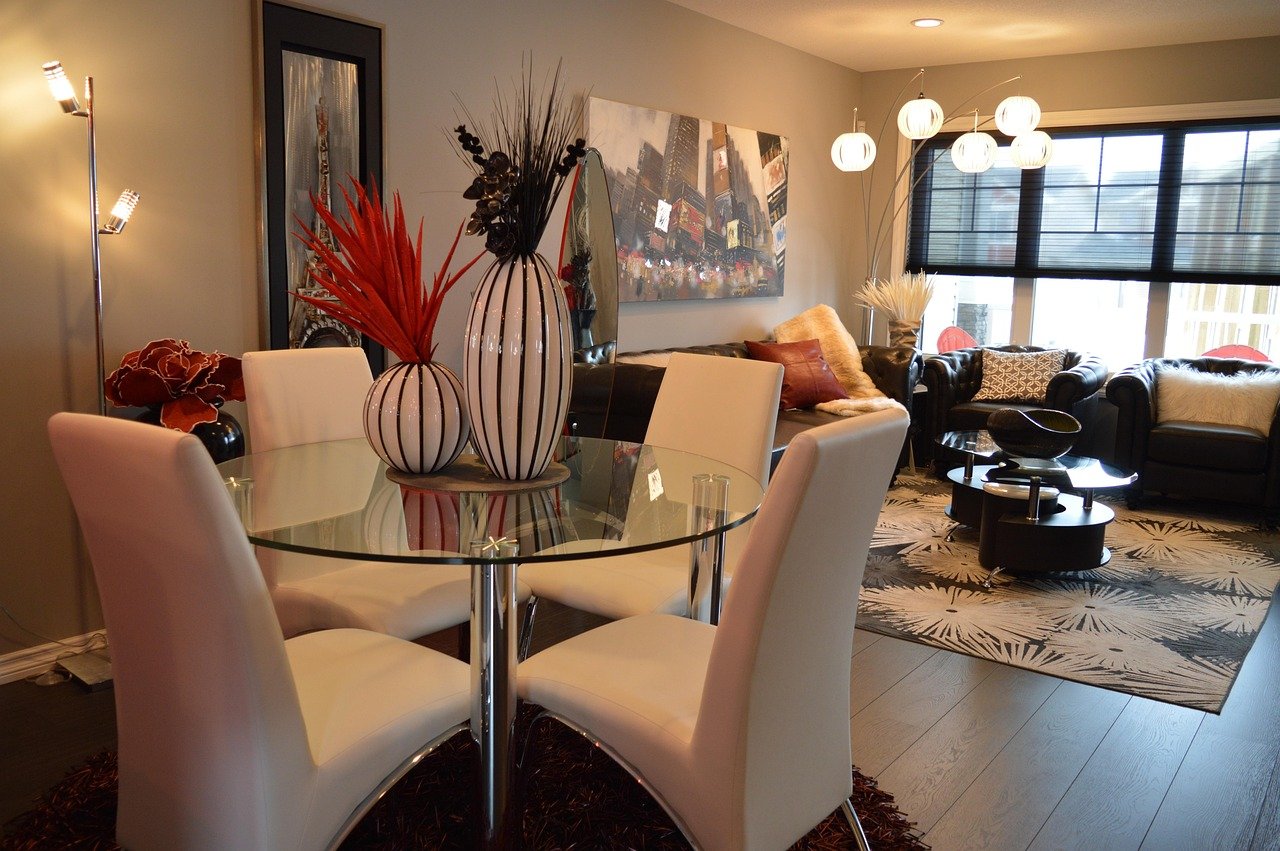
What separates a sofa that costs as much as a used car from one that looks nearly identical at a fraction of the price? Spend an afternoon in a high-end showroom and the answer rarely announces itself. The difference hides in the frame, the joinery, the foam density, and the leather’s provenance. It shows up five years later, when the cheap piece sags and the good one still holds its shape.
This guide cuts through the marketing language around luxury living room furniture. It covers what you’re really paying for, how to spot genuine quality, which claims mean something, and where the smart money goes. No hype, no brand worship, just the practical mechanics of buying furniture that lasts. (Furniture)
What “Luxury” Actually Means in Furniture
Here’s the uncomfortable truth: luxury furniture has no formal industry or legal definition. Nobody certifies a sofa as luxury. The word describes pieces sold at the top of the market, usually with designer attribution, premium materials, or hand construction, but any brand can print it on a hangtag. (Quiet luxury interior design understated rooms signal real)
That means buyers need their own filter. In practice, luxury living room furniture tends to share a few traits: hardwood frames instead of particleboard, joints that are glued and doweled or mortised rather than stapled, cushions with high-resilience foam or spring-and-down cores, and upholstery cut from full hides rather than bonded scraps. The price premium buys labor hours and material quality, not a logo. (Indoor Air Quality)
It also buys design authorship. Italy dominates the high-end segment, and the Salone del Mobile furniture fair in Milan, held annually since 1961, remains the industry’s main stage for new collections. Pieces shown there often carry a named designer, which is part of what you pay for. Whether that matters is a personal call.
The Anatomy of a Genuinely Well-Made Piece
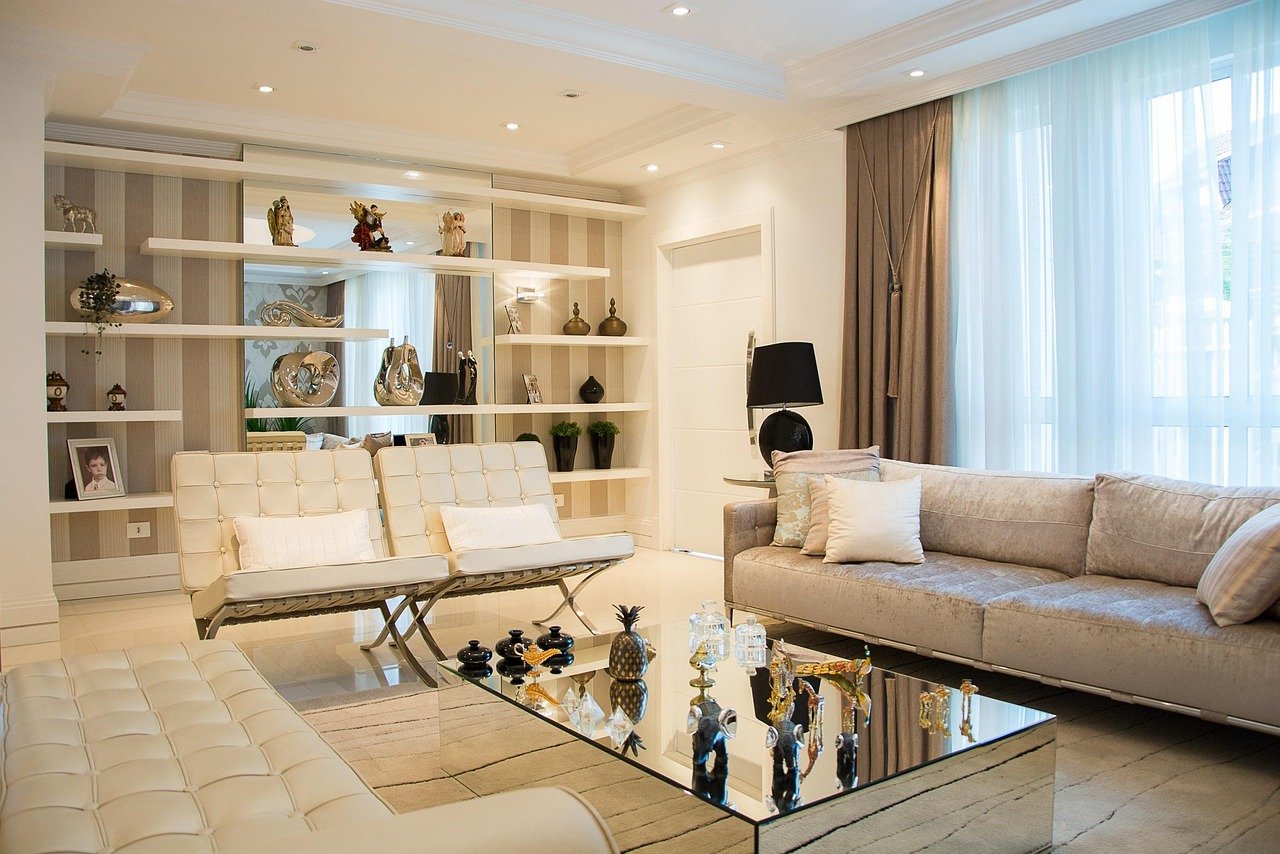
Strip away the fabric and every sofa tells the same story through its skeleton. Learning to read that skeleton is the single most useful skill a furniture buyer can develop.
The frame
Kiln-dried hardwood (maple, beech, ash) is the gold standard. It resists warping and holds screws and joints for decades. Plywood is acceptable in mid-range pieces. Particleboard and MDF have no place in a piece meant to survive twenty years of movie nights. Ask what the frame is made of, and ask whether it’s kiln-dried. A salesperson who can’t answer is telling you something.
The joinery
Staples and corner blocks are fast and cheap. Dowels, mortise-and-tenon joints, and corner-blocking with glue and screws are slow and strong. Eight-way hand-tied springs, still found in traditional upholstery, cost far more labor than sinuous wire, but they distribute weight evenly and hold up under daily use.
The cushion core
High-resilience (HR) foam rated around 2.5 lb density or higher resists compression. Cheap foam at 1.5 lb collapses within a couple of years. Down-wrapped foam feels plush but needs regular fluffing. A spring core inside the cushion adds longevity at a cost.
The upholstery
Leather terminology is a minefield because it isn’t standardized globally. Full-grain generally means the outermost layer with the natural grain intact. Top-grain is sanded and corrected. Bonded leather is reconstituted from leather fibers and polyurethane, and it peels. It is not a solid hide, no matter what the showroom says. Definitions vary by manufacturer and country, so ask for the specific hide and tannery.
Materials and Claims: What the Labels Really Tell You
Luxury marketing leans hard on certifications. Some carry real legal weight. Others are softer than they sound.
| Claim | What it means | How much weight to give it |
|---|---|---|
| “Made in Italy” | Restricted by Italian law 350/2003 to goods wholly or mostly made in Italy | Strong, if the piece is genuinely covered |
| “Made in USA” | FTC rule requires “all or virtually all” US content for unqualified claims | Strong when properly qualified |
| FSC-certified wood | Timber traced to responsibly managed forests | Meaningful for sustainability |
| Low-VOC / low-formaldehyde | Often tied to composite-wood emission limits such as California’s CARB regulation | Useful for indoor air quality |
| “Designer” | Attribution to a named designer or studio | Matters for resale and provenance, not durability |
Two of these deserve a closer look. The US Federal Trade Commission’s Made in USA standard requires that “all or virtually all” of a product’s content be domestic before a brand can make an unqualified claim, which is a stricter bar than most shoppers assume. On the environmental side, the Forest Stewardship Council’s timber certification tracks wood from certified forests through the supply chain, so a label on a walnut table means something specific about where that walnut came from.
Flame-retardant rules also differ sharply by market. The UK imposes flammability testing on domestic upholstery under its furniture fire safety regulations, while the EU and US take different approaches. None of this makes one piece better than another, but it explains why identical-looking sofas behave differently in different countries.
How to Judge Quality in the Showroom
You can learn a lot in ten minutes with your hands and eyes. Practical checks that actually work:
- Lift one corner. A well-built sofa is heavy. If you can lift it easily alone, the frame is probably softwood or engineered board.
- Look underneath. Flip it if you can. Staples everywhere signal speed-built construction. Screws, glue blocks, and webbing signal care.
- Press the seat cushion hard. Good foam pushes back firmly and recovers instantly. Cheap foam leaves a handprint.
- Rub the leather. Real full-grain leather warms and shows fine pores. Bonded leather feels plasticky and uniform.
- Open the cushions. Removable covers with hidden zips usually indicate better construction, because the maker expects the piece to be maintained.
- Ask about the warranty in plain terms. A ten-year frame warranty is common. Ask what happens to the cushions in year four.
Common mistakes buyers make: falling for a beautiful showroom vignette lit to flatter, buying a sofa without measuring the doorway, and paying a premium for a brand name while ignoring the frame. Another classic is assuming heavy equals good. A marble-topped table is heavy and badly engineered; weight alone proves nothing.
Style, Proportion, and the Room Itself
Quality without proportion is just an expensive mistake. A deep, low-slung sectional can swallow a small room. A delicate antique armchair can vanish in a double-height space.
Start with the room’s architecture. High ceilings handle tall bookcases and dramatic lighting. Low ceilings reward horizontal pieces and light fabrics. Traffic flow matters more than any trend: leave at least 18 inches between a sofa and a coffee table, and 36 inches for main walkways.
The current appetite for understated rooms has reshaped what buyers want. Quiet luxury interior design, the approach where understated rooms signal real quality through material and craft rather than logos, has pushed demand toward neutral palettes, tactile fabrics like bouclé and linen blends, and fewer, better pieces. That philosophy pairs naturally with the Bauhaus design school‘s enduring lesson: form follows function, and ornament should earn its place.
If your taste runs toward a broader shift in how people think about expensive objects, the future of luxury living is moving steadily toward longevity, repairability, and provenance over display.
Where to Spend and Where to Save
Not every piece in a luxury living room needs to be a statement. A sensible allocation:
- Spend on the sofa. It takes the most abuse and anchors the room. This is where frame quality and foam density pay off daily.
- Spend on the primary armchair. Same logic, slightly less wear.
- Save on side tables and consoles. A well-finished piece in solid wood or even good veneer does the job.
- Save on rugs and lighting. These can be upgraded later without structural regret.
- Spend on one piece you truly love. A vintage find or a designer original gives a room its personality.
The conscious luxury approach, buying better rather than more, applies directly here. Three excellent pieces beat eight mediocre ones in both durability and resale.
Care, Longevity, and Resale Reality
Luxury furniture is not an investment in the way watches or art can be. Most branded pieces depreciate sharply the moment they leave the showroom. The exceptions are mid-century originals and pieces with documented designer provenance, which do appear at auction and hold value far better than contemporary mass-market “luxury” lines.
What you can protect is useful life. Practical habits that work:
- Rotate and flip seat cushions monthly to spread wear.
- Keep leather out of direct sunlight; it fades and dries.
- Vacuum upholstery weekly with a soft brush attachment.
- Treat stains immediately with a water-based cleaner on wool or cotton, and a leather-specific product on hides.
- Avoid sitting on the same spot every night if you can help it.
A well-maintained hardwood-frame sofa routinely lasts 15 to 25 years. A particleboard one rarely survives five. That math, more than any label, is the real case for buying up.
Conclusion
Luxury living room furniture is less about a price tag and more about a set of decisions: hardwood over particleboard, real hides over bonded leather, joinery over staples, and proportion over trend. The labels help, but only when you know which ones carry legal weight and which are decoration. Learn to read the skeleton of a piece, measure your room before you fall in love with a showroom vignette, and spend your budget where daily wear actually lands. Do that, and the sofa you buy this year will still be holding the room together a decade from now.
Frequently Asked Questions
How much should a good luxury sofa cost?
There’s no official threshold, but genuinely well-made sofas with hardwood frames and high-resilience cushions typically sit well above mass-market prices. The useful comparison isn’t price against price; it’s cost per year of use. A piece that lasts twenty years often costs less annually than a cheap one replaced twice.
Is full-grain leather always better than top-grain?
Generally yes for durability and natural appearance, because full-grain keeps the hide’s outermost layer intact. But terminology isn’t standardized globally, and some makers use the terms loosely. Ask for the specific tannery and hide type rather than trusting the label alone.
Does “Made in Italy” guarantee quality?
No. Italian law 350/2003 restricts the label to goods wholly or mostly made in Italy, so the claim has legal meaning about origin. It says nothing about frame construction, foam density, or joinery. Origin and quality are separate questions.
How can I tell if a sofa frame is solid wood?
Lift a corner to gauge weight, look underneath for screws and glued blocks rather than staples, and ask directly whether the frame is kiln-dried hardwood. A confident, specific answer is a good sign. A vague one usually means engineered board.
Do luxury furniture pieces hold their value?
Mostly no. Unlike art or watches, branded furniture usually depreciates quickly after purchase. The exceptions are vintage mid-century originals and pieces with documented designer provenance, which can perform well at auction. Buy for daily use, not appreciation.
How long should luxury living room furniture last?
A well-built sofa with a hardwood frame and quality foam should last 15 to 25 years with basic care, including rotating cushions and keeping leather out of direct sun. Pieces made with particleboard frames or low-density foam often fail within five years.
The gap between those two outcomes is rarely about budget alone; it is about knowing which questions to ask before you pay. Ask for the frame species, the foam density, and the tannery by name, and treat vague answers as information in themselves. A maker confident in its materials will answer plainly and put the specifics in writing. That single habit, repeated across every showroom you visit, will do more for the room you furnish than any trend forecast or designer label ever could.