
Fancy Cars: What Makes Them Worth the Money in 2026
 Abdul WadoodLast updated
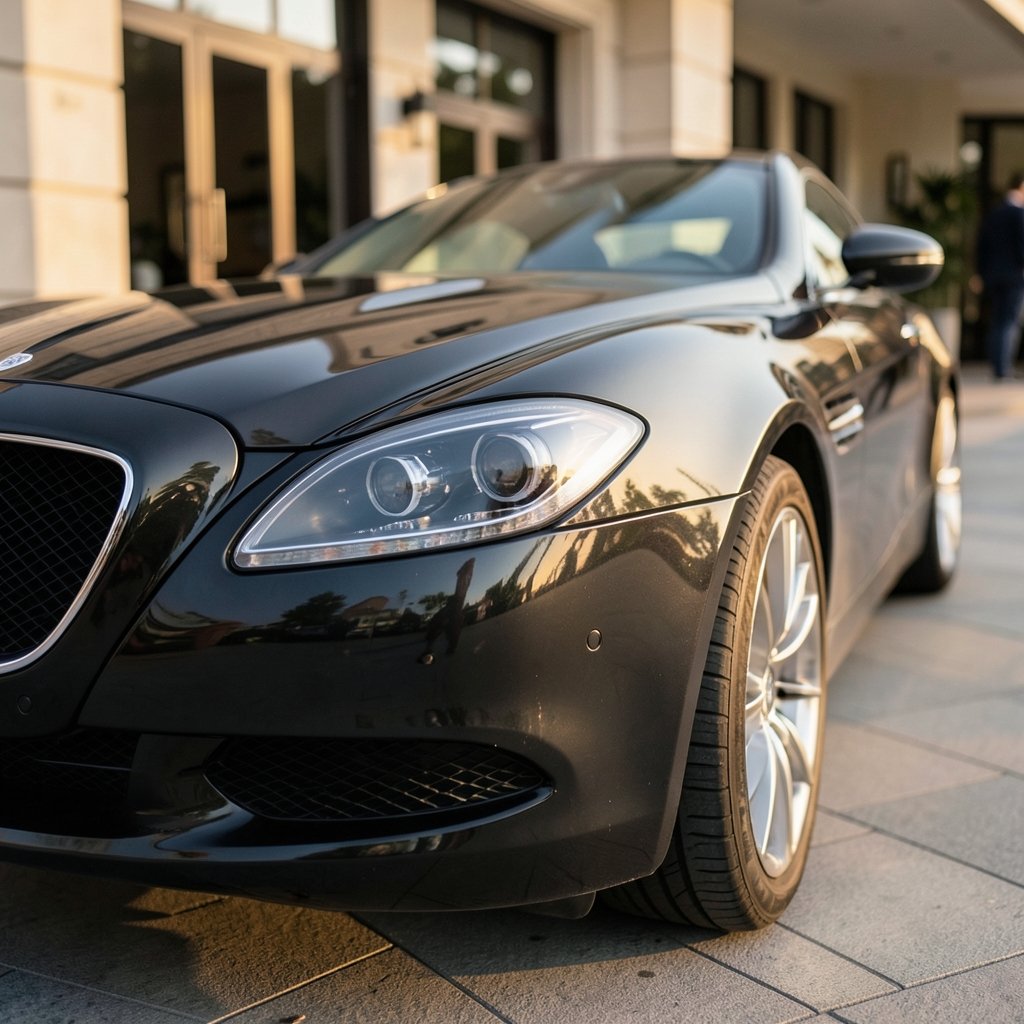
A new car loses a large share of its value the moment it leaves the lot, yet some models barely flinch. That gap shows that “fancy” does not come from leather and a big engine alone. It also comes from scarcity, reputation, and how people react when they see the car. Knowing what separates a genuinely fancy car from an expensive one keeps buyers from overpaying for a badge and helps enthusiasts spot models that hold their appeal for decades.
The difference between expensive and fancy
Plenty of cars cost a lot. Not all of them are fancy. A loaded family SUV can nudge six figures and still feel like a family SUV. A fancy car earns its status through a combination of design, engineering, heritage, and restraint. It does not shout about its price. It simply carries it.
The distinction matters because the market is full of “premium” cars that are really just well-optioned mainstream models. Real fancy cars tend to share a few traits:
- Limited production that keeps demand ahead of supply
- A distinctive design language that is recognisable from a distance
- Proven engineering in the chassis, powertrain, or materials
- A story — motorsport history, a famous designer, or a long-running model line
- Strong resale value that rewards owners who care for the car
Miss most of those and you have an expensive car, not a fancy one. That is not a criticism. It is simply a different product.
Where the word “fancy” actually comes from
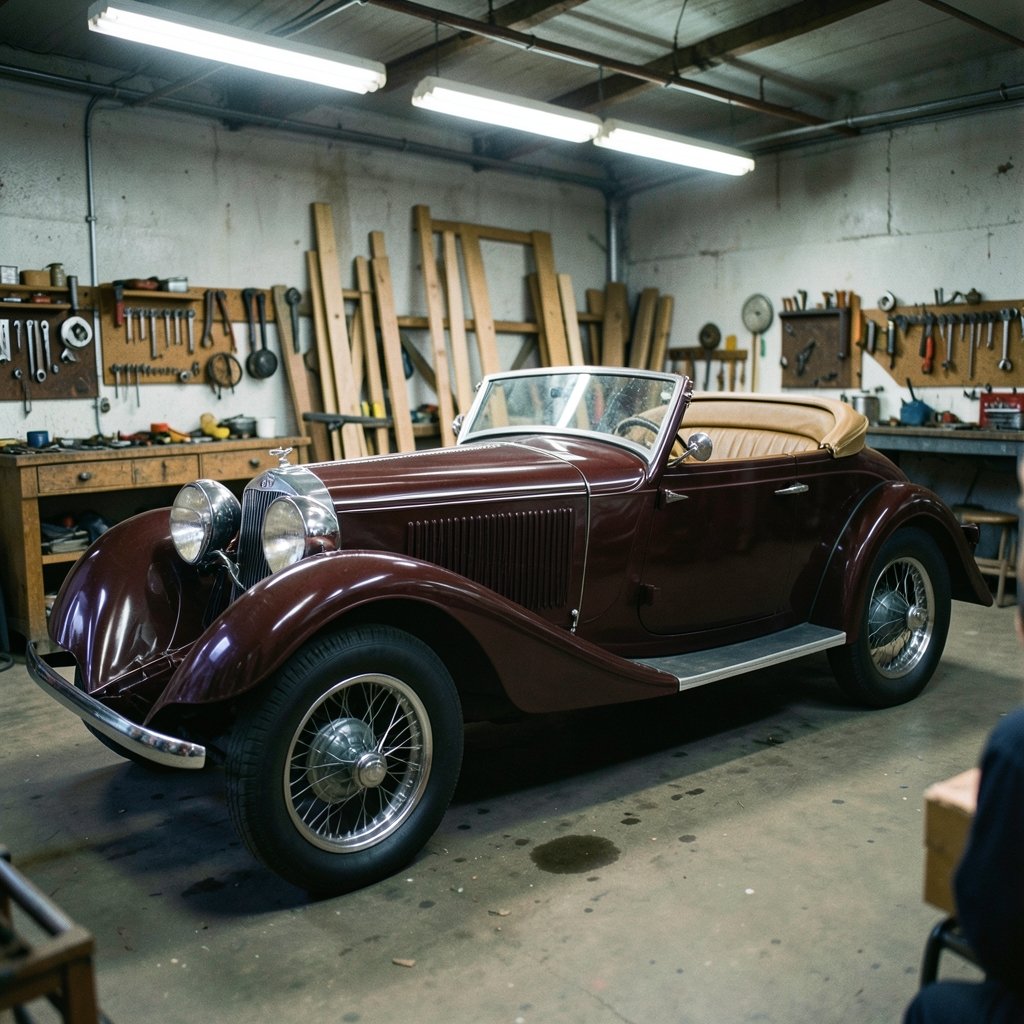
Linguists trace “fancy” back through Middle English to a shortened form of fantasy — originally meaning imagination or whim. Over centuries it drifted toward meaning something elaborate, decorative, or beyond the ordinary. When someone calls a car fancy, they are echoing that older sense: the car is a flight of imagination made metal.
That history explains why the word feels slightly playful. Nobody calls a Rolls-Royce “fancy” in a formal brochure. They call it luxurious, or hand-built, or bespoke. “Fancy” is what the rest of us say when we see something that feels a bit out of reach. The Wikipedia entry on fantasy traces the same root, and it is a useful reminder that the term has always carried a whiff of daydream about it.
The tiers of fancy, from premium to hypercar
Buyers and journalists tend to sort fancy cars into loose tiers. The boundaries blur, but the structure helps when comparing models.
| Tier | Typical price band | Examples of the type | What defines it |
|---|---|---|---|
| Premium | Mid to upper mainstream | Upmarket trims of mass-market saloons and SUVs | Better materials, more tech, stronger engines |
| Luxury | Well above mainstream | Full-size saloons and large SUVs | Comfort, quietness, rear-seat focus |
| Performance luxury | High | Sports saloons and grand tourers | Speed combined with daily usability |
| Exotic | Very high | Low-volume supercars | Drama, rarity, track-derived engineering |
| Ultra-luxury and hypercar | Extreme | Hand-built limousines and limited-run hypercars | Bespoke build, tiny production numbers |
Most people who describe a car as fancy are talking about the top three rows. The bottom two are where the word starts to feel inadequate.
Design cues that read as expensive
Designers know that perceived value is built from small decisions. A few cues show up again and again on cars that look costly, whether or not they are.
Proportion. Long bonnets, short overhangs, and wheels pushed to the corners make a car look planted. It is a trick as old as car design itself.
Surface discipline. Cheap-looking cars often have too many creases, vents, and fake intakes. Expensive-looking cars tend to have fewer lines, drawn with more confidence. Restraint reads as money.
Material honesty. Real metal, real wood, real leather, or a deliberately modern alternative. Plastic pretending to be chrome is the fastest way to undercut a cabin.
Wheel design. It sounds trivial, but wheels carry an outsized share of a car’s visual weight. Simple, well-proportioned wheels almost always beat busy ones.
Colour and finish. Deep, flat colours and careful paintwork signal care. A mediocre colour on a great car can undo years of design work.
These are the details that make a car feel fancy in person rather than only in photographs. Anyone shopping should spend time with a car at dusk, in a car park, in the rain — the conditions where design either holds up or falls apart. (Luxury car)
What owners actually notice after the honeymoon
The first month of ownership is a poor test of a fancy car. Everything feels special. The real verdict arrives later, and it usually comes down to a handful of practical things.
Running costs surprise people. Tyres on a heavy performance car can cost several times what a mainstream set does, and they wear faster. Brakes, fluids, and scheduled servicing follow the same pattern. Buyers who budget only for the purchase price often get caught out in year two.
Insurance is the quiet killer. High-value cars attract higher premiums, and repair costs on low-volume models can push quotes up sharply. Getting a quote before falling in love with a car is the single most useful piece of advice in this category.
Depreciation is not uniform. Some fancy cars hold value remarkably well because supply is limited and demand is steady. Others fall like a stone. Researching resale trends for a specific model, not the brand as a whole, is essential.
Practicality bites. Low noses meet speed bumps. Wide bodies meet narrow car parks. Stiff suspension meets bad roads. None of this is a dealbreaker, but it should be a conscious trade rather than a surprise.
Attention is a real cost. A conspicuous car draws comments, photographs, and occasionally unwanted interest. Some owners love it. Others find it exhausting within a year.
The Voozon Cars reviews and comparisons hub is a reasonable starting point for model-by-model context before committing to a test drive, since it groups cars by the experience they deliver rather than by spec sheets alone.
The experience angle: why some cars feel fancy from the driver’s seat
Specifications tell you what a car can do. They do not tell you what it is like to live with. A car with 600 horsepower can feel dull if the steering is numb and the gearbox hesitates. A car with half that can feel alive if every control is tuned to work together.
This is where the idea of cars built around experience becomes useful. The best fancy cars are not the ones with the longest equipment list. They are the ones where the engineers made deliberate choices about feel — weighting the steering, tuning the exhaust note, choosing a gearbox that suits the engine rather than the marketing department. As Voozon’s piece on cars built around experience argues, that coherence is what separates a memorable car from a merely fast one.
Practically, this means test drives should be longer than ten minutes. Drive the car on a motorway, on a rough road, and in traffic. Listen for wind noise at speed. Check whether the seats are comfortable after forty minutes, not four. Fancy cars often reveal their weaknesses slowly. (National Highway Traffic Safety Administration)
Buying used: where the smart money goes
The used market is where fancy cars become attainable, and also where the biggest mistakes happen. A few rules hold up well.
- Buy the best example, not the cheapest. A well-maintained higher-mileage car usually costs less over three years than a neglected low-mileage one.
- Check the service history in detail. Gaps, missing stamps, or vague receipts are warnings, not paperwork quirks.
- Budget for a pre-purchase inspection by a specialist who knows the model, not a general mechanic.
- Research the known failure points for that specific engine and gearbox before viewing.
- Confirm insurance and parts availability before agreeing a price.
- Walk away from anything with unclear accident history, however good the paint looks.
The most common mistake is buying on emotion during the first viewing. The second most common is underestimating the cost of deferred maintenance. A fancy car that has been run on a tight budget is rarely a bargain.
The environmental and regulatory squeeze
Fancy cars are not exempt from the forces reshaping the whole industry. Emissions rules in Europe and elsewhere have pushed manufacturers toward smaller engines, hybrid assistance, and electrification, even in high-end models. City-level restrictions on older or higher-emitting vehicles affect some used fancy cars more than their owners expect.
Tax treatment varies widely by country. Several jurisdictions apply surcharges to high-value vehicles, and these can add meaningfully to annual running costs. Buyers should check local rules rather than assuming a car that was cheap to tax five years ago still is. Government motoring and tax portals are the reliable source here; forums are not.
There is also a cultural shift. Visible consumption carries more social friction than it did a generation ago, and some buyers now prefer understated high-performance cars to conspicuous ones. That has nudged design toward quieter styling — which, conveniently, tends to age better.
Collectibility: when a fancy car becomes an asset
A small number of fancy cars cross over into collectible territory. The pattern is fairly consistent. Limited production, a significant motorsport connection, an iconic design, or the last of a type all push values up over time. Ordinary depreciation reverses for these models.
The trap is assuming a car will appreciate simply because it is rare or expensive. Most do not. Rarity without demand is just obscurity. The cars that hold value tend to have a story the next generation of buyers still cares about. Anyone treating a car as an investment should be honest that they are buying a hobby with financial side effects, not a portfolio.
For buyers who want the pleasure without the speculation, the healthier approach is to choose a car that will still make them smile in five years. That is a question of character, not spreadsheets. Browsing Voozon’s car guides and comparisons with that lens — what does this car feel like to own — tends to produce better decisions than chasing residuals.
Common mistakes people make with fancy cars
A short list, drawn from the patterns that recur most often:
- Optioning for resale instead of enjoyment. Buyers often pay for features the next owner wants and they never use.
- Skipping the insurance quote. It is free and it changes decisions.
- Ignoring tyre and brake costs when comparing two models.
- Buying the badge rather than the car. A prestigious brand does not guarantee a good model.
- Assuming low mileage means low risk. Short, infrequent journeys can be harder on an engine than steady long-distance use.
- Not driving it enough. Fancy cars deteriorate when they sit. Seals dry, batteries die, and fluids degrade.
The last point deserves emphasis. A fancy car that is used regularly and maintained properly is usually a better car than a garage queen with a perfect odometer.
Conclusion
Fancy cars are not defined by price alone. They are defined by design discipline, engineering coherence, a story worth telling, and the way they reward the people who actually drive them. The expensive-but-forgettable models fade quickly. The genuinely fancy ones — the ones with restraint in their styling and thoughtfulness in their controls — stay desirable for decades. Buyers who research running costs, drive before they fall in love, and choose character over badge tend to end up with cars they keep. That is a better outcome than any spec sheet can promise.
FAQ
What qualifies a car as “fancy”?
No formal definition exists, but the term usually covers premium, luxury, performance, and exotic models. The common features are higher material quality, stronger engineering, distinctive design, and often limited production. Price alone does not settle it — plenty of expensive cars are not fancy in any real sense.
Are fancy cars worth the extra money?
It depends on what the buyer values. If comfort, design, and driving feel matter more than pure cost per mile, the premium can be justified. If the goal is low-cost transport, a mainstream car will almost always win. The mistake is buying a fancy car while budgeting like a mainstream one.
How much should I budget beyond the purchase price?
A sensible rule is to set aside an annual sum for servicing, tyres, brakes, and insurance, scaled to the car’s original price rather than its used price. High-performance models wear consumables faster, and low-volume models can have expensive parts. Getting insurance and servicing quotes before buying is the practical way to size this.
Do fancy cars hold their value better?
Some do, many do not. Limited-production models with strong enthusiast demand can hold value well or even appreciate. Mass-produced premium models depreciate like any other car, sometimes faster because repair costs deter used buyers. Research the specific model’s resale trend rather than the brand’s reputation.
Is it better to buy new or used?
Used usually offers better value, provided the car has a full service history and passes a specialist inspection. New offers warranty coverage and exact specification choice. For rare or limited models, the used market may be the only option, and condition matters far more than mileage.
What is the biggest mistake first-time buyers make?
Buying on emotion at the first viewing without checking insurance, servicing costs, or known reliability issues for that model. A second visit, a specialist inspection, and a written budget for running costs prevent most of the regret that follows.