
Mountain View Luxury Apartments: What Renters Get in 2026
 Abdul WadoodLast updated
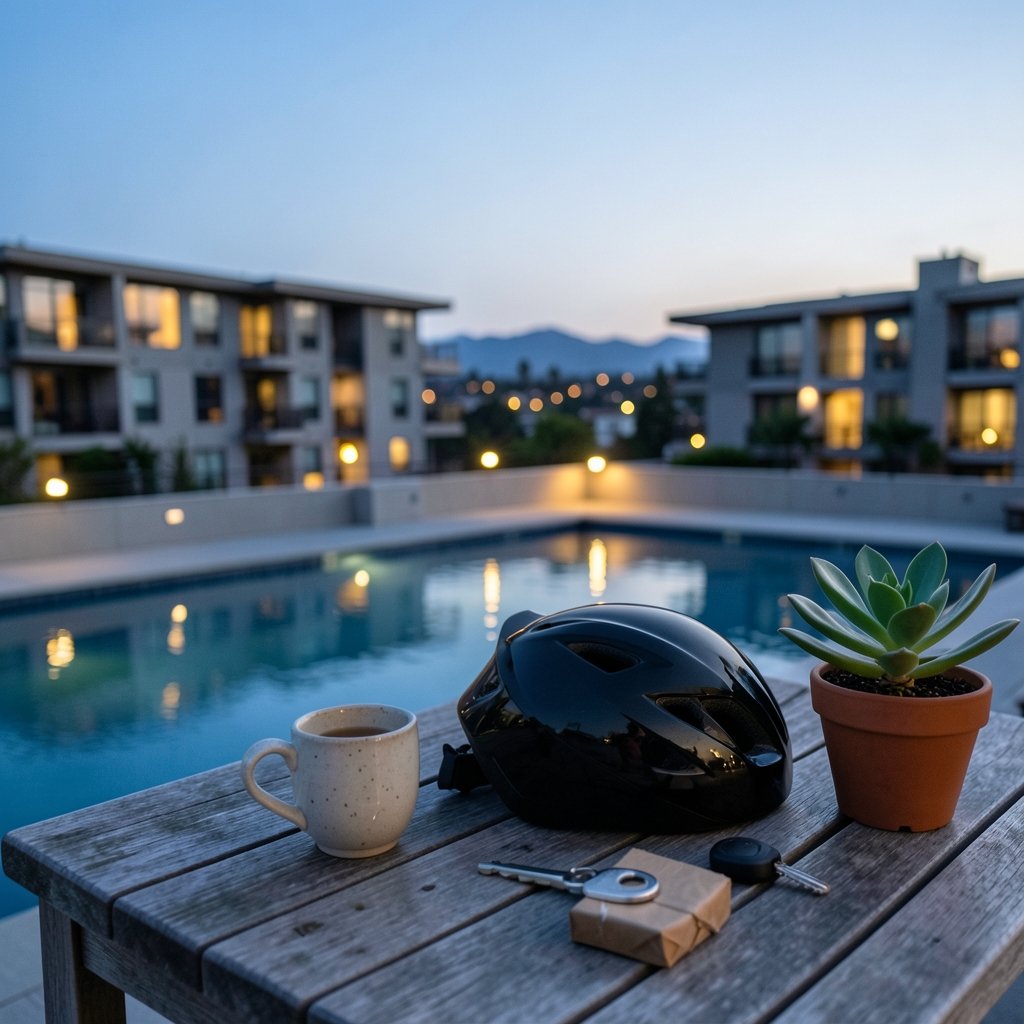
What does $4,000 a month buy in the heart of Silicon Valley? In Mountain View, California, it buys a lot: a rooftop pool, a co-working lounge, a bike repair station, and a front door a short walk from the offices of some of the most valuable companies on earth. It also buys a set of trade-offs that the glossy brochures rarely spell out. This guide walks through what the city’s high-end rental market really looks like, who it serves, and how to avoid the mistakes that cost new renters money.
Why Mountain View Commands Luxury Rents
Mountain View sits in Santa Clara County, roughly 35 miles south of San Francisco, in the middle of what the world calls Silicon Valley. The city of about 82,000 people hosts the headquarters of Google parent Alphabet, plus major offices for Microsoft, LinkedIn, and dozens of venture-backed startups. That concentration of high-paying employers is the engine behind the rental market. When thousands of engineers, product managers, and executives move in each year and most of them rent rather than buy, demand for premium housing outpaces supply.
The geography tightens the squeeze further. Mountain View is built out. There is little undeveloped land, and much of what exists is zoned for single-family homes. New luxury buildings tend to rise on former commercial parcels, along the downtown corridor near Castro Street, and in the North Bayshore area that the city has been transforming into a mixed-use district. Each of those projects faces years of planning review, which is one reason the newest buildings can charge a premium: there simply are not many of them. (Bentley Cars: What Sets Them Apart From Other Luxury Brands)
Renters who want to understand how developers get approval for tall, dense luxury projects should know about California’s density bonus law. Under Government Code Section 65915, a developer can build taller or denser than local zoning allows in exchange for setting aside a share of units at below-market rents. Many of the newest Mountain View buildings use this tool, which is why a luxury tower can sit next to income-restricted apartments in the same complex. (Best Korean Luxury Beauty Brands: Top Picks & Guide 2026) (Luxury apartment)
What “Luxury” Actually Means in This Market

The word luxury gets stretched hard in real estate marketing. In Mountain View, it usually means a building constructed or renovated within the last decade with a defined amenity package and professional management. Here is how the tiers tend to break down. (Best Eco Luxury Lodges: Spot Genuine Sustainability)
| Tier | Typical Monthly Rent (1BR) | What You Get |
|---|---|---|
| Older garden-style apartment | $2,400 to $3,000 | Basic finishes, surface parking, shared laundry |
| Mid-tier newer building | $3,000 to $3,700 | In-unit laundry, gym, package lockers, EV chargers |
| True luxury tower | $3,700 to $5,000+ | Concierge, rooftop deck, pool, co-working lounge, smart-home features |
These figures move constantly, so treat them as a rough map rather than a quote. The pattern matters more than the numbers: each step up the ladder adds amenities and finishes, but the biggest driver of price is still location within walking distance of the downtown core or a transit stop.
Amenities that genuinely change daily life include in-unit washers and dryers, dedicated parking, secure package rooms (a real issue when residents order everything online), and fast, reliable internet wiring. Amenities that look great in photos but rarely get used include rooftop fire pits in windy months and demonstration kitchens. Tour a building on a weekday evening and watch which spaces are actually occupied.
The Transit and Commute Factor
Mountain View’s luxury market leans heavily on transit access. The city has a Caltrain station downtown with direct service to San Francisco and San Jose, plus VTA light rail lines that connect to surrounding cities. Buildings within a ten-minute walk of those stops can charge meaningfully more than comparable buildings a mile away.
For renters weighing a car-free or one-car lifestyle, this is the single most important variable to check. Walk the route to the station at rush hour before signing. A half-mile that looks easy on a map can involve crossing a six-lane arterial road with poor signal timing. The same logic applies to bike routes: the city has been adding protected lanes, but coverage is uneven, and a building’s marketing map may show a route that feels very different at 8 a.m. on a Tuesday.
Renters comparing high-end electric vehicles against their charging situation should also confirm whether the building’s EV chargers are shared, reserved, or metered. A garage with four chargers for 200 units is a different proposition from one with a dedicated spot per resident.
The Rules That Shape Your Lease
California rental law is unusually layered, and Mountain View adds a local layer on top. Understanding the basics before touring saves considerable friction later.
Statewide, the Tenant Protection Act of 2019, passed as Assembly Bill 1482, limits annual rent increases for many covered units to 5 percent plus local inflation, capped at 10 percent. It also requires just cause for eviction. Crucially, the law exempts housing built within the previous 15 years. That exemption matters enormously in Mountain View, because most luxury buildings are new. A renter moving into a brand-new tower may have far fewer protections than one moving into a 1990s building down the street.
On top of state law, Mountain View has its own rent stabilization and eviction protections, adopted by voters in 2016. The local ordinance and the state statute interact in ways that confuse even experienced renters, and the details have been amended over time. Anyone signing a lease in a building more than a few years old should read the current city ordinance text directly rather than rely on a leasing agent’s summary.
Two smaller but practical rules come up constantly. California requires working smoke alarms in residential units, and since 2015 has required carbon monoxide devices in many homes. Landlords are responsible for installing them; renters are responsible for not disabling them and for reporting failures. It is also worth photographing the unit’s condition on move-in day, with timestamps, because deposit disputes are the most common landlord-tenant conflict in the state.
Who These Apartments Are Really For
The typical Mountain View luxury renter falls into one of a few groups.
Tech employees on relocation packages. Many arrive with a housing stipend and a short timeline, which makes professionally managed buildings with flexible lease terms attractive. The trade-off is that they often pay above market because they do not have time to comparison shop.
Dual-income couples priced out of buying. With single-family home prices in the region far beyond most budgets, a luxury rental becomes a rational long-term choice rather than a stopgap. These renters tend to care most about space, storage, and school access.
Empty nesters downsizing. A growing group trades a large house for a lock-and-leave apartment with a concierge and a gym. They tend to prioritize quiet, parking, and building management responsiveness over rooftop bars.
Remote workers who chose the region for occasional office days. This group is smaller than it was during the pandemic boom but still meaningful, and it tends to favor buildings with strong home-office setups and reliable connectivity.
Each group values different things, and the mistake many renters make is touring with someone else’s priorities in mind. A building that delights a 28-year-old engineer may frustrate a couple with a toddler, and vice versa.
Practical Tips That Save Money and Regret
These are the lessons that come up again and again in this market.
- Ask for the rent history of the specific unit. A building can advertise a “starting at” price that applies only to one floor plan on the ground floor facing the parking garage. Ask what the same unit rented for last year, and whether any concessions (free weeks, waived fees) are baked into the quoted number.
- Read the concession clause carefully. A month free spread across a twelve-month lease looks like a discount but can mean a large step-up at renewal. Calculate the effective monthly cost, then calculate what renewal will cost.
- Check the construction date against rent control rules. If the building is close to the 15-year exemption threshold, ask management to confirm in writing when the certificate of occupancy was issued.
- Visit at two different times of day. Noise from a nearby freeway, a train line, or a downtown bar district is invisible at 11 a.m. and obvious at 11 p.m.
- Confirm what the amenity fee covers. Some buildings charge a separate monthly amenity fee on top of rent, and some charge for parking, storage, and pet rent separately. Add them all before comparing two buildings.
- Ask about package handling and deliveries. In a city where residents order heavily online, a building without a secure package room creates daily friction.
- Get the maintenance response time in writing. Ask how urgent requests are handled after hours and who answers the phone.
The single most common mistake is comparing buildings on headline rent alone. Once parking, amenity fees, pet rent, and utilities are added, a building that looked $200 cheaper can end up costing more.
Comparing Mountain View With Neighboring Cities
Renters rarely consider Mountain View in isolation. The surrounding cities each offer a different balance of price, commute, and atmosphere. (Owning a Home: CFPB Guide)
| City | Character | Relative Luxury Rent |
|---|---|---|
| Mountain View | Suburban downtown, major tech employers, Caltrain | High |
| Palo Alto | Leafy, university-adjacent, quieter | Very high |
| Sunnyvale | Newer construction, more supply | High, slightly lower |
| Santa Clara | More space per dollar, strong retail | Moderate to high |
| San Jose | Urban core, widest range of options | Wide spread |
Sunnyvale and Santa Clara have added more new luxury units in recent years, which has softened pricing pressure there relative to Mountain View. Renters with flexible commutes often find better value one city over and use the savings on transit passes or a car.
Conclusion
Mountain View’s luxury apartment market is a direct reflection of the economy around it: scarce land, enormous employer demand, and a steady stream of new buildings that trade amenities and transit access for premium rents. The renters who do best are the ones who treat the search like a research project rather than a shopping trip. They calculate effective monthly costs instead of headline rents, they check construction dates against rent control rules, they walk the commute route before signing, and they read the lease’s concession and fee clauses line by line. The buildings are genuinely good. The trick is making sure the specific building is genuinely good for you.
Frequently Asked Questions
How much do luxury apartments in Mountain View cost?
Most high-end one-bedroom units rent somewhere between $3,700 and $5,000 per month, with two-bedrooms running higher. Prices vary by building age, floor, view, and proximity to downtown or Caltrain. Always add parking, amenity fees, and pet rent before comparing two buildings.
Are new luxury buildings covered by rent control in Mountain View?
Often not. California’s statewide rent cap exempts housing built within the previous 15 years, and most luxury towers in the city are newer than that. Mountain View also has its own local rent stabilization ordinance, so renters should confirm the building’s construction date and read the current city rules rather than relying on a leasing agent’s summary.
What amenities should renters actually prioritize?
In-unit laundry, dedicated parking, secure package delivery, reliable internet wiring, and responsive after-hours maintenance matter most day to day. Rooftop decks and demonstration kitchens photograph well but are rarely the reason someone renews a lease. Tour in the evening to see which shared spaces residents actually use.
Is it worth paying extra to live near Caltrain?
For anyone commuting to San Francisco or San Jose, usually yes. Buildings within a ten-minute walk of the downtown station command a premium, but the savings on car ownership and parking can offset much of it. Walk the route at rush hour first, since some half-mile walks involve difficult road crossings.
What should renters check before signing a lease?
Confirm the effective monthly cost after concessions, ask what renewal pricing looks like, get the amenity and parking fee schedule in writing, verify the construction date, and photograph the unit’s condition on move-in day. Also ask how after-hours maintenance requests are handled and who answers the phone.
How does Mountain View compare with Sunnyvale and Santa Clara?
Mountain View tends to be the most expensive of the three because of its employer concentration and limited new supply. Sunnyvale and Santa Clara have added more luxury units recently, which has kept pricing somewhat softer. Renters with flexible commutes often find better value one city over.