
Mountain Falls Luxury Motorcoach Resort: Owner & Guest Guide
 Abdul WadoodLast updated
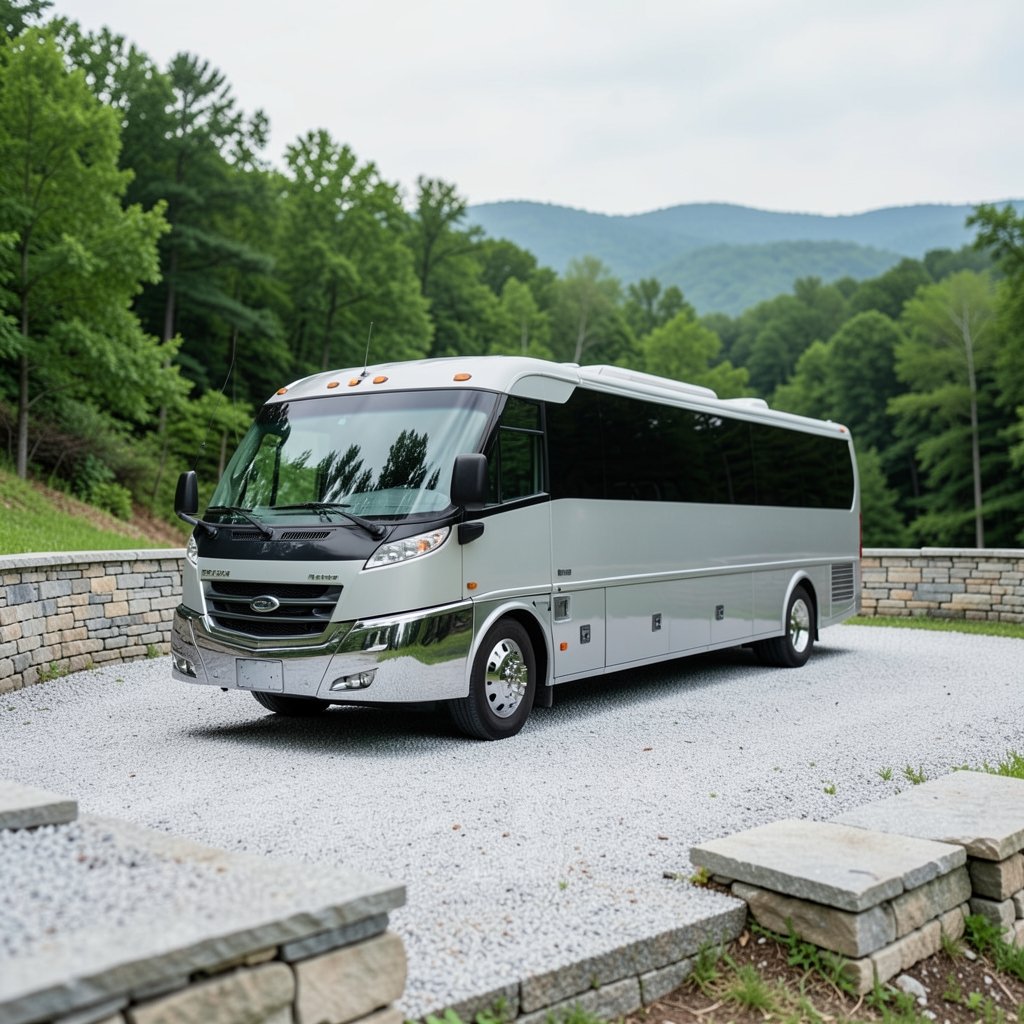
What makes a motorcoach resort different from a fancy campground? The answer matters if you are considering Mountain Falls Luxury Motorcoach Resort in Lake Toxaway, North Carolina. This is a Class A motorcoach community in the Blue Ridge Mountains, roughly an hour southwest of Asheville and close to the South Carolina border. It sits in Transylvania County, a region known for waterfalls, hardwood forests, and cool summers.
The pitch is simple: bring a large coach, park it on a terraced site with mountain views, and use resort-style amenities. But the details behind that pitch are where buyers and renters need to slow down. Ownership structures, lot rules, and rental policies vary widely across this category of resort. This guide walks through what the property is, how the ownership model typically works, what to check before committing, and the mistakes people make when they fall for a mountain view before reading the fine print.
What Mountain Falls Luxury Motorcoach Resort Actually Is
Mountain Falls is a motorcoach resort, not a hotel and not a traditional RV park. The distinction matters. Motorcoach resorts generally cater to large Class A diesel coaches, the kind with air brakes, big holding tanks, and 50-amp power needs. Sites are usually built around those dimensions rather than around tents and travel trailers.
The property is described as having tiered, terraced sites that step up the mountainside, which is how it captures views across the Blue Ridge. Amenities have been described as including a clubhouse, pool, and fitness facilities, though the exact list should always be confirmed directly with the resort before booking or buying. Lake Toxaway itself is a small mountain community built around a private lake, with Brevard and Cashiers as the nearest practical towns for groceries and services.
One caution up front: details about lot availability, pricing, HOA structure, and whether the resort offers nightly rentals versus ownership only change often. Treat any secondhand description, including this one, as a starting point rather than a final answer. Confirm current terms with the resort and with county records.
The Ownership Model, Explained Plainly
Most luxury motorcoach resorts in the United States sell or lease individual lots. Buyers purchase a deeded lot or a long-term lease, then pay ongoing fees for maintenance, amenities, and shared infrastructure. Some resorts also run a rental program where owners can place their lot into a pool when they are not using it.
That model has real advantages. You control your site, you build a community with neighbors who share the same interests, and you get consistent hookups and services. It also has real obligations. HOA fees, special assessments, rental restrictions, and rules about coach age or length are common. Some resorts restrict resale, limit how often a lot can be rented, or require approval of the coach itself.
| Model | What You Pay | What You Control | Typical Catch |
|---|---|---|---|
| Deeded lot ownership | Purchase price plus annual fees | Your site, your schedule | HOA rules, assessments, resale limits |
| Long-term lease | Upfront lease fee plus maintenance | Use rights for a set term | Less equity, renewal uncertainty |
| Rental program | Nightly or weekly rate | Nothing permanent | Limited availability, blackout dates |
| Owner rental pool | Nightly rate to the owner | Nothing permanent | Rules set by the owner and resort |
If you are weighing this against other high-end travel spending, it helps to see it through the same lens as any big luxury decision. The same logic that explains why some luxury experiences as gifts fall flat applies here: the value comes from repeated use and fit, not from the brochure.
What to Check Before You Buy a Lot
Buying into a motorcoach resort is a real estate transaction wrapped in a lifestyle purchase. That combination makes people emotional, and emotional buyers skip due diligence. Here is a practical sequence that works.
- Request the current rules and regulations in writing, including coach age, length, and exterior appearance standards.
- Ask for the last three years of HOA budgets, fee increases, and any special assessments.
- Confirm whether the lot is deeded or leased, and get the exact legal description.
- Check county property records and the register of deeds to verify ownership and subdivision plats.
- Ask how rental income works, who manages it, and what percentage the resort keeps.
- Visit in person, ideally in a different season than your first trip, and talk to owners who are not on the sales team.
- Read the resale terms. Some resorts hold right of first refusal or charge transfer fees.
The single most common mistake is buying on a beautiful fall weekend without reading the rules packet. The second most common is assuming a rental program will cover the annual fees. It usually does not, and anyone who tells you otherwise should show you the numbers.
Location and What the Surroundings Offer
Lake Toxaway sits in Transylvania County, a part of western North Carolina known for heavy rainfall, dense forest, and an unusual concentration of waterfalls. The county markets itself heavily around outdoor recreation, and the surrounding public lands are managed by state and federal agencies. If you want to understand the ecology and recreation context of the region before you commit to a season there, the Blue Ridge National Heritage Area explains the cultural and natural landscape of western North Carolina in depth.
Practically speaking, the area rewards people who like hiking, fly fishing, and cool evenings. Summers are milder than in the lowlands, which is a large part of the appeal for coach owners coming from Florida, Georgia, and the Carolinas. Winters bring occasional snow and ice, and some mountain roads become genuinely difficult for a 40-foot coach with a toad attached. Anyone planning a year-round stay should ask current owners about access in January and February. (Recreational vehicle)
Services are a short drive away. Brevard, roughly half an hour east, has a hospital, grocery stores, and a lively small-town center. Cashiers and Highlands sit to the southwest. Asheville is about an hour out for flights, specialists, and bigger shopping.
The Coach Itself: Comfort and Practicality
Half the experience of a motorcoach resort is the coach. Owners at this level tend to care about noise, ride quality, and how well the cabin holds up on long mountain grades. If quiet cruising matters to you, this breakdown of the quietest luxury cars and what actually makes a cabin silent is a useful primer on the engineering behind cabin quiet, and much of it carries over to coach design.
A few practical points that experienced coach owners raise again and again:
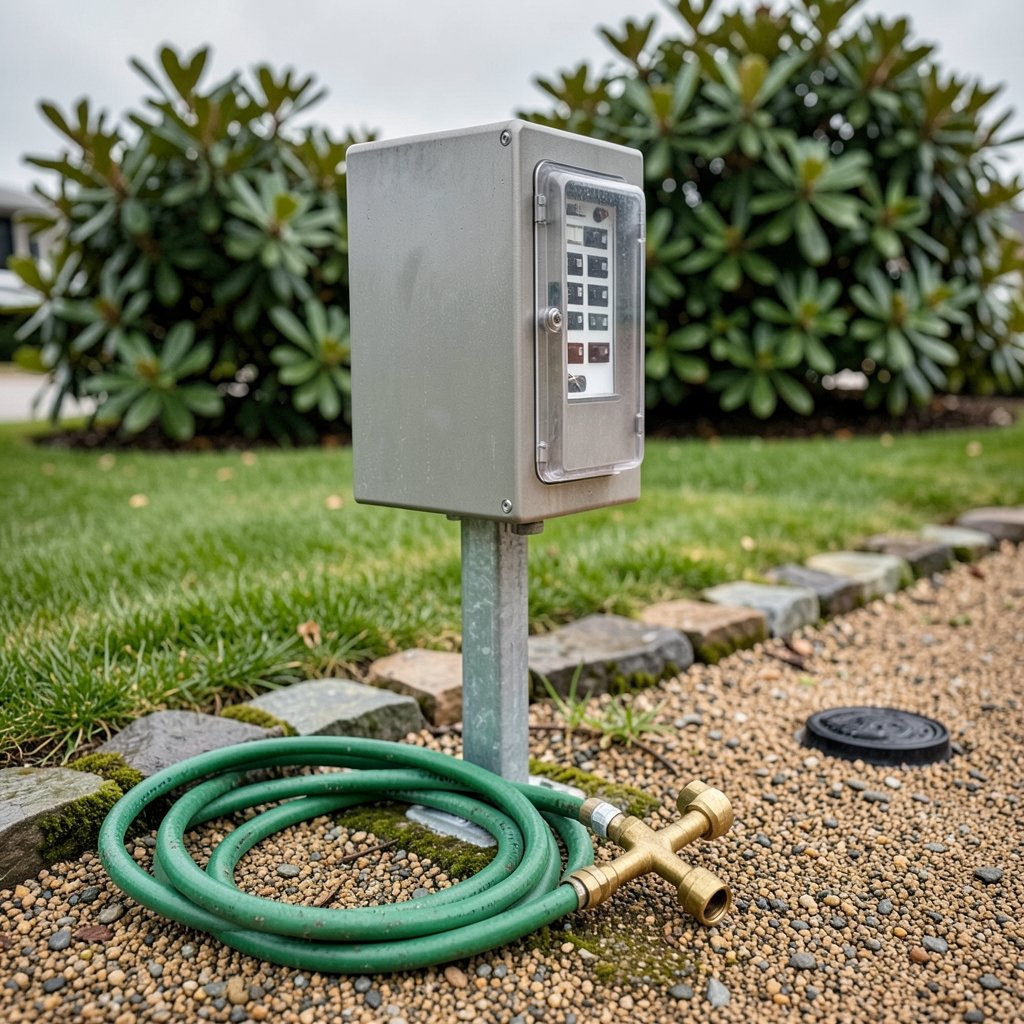
- Confirm the site’s amperage and whether it is 50-amp, and check the pedestal condition on arrival.
- Ask about site length, pad width, and turning radius for your specific coach and tow vehicle.
- Check cell and internet coverage on the actual lot, not at the office.
- Ask how propane, diesel, and waste service are handled, and whether mobile service providers are allowed.
- Bring leveling blocks and chocks even on paved pads.
None of this is glamorous, and that is the point. The difference between a great season and a frustrating one usually comes down to hookups, access, and coverage rather than the view.
How This Compares to Other Luxury Travel Choices
A motorcoach lot is one option among many for people who want a repeatable luxury habit. Others buy into resort residences, charter boats, or return to the same hotel every year. The question worth asking is whether you want ownership, access, or simply a very good week.
That is the same tension covered in the distinction between accessible luxury and true luxury and where the line falls. A motorcoach resort sits firmly on the ownership side of that line. You are buying infrastructure and community, with the view as only one part of the purchase.
For comparison, consider how people evaluate other destination properties. A Lake Como luxury travel guide covering villas, boats, and where to stay shows how much of the value in a destination property comes from access, privacy, and setting rather than square footage. The same is true on a mountainside in Transylvania County.
If your travel plans include other regions, it is also worth reading a Victoria Falls Zimbabwe luxury travel guide with real substance to see how seasoned travelers separate genuine quality from marketing language. That skill transfers directly to evaluating any resort, including this one.
Rental Stays: What Guests Should Expect
Guests renting a lot rather than buying one should set expectations carefully. Availability is often limited, and the best sites are usually held by owners who use them frequently. Booking direct through an owner or the resort’s rental program is common, and policies on deposits, cancellation, and pets vary from lot to lot.
Guests should confirm:
- Whether linens, cookware, and outdoor furniture are included or the lot is site-only.
- Whether the coach is provided or you bring your own.
- Guest rules for visitors, vehicles, and quiet hours.
- Whether amenities like the pool and clubhouse are open in the shoulder season.
A useful rule of thumb is to ask for photos of the specific lot, not the resort in general. Terraced sites vary enormously in view, shade, and privacy, and a generic photo set tells you almost nothing about the site you are actually booking.
Common Mistakes People Make
A few patterns show up repeatedly among people exploring this kind of property.
Buying before visiting in person. Photos hide grade, road noise, and afternoon sun. A site that looks perfect in a listing can be a sauna by 3 p.m.
Ignoring the fee trajectory. Annual fees that look reasonable in year one can climb. Ask for a multi-year history, not a single figure.
Assuming rental income. Rental programs help offset costs but rarely cover them fully, and occupancy depends on season and management quality.
Skipping the rules packet. Coach age limits, exterior appearance standards, and guest policies are enforced. Read them before you fall in love with a view.
Overlooking the drive. Mountain access roads are not all created equal. Drive the route in your actual coach before you commit.
Conclusion
Mountain Falls Luxury Motorcoach Resort is a specific product for a specific buyer: someone with a large Class A coach who wants a mountain base with resort amenities and is comfortable with the obligations that come with ownership. The setting in Lake Toxaway is genuinely appealing, and Transylvania County delivers on outdoor access in a way few places can match.
But the decision deserves the same rigor as any real estate purchase. Get the rules in writing, verify ownership through county records, visit in more than one season, and run the fee math over five years rather than one. If the numbers and the rules work for you, a terraced site in the Blue Ridge can be an excellent long-term base. If they do not, a rental week is a far cheaper way to find out. Either way, the view is the easy part. The paperwork is where the decision actually gets made.
Frequently Asked Questions
Is Mountain Falls Luxury Motorcoach Resort open to any RV?
It is built as a Class A motorcoach resort, so expect coach length, age, and appearance standards. Confirm the current rules directly with the resort before planning a stay, since these policies change.
Where exactly is the resort located?
It is in Lake Toxaway, in Transylvania County, western North Carolina, roughly an hour southwest of Asheville and near the South Carolina border.
Can you rent a site without buying a lot?
Many motorcoach resorts of this type offer rentals through owners or a resort program, but availability and terms vary. Ask specifically whether rentals exist, what is included, and which lots are available.
What should buyers verify before purchasing?
Verify whether the lot is deeded or leased, request several years of HOA budgets and assessments, read the rules packet in full, and check county property records and register of deeds filings.
Is the resort suitable for year-round living?
Winters in the southern Blue Ridge can bring snow and ice, and some access roads become difficult for large coaches. Ask current owners about January and February conditions before committing to a full year.
How does this compare with a standard RV park?
A motorcoach resort focuses on large Class A coaches, ownership or long-term stays, and resort amenities. A standard RV park is generally transient and open to a much wider range of vehicles and camping styles. (Camping)