
Luxury Furniture Stores: Buy Well, Avoid Costly Mistakes
 Abdul WadoodLast updated
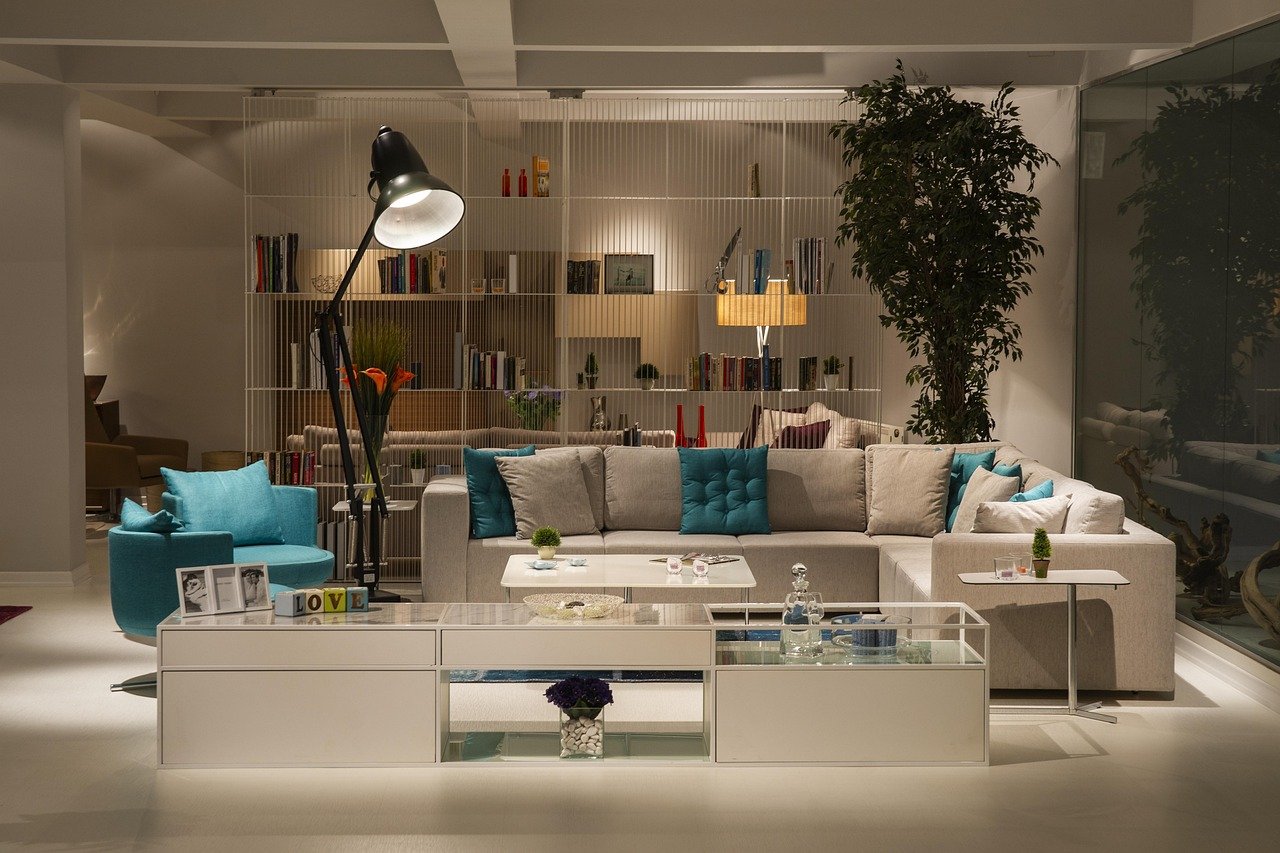
What separates a truly great luxury furniture store from a beautiful showroom with a weak backbone? Walk into any high-end gallery and the lighting, the space, the scent, the careful arrangement all say one thing: this is expensive. But price alone tells you almost nothing about whether the piece in front of you will still feel worth it in fifteen years. The real difference sits underneath the surface: how the store sources, how it stands behind what it sells, and whether the people working the floor actually know the product. This guide walks through what luxury furniture retail really looks like today, where it is made, how to judge a store before you commit, and the mistakes that quietly cost buyers the most money. (Furniture)
What “luxury furniture” actually means
Here is the awkward truth: there is no official definition. Market researchers, trade bodies and retailers all draw the line differently. Some count only designer-branded pieces sold through galleries. Others fold in high-end contract and hospitality work. Some use a price threshold; others use materials, brand positioning or country of origin. That definitional fog matters, because market-size figures swing wildly depending on which line a researcher draws. Estimates for the global luxury furniture market have landed in the low tens of billions of US dollars through the early-to-mid 2020s, with single-digit to low-double-digit growth forecasts. Treat any single number you see quoted as one definition among many, not a settled fact.
For a buyer, the practical definition is simpler. Luxury furniture is made-to-order or small-batch, built from materials chosen for longevity rather than cost, and sold with real specification detail: frame construction, joinery, foam density, leather origin, finish warranty. If a store cannot tell you those things, the word “luxury” on the door is decoration.
A fragmented industry built around design clusters

Unlike cars or phones, luxury furniture has no dominant global retailer. The sector is a patchwork of European design houses, licensed fashion brands and a handful of large high-end retailers. Italy anchors the industry through its furniture district around Brianza, north of Milan, and through the Salone del Mobile trade fair, held in Milan every year since 1961. That fair is where the year’s collections debut and where store buyers do much of their choosing. If you want to understand why a sofa looks the way it does, the fair’s history and role as the sector’s showcase is worth a look.
The commonly cited names split into a few camps:
| Camp | Examples | What it signals |
|---|---|---|
| Italian design houses | Minotti, B&B Italia, Poltrona Frau, Cassina, Flexform | Deep manufacturing heritage, strong specification transparency |
| Fashion-house home lines | Fendi Casa, Versace Home | Licensed design, brand-led appeal, verify who actually makes it |
| Large high-end retailers | RH, Design Within Reach | Curated multi-brand assortment, gallery-style showrooms |
That last row is useful for benchmarking. RH is one of the few listed pure-play high-end home furnishings retailers, which means its public filings give audited revenue and store-count data. If you want a factual anchor for how big this business really is, primary financial filings beat marketing copy every time.
How the showroom model changed
The old model was a multi-brand dealer with a catalog and a warehouse. The new model is a gallery: fewer pieces, more space per piece, hospitality built in. Several large retailers now attach restaurants, wine bars or design libraries to their stores, turning a furniture purchase into a half-day outing. Direct-to-consumer e-commerce sits alongside, but it has limits. Nobody spends five figures on a sofa they have never sat on, which is why physical showrooms have not disappeared.
Practical tip: book a weekday appointment. Weekend floor traffic means less attention, and the best salespeople are usually assigned to appointments. Ask for the person who handles the brands you are considering, not whoever greets the door.
Made-to-order is the norm, and lead times reflect it
Most luxury furniture is not sitting in a warehouse. It is built after you order, which is why lead times of several months are standard rather than a red flag. A custom sofa in a specific fabric can take twelve to sixteen weeks; anything with hand-finishing or imported components can run longer. This is a structural difference from mass-market retail, and it is the single biggest source of buyer frustration.
What actually works: get the lead time in writing before you pay, along with the delivery window and who handles white-glove installation. Ask what happens if the date slips. Stores that manage expectations well will give you a range and a named contact. Stores that promise a date they cannot control are telling you something about how they operate.
How to judge a store before you commit
A beautiful room is easy to stage. These checks separate substance from theater.
- Ask for the specification sheet. Frame material, joinery type, foam density, fabric rub count, leather origin. A serious store has this on hand.
- Sit for ten minutes, not ten seconds. Comfort problems show up in minute eight, not minute one.
- Ask who manufactures the piece. For licensed fashion-house lines, the answer is often a separate furniture maker. That is fine, but you should know.
- Check the warranty in detail. What is covered, for how long, and what voids it? Fabric fading and frame failure are very different promises.
- Ask about samples. Can you take a fabric or leather swatch home to see it in your own light? Good stores say yes.
- Walk the back of the showroom. Delivery scheduling, service desks and repair handling reveal more than the front window.
- Ask what they do when something goes wrong. The answer to this question is the whole relationship.
If you are furnishing a second home or a rental property, the calculus shifts. A destination property needs pieces that survive guests and humidity, which is a different brief from a primary residence. The same logic that applies to choosing a Lake Como luxury travel guide on villas, boats and where to stay applies to furnishing one: match the purchase to the actual use, not the fantasy.
The mistakes that cost buyers the most
Buying the floor model on impulse. Floor samples are often discounted, sometimes heavily, but they have been sat on by thousands of people. Inspect every seam and cushion, and confirm the warranty still applies.
Skipping the room measurement. A three-meter sofa in a showroom with four-meter ceilings looks smaller than it will in your living room. Tape the footprint on the floor before you order.
Choosing fabric by showroom light. Showroom lighting flatters everything. Take the swatch home and look at it at noon and at night.
Assuming the brand name covers the whole piece. A designer label on a frame does not guarantee the cushions, the mechanism or the finish. Ask about each component.
Ignoring total cost. Delivery, white-glove installation, taxes and any restocking fee all add up. Get the full landed price in writing.
Ordering everything at once. Staggering purchases lets you live with one piece before committing to a whole room’s worth of decisions.
There is also a quieter mistake: buying for the label rather than the life. The most satisfying interiors tend to follow a slower, more deliberate logic, closer to a conscious luxury approach of buying better rather than more, where each piece earns its place and gets repaired rather than replaced. That mindset saves money over a decade and produces rooms that feel collected instead of staged.
Counterfeits, design protection and why provenance matters
Design furniture is a known target for counterfeiters, and the copies are getting good. The EU has a registered Community design system that protects the appearance of a product, in force since 2002, and Italy has its own design protections. If a price looks impossibly low for a known design, ask for provenance: the maker’s documentation, the authorized dealer chain, the serial or authenticity record. Reputable stores will show you. This is also why buying from an authorized dealer matters even when a grey-market seller undercuts it: the warranty usually does not travel with the piece.
Sustainability claims worth trusting
Luxury makers increasingly publish sustainability reports and material-sourcing claims. Some are rigorous; some are marketing. The way to tell the difference is third-party verification. Forest certification schemes, for example, audit wood sourcing against published standards rather than taking a brand’s word for it. Leather traceability programs vary widely in depth. Ask a direct question: which certification covers this specific material, and can you show the certificate? Stores that have done the work answer quickly. Look for the same discipline you would apply when sorting real sustainability from greenwashing in eco-luxury lodges that prove their claims.
Tariffs, shipping and the price you actually pay
High-end furniture is exposed to import tariffs and freight costs, and tariff policy on European and Asian furniture has shifted repeatedly through the 2020s. That volatility shows up in retail prices, sometimes with little warning. If you are quoted a price with a validity window, treat the window seriously. If a store cannot explain why a price changed, ask. Date-stamp any rate you are quoted, because it may not hold for long.
Where to shop: matching the store to the purchase
Different purchases want different stores. A statement sofa deserves a brand gallery where you can see the full range and specify the fabric. A dining table might be better served by a multi-brand dealer who carries several makers and can compare construction. Accessories and lighting often come from smaller design shops with rotating stock. And for anyone furnishing a household with several generations under one roof, durability and accessibility matter more than trend, which is why the planning logic behind a multigenerational luxury trip that works for every age translates neatly to furniture: buy for the least mobile and most demanding user first, and everything else gets easier.
If your purchase is tied to a car or a road trip rather than a home, the same principles of long-term value apply. Reading up on the best luxury cars for road trips in real-world comfort and range is a useful reminder that specification detail, not badge prestige, is what holds value over years of use. (Formaldehyde)
The quiet shift in taste
Something has changed in what buyers want. Open displays of wealth have given way to understated materials and restrained forms, and the two trends are often confused. If you want to understand the difference between the quiet luxury and old money aesthetics, it helps to know that one is about material quality and the other about inherited codes. Stores have noticed. Showrooms now lead with texture, tone and craft rather than logos, and the best salespeople talk about how a piece is made before they talk about who makes it.
Conclusion
Luxury furniture stores sell an experience, but what you are really buying is a set of decisions made long before the piece reaches the floor: the frame, the joinery, the leather, the warranty, the service behind it. Judge a store by what it can prove, not by how it looks under track lighting. Ask for specifications, take swatches home, get lead times and total costs in writing, and buy from authorized dealers who will still answer the phone in year five. Do that, and the showroom’s beauty becomes a bonus rather than the whole argument.
Frequently asked questions
How long should I expect to wait for luxury furniture?
Most pieces are made to order, so several months is normal rather than a warning sign. A custom sofa in a specific fabric commonly takes twelve to sixteen weeks, and hand-finished or imported pieces can take longer. Get the lead time and delivery window in writing, and ask what happens if the date slips.
Is it safe to buy a floor model?
It can be good value, but inspect it properly. Floor samples have absorbed years of use in compressed time. Check every seam, cushion and mechanism, confirm the discount reflects the condition, and ask in writing whether the full warranty still applies.
How can I tell a genuine designer piece from a counterfeit?
Ask for provenance: maker documentation, the authorized dealer chain, and any serial or authenticity record. The EU registered Community design system protects product appearance, and reputable dealers will happily show paperwork. A price far below the authorized retail level is the clearest warning sign.
Do luxury furniture stores negotiate on price?
Sometimes, especially on floor models, discontinued finishes or multi-piece orders. Discounting is less common on current-season made-to-order pieces. What you can often negotiate is delivery, installation or accessories. Ask directly and politely; the answer costs nothing.
What warranty should I expect?
It varies widely by maker and component. Frames usually carry longer coverage than fabrics, leather or mechanisms, and fading or wear is often excluded. Read the exclusions before you buy, and ask which specific parts are covered and for how long.
Are sustainability claims in luxury furniture trustworthy?
Some are, some are not. The reliable ones are verified by independent third parties rather than self-declared. Ask which certification covers the specific material in your piece and whether the store can show the certificate. Vague language about “responsible sourcing” without documentation is a signal to press harder.