
Luxury Bathrobes: What Justifies the Price Tag in 2026
 Abdul WadoodLast updated

What makes a bathrobe worth several hundred dollars when a department store version costs forty? The answer is rarely the monogram. It comes down to fiber, weave density, finishing, and the honest limits of what the word “luxury” can legally promise. This guide breaks down how to judge a robe before you buy one, which materials suit which habits, and where marketing language quietly stops meaning anything. (Lake como luxury travel guide villas boats where stay)
What “Luxury” Legally Means for a Bathrobe (Almost Nothing)
Start with the least romantic fact: there is no legal definition of “luxury” for textiles. Terms like hotel quality, spa grade, and five-star collection are marketing phrases, not standards. No regulator checks them. That means the label tells you about positioning, not performance.
What is regulated is the boring, useful stuff. In the United States, textile products, robes included, must carry fiber-content and country-of-origin labels under the Textile and Wool Acts labeling rules explained by the FTC. In the European Union, fiber names and labeling follow Regulation (EU) No 1007/2011 on textile fibre names and labelling. Those labels are your best defense against vague claims, because a robe labeled “100% Egyptian cotton” must at least be 100% cotton. Whether that cotton is long-staple and well spun is another matter entirely. (FTC guide to textile labeling requirements)
The Fibers Behind a Genuinely Good Robe
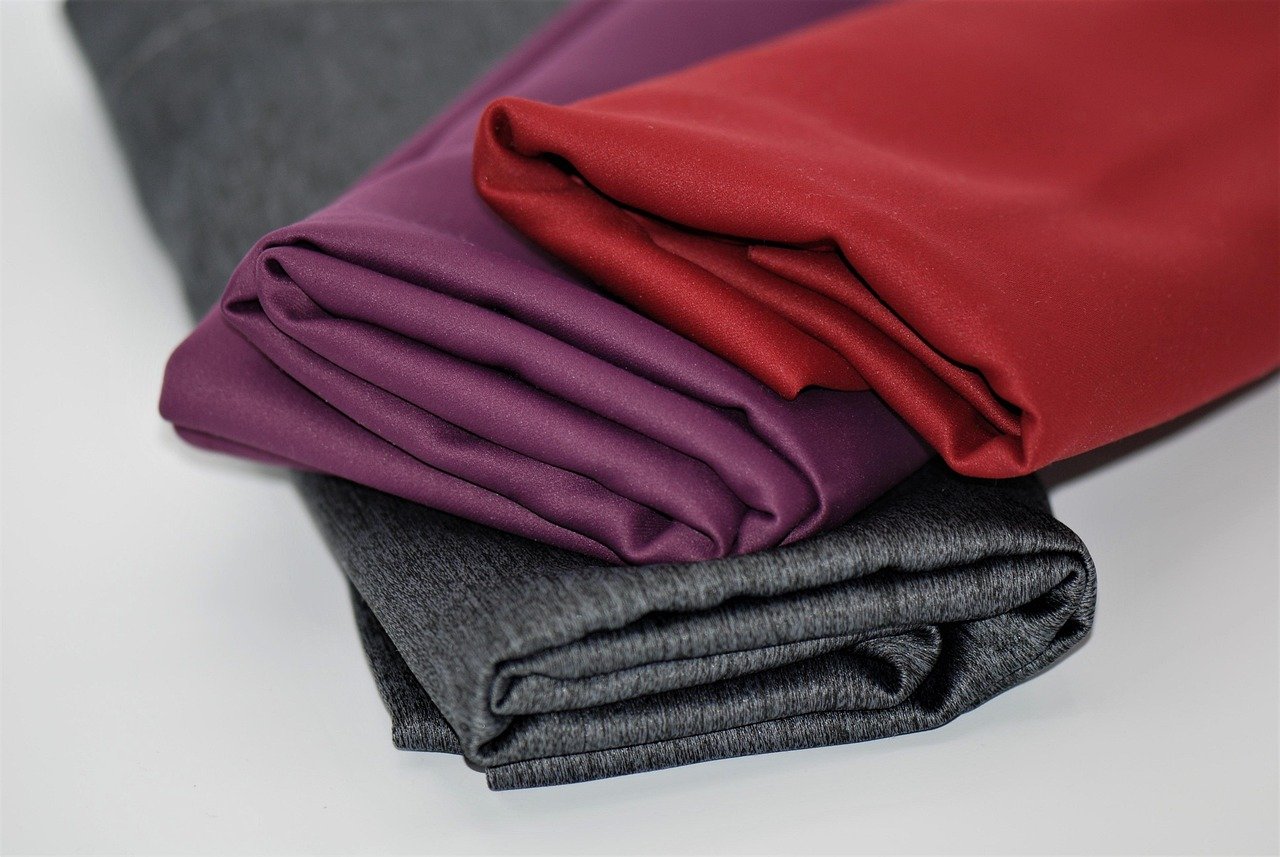
Material choice matters more than brand. Here is how the main options compare in practice.
| Fiber | Feel | Absorbency | Drying Speed | Best For |
|---|---|---|---|---|
| Turkish or Egyptian cotton terry | Plush, weighty | High | Slow | Post-shower warmth |
| Waffle-weave cotton | Textured, light | Moderate | Fast | Humid bathrooms, travel |
| Linen | Crisp, cool | Moderate | Fast | Warm climates, summer |
| Silk | Smooth, cool | Low | Fast | Dressing, not drying |
| Cashmere blend | Soft, insulating | Low | Moderate | Lounging in cool rooms |
Terry cloth, the loop-pile cotton weave most people picture, became the standard for absorbency in the 19th century and remains so today. The loops expose more fiber surface to water, which is why a good terry robe dries you in seconds.
Long-staple cottons such as Egyptian, Pima, and Supima are prized because longer fibers can be spun into finer, stronger yarns that pill less over time. One catch worth knowing: “Egyptian cotton” is not a protected term in most markets, so quality varies wildly between sellers. Supima is a licensed US-grown Pima brand with traceability requirements, which makes it a somewhat safer bet than an unqualified origin claim.
Silk and cashmere robes are luxury in the traditional sense, but they are poor drying garments. Buy them for the dressing ritual, not the post-shower moment.
Weave Weight and GSM: The Number Most Shoppers Ignore
Terry weight is usually expressed in grams per square metre (GSM). The ranges below reflect trade convention rather than a formal standard, but they are a reliable guide.
- Under 350 GSM: thin, fast-drying, common in budget robes and hotel waffle styles
- 400 to 500 GSM: the practical middle ground for daily home use
- 550 to 600+ GSM: dense, heavy, highly absorbent, and slow to dry
Heavier is not automatically better. A 600 GSM robe feels wonderful stepping out of a hot shower, but in a small bathroom without good ventilation it may stay damp for hours, and damp terry develops a musty smell fast. A 450 GSM robe plus a weekly hot wash often beats a heavyweight robe that never fully dries.
Waffle weaves sit outside the GSM comparison because their open structure makes them light and quick-drying. They are the smarter pick for shared bathrooms, gym bags, and humid climates.
How to Judge Quality in the Hand (and Online)
Reading a product page carefully filters out most disappointments. These checks work whether you are in a store or shopping from a screen.
- Read the fiber label, not the headline. “Cotton-rich” and “cotton blend” can hide a large share of polyester, which reduces absorbency and holds odor.
- Look for a stated GSM. A brand confident in its fabric usually publishes the number. Silence is a signal.
- Check the seams and belt loops. Double-stitched edges and reinforced loops survive repeated washing; single-stitch hems fray within a year.
- Confirm the return policy before washing. Most robe defects, shrinkage and seam failure among them, only appear after the first wash, and many retailers refuse returns once a garment is laundered.
- Weigh the care instructions. A robe that demands hand washing and flat drying will see far less use than one that tolerates a machine wash.
A common mistake is buying a robe in the size you wear in a T-shirt. Robes are cut to overlap at the front, so sizing up one step usually gives better coverage and a more comfortable wrap. Another frequent error is judging softness in the store. Fabric softeners and finishing treatments create a temporary silkiness that washes out. What lasts is fiber quality and weave, not the initial hand feel.
Hotel Robes, Co-Branding, and the Provenance Trap
Many luxury robe brands build their reputation on hotel partnerships, and “hotel collection” robes are often licensed or co-branded arrangements rather than the exact garment on the back of the door in a suite. Partnerships change over time, so a claim printed on a box is not proof of a current relationship.
This does not make hotel-style robes bad. It means the provenance story is marketing, and the fabric spec is the real evidence. Compare the GSM, fiber content, and origin on a hotel-branded robe against a specialist maker’s robe at the same price. The specs usually tell you which one was built to be used.
Where Robes Are Made, and Why It Shows in the Price
Cost is driven by fiber grade, weave density, finishing, and country of manufacture. Portugal, Turkey, Italy, and China all produce excellent robes, and all produce cheap ones. Origin alone tells you little; origin combined with a published specification tells you a lot.
Finishing is the invisible cost. Good makers wash, tumble, and sometimes enzyme-treat fabric to reduce shrinkage and soften the hand without coating it. That process costs money and time, and it is the difference between a robe that feels good in month one and one that still feels good in year three.
Care Rules That Keep a Robe Worth Its Price
A well-made robe can last many years, but only with reasonable care. These habits matter more than any detergent brand.
- Wash after two to three wears, not every day, to slow fiber wear.
- Skip fabric softener on terry. It coats the loops and reduces absorbency.
- Wash with like colors on a warm cycle and tumble low, or line dry.
- Avoid bleach on colored robes; oxygen-based cleaners are gentler.
- Air the robe between uses so it dries fully before the next shower.
For readers thinking about how durable goods fit into a broader buying philosophy, the argument for fewer, better purchases applies neatly to robes: the practical guide to conscious luxury and buying better rather than more covers the same logic across other categories.
Safety and Sustainability Claims Worth Checking
Two regulatory areas trip up robe buyers more than any other.
Flammability. In the US, general-wearing apparel falls under the Flammable Fabrics Act, enforced by the CPSC, whose guidance on flammable fabrics and clothing standards explains how apparel is classified. Adult robes are generally treated as apparel rather than children’s sleepwear, so the stricter sleepwear standards usually do not apply. Classification can depend on design and marketing, so parents buying robes for children should check the labeling carefully.
Organic claims. In the US, the word “organic” on fiber products falls under USDA National Organic Program rules, and textiles may carry the USDA organic seal only when certified under the USDA organic fiber and textile standards. An uncertified “organic cotton” claim on a robe is worth treating with skepticism.
How to Match a Robe to Your Actual Routine
The best robe is the one that fits how you live, not the one with the best photography. A few honest pairings:
- Daily shower in a steamy bathroom: mid-weight terry, 400 to 500 GSM, machine washable.
- Shared bathroom or gym: waffle weave for fast drying and less bulk.
- Cool bedroom, slow mornings: cashmere blend or brushed cotton for warmth.
- Warm climate: linen or lightweight cotton, cut generously for airflow.
- Gift buying: mid-weight terry in a neutral color, sized up, with a gift receipt.
Travelers who care about packing light should note that waffle and linen robes compress well, while heavy terry does not. The same packing discipline that shapes luxury road trips built around comfort and real-world range applies to robes: weight and drying time decide whether an item earns its place.
Common Mistakes That Waste Money
Even careful buyers stumble in predictable ways. Buying on brand name alone tops the list, because a famous label does not guarantee a published GSM or a fiber worth the price. A close second is choosing a robe for its look in a photograph rather than its drying behavior in a real bathroom. Third is ignoring shrinkage: unwashed cotton can lose several centimeters in length, so a robe bought to exact measurements may end up short after the first wash. Pre-shrunk or garment-washed fabric is worth paying for.
Finally, many shoppers underestimate how much a robe’s collar and cuff construction affect comfort. Shawl collars sit softly and suit lounging; notch collars look sharper and stay put. Neither is better, but the wrong one for your habits becomes an irritation you notice every morning.
Conclusion
A luxury bathrobe earns its price through fiber quality, weave density, careful finishing, and honest labeling, not through a hotel name or a monogram. Read the fiber content and the GSM, check the seams and the care instructions, and match the weight to how damp your bathroom actually gets. Do that, and the robe you choose will still feel like a good decision in year three, which is more than most marketing claims can promise.
Frequently Asked Questions
What GSM is best for a luxury bathrobe?
For most homes, 400 to 500 GSM hits the sweet spot between plushness and drying time. Robes above 550 GSM feel denser and more absorbent but stay damp longer in poorly ventilated bathrooms, which can lead to mustiness. Waffle weaves sit outside this scale and dry fastest.
Is Egyptian cotton actually better than regular cotton?
It can be, because long-staple fibers spin into stronger, smoother yarns that pill less. But “Egyptian cotton” is not a protected term in most markets, so quality varies by seller. Look for a stated long-staple or Supima designation and a published fabric weight rather than trusting the origin word alone.
How often should a bathrobe be washed?
After roughly two to three wears is a sensible rhythm for most people. Washing less often extends fiber life; washing more often keeps odor and bacteria in check. Skip fabric softener on terry, since it coats the loops and reduces absorbency over time. (Terrycloth: fabric structure and absorbency)
Are hotel-branded bathrobes the same as the ones in hotel rooms?
Often not. Many “hotel collection” robes are licensed or co-branded products rather than the exact garment used in the rooms, and partnerships change over time. Judge the robe on its fiber content, GSM, and construction instead of the hotel name attached to it.
Do bathrobes have to meet flammability standards?
In the US, general-wearing apparel is subject to the Flammable Fabrics Act, and adult robes are usually classified as apparel rather than children’s sleepwear. That means the stricter sleepwear standards typically do not apply. For children’s robes, check the labeling and classification carefully before buying.
Is an organic cotton bathrobe worth the premium?
Only if the claim is certified. In the US, textiles may carry the USDA organic seal only when certified under National Organic Program rules, so an uncertified “organic” label is a marketing statement rather than a verified one. If certification matters to you, look for the seal on the product page.