
Luxury Handbag Brands: What Separates the Great Houses
 Abdul WadoodLast updated
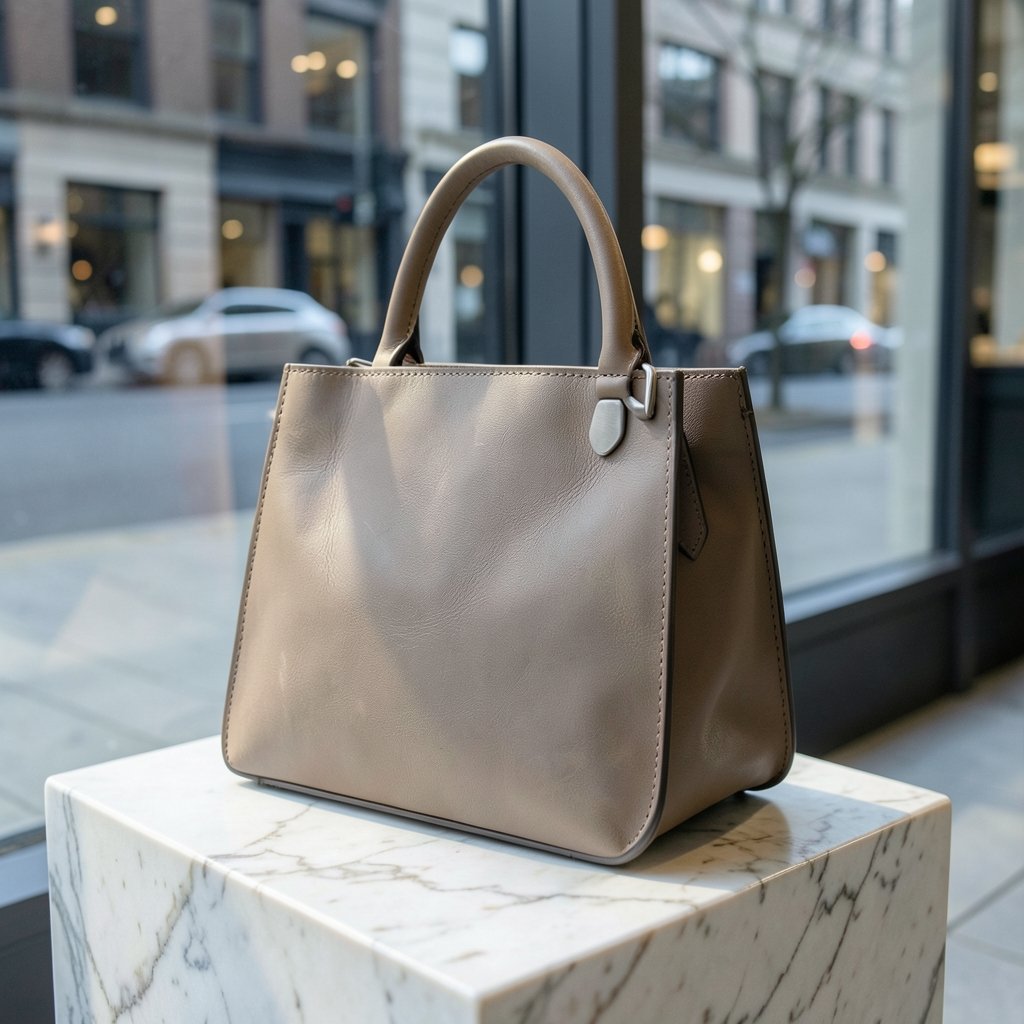
Why does a plain leather tote from one house cost as much as a small car while a nearly identical bag from another brand sells for a fraction of that price? The answer is rarely just the leather. It comes down to history, ownership, manufacturing choices, and the strange economics of scarcity. Understanding how luxury handbag brands really work helps you see past the logo and judge a bag on what it truly offers.
The Big Conglomerates Behind the Names
Most people assume every famous handbag label is an independent family business. In reality, a handful of conglomerates control a large share of the market. LVMH owns Louis Vuitton and Dior, among many others, while Kering owns Gucci, Saint Laurent, and Bottega Veneta. This matters for buyers because group ownership shapes pricing strategy, production scale, and how aggressively a brand chases trends.
Conglomerate backing usually means wider distribution and more consistent quality control. It can also mean a house gets pushed toward higher volumes and seasonal churn. Independent houses, by contrast, often move more slowly and protect their craft traditions. Neither model is automatically better, but knowing who signs the checks tells you a lot about how a brand behaves. If you value the idea of houses that stay close to their founding families, it helps to look at which luxury brands are still family owned and answer to their own name rather than a shareholder deck.
The Origin Stories That Built the Icons
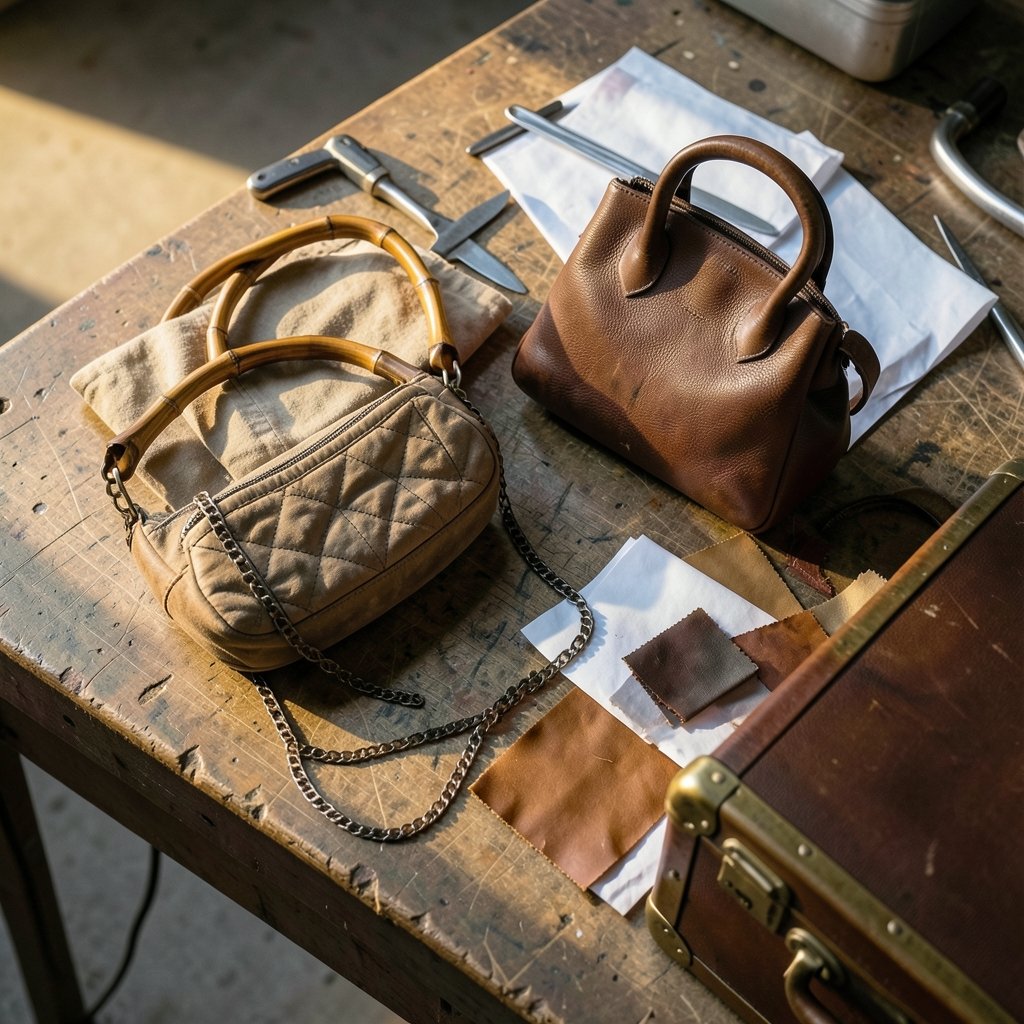
Almost every legendary bag has a story attached, and those stories do real commercial work. They give a product a reason to exist beyond function.
The Hermès Birkin was created in 1984, reportedly after a conversation between Jean-Louis Dumas and Jane Birkin on a Paris to London flight. The Hermès Kelly traces back to a design registered by Hermès in the 1930s and was later renamed after Grace Kelly following photographs of her carrying it. Chanel introduced its 2.55 bag in February 1955, hence the name, complete with a shoulder strap that freed women’s hands.
Louis Vuitton’s famous monogram canvas dates to 1896, when Georges Vuitton created it on top of the house’s 1854 founding as a trunk maker. Gucci, founded in Florence in 1921 by Guccio Gucci, launched its Bamboo bag in 1947, using bamboo handles during a period of post-war leather shortages. Dior’s Lady Dior arrived in 1995 and was named after Diana, Princess of Wales, after she was photographed carrying it.
These stories are charming, but they also explain pricing. A bag with a documented lineage is harder to copy convincingly and easier to resell. That is why the secondary market pays close attention to provenance.
Craft, Leather, and the Details That Justify the Price
Strip away the marketing and a handbag is a construction project. The differences that matter show up in a few specific places.
| Feature | What Top-Tier Houses Do | What Cheaper Bags Often Do |
|---|---|---|
| Leather | Full-grain hides, often from named tanneries | Corrected-grain or bonded leather |
| Stitching | Even, tight, hand-finished on stress points | Machine stitching with uneven tension |
| Hardware | Solid brass or plated with thick coating | Thin plating that wears through quickly |
| Edges | Painted and burnished in thin layers | Single thick coat that cracks |
| Lining | Leather or high-quality textile | Thin synthetic fabric |
A practical test in person: open the bag and look at the inside seams. Run a thumb along the edge paint. Check whether the hardware feels cold and solid or hollow. Turn the bag over and see if the pattern lines up across seams. These small checks reveal more than any label.
Why Prices Keep Climbing
Luxury handbag prices have risen sharply over the past decade, often faster than inflation. Part of this is genuine cost: skilled labor, scarce hides, and European production. Part of it is deliberate strategy. Raising prices protects exclusivity, and exclusivity is the product. If everyone can buy the bag, the bag stops signaling anything.
This creates a strange dynamic. Buyers who purchased years ago find their bags worth more than they paid, which fuels the resale market. Buyers entering now face steep entry prices and sometimes question the value. The honest answer is that a luxury bag is not an investment in any reliable sense. Some models appreciate; most do not. Treating a handbag as a financial asset is a mistake, but treating it as a durable good with resale value is reasonable.
The Resale and Authentication Reality
The secondary market has changed how people buy luxury handbags. Auction houses, consignment shops, and online resale platforms now compete for the same bags, and authentication has become an industry of its own.
Counterfeiting is a long-standing global trade problem, and enforcement relies on trademark law and customs seizures. The World Intellectual Property Organization publishes material on how intellectual property enforcement works across borders, which is useful background if you want to understand why counterfeit goods are so hard to stop. For buyers, the practical takeaway is simple: authentication matters more than ever, and a too-good price is the oldest warning sign in the market.
If you plan to buy pre-owned, a few habits pay off. Ask for clear photos of date codes, hardware engravings, and interior stamps. Request the original receipt or authenticity card when possible. Have an independent authenticator review anything expensive before money changes hands. And check whether the seller accepts returns, because a legitimate seller usually does.
Quiet Luxury vs. Logo-Heavy Statements
Taste in handbags moves in cycles. Logo-heavy designs dominated the 2000s, when the “it bag” entered the fashion vocabulary as a term for a highly sought-after style. More recently, a quieter aesthetic has taken hold, favoring understated shapes with minimal branding. Neither approach is more sophisticated; they simply signal different things to different audiences.
Quiet luxury appeals to buyers who want quality without announcing the price. Logo-forward bags appeal to buyers who value recognizability and community. The smart move is to choose based on how you actually use the bag. A work tote that travels through airports and meetings rewards durability and discretion. An evening bag rewards drama. If understated design is your preference, this guide to the best quiet luxury handbag brands understated style covers houses that let the leather do the talking. (Handbag)
How to Judge a Brand Before You Buy
Brand tiering, the informal ranking of houses as luxury, accessible luxury, or premium, is a marketing convention rather than a legal standard. That means you should build your own criteria. Here is a practical sequence that works in real life.
- Check the ownership structure. Independent, family-run, or conglomerate? Each brings different priorities.
- Ask where it is made. Country of manufacture is not a guarantee of quality, but it is a starting point for questions.
- Inspect the warranty and repair policy. A house that repairs its bags stands behind them.
- Look at resale performance. Consistent resale value signals durable demand.
- Try it on with your actual life. Weight, strap drop, and closure type matter more than any campaign photo.
A common mistake is buying for the label and then discovering the bag is too heavy, too small, or too fragile for daily use. Another is assuming that a higher price automatically means better construction. It does not. Price reflects scarcity, marketing, and positioning as much as craftsmanship.
Building a Collection Without Regret
Collecting handbags rewards patience. The people who end up happiest with their collections usually buy fewer bags and choose each one deliberately. A practical approach is to think in categories: one everyday tote, one evening piece, one structured work bag, and one statement piece. Fill gaps slowly rather than chasing every release.
Condition matters enormously on the secondary market. Store bags stuffed and upright, away from direct sunlight, in dust bags. Keep the box, the receipt, and any cards, because complete sets resell better. Avoid storing bags hanging by their straps, which stretches leather over time.
For anyone building a collection seriously, this practical guide to collecting luxury handbags and buying smart is worth reading before the next purchase. It covers the habits that separate collectors who enjoy their bags from those who accumulate regrets.
Italian Houses and the Design Conversation
Italy remains the center of handbag manufacturing for good reason: generations of leatherworkers, tanneries, and hardware specialists clustered in Tuscany and beyond. Comparing Italian houses is one of the more useful exercises a buyer can do, because it reveals how differently two brands can interpret the same materials. (Trademarks)
A good starting point is the long-running comparison between Fendi and Gucci bags, which shows how two Italian luxury houses with different histories approach shape, branding, and price. Looking at how a house like Valentino built its identity from a Rome atelier into a global luxury name also helps explain why some brands carry cultural weight that a newer label simply cannot manufacture overnight. (Best Luxury Home Fragrance Brands 2026: Top Picks)
What the Bag Says About the Buyer
Here is the uncomfortable truth about luxury handbags: they are social objects as much as practical ones. People read them. A structured bag with minimal hardware communicates something different from a slouchy logo-print shoulder bag. Neither message is wrong, but buyers should be honest about which message they want to send.
The most satisfied owners tend to be the ones whose bag matches their self-image rather than their aspirations. If a bag feels like a costume, it usually ends up in the closet. If it feels like an extension of how you already dress, it gets used until the leather softens.
Conclusion
Luxury handbag brands are not a single category. They are a layered industry of conglomerates, independent ateliers, family houses, and revival labels, each with its own economics and its own idea of quality. The names on the front matter less than the construction inside, the ownership behind the label, and the way the bag fits into your actual life. Learn the origin stories, inspect the details, respect the resale market, and buy slowly. Do that, and a handbag becomes something you carry for years rather than a purchase you explain away.
Frequently Asked Questions
What makes a handbag a luxury brand?
There is no legal definition. In practice, a luxury handbag brand combines high-quality materials, skilled construction, controlled distribution, premium pricing, and a documented history or strong design identity. Industry tiering is a marketing convention, not a regulated standard, so buyers should judge construction and service rather than labels alone.
Which luxury handbag brands hold their value best?
Demand is concentrated around a small number of iconic models with long histories and limited supply, particularly the Hermès Birkin and Kelly and certain Chanel and Louis Vuitton styles. Most luxury bags do not appreciate. Resale value depends on model, condition, completeness of the set, and timing, so no bag should be bought purely as an investment.
Are expensive handbags actually better made?
Often yes, but not automatically. Higher prices reflect labor, materials, scarcity, and marketing in varying proportions. Two bags at the same price can differ widely in stitching, leather grade, and hardware quality. Inspect seams, edge paint, hardware weight, and lining before assuming price equals craftsmanship.
How can I tell if a luxury handbag is authentic?
Check date codes or microchips, hardware engravings, interior stamps, stitching consistency, and material feel. Request the original receipt and packaging, buy from sellers with clear return policies, and use an independent authenticator for expensive purchases. A price far below market is the most reliable warning sign of a counterfeit.
Is it worth buying a luxury handbag pre-owned?
Pre-owned buying can offer significant savings and access to discontinued styles, but it carries authentication risk and often limited warranties. Buy from established platforms or reputable consignment sellers, review condition reports carefully, and factor in potential repair costs before committing.
What is the difference between luxury and accessible luxury handbags?
Luxury houses typically produce in smaller quantities with premium materials and tightly controlled distribution. Accessible luxury brands sit at lower price points, often with larger production runs and broader retail availability. The line between them is blurry and shifts over time, so compare specific bags rather than trusting category labels.