
Luxury Dog Beds: What Actually Justifies the Price
 Abdul WadoodLast updated
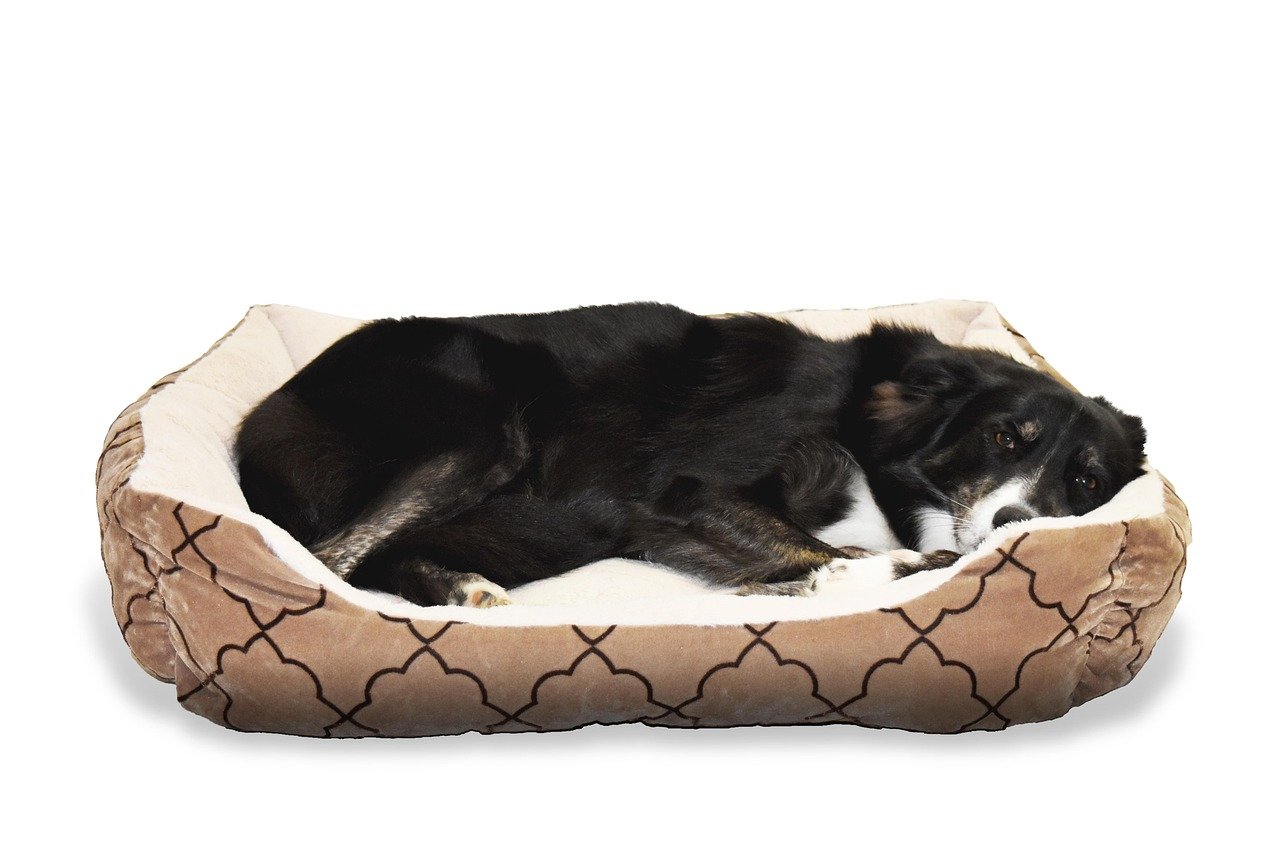
Would you spend $600 on a bed for a dog that happily sleeps on the bathroom floor? Plenty of people do, and the premium pet bedding market keeps growing because of it. But a high price tag doesn’t automatically mean better sleep for your dog. Some luxury beds are genuinely well-built. Others are velvet-covered foam with a fancy name and a markup that would make a mattress salesperson blush.
This guide breaks down what separates a real luxury dog bed from a marketing trick. It covers materials, certifications, sizing, safety, and the practical stuff nobody mentions until the bed arrives and your dog ignores it. If you’re weighing a splurge, it helps to know where the money actually goes.
What Makes a Dog Bed “Luxury” in the First Place?
There’s no official standard here. Nobody certifies a dog bed as luxury, and no regulator defines the term. In practice, the label usually signals a mix of higher-grade materials, better construction, design pedigree, and branding. That last one matters more than most shoppers admit.
Most premium beds sit somewhere between $150 and $500, with bespoke or designer pieces climbing into four figures. Prices shift constantly, so treat any number you see as a snapshot rather than a rule. The useful question isn’t “how much does it cost” but “what does the extra money buy me.” Usually it’s one or more of these:
- Denser, more durable foam that resists flattening over time
- Removable, washable covers in fabrics that survive repeated laundering
- Replacement parts, so the bed outlives a chewed cover or a flattened insert
- Third-party certifications for foam content, emissions, or textile safety
- Custom sizing or monogramming for a specific spot in the house
If a bed costs three times more but offers none of these, you’re paying for a label.
Materials: Where the Money Should Go

Foam and Fill
High-end beds typically use memory foam or orthopedic foam. The difference between budget and premium foam is usually density and how it’s cut. Cheap foam compresses within months and never recovers. Better foam holds its shape and supports joints, which matters most for senior dogs and large breeds.
One practical tip: ask whether the foam carries CertiPUR-US certification, a real third-party program that tests foam for content and emissions. It’s not a guarantee of comfort, but it does tell you the foam meets a published standard rather than being whatever was cheapest that month.
Fabrics and Covers
Velvet, linen blends, and faux fur dominate the luxury segment because they photograph well and feel good. But the fabric that looks best in a product shot isn’t always the one that survives a muddy dog and a hot wash cycle. Look for covers that zip off completely and can go in a machine. A bed you can’t wash becomes a bed you throw away.
The “Orthopedic” Label
Here’s a point that surprises people: orthopedic is a marketing term, not a regulated standard. No widely recognized body certifies a dog bed as orthopedic. The word signals that the bed uses denser support foam, usually aimed at older dogs or big breeds. That’s a reasonable shorthand, but it’s not a medical claim, and it shouldn’t be treated like one.
Certifications Worth Checking Before You Buy
Certifications are one of the few objective signals in a market full of subjective claims. A few real programs are worth knowing about:
| Certification | What It Covers | Why It Matters |
|---|---|---|
| CertiPUR-US | Foam content and emissions | Confirms foam meets a published testing standard |
| OEKO-TEX Standard 100 | Harmful-substance testing in textiles | Relevant for covers your dog licks and chews |
| GOTS | Organic textile production | Backs up “organic cotton” claims |
| GRS | Recycled content | Backs up “recycled fill” claims |
Sustainability claims are a common weak spot. “Recycled fill” and “organic cotton” are largely self-reported unless a certification backs them up. If a brand leans hard on eco language, it’s fair to ask which standard applies and where it’s listed. The same skepticism applies across the broader premium market, which is why it pays to know how to spot genuine sustainability behind eco-luxury claims before you trust a label.
The Safety Gap Nobody Talks About
Pet beds don’t face the same consumer-product safety rules as cribs or mattresses. That’s worth sitting with for a second. If you’re buying for a puppy or a determined chewer, the practical concerns are chew resistance, non-toxic dyes, and washability, not thread count.
Veterinary behaviorists tend to emphasize the same boring factors over luxury claims: correct size, easy cleaning, and a material your dog won’t shred and swallow. A $400 bed with a loose-weave cover and exposed zipper can be more dangerous than a $60 bed with a tough, simple shell. Check for hidden zippers, loose trim, and small decorative pieces that can be chewed off.
Sizing and Fit: The Most Common Expensive Mistake
The single most common mistake in this category is buying for looks instead of fit. A bed that’s too small forces a dog to curl awkwardly. One that’s too large can feel exposed to an anxious dog. The rough rule most people use is that the bed should let your dog stretch out fully and still have a little room to spare. (Dog bed)
Measure your dog nose to tail while stretched out, then add a few inches. For large breeds and seniors, flat and roomy usually beats plush and nest-like. For small dogs that like to burrow, a bolster or cave style often works better. If you’re furnishing a whole space, the same logic that applies to a Lake Como luxury travel guide applies here: match the piece to the setting and the user, not to the brochure.
Customization and Replacement Parts
Monogramming and custom sizing are common differentiators in the premium tier, and they’re genuinely useful if the bed needs to fit a specific nook or crate. More valuable, though, is a replacement program. A bed with a washable cover and a replaceable insert can last years. A bed that’s one sealed unit is disposable the moment the cover gives out.
If you’re spending serious money, ask two questions before checkout: can I buy a replacement cover, and can I buy a replacement insert? If the answer to either is no, you’re buying a disposable product at a luxury price.
What Actually Works in Practice
A few patterns show up again and again among people who’ve owned premium beds for years.
First, dogs don’t care about the label. They care about warmth, smell, and whether the surface feels stable under their paws. A bed that slides on hardwood or smells like a factory gets ignored. Wash the cover once before first use and put an old blanket on top to speed up acceptance. (Pet care resources)
Second, the cover matters more than the foam for most households. Foam lasts years if it stays dry. Covers fail fast under muddy paws, accidents, and frequent washing. Prioritize a durable, removable cover over a fancy fill.
Third, buy for the dog you have, not the dog in the photo. A senior greyhound and a three-month-old terrier need completely different beds. The thoughtful approach to conscious luxury, buying better rather than more, applies directly here: one well-made bed that lasts beats three trendy ones that fall apart.
Finally, don’t overlook placement. Even a great bed goes unused if it’s in a draft, in direct sun, or next to a noisy appliance. Watch where your dog already chooses to nap, then put the bed there.
Luxury Dog Beds vs. Mid-Range Options
It helps to see the trade-offs side by side.
| Factor | Luxury Tier | Mid-Range Tier |
|---|---|---|
| Foam quality | High-density, often certified | Standard foam, may flatten |
| Cover | Removable, washable, premium fabric | Often removable, varies widely |
| Replacement parts | Usually available | Rarely available |
| Certifications | More common, but not guaranteed | Uncommon |
| Lifespan | Several years with care | One to three years typical |
| Price | Roughly $150 to $500+ | Roughly $40 to $150 |
The honest takeaway: the luxury tier wins when you get certified materials, a washable cover, and replacement parts. It loses when you’re paying purely for a name stitched on the side.
How Luxury Dog Beds Fit Into a Wider Home
For people who care about how a home looks and functions, a dog bed is furniture. It sits in a living room, a bedroom, or a car on long trips. That’s why premium beds increasingly borrow from the design language of the rest of the house. The same instinct that drives someone to research the quietest luxury cars that make a cabin silent drives them to want a bed that doesn’t clash with the sofa.
It also explains why so many premium beds get bought alongside travel gear. If you’re planning long drives, it’s worth pairing a good bed with the comfort and range considerations covered in this guide to the best luxury cars for road trips. A calm, familiar bed at the destination can make a big difference for a dog that doesn’t travel well, and the same planning logic applies to a multigenerational luxury trip where every age group needs its own comfort sorted out in advance. (Lake como luxury travel guide villas boats where stay)
Conclusion
Luxury dog beds are worth the money when the price buys something real: certified foam, a cover you can actually wash, replacement parts, and a size that fits your dog. They’re a poor deal when the premium is purely aesthetic. The smart move is to ignore the marketing language, check the certifications, measure your dog properly, and confirm you can replace the parts that wear out. Do that, and a good bed can last years. Skip it, and you’ve bought an expensive cushion your dog will sleep next to.
Frequently Asked Questions
Are luxury dog beds actually better for dogs?
Sometimes, yes. The benefits come from higher-density foam that holds its shape, washable covers that stay hygienic, and better sizing. A dog doesn’t perceive “luxury,” but it does benefit from a bed that supports its joints and stays clean. The label itself means nothing without those fundamentals.
Is “orthopedic” a regulated term for dog beds?
No. Orthopedic is a marketing term, not a regulated standard, and no widely recognized body certifies a dog bed as orthopedic. It generally signals denser support foam aimed at senior dogs or large breeds. Treat it as a description of the foam, not a medical guarantee.
What certifications should I look for on a dog bed?
Look for CertiPUR-US on the foam, which tests content and emissions, and OEKO-TEX Standard 100 on textiles, which tests for harmful substances. For sustainability claims, GOTS backs organic cotton and GRS backs recycled content. If a brand makes an eco claim without naming a standard, ask which one applies.
How much should a good luxury dog bed cost?
Most premium beds fall somewhere between $150 and $500, with bespoke or designer pieces reaching four figures. Prices change often, so treat any figure as a rough guide. The better question is what the price includes: certified materials, a washable cover, and replacement parts justify a premium far more than branding does.
How do I measure my dog for a bed?
Measure your dog from nose to tail while fully stretched out, then add a few inches of clearance. The bed should let your dog lie flat with room to spare. Large breeds and seniors usually do best with flat, roomy designs, while small burrowers often prefer bolster or cave styles.
Can I wash a luxury dog bed?
Only if the cover is removable, which is why you should confirm this before buying. Most premium covers zip off and machine wash, but check the care instructions first. Wash the cover before first use to remove factory smells, and consider a replacement cover so the bed stays in rotation while one is drying.