
Luxury Fragrances: What Sets a $400 Bottle Apart
 Abdul WadoodLast updated
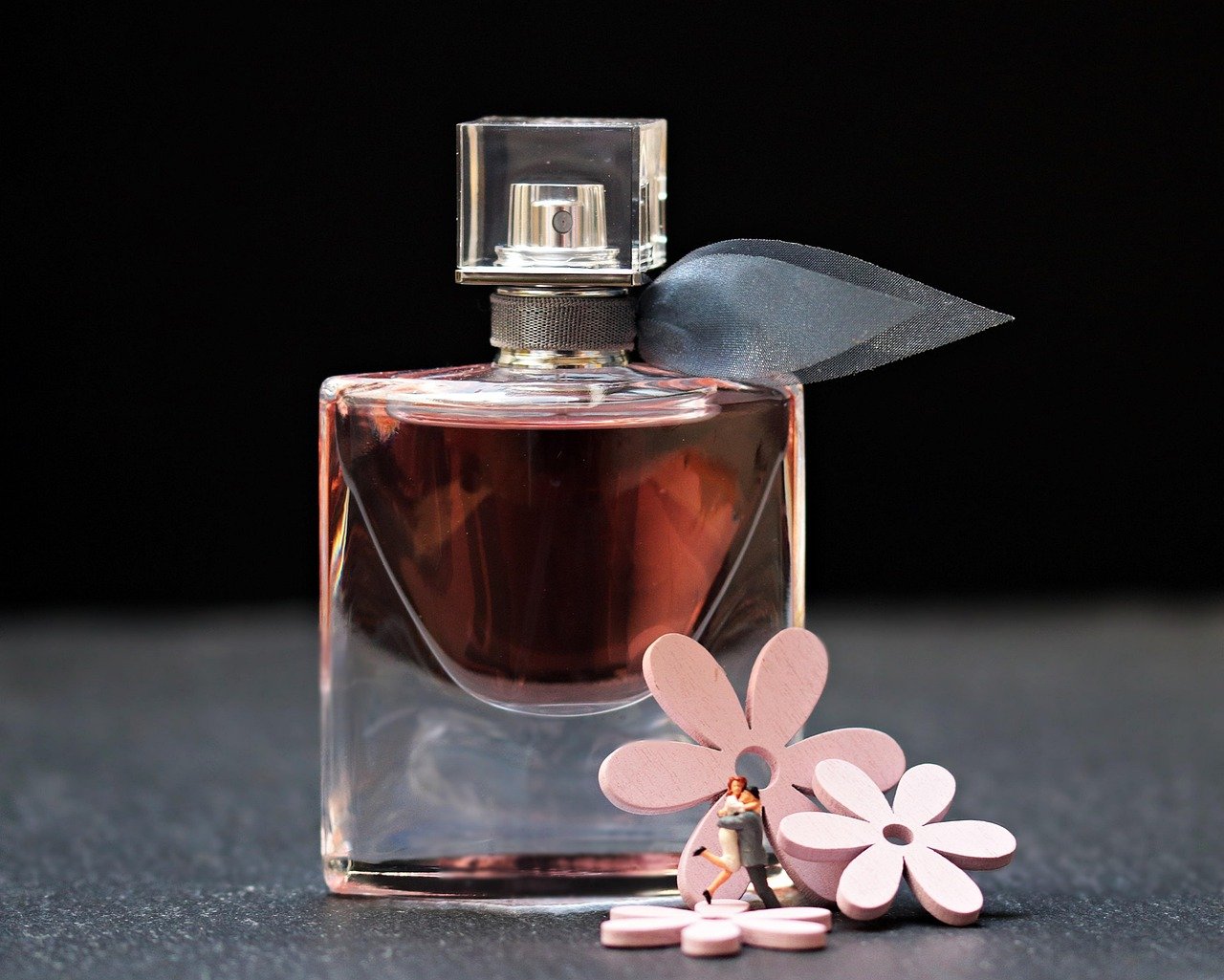
What makes a fragrance “luxury” — the juice inside the bottle, or the story printed on the box? Walk into any department store and you’ll find two perfumes sitting three feet apart, both smelling pleasant, one priced at $45 and the other at $395. The gap isn’t imaginary, but it’s also not the clean story marketing departments like to tell. Some of it is real craft. Some of it is distribution strategy wearing a nice suit. Learning to tell the difference is the single most useful skill a fragrance buyer can develop, and it costs nothing.
The Word “Luxury” Has No Legal Meaning
Here’s the first thing worth knowing: there is no regulatory definition of “luxury” or “niche” fragrance anywhere in the world. These are market categories, not standards. A brand is “prestige” because it sells through selective distribution and prices above the mass tier. A brand is “niche” because it says so, usually while keeping its distribution small and its founder visible in interviews.
That matters because the label tells you about positioning, not quality. Plenty of expensive fragrances use the same aroma chemicals as drugstore colognes, just blended differently and sold with better lighting. Plenty of modestly priced perfumes are genuinely well made. The price tag is a signal, and signals can be faked.
Concentration: The One Label That Means Something
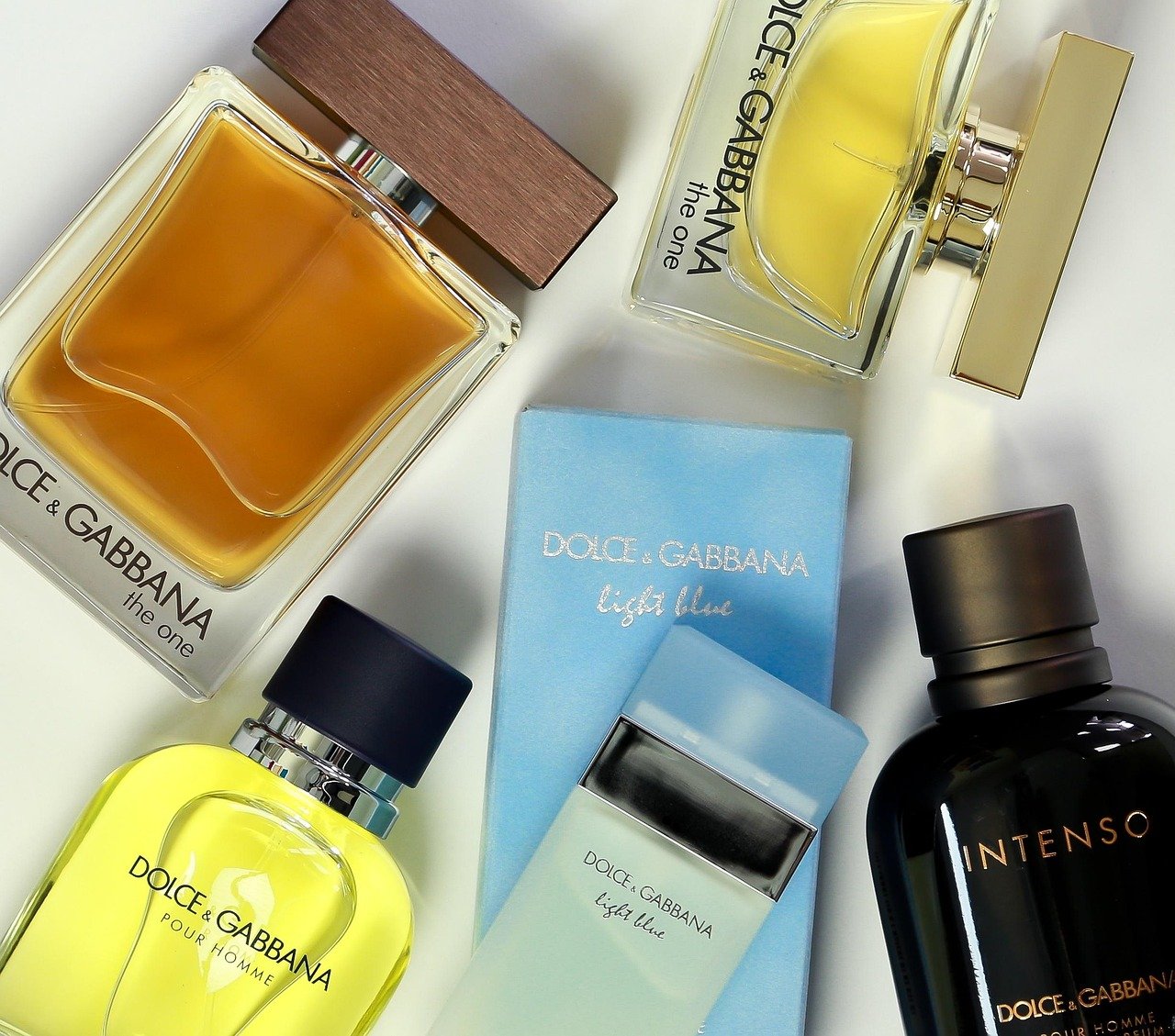
The most reliable piece of information on a fragrance box is the concentration category, even though it’s a convention rather than a fixed rule. Broadly, the categories run like this:
| Label | Typical fragrance oil | What it usually means in practice |
|---|---|---|
| Eau de cologne | Roughly 2–5% | Light, fleeting, often citrus-led |
| Eau de toilette | Roughly 5–15% | Easy everyday wear, 3–5 hours |
| Eau de parfum | Roughly 15–20% | Fuller body, longer wear |
| Parfum or extrait | Roughly 20–30% | Dense, slower, often applied sparingly |
Treat those percentages as a rough map, not a specification. No binding standard fixes these ranges, and houses use the terms loosely — sometimes strategically. A brand may call a thin formula an eau de parfum because the name sounds richer, or label a heavy oriental an eau de toilette to signal freshness. For a broader historical and technical overview of how these categories developed, the Encyclopaedia Britannica entry on perfume is a solid starting point. (Perfume)
The practical takeaway: concentration tells you roughly how the thing will behave on skin. It does not tell you how good it smells. A 20% oil load of cheap materials is still cheap materials.
What You’re Actually Paying For
Break down the cost of a luxury bottle and the liquid is rarely the biggest line item. Typical spending goes toward packaging (heavy glass, magnetic caps, engraved metal), marketing and celebrity licensing, retail staff and counter space, and the brand’s margin. The perfume concentrate itself is usually a modest slice.
That’s not automatically a scam. A house that pays a master perfumer for two years of development, uses a genuinely expensive natural absolute, and bottles it in something beautiful is delivering real value to people who want those things. The problem is when the price is justified entirely by packaging and advertising while the formula is thin.
A useful rule of thumb from people who collect seriously: judge a fragrance on skin after four hours, not on paper after four minutes. Test strips lie because they don’t reproduce body heat, skin chemistry, or the way a fragrance dries down. Spray it on, go live your life, and smell your wrist at lunch.
The Allergen Label Is Your Only Real Ingredient Clue
Fragrance formulas are treated as trade secrets almost everywhere. The label will say “parfum” or “fragrance” as a composite term and stop there. But in the European Union, cosmetics law forces a partial reveal: certain fragrance allergens above set thresholds must be declared individually on the label.
That requirement comes from Regulation (EC) No 1223/2009 on cosmetic products, the EU framework that has governed labelling since 2013, and the allergen list was later expanded by Commission Regulation (EU) 2023/1545. If you have ever wondered why a European box lists limonene, linalool and geraniol in tiny print, this is why. For readers outside the EU, the U.S. FDA’s cosmetics labelling guidance explains how the American approach differs.
For a buyer, that allergen list is genuinely useful. It won’t give you the formula, but it tells you which materials are present in amounts large enough to matter. If you react badly to a fragrance, compare the allergen lists of the suspects and you’ll often find the culprit.
Safety Standards Are Voluntary, Not Law
The International Fragrance Association publishes a Code of Practice and a set of safety standards that restrict or ban specific materials. Most major houses comply. But this is industry self-regulation, not legislation, and the standards are revised periodically. (IFRA Standards)
That’s worth understanding for two reasons. First, it means “IFRA compliant” is a substantive claim about material safety, not a marketing badge. Second, it means reformulations happen. When a material gets restricted, the fragrance changes. This is the real reason your favourite scent from 2015 smells different now — not a conspiracy, just a formula update.
Niche, Artisanal, Clean: Three Words With No Certification
The industry’s favourite adjectives are almost entirely unregulated.
Niche usually means limited distribution and a smaller or founder-led house. Artisanal suggests small-batch production. Clean fragrance implies the absence of certain materials, but there’s no harmonised legal definition of “clean,” “natural” or “sustainable” in fragrance. Green-claims rules in the EU are tightening around unsubstantiated environmental marketing, which is pushing brands to be more careful with their language, but the vocabulary remains slippery.
If sustainability genuinely matters to you, look for specifics rather than adjectives: named suppliers, disclosed percentages, refill systems with real infrastructure behind them. That same discipline applies across the wider category — the practical guide to conscious luxury and buying better rather than more is a useful companion read, and the same logic about spotting genuine claims versus decoration applies to eco-luxury lodges and how to tell real sustainability from theatre.
Counterfeits: A Real Risk, Not a Myth
Luxury fragrance is a frequent target for counterfeiters because the packaging is easy to copy and the margins are enormous. The OECD and EUIPO have documented the scale of counterfeit trade generally in Trade in Counterfeit and Pirated Goods, and the patterns described there — online marketplaces, diverted supply, near-perfect packaging — apply directly to perfume.
In practice, the tells are consistent. A price that’s dramatically below retail. A seller with no traceable supply chain. Batch codes that don’t match between box and bottle. Wrapping that feels slightly off. Cellophane that’s too loose. A nozzle that sprays a jet instead of a mist. None of these is proof on its own, but two or three together is a reason to walk away.
The safest route remains buying from authorised retailers or the brand directly. Discount sites can be legitimate, but the burden of proof is on them.
Building a Collection Without Wasting Money
Most people overbuy early and regret it. A few habits fix that.
- Sample before you commit. Order discovery sets or ask for samples at the counter. A 2ml vial gives you three or four full wears, which is enough to know.
- Test on skin, in your real life. Not in a mall. Wear it to work, to dinner, on a warm day. Fragrance behaves differently in heat and humidity.
- Track what you actually reach for. Keep five or six bottles visible and store the rest. After three months, you’ll know which ones earn their shelf space.
- Buy for the season you’re in. A heavy oud in July will sit untouched. A citrus cologne in January will feel thin.
- Store it properly. Away from light, heat and bathroom humidity. A boxed bottle in a cool cupboard will outlast one displayed on a sunny shelf by years.
If fragrance sits alongside other luxury purchases in your life, the same principle of buying fewer, better things applies — whether that’s a carefully chosen home fragrance wardrobe or a car whose cabin is genuinely quiet rather than just marketed as such.
The Reformulation Problem
Every serious collector eventually learns that a beloved fragrance can change. Materials get restricted, suppliers change, costs shift, and the house quietly updates the formula. Sometimes the change is invisible. Sometimes it’s devastating.
There’s no legal obligation to announce a reformulation, so the community relies on batch codes and side-by-side comparison. If you find something you love, buying a backup bottle is a reasonable hedge — but hoarding is a trap. Tastes change, and a decade-old bottle stored badly may not survive to be enjoyed.
The healthier approach is to accept that fragrance is a living product. Fall in love with several things rather than one, and you’ll never be stranded.
Does Price Predict Quality?
Partly, and less than you’d hope. Price reliably predicts packaging quality, retail experience and brand prestige. It correlates with ingredient cost, but loosely, and the correlation breaks down at both ends of the market.
The most reliable quality signals are unglamorous: how the fragrance develops over hours, whether it stays coherent from opening to drydown, whether it feels distinct from everything else on the counter, and whether you personally want to smell like it tomorrow. None of those requires a receipt.
Conclusion
Luxury fragrance is a strange, wonderful corner of the market where real craft and pure theatre sit side by side, often in the same bottle. The useful move is not cynicism but literacy: know that “luxury” and “niche” are marketing categories with no legal weight, that concentration labels are conventions rather than standards, that the allergen list is the closest thing to an ingredient disclosure you’ll get, and that safety compliance is voluntary industry practice rather than law. Armed with that, the price tag becomes information rather than instruction. Sample widely, test on skin, buy what you actually wear, and let the marketing department talk to someone else.
Frequently Asked Questions
What is the difference between eau de toilette and eau de parfum?
Eau de toilette typically contains roughly 5–15% fragrance oil, while eau de parfum sits around 15–20%. In practice, eau de toilette is lighter and shorter-lived, usually three to five hours, while eau de parfum has more body and staying power. These ranges are conventions, not a fixed standard, so brands use the terms with some flexibility.
Is niche fragrance better than designer fragrance?
Not automatically. Niche usually signals limited distribution and a smaller house, not superior ingredients. Some niche houses take real creative risks and use expensive materials; others simply charge more for unusual packaging. The only reliable test is wearing it on skin for several hours and comparing how it develops.
Why does my favourite perfume smell different than it used to?
Reformulation is the usual answer. When a fragrance material is restricted under industry safety standards, brands must adjust the formula, and they aren’t obliged to announce it. Storage also plays a part — light, heat and bathroom humidity degrade fragrance over time, so an older bottle may simply have aged.
Are luxury fragrances safe for sensitive skin?
Most are, but fragrance is a common cause of contact reactions. The EU allergen labelling rules mean many boxes list specific materials such as limonene and linalool, which is genuinely useful if you’re trying to identify a trigger. Patch-test new fragrances on a small area first, and stop using anything that causes irritation.
How can I tell if a fragrance is counterfeit?
Warning signs include a price far below normal retail, an untraceable seller, mismatched batch codes between box and bottle, sloppy wrapping, and a nozzle that sprays a harsh jet rather than a fine mist. None proves a fake alone, but several together should make you walk away. Buy from authorised retailers when you can.
How should I store luxury fragrances to make them last?
Keep bottles away from direct sunlight, heat sources and the humid conditions of a bathroom. The original box helps by blocking light. A cool, dark cupboard keeps a fragrance in good condition for years, while a sunny windowsill can degrade it within months.