
Luxury Shampoo: What You Really Pay For in 2026
 Abdul WadoodLast updated
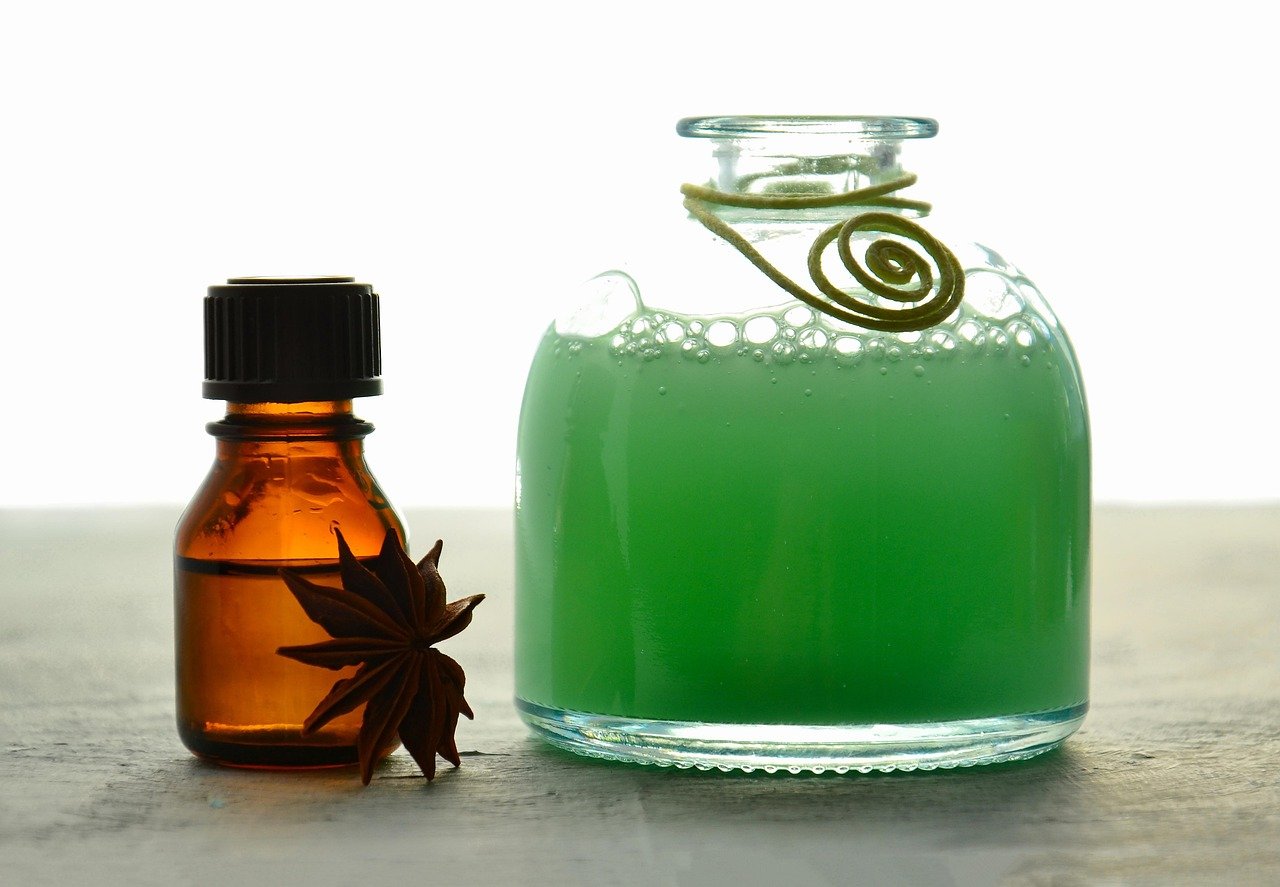
Does a $70 bottle of shampoo clean your hair any better than a $7 one? That question runs through the luxury hair care aisle, where glass bottles, French-sounding ingredient lists, and salon-only labels promise something ordinary shampoo supposedly cannot deliver. The honest answer is more interesting than either the marketing or the skepticism. Some of what you pay for is real chemistry. Some of it is packaging, scent, and the quiet pleasure of a nice object in your shower. Learning to tell the two apart is the whole game. (Shampoo)
What “Luxury Shampoo” Actually Means
There is no official definition. No regulator certifies a shampoo as luxury, and no industry body sets a threshold for the label. In practice, the term describes a tier defined by price, distribution, and storytelling. Luxury shampoos typically sell through salons, department stores, or selective retailers rather than drugstores. They lean on perfumery-grade fragrance, elegant packaging, and named active ingredients. They often carry a story about a founder, a laboratory, or a region of origin.
That lack of definition matters because it means the word carries no guaranteed standard. A prestige shampoo is not required to clean better, last longer, or contain more expensive raw materials than a mass-market one. It is required only to be positioned and priced as premium. Understanding that frees you to judge each bottle on its own merits rather than on the label’s confidence.
The Real Cost Drivers Behind a Premium Bottle
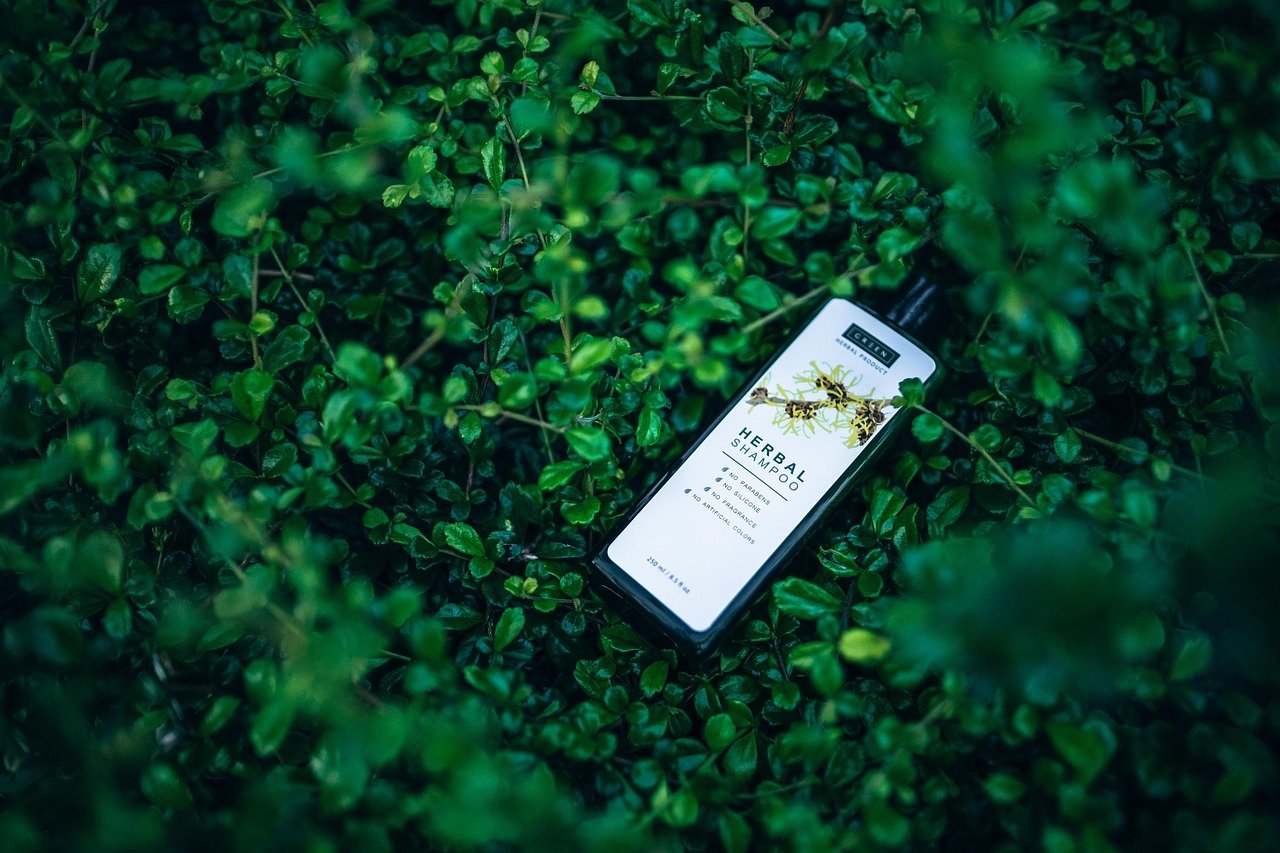
Where does the money go? A useful way to think about it is to separate what touches your hair from what touches your senses.
| Cost element | What it does for you | Typical share of price |
|---|---|---|
| Surfactant system | Cleanses; determines lather and mildness | Moderate |
| Conditioning agents | Smoothness, detangling, reduced frizz | Moderate |
| Fragrance | The sensory signature; often the priciest raw material | High in prestige lines |
| Packaging | Glass, pumps, heavy closures, unboxing | High |
| Distribution and marketing | Salon education, advertising, retail margins | Very high |
The pattern is consistent: the further a product moves upmarket, the larger the share of its price that goes to things you smell, see, and handle rather than things that wash your scalp. That is not automatically a bad deal. A fragrance that makes a daily routine feel good has value. But it does mean a luxury shampoo can be genuinely lovely and still be outperformed on basic cleansing by something a fraction of the cost.
Sulfates, Sulfate-Free, and the Claims That Sell Bottles
The sulfate-free claim became the defining marketing story of premium shampoo, and it deserves a careful look. Sulfates such as sodium lauryl sulfate and sodium laureth sulfate are effective cleansers and foaming agents. They differ from each other in how harsh they tend to be, and formulators blend them with milder surfactants to soften the effect. The idea that all sulfates are damaging is a simplification. In rinse-off products used at typical concentrations and rinsed away quickly, dermatological thinking does not treat them as broadly harmful for most people.
What is true is that some scalps and hair types respond better to milder surfactant systems, and sulfate-free formulas can suit color-treated or very dry hair. The practical lesson is to read the ingredient list rather than the front label. A sulfate-free shampoo built on gentle surfactants can be excellent. A sulfate-free shampoo built on harsh alternatives can be worse than a well-formulated conventional one. The claim tells you what is absent, not what is good.
Ingredients Worth Paying For, and Ones That Just Sound Expensive
Some ingredients earn their place in a luxury formula. Humectants such as glycerin draw moisture into the hair shaft. Hydrolyzed proteins temporarily fill gaps in damaged cuticles, which is why they appear in products for bleached or heat-styled hair. Silicones and their alternatives smooth the surface and reduce friction, cutting down on breakage during combing. UV filters help protect color from fading. These are workhorse ingredients with real, if modest, effects.
Others are mostly poetry. A trace of rare oil, a fermented botanical, or a diamond-dust extract may appear in the ingredient list at a concentration too low to do much beyond justify a paragraph on the box. This is not fraud; it is storytelling within the rules. The trick is to look at where an ingredient sits in the list. Ingredients are ordered by concentration, so anything appearing after the fragrance or preservatives is present in small amounts. If the hero ingredient is near the bottom, the hero is the story, not the formula.
How to Judge a Luxury Shampoo Before You Buy
Practical shoppers develop a short routine. It takes about two minutes in the aisle or on a product page.
- Read the first five ingredients. These define the cleansing and conditioning base. If they look like a standard drugstore formula, the premium is coming from elsewhere.
- Check where the star ingredient sits. Near the top means it matters. After the preservatives means it is decoration.
- Match the formula to your hair, not the marketing. Fine hair usually wants lightweight conditioning; coarse or curly hair can carry richer oils; a sensitive scalp benefits from fragrance restraint.
- Ask about the fragrance load. Strong scent is often the biggest single cost in a prestige formula. If you love it, that is a legitimate reason to buy. If you are sensitive to fragrance, you are paying for your least favorite part.
- Look for a return policy or a travel size. The only reliable test is how your hair behaves over two weeks, not how the bottle looks on a shelf.
The most common mistake is buying a luxury shampoo for a problem it was never designed to solve. Someone with an oily scalp who buys a rich, reparative prestige formula may find their hair flatter and greasier, then conclude that expensive shampoo does not work. It worked exactly as formulated. It was simply the wrong formula. The second most common mistake is assuming price signals concentration. It signals positioning.
When Luxury Shampoo Is Worth It
There are honest reasons to spend more. If you color your hair, a formula with color-protecting technology and gentle cleansing can extend the life of an expensive salon service, which is a real return on the purchase. If you have a sensitive scalp, a fragrance-light, well-tolerated formula is worth paying for because discomfort is a cost too. If your hair is highly porous or damaged, protein and conditioning systems that actually sit high in the ingredient list can make a visible difference in texture and breakage.
Then there is the sensory case, which the industry rarely admits and buyers rarely regret. A beautiful bottle, a scent you look forward to, and a lather that feels indulgent turn a chore into a small ritual. That is a legitimate luxury, and it belongs in the same conversation as any other considered purchase. The key is to be honest about which benefit you are buying. If you are buying pleasure, buy pleasure deliberately. If you are buying performance, hold the bottle to a performance standard.
This is the same discipline that separates real quality from marketing across the wider world of premium goods. The logic behind conscious luxury and buying better rather than more applies directly to your shower shelf: fewer, better-chosen products that genuinely suit you beat a cabinet full of aspirational bottles. It also explains why the quiet luxury versus old money aesthetic debate resonates here, because unbranded, understated packaging is itself a signal, and sometimes a costly one. (Lake como luxury travel guide villas boats where stay)
Building a Routine That Justifies the Spend
A premium shampoo delivers more when the rest of the routine supports it. Use less than you think; a coin-sized amount is usually enough for shoulder-length hair, and over-application wastes product and can leave residue. Focus the lather on the scalp, where oil accumulates, and let it rinse through the lengths. Follow with a conditioner matched to your hair type, because a luxury shampoo without a complementary conditioner leaves much of the potential smoothness on the table. Rinse with cooler water to help seal the cuticle.
Storage matters more than most people realize. Bathrooms are humid, and heat and moisture degrade fragrance and some actives over time. Keep the bottle out of direct shower spray and away from a hot windowsill. If you invest in a large format, decanting a smaller amount into a pump bottle keeps the main supply fresher. These small habits stretch an expensive product and make the cost per wash easier to justify.
Conclusion
Luxury shampoo is neither a miracle nor a con. It is a category defined by price and presentation rather than by any regulated standard, and the best bottles earn their place through thoughtful formulation, pleasant scent, and packaging that makes a daily routine feel considered. The worst ones charge a premium for a story and a label. The difference is visible to anyone willing to read the first five ingredients, check where the hero ingredient sits, and match the formula to their actual hair. Buy the bottle that solves your problem or gives you genuine pleasure. Skip the one that only looks like it will.
Frequently Asked Questions
Is luxury shampoo better for your hair than drugstore shampoo?
Not automatically. Some premium formulas use gentler surfactants, higher-quality conditioning systems, and better fragrance, which can matter for color-treated, damaged, or sensitive hair. Others share a base similar to mass-market products and charge more for packaging and marketing. The formula and its fit for your hair type matter far more than the price tag.
Does sulfate-free mean a shampoo is gentler?
Not necessarily. Sulfate-free describes what is absent, not what is present. Some sulfate-free formulas use mild alternatives that suit sensitive scalps well. Others substitute surfactants that can be just as stripping. Check the full ingredient list and how your scalp responds over a couple of weeks rather than trusting the front label alone.
How much shampoo should I actually use per wash?
Less than most people do. A coin-sized amount is typically enough for shoulder-length hair, applied to the wet scalp and worked through the roots before rinsing through the lengths. Over-application wastes an expensive product and can leave residue that weighs hair down. If you need two rounds to feel clean, you likely have heavy product buildup rather than a shampoo problem.
Why is luxury shampoo often so strongly scented?
Fragrance is frequently the most expensive raw material in a prestige formula and a major part of what brands sell. A distinctive scent is a sensory signature that justifies a higher price and makes the product memorable. If you enjoy it, that is a real benefit. If you have a sensitive scalp or prefer unscented products, you may be paying for the part you like least. (21 CFR Part 701: Cosmetic Labeling)
Can an expensive shampoo repair damaged hair?
No shampoo repairs hair permanently, because hair is not living tissue. What good formulas can do is temporarily smooth the cuticle, add moisture, and reduce friction and breakage, which makes damaged hair look and feel better while you grow it out. Protein and conditioning ingredients help, but they coat and fill rather than rebuild. Trims and gentler styling do the rest.
How can I tell if a luxury shampoo is worth the price?
Read the first five ingredients to understand the cleansing and conditioning base, then find where the advertised hero ingredient sits in the list. Near the top means it is present in a meaningful amount; after the preservatives means it is mostly decoration. Finally, test with a travel size or use a return policy. Two weeks of use tells you more than any label.