
Best Family Cruises 2026: Pick the Right Ship for Your Kids
 Abdul WadoodLast updated

What if the hardest part of your family vacation was simply deciding where to eat dinner? That is the quiet magic of a cruise. You unpack once, the kids find a club full of strangers who become friends by Tuesday, and nobody has to drive anywhere. But here is the catch: not every ship is built for families, and the “best” family cruise depends entirely on your children’s ages, your budget, and how much togetherness you actually want. (Best Family Vacations in the US: Kid-Tested Ideas) (Cruise ship)
This guide walks through the real differences between family cruise options, the mistakes that trip up first-timers, and the practical details that separate a smooth week at sea from a stressful one.
Why Family Cruises Work So Well
A cruise solves a problem that land vacations struggle with: logistics. On a typical family trip, someone plans meals, someone drives, and someone hunts for activities that keep a seven-year-old and a fourteen-year-old equally happy. On a ship, all of that sits within walking distance.
The industry has noticed. Cruise lines have invested heavily in family programming over the past two decades, from supervised kids’ clubs to splash zones and teen-only lounges. The result is a category of travel where the ship itself is the destination, and the ports become a bonus rather than the main event.
That said, “family-friendly” is a broad label. A luxury line with a kids’ club for twelve passengers is a different product from a mega-ship with a water park and a carousel. Matching the ship to your family’s temperament matters more than matching it to a brochure.
The Main Family Cruise Styles Compared
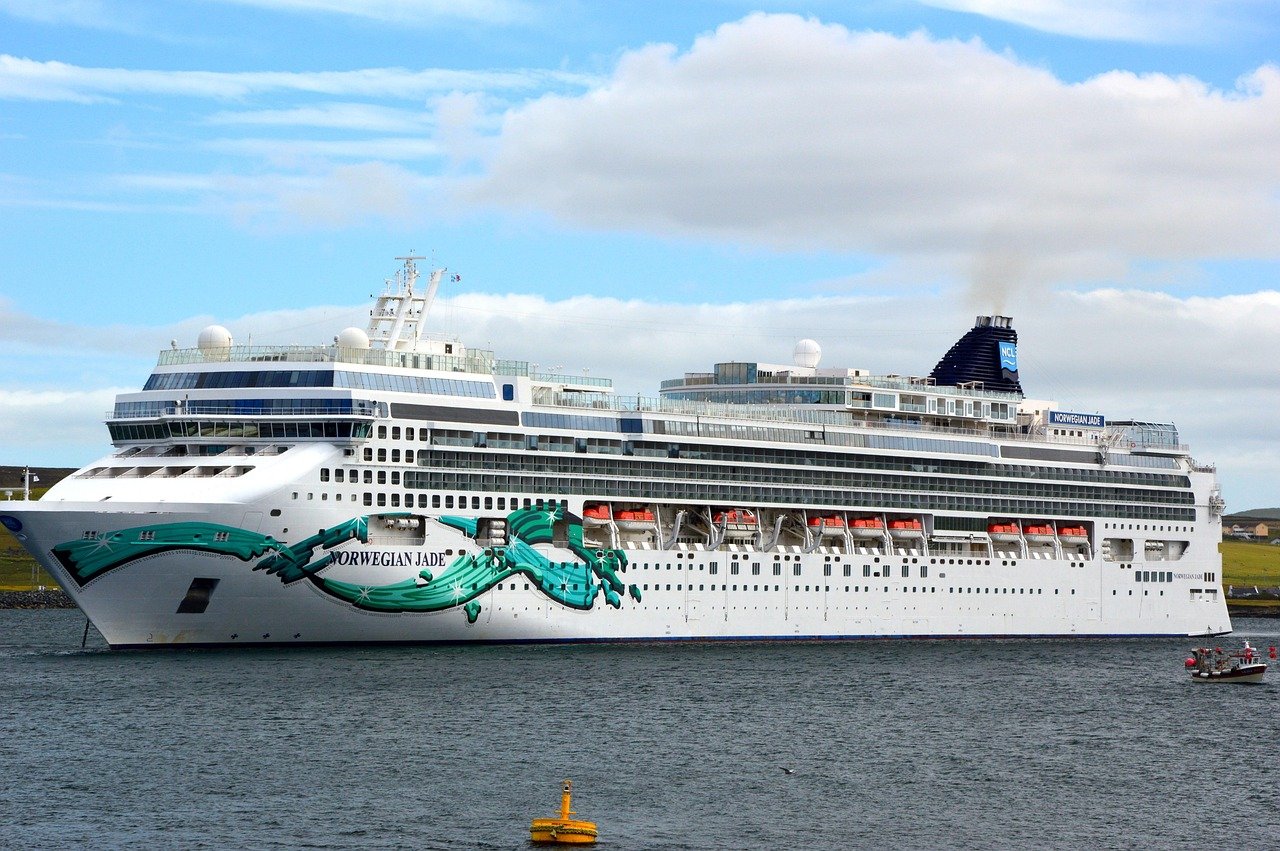
Most family cruises fall into a few recognizable buckets. Understanding them saves hours of browsing.
| Cruise style | Best for | Typical strengths | Watch-outs |
|---|---|---|---|
| Big-ship family lines | Families with kids of mixed ages | Water parks, kids’ clubs, abundant dining | Crowds, upcharges, busy ports |
| Theme-park-style ships | Families who want nonstop activity | Themed areas, entertainment, family cabins | Can feel overwhelming on sea days |
| Premium family lines | Families with older kids or teens | Better food, calmer atmosphere | Fewer bells and whistles for little ones |
| Small-ship and expedition | Active families, nature-focused trips | Wildlife, kayaking, educational guides | Limited childcare, minimum ages |
| Adult-focused lines | Parents traveling without kids | Quiet, refined, no crowds | Not suitable for children |
The big-ship category dominates for good reason. Ships in this class tend to carry the widest range of ages comfortably, because there is always something happening somewhere. Smaller and premium ships reward families whose children are past the “I need a slide” stage and can handle a slower pace. (Best Cruises for Adults 2026: Top Child-Free Ships)
If your crew is leaning toward a child-free trip instead, it helps to know that the market for adults-only sailings has grown considerably, and the trade-offs are genuinely different.
Matching the Ship to Your Kids’ Ages
This is where most planning goes wrong. Parents book based on photos of waterslides, then discover their toddler cannot use them, or their teenager is bored by a ship designed for preschoolers.
Traveling with babies and toddlers
Look for ships with nursery care, splash areas for non-toilet-trained children, and staterooms that fit a crib without blocking the bathroom door. Age policies vary widely: some kids’ clubs require children to be fully toilet-trained, and drop-off programs often start at age two or three. Confirm the exact policy before you book, because it is the single most common source of first-day disappointment.
Traveling with school-age kids
This is the sweet spot for big-ship cruising. Kids’ clubs, scavenger hunts, sports courts, and pizza available at odd hours all land well with the six-to-twelve crowd. Look for ships with clearly divided age groups rather than one broad club, since a six-year-old and an eleven-year-old rarely want the same activity.
Traveling with teenagers
Teens need their own space and a reason to leave the cabin. Teen lounges, late-night movies, climbing walls, and independent shore time (with rules) matter more than character breakfasts. Ships with dedicated teen zones tend to score better with this age group than ships that lump teens in with younger kids.
Multigenerational groups
Grandparents, parents, and children traveling together need a ship with variety and quiet corners. Family suite clusters and connecting cabins help, but so does a ship with both a lively main pool and an adults-only retreat. For broader destination ideas that work across generations, it is worth comparing notes on where families actually have fun rather than where the marketing says they will.
What Actually Matters on Board
Strip away the marketing and a handful of features determine whether a family cruise feels easy or exhausting.
Kids’ club quality and hours. A club that closes for two hours at lunch and again at dinner is less useful than one with flexible drop-in windows. Check the hours rather than only whether a club exists.
Cabin configuration. Four people in a standard cabin with one bathroom is doable for a short cruise and miserable for a long one. Connecting cabins, family staterooms, and suites with split bathrooms are worth the extra cost for longer sailings.
Dining flexibility. Fixed early seating works beautifully for young children. Late seating does not. Buffets and casual venues give families an escape hatch when a formal dinner runs past bedtime.
Pool and splash areas. Depth matters. So does whether the splash zone allows swim diapers, since many main pools do not.
Motion sickness planning. Lower decks and midship cabins are commonly recommended for sensitive stomachs, and sea-day schedules on open-ocean crossings are rougher than calm-water itineraries. This is general travel advice rather than a rule, but it holds up in practice.
The Mistakes First-Time Cruising Families Make
A few patterns show up again and again among families new to cruising.
Booking the cheapest cabin on the biggest ship. The cabin is where you sleep and change clothes. On a port-heavy itinerary, an inside cabin is fine. On a week with three sea days and a toddler who needs a nap, a window or balcony changes the entire experience.
Overpacking for formal nights. Most family-focused lines have relaxed their dress codes. Check the current policy rather than assuming.
Skipping the first-day orientation. Kids’ club registration, muster drill, and specialty dining reservations all happen in the first few hours. Families who wander aimlessly on day one spend the rest of the week catching up.
Assuming shore excursions suit everyone. A four-hour bus tour is a gamble with young children. Beach breaks, short walking tours, and independent exploring often work better.
Ignoring total cost. Base fares are only part of the picture. Gratuities, drinks, specialty dining, excursions, and onboard activities add up quickly. Budget for the extras before you compare prices.
Health, Safety, and Accessibility Basics
Cruise ships calling at U.S. ports are subject to inspection through the CDC’s Vessel Sanitation Program, which has operated since 1975 and publishes inspection scores. Checking a ship’s recent record takes two minutes and tells you something about how seriously the line treats food handling and water systems.
Accessibility varies dramatically by ship. Older vessels may have limited accessible cabins and tight corridors, while newer builds generally offer more. Families traveling with a wheelchair or mobility device should confirm specifics directly with the line rather than relying on general statements, since accessible cabin inventory is limited and books early.
For families with children who have sensory sensitivities or dietary restrictions, contact the line in advance. Most major lines accommodate food allergies with notice, and quiet spaces are usually available even on busy ships.
Budgeting Realistically
Family cruise pricing is deceptive because the headline fare excludes so much. A useful approach is to build a per-day number that includes everything.
| Cost category | Typical considerations |
|---|---|
| Base fare | Varies by season, cabin type, and how early you book |
| Gratuities | Usually charged per person, per day |
| Drinks | Soda and specialty coffee often cost extra |
| Specialty dining | Priced per person or per meal |
| Shore excursions | Priced per person, and children’s rates vary |
| Onboard activities | Some are included, some are not |
Shoulder-season sailings, repositioning cruises, and booking well in advance generally offer the best value. Promotions like reduced child fares appear regularly but are time-limited and market-specific, so treat any offer as temporary and verify the current terms.
Ocean, River, or Something Else?
Ocean cruises dominate family travel, but they are not the only option. River cruises offer calmer water, smaller ships, and port-intensive itineraries that suit families with older children who enjoy cities and culture. The trade-off is fewer onboard activities and stricter age minimums on some lines. Families weighing this option can compare route styles and ship sizes before committing, since the right river itinerary depends heavily on which cities you actually want to see.
For families who want wildlife, beaches, and outdoor adventure rather than shipboard entertainment, land-based alternatives sometimes win. A destination built around surfing, animals, and short travel distances can be easier with very young children than a week at sea.
Conclusion
The best family cruise is not the biggest ship or the one with the most slides. It is the one that matches your children’s ages, your budget, and your tolerance for crowds and structure. Big-ship lines deliver variety and value for mixed-age groups. Premium and small-ship options reward families with older kids who want calmer days and better food. River and expedition sailings suit families who treat the destination as the point.
Start with your children’s ages and bedtimes, then work outward to cabin type, kids’ club policies, and itinerary. Confirm the details that matter most, especially age minimums and accessibility, directly with the line before booking. Do that, and the hardest decision of the week really will be where to eat dinner.
Frequently Asked Questions
What is the best age for a child’s first cruise?
Most families find ages four to twelve the easiest window, because kids can join supervised clubs, use the pools, and handle a full day without a nap schedule collapsing. Babies and toddlers can cruise comfortably on ships with nursery care, but the experience is more parent-dependent. Teenagers do well on larger ships with dedicated teen spaces.
Are family cruises good value compared with a resort?
Often yes, especially when you count meals, entertainment, and travel between destinations in one price. The caveat is extras: gratuities, drinks, excursions, and specialty dining can add substantially. Families who stick to included venues and book early usually come out ahead, while those who upgrade heavily may find a resort comparable.
Do kids’ clubs cost extra?
On most mainstream family lines, supervised kids’ clubs are included in the fare during standard hours. Late-night group babysitting, nursery care for infants, and some special activities typically carry an additional charge. Age minimums and toilet-training requirements vary by line, so confirm the policy for your child’s age before booking.
How do families handle seasickness on a cruise?
Choose a lower, midship cabin, pick itineraries with calmer waters, and plan for the first sea day to be gentle. Over-the-counter remedies are widely available onboard. Families with a child prone to motion sickness should talk to a pediatrician before sailing and avoid back-to-back open-ocean days where possible.
Is a cruise suitable for a child with food allergies?
Most major lines accommodate allergies with advance notice, and many have dedicated processes for ordering and preparing allergen-free meals. Register the allergy before sailing and speak with the dining team on day one. Buffets require more caution than sit-down restaurants because of shared serving utensils.
What is the biggest mistake families make when booking a cruise?
Booking on price alone without checking cabin configuration, kids’ club age rules, and how many sea days the itinerary includes. A cheap fare on a ship that does not fit your children’s ages usually costs more in frustration than a slightly pricier cabin on the right ship.