
Best Hotels in Tokyo 2026: Where to Stay by Neighborhood
 Abdul WadoodLast updated
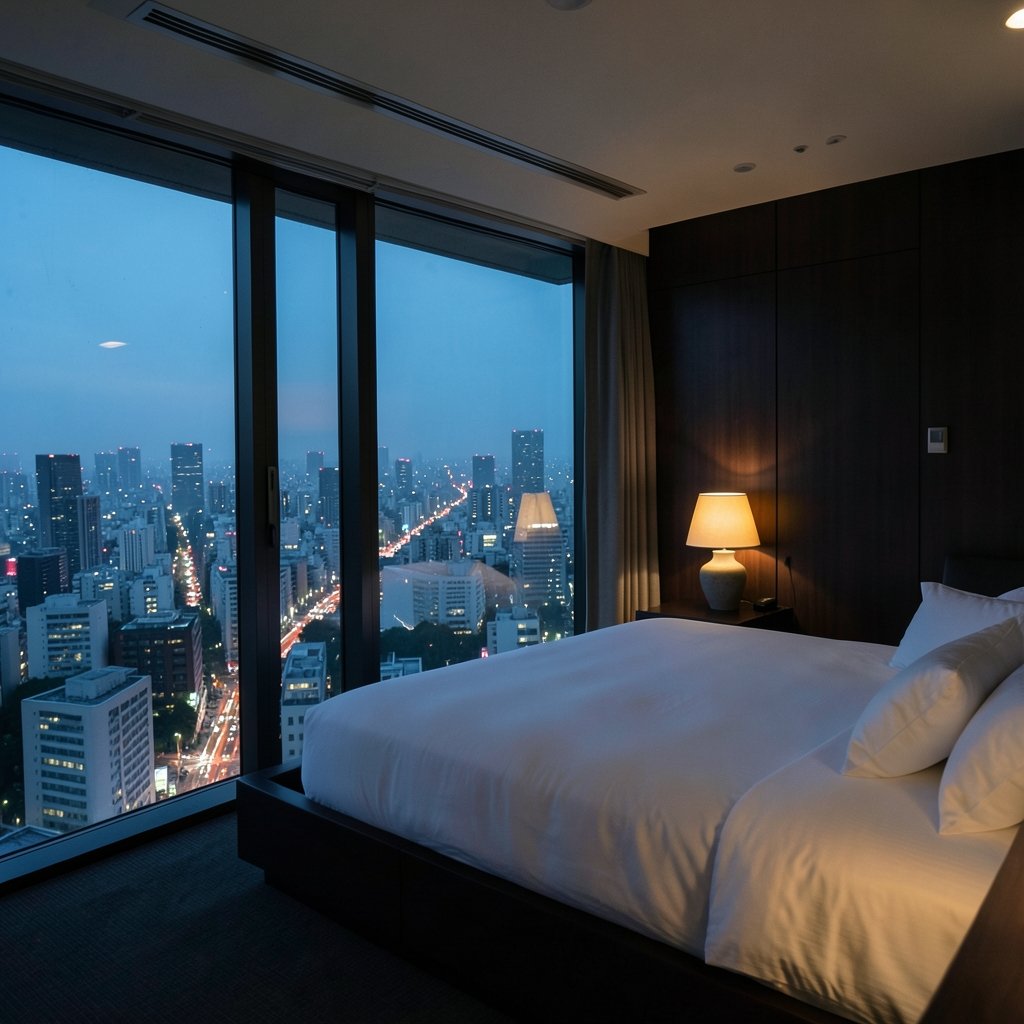
What if the single most important decision about your Tokyo trip isn’t which hotel has the most stars, but which neighborhood you wake up in? Travelers spend hours comparing thread counts and lobby photos, then book a room an hour from the sights they actually came to see. Tokyo rewards a different approach. The city is vast, its rail network is the bloodstream of daily life, and a hotel that feels perfect in one district can feel wrong in another. This guide sorts the city’s top stays by what they actually give you: location, character, and the kind of morning you want to have.
Start With the Neighborhood, Not the Star Rating
Tokyo’s luxury hotels cluster in a handful of districts, and each one delivers a different trip.
Marunouchi and Otemachi sit beside Tokyo Station, which puts the Shinkansen, the airport trains, and the business heart of the city within a short walk. This is the choice for travelers who want efficiency and grand, polished service.
Nihonbashi is the old merchant quarter. It is quieter, full of heritage shops and excellent food, and it feels like a working neighborhood rather than a tourist stage.
Shinjuku is a transport hub and a nightlife engine. You can step out of your room at midnight and find a city still wide awake. It is also home to one of the world’s most famous hotel views.
Roppongi mixes nightlife with serious museums, while Ginza is shopping and dining at its most concentrated. If you want a calmer, design-led stay with a different rhythm, it helps to see how other cities solve the same problem. Guides to hotels that feel like a destination in their own right show how a property can anchor a whole trip rather than just provide a bed.
Here is a quick comparison to make the trade-offs concrete.
| District | Best for | Trade-off |
|---|---|---|
| Marunouchi/Otemachi | Station access, business, first-timers | Quiet at night, less street life |
| Nihonbashi | Heritage, food, calm | Fewer big-name sights nearby |
| Shinjuku | Nightlife, transport, skyline views | Busy and loud at street level |
| Roppongi | Museums, dining, late nights | Can feel hectic |
| Ginza | Shopping, fine dining, polish | Expensive, formal atmosphere |
The Grand Dames of Tokyo Luxury
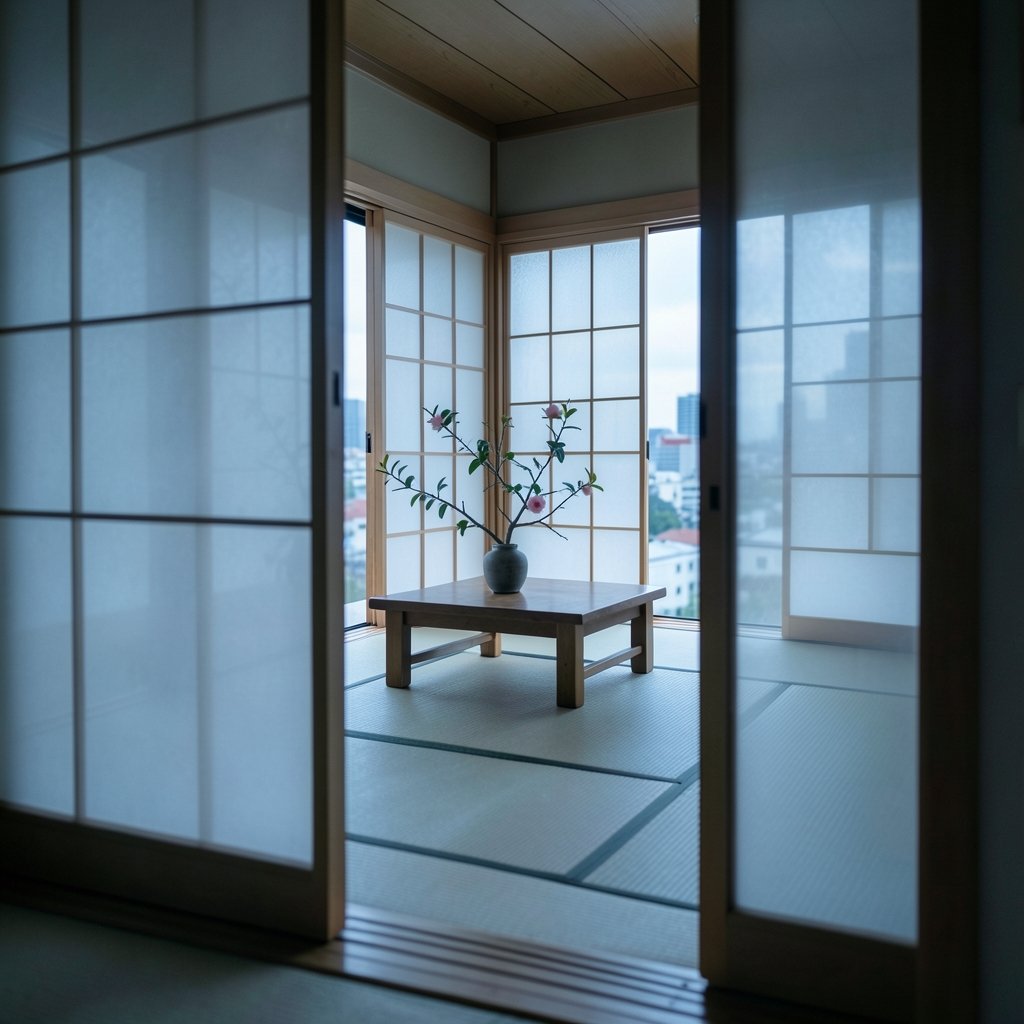
Aman Tokyo opened in December 2014 and occupies the top floors of the Otemachi Tower. It is often described as the first “urban Aman,” a framing the brand itself promotes, and the result is a serene, wood-and-paper interior floating above the business district. The Peninsula Tokyo opened in Hibiya in September 2007, facing the Imperial Palace gardens, and pairs classic service with one of the best locations in the city for walking. Mandarin Oriental Tokyo, which opened in Nihonbashi in December 2005, sits high in the Mitsui Tower and leans into the neighborhood’s craft heritage.
These are the properties that appear again and again on awards lists. Forbes Travel Guide’s annual star awards have given Five Stars to several Tokyo hotels, including Aman Tokyo, The Peninsula Tokyo, The Ritz-Carlton Tokyo, Mandarin Oriental Tokyo, and Four Seasons Hotel Tokyo at Otemachi in recent cycles. Star lists change every year, so check the current edition before you book. The Michelin Guide, famous for restaurants, also rates hotels through its Michelin Key system, launched in 2024, using anonymous inspections. Tokyo hotels were among the first recipients. The two systems measure different things, and neither is directly comparable to the other.
Where the Views and the Stories Live
Park Hyatt Tokyo opened in Shinjuku in 1994 and became globally famous after Lost in Translation in 2003. The New York Bar and the pool with its skyline windows are pilgrimage sites for film fans. The hotel closed for renovation in May 2024 with a reopening planned for 2025, so confirm the current status before you plan a stay around it.
For travelers who want a smaller, more personal property, Tokyo’s boutique scene has grown quickly. Design-led stays in quiet lanes offer a different kind of luxury: fewer staff, more character, and often a better sense of the neighborhood. If that style appeals, the approach taken in boutique hotels in Kyoto translates well to Tokyo’s smaller properties, where the room count is low and the design story is the point.
Ranking Lists Disagree, and That Is Fine
Travelers often ask which Tokyo hotel is “the best.” The honest answer is that the major lists use different criteria. Forbes Travel Guide evaluates service standards through incognito inspections. The Michelin Key system weighs the overall hotel experience, including design and sense of place. The World’s 50 Best Hotels list, which launched in 2023, is compiled from votes by a panel of industry experts and is run by a commercial awards body. A hotel can top one list and miss another entirely. (Hotel)
The practical takeaway: use rankings to build a shortlist, then choose based on neighborhood, room type, and the kind of trip you are taking. A business traveler who needs Tokyo Station access will be happier at a Marunouchi property than at a higher-ranked hotel across town.
What Actually Works in Practice
First-hand travelers consistently report the same lessons, and they are worth repeating.
Book by room category, not by hotel name alone. At large Tokyo properties, the cheapest room can face a wall or sit on a low floor. Paying for a higher category often improves the stay more than switching hotels would.
Check the actual walking distance to a train station. “Near the station” in Tokyo can mean five minutes or fifteen, and fifteen minutes in summer humidity feels very different from fifteen minutes in April.
Expect extreme seasonal price swings. Rates spike during cherry blossom season in late March and early April, and again during autumn foliage. Quoting a “from” price is misleading because Tokyo hotel rates vary nightly.
Use luggage forwarding. Japan’s takuhaibin services let you send bags ahead to your next hotel or to the airport, which makes moving between districts far easier.
Ask about club floors. Executive lounge access often includes breakfast, evening drinks, and a quiet place to work, and it can cost less than upgrading to a larger room.
For solo travelers, the calculus shifts again. Security, lounge access, and a location that feels comfortable at night matter more than square footage. A guide to luxury hotels that work for solo travelers covers the practical details worth checking before booking alone.
Matching the Hotel to the Trip
Different trips call for different Tokyo hotels. A first visit usually benefits from Marunouchi or Shinjuku, where transport is easy and the iconic sights are close. A food-focused trip fits Nihonbashi or Ginza. A design-focused trip might mean a smaller boutique property in a quieter district.
Repeat visitors often branch out. They book a ryokan-style experience, or they choose a neighborhood they have never explored. The same logic applies in other design-heavy cities. Travelers planning a Northern Europe stop often compare boutique hotels in Copenhagen where design history meets comfort, and the criteria are similar: location, design integrity, and service that suits the way you actually travel.
If your itinerary combines Tokyo with other long-haul cities, it helps to see how the same questions play out elsewhere. Guides to boutique hotels in Buenos Aires worth booking and boutique hotels in Cape Town show how neighborhood logic and price volatility repeat across the world. Closer to Tokyo’s aesthetic, heritage stays in Jaipur demonstrate how a well-run small hotel can carry a sense of place that a large property cannot.
Booking Strategy That Saves Money and Regret
A few habits make Tokyo hotel booking far less stressful.
- Decide the neighborhood first, then shortlist three hotels in it.
- Compare total cost, including breakfast and taxes, rather than the headline rate.
- Book refundable rates early for peak seasons, then re-check prices closer to the date.
- Confirm the exact room category and floor preferences in writing.
- Check whether the hotel offers airport limousine bus service or direct train access.
- Read recent reviews specifically for noise, bed comfort, and breakfast quality.
The most common mistake is choosing a hotel for its lobby and then discovering the location does not fit the itinerary. The second most common is underestimating how much time transit eats in a city this large. A hotel near a major station is not glamorous, but it buys you hours.
When to Pay More and When Not To
Tokyo has excellent mid-range hotels, and the gap between a very good four-star property and a five-star one is often service and space rather than location. Pay more for: a view you will actually use, a club lounge that replaces two meals, a location that saves a daily commute, and a room large enough to unpack properly.
Save on: spa treatments you will not have time for, suites if you plan to be out all day, and brand-name restaurants inside hotels that you could book independently. Tokyo’s dining scene is deep, and the best meal of your trip is unlikely to be the one in your lobby. (Japan National Tourism Organization)
Conclusion
The best hotel in Tokyo is the one that puts you in the right neighborhood for the trip you are actually taking. Start with location, then match the property to your style, whether that means a grand dame above Otemachi, a heritage address in Nihonbashi, or a small design-led stay in a quiet lane. Use awards lists to build a shortlist, confirm details like renovation closures and room categories, and book with flexibility for peak seasons. Do that, and the hotel becomes part of the trip rather than a commute you did not plan for.
Frequently Asked Questions
Which area of Tokyo is best for first-time visitors?
Marunouchi and Otemachi are the easiest choice for a first trip. They sit beside Tokyo Station, which connects to the Shinkansen, the airport trains, and most major sights. Shinjuku is the alternative if you want nightlife and skyline views.
Are Tokyo’s five-star hotels worth the price?
They can be, especially if you use the club lounge, the location, and the service. But Tokyo also has excellent four-star hotels in great locations. The gap is often space and service rather than access, so decide what you will actually use before paying the premium.
What is a Michelin Key?
The Michelin Key is a hotel rating launched in 2024 by the Michelin Guide. It uses anonymous inspections, similar to the restaurant star system, and recognizes hotels for the overall quality of the stay rather than a single feature. Tokyo hotels were among the first to receive Keys.
When is the most expensive time to stay in Tokyo?
Cherry blossom season in late March and early April is the peak, followed by autumn foliage. Rates vary nightly, so book refundable rates early and re-check prices as your dates approach.
Is Park Hyatt Tokyo open again?
The hotel closed for renovation in May 2024 with a reopening planned for 2025. Because reopening dates can shift, confirm the current status directly before planning a stay around it.
Do I need to stay near a train station?
It helps more than almost any other factor. Tokyo is enormous, and a hotel within a short walk of a major station saves time every day. Check the real walking distance, not the phrase “near the station” alone, because a few extra minutes matter in summer heat.