
Best Time to Travel to Costa Rica: 2026 Season Guide
 Abdul WadoodLast updated
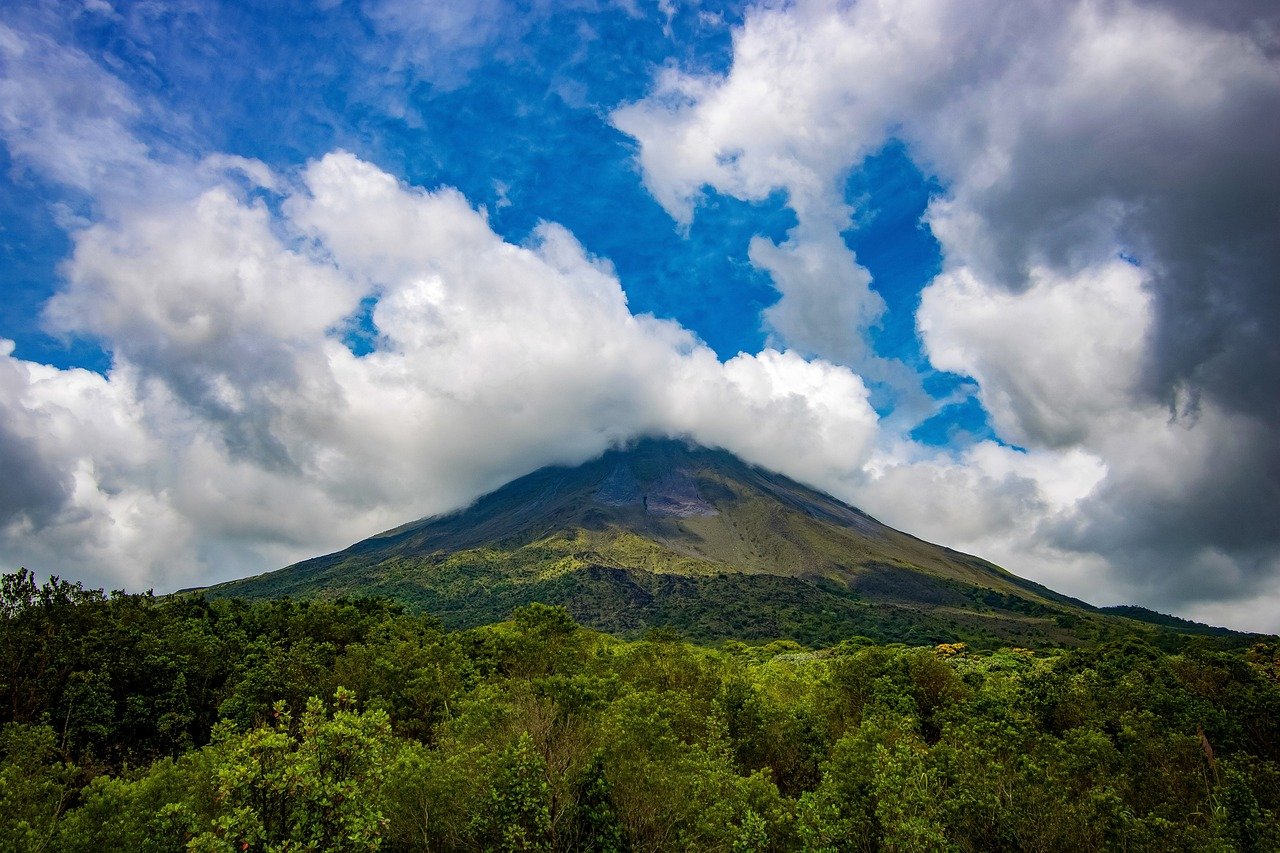
When is the right moment to book that trip to Costa Rica? Ask ten travelers and you’ll get ten answers, because the “best” time depends entirely on what you want from the trip. A surfer chasing clean Pacific swells has a very different calendar in mind than a family hoping for sunny beach days or a photographer hunting misty cloud-forest mornings. Costa Rica sits between 8 and 11 degrees north of the equator, which means it doesn’t have the four-season rhythm most North American and European travelers expect. Instead, it runs on a wet-and-dry cycle, and that cycle plays out differently on the Pacific coast, the Caribbean coast, and the highlands in between. (Shoulder season travel time trip lower prices fewer crowds) (Dry season)
This guide breaks down what each window of the year actually delivers, region by region, so you can match the season to your priorities rather than guessing.
The Two-Season Framework (and Why It’s Oversimplified)
Most guides reduce Costa Rica to a simple split: dry season from roughly December through April, green season from roughly May through November. That’s a useful starting point, but it hides a lot of nuance.
The dry season (verano, or summer, in local parlance) brings blue skies, firm roads, and reliable beach weather on the Pacific side. It also brings the highest hotel rates, the busiest national parks, and the toughest competition for reservations around Christmas, New Year, and Easter week (Semana Santa).
The green season (invierno, or winter) is the local name for the rainy months. Rain in Costa Rica rarely means all-day drizzle. More often it means a bright morning followed by an afternoon downpour that clears by evening. Landscapes turn lush, waterfalls run full, prices drop, and crowds thin out considerably.
The wrinkle: the Caribbean side flips much of this pattern. While the Pacific is soaking in September and October, the southern Caribbean coast around Puerto Viejo often enjoys its driest, sunniest stretch. Travelers who only read Pacific-focused advice miss this entirely.
Month-by-Month: What Each Window Really Delivers

December Through April: Peak Dry Season
This is the postcard version of Costa Rica. Guanacaste’s beaches, the Nicoya Peninsula, and Manuel Antonio all see their most dependable sunshine. It’s also when North Americans and Europeans flee winter, so demand spikes.
Expect to pay a premium, especially during the last two weeks of December and the first week of January. Book popular lodges in Manuel Antonio, Monteverde, and Tortuguero several months ahead. If you want the dry-season experience without the peak-season price tag, aim for late April or early May, when the rains haven’t fully arrived but the holiday crowds have gone home. (Private jet vs first class cost time privacy comfort)
One practical tip: dry season doesn’t mean rain-free everywhere. Monteverde’s cloud forest earns its name year-round, and the Osa Peninsula stays wetter than Guanacaste even in February.
May Through August: The Green Season Sweet Spot
Many repeat visitors quietly consider this the best overall window. Early green season brings lower rates, fewer people, and landscapes at their most vivid. Morning weather is often excellent, with rain concentrated in the afternoon.
July and August deserve special mention. Pacific-side locals talk about the veranillo, or “little summer,” a mid-year dry spell that often delivers a stretch of clear days. Its timing and strength vary from year to year, so treat it as a bonus rather than a guarantee. August also coincides with North American school holidays, which nudges prices up somewhat compared with June.
This is also prime time for wildlife watching. Turtle nesting peaks on different beaches at different months, and the green season’s fuller rivers and thicker foliage make guided nature walks more rewarding. (How to Stop Over Scheduling Your Life: Reclaim Your Time)
September and October: The Wettest, Cheapest Window
On the Pacific side, this is typically the rainiest stretch of the year. Some beach towns quiet down noticeably, and a handful of hotels close for annual maintenance. If your goal is maximum value and you don’t mind planning around afternoon storms, this is the bargain window.
But here’s the twist that savvy travelers exploit: the Caribbean coast often dries out in September and October. Puerto Viejo, Cahuita, and the Gandoca-Manzanillo area can be sunny and calm while the Pacific is drenched. If you’re flexible about which coast you visit, this is the month to head east.
November: The Transition Month
November sits in an awkward but appealing middle ground. Early November can still be wet; late November often ushers in the first reliably dry days. Prices haven’t yet climbed to peak levels, and the holiday rush hasn’t started. Travelers willing to accept a little weather uncertainty often find November a smart compromise.
Regional Differences That Change the Answer
Costa Rica packs an extraordinary range of microclimates into a small country, and the “best time” question genuinely has different answers depending on where you’re headed.
| Region | Driest Window | Wettest Window | Best For |
|---|---|---|---|
| Guanacaste & Nicoya beaches | December to April | September to October | Sun, dry-season beach days |
| Central Pacific (Manuel Antonio, Jacó) | December to April | September to October | Easy beach-plus-wildlife trips |
| Monteverde & highlands | December to April | May to October | Cloud forest, cooler air |
| Arenal & northern lowlands | January to April | June to October | Volcano views, hot springs |
| Southern Caribbean (Puerto Viejo) | September to October | December to January | Afro-Caribbean culture, reef snorkeling |
| Osa Peninsula & Corcovado | January to April | May to November | Deep rainforest, biodiversity |
The takeaway: if you have a specific destination in mind, check that region’s pattern rather than the national average. A traveler who wants Corcovado’s wildlife should plan around its drier months, while someone set on Caribbean reef snorkeling should look at late September.
Matching the Season to Your Travel Style
Different trips call for different calendars. Here’s how to think about it.
If budget matters most: Aim for May, June, September, or October. Rates fall meaningfully, and tour operators are more flexible. Pair this with the shoulder-season logic that applies to travel everywhere, where you trade a little weather risk for real savings.
If you want guaranteed sunshine: Book December through April, and accept the premium. Reserve early, especially for Christmas week.
If you’re a surfer: The Pacific side’s bigger swells arrive with the wet season, roughly May through November, particularly on the Nicoya Peninsula and around Jacó. The Caribbean side has its own surf calendar that peaks in the drier months.
If you’re a wildlife photographer: The green season’s dramatic skies, full waterfalls, and active wildlife make it compelling. Just build flexibility into your itinerary for rain days.
If you’re planning a luxury escape: Peak dry season delivers the most reliable conditions for villa stays and boat trips. High-end properties book out far in advance during the holidays, so plan accordingly if you want a specific villa or catamaran charter.
Practical Tips That Save Real Headaches
A few lessons that experienced Costa Rica travelers learn, sometimes the hard way:
- Don’t book a single microclimate and assume it applies everywhere. A week split between Arenal and the Caribbean can feel like two different countries.
- Schedule outdoor activities in the morning. Afternoon rain is the norm in green season, and tour operators know it. Ziplining, hiking, and boat trips almost always run better before lunch.
- Rent a four-wheel-drive vehicle in the green season. Unpaved roads to beaches and lodges get slick, and river crossings can rise quickly.
- Build one buffer day into your itinerary. Domestic flights and shuttles occasionally slip during heavy rain, and a spare day prevents a missed international connection.
- Check turtle nesting calendars for your specific beach. Nesting and hatching seasons vary by species and location, so a general guide won’t tell you when to go to Tortuguero versus Ostional.
- Pack for both sun and rain, always. A lightweight rain shell and quick-dry clothing earn their space in every season.
How Climate Variability Affects the Forecast
One thing worth understanding: Costa Rica’s rainfall isn’t perfectly predictable year to year. Global climate patterns like El Niño and La Niña shift rainfall across Central America, sometimes making a “dry” month wetter than usual or stretching a dry spell longer than expected. That doesn’t mean the seasonal framework is useless. It means you should treat month-by-month norms as probabilities, not promises. (Saffir-Simpson Hurricane Wind Scale)
The practical response is flexibility. If a particular beach is getting hammered, the country is small enough that you can often drive a few hours to a different microclimate. Travelers who build in that kind of adaptability consistently report better trips than those locked into a rigid plan.
Conclusion
There’s no single best time to travel to Costa Rica, and that’s actually good news. The country offers a genuinely different experience in each season, and the right choice comes down to a simple question: what do you want most from the trip? Reliable sunshine and beach time point to December through April. Value, lush scenery, and fewer crowds point to May through August. Bargain hunters and Caribbean-bound travelers should look hard at September and October. And anyone who values flexibility will find that the transition months, November especially, offer a quietly excellent balance.
Pick your priority first, then let the calendar follow. That’s the approach that turns a good Costa Rica trip into a great one.
FAQ
What is the absolute best month to visit Costa Rica?
There’s no universal answer, but February and March are the most consistently reliable months for dry weather across the Pacific side, with manageable crowds compared with the Christmas rush. For value and scenery, May is hard to beat.
Is it worth visiting Costa Rica during the rainy season?
Yes, for many travelers. The green season brings lower prices, fewer tourists, and spectacularly lush landscapes. Rain typically falls in the afternoon, leaving mornings clear for activities. Just plan around the wettest weeks on the Pacific side, usually September and October.
Which coast should I visit in September or October?
Head to the Caribbean coast. While the Pacific side is at its wettest, the southern Caribbean around Puerto Viejo and Cahuita often enjoys its driest, sunniest weather of the year. It’s one of Costa Rica’s best-kept seasonal secrets.
How far in advance should I book for peak season?
For travel between mid-December and early January, book four to six months ahead, especially for popular lodges and beachfront hotels. For the rest of the dry season, two to three months is usually workable, though holiday weeks fill up fast.
Does it rain everywhere in Costa Rica at the same time?
No. The Pacific and Caribbean coasts follow different patterns, and the highlands have their own microclimate. Monteverde can be misty while Guanacaste is sunny. Always check the specific region you’re visiting rather than relying on national averages.
What should I pack regardless of season?
Bring a lightweight rain jacket, quick-dry clothing, sturdy sandals or hiking shoes, and sun protection. If you’re traveling in the green season and plan to explore rural areas, a four-wheel-drive rental is worth the extra cost.
Is December a good time to visit Costa Rica? Yes, though with caveats. The dry season is beginning, but early December can still see residual rain, and prices climb steeply as the holidays approach. The first two weeks of the month often deliver excellent conditions at slightly gentler rates than Christmas week, making them a smart compromise for travelers who want sunshine without the peak-season premium.