
Bentley GT: The Grand Tourer That Redefined Luxury
 Abdul WadoodLast updated

What if a single car could rescue a century-old British brand and reshape what luxury buyers expect from a grand tourer? That is essentially the story of the Bentley Continental GT. When it arrived, it turned a niche maker of heavy, old-fashioned saloons into one of the most desirable performance-luxury brands on the planet. This article walks through the GT’s origins, its engine choices, how each generation changed the recipe, what ownership really demands, and the mistakes buyers and enthusiasts make when evaluating one.
What the Bentley Continental GT Actually Is
The Continental GT is Bentley’s two-door grand tourer: a large, heavy, lavishly trimmed coupe built to cover huge distances at speed without punishing its occupants. It sits at the heart of the Crewe-based marque’s lineup and has been the brand’s volume model for most of its life. A convertible version, the Continental GTC, has accompanied every generation.
The name carries history. Bentley used “Continental” on fastback versions of its 1950s R-Type, cars built for high-speed continental touring. Reviving the badge on a modern coupe was a deliberate signal: this was a Bentley meant to be driven, not just chauffeured. (Bentley Continental GT)
How the Continental GT Came to Be
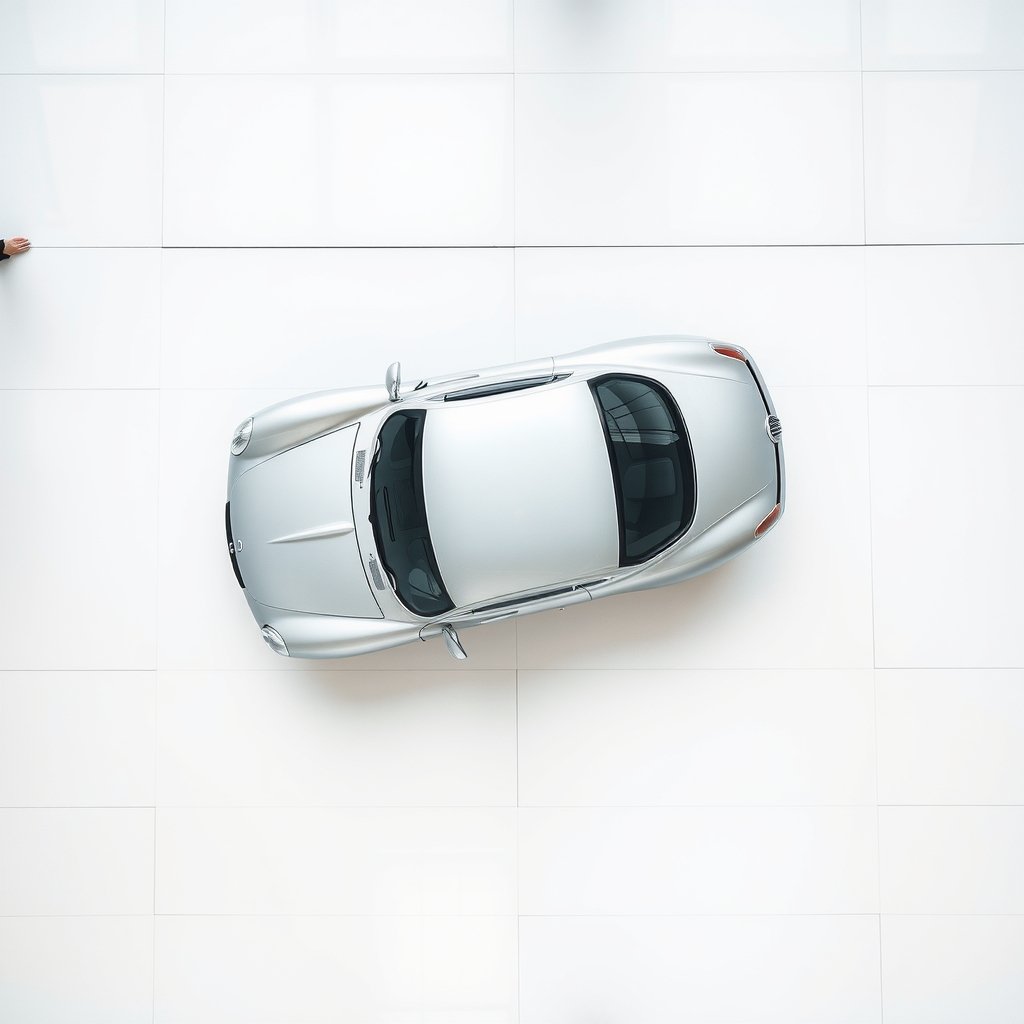
The car was unveiled as a concept at the 2002 Paris Motor Show, and the production version launched in 2003. Its significance is hard to overstate. The GT was the first full model developed under Volkswagen Group ownership, after VW acquired Bentley in 1998. That backing gave Bentley the engineering resources and scale it had lacked for decades.
The first-generation car paired a 6.0-litre twin-turbo W12 engine with all-wheel drive, producing roughly 552 hp in early form. That combination was unusual at the time: a compact W12 layout, two turbochargers, and a chassis tuned for stability rather than track aggression. It worked. The GT became the car that made Bentley relevant to a younger, wealthier, more performance-minded buyer.
The W12 and V8: Two Very Different Characters
Bentley’s engine strategy is one of the most interesting parts of the GT story. Buyers have generally chosen between two powertrains, and the choice shapes the whole ownership experience.
| Engine | Character | Best For | Trade-offs |
|---|---|---|---|
| 6.0-litre twin-turbo W12 | Effortless, near-silent surge; enormous mid-range pull | Long-distance cruising, effortless overtakes | Heavier nose, higher fuel use, more complex servicing |
| Twin-turbo V8 | Sharper response, lighter feel, more audible exhaust note | Drivers who want engagement and a lower running cost | Less low-end muscle than the W12; different soundtrack |
The W12 is the signature Bentley engine, a piece of engineering bravado that no rival mass-produces in the same configuration. The V8, added later in the model’s life, gave the GT a more athletic personality and broadened its appeal. In practice, the V8 tends to suit owners who drive their cars regularly and enjoy the noise; the W12 suits those who value the sense of unlimited thrust.
Generation by Generation: What Changed
First Generation (2003)
The original GT established the template: W12 power, all-wheel drive, a beautifully finished cabin, and a shape that still looks handsome today. It was joined by the GTC convertible and, over time, by high-performance Speed variants with more power and sharper chassis tuning. Early cars are now the most affordable route into Continental GT ownership, but they are also the ones most likely to need careful inspection.
Second Generation (2011)
The 2011 car refined rather than reinvented. It looked sharper, felt more modern inside, and added the V8 option. Power outputs climbed across the range. This generation is often seen as the sweet spot for used buyers who want modern convenience without the newest-car price.
Third Generation (2017 onward)
Revealed in 2017 with production from 2018, the third-generation GT moved to the MSB platform shared with the Porsche Panamera. That change brought a stiffer structure, better weight distribution, and noticeably improved handling. The interior took a big step forward too, with a rotating dashboard display that flips between a touchscreen and clean veneer. The W12 and V8 continued, and Speed versions pushed output higher still.
A fourth generation has been widely expected, with reporting pointing toward a plug-in hybrid V8 replacing the W12. Because timing and final specifications have shifted during development, anyone tracking the newest car should confirm details against Bentley’s official communications rather than relying on older reporting.
Why the GT Matters Beyond Bentley
The Continental GT did more than sell well. It proved that a low-volume British luxury brand could thrive inside a large industrial group, and it set a benchmark that rivals had to answer. The modern boom in fast, luxurious SUVs and grand tourers from brands like Aston Martin, Porsche, and Maserati owes something to the commercial logic the GT validated.
It also changed how people thought about Bentley itself. Before the GT, the brand’s image leaned heavily on heritage and stately saloons. After it, Bentley meant performance, contemporary design, and a car you could genuinely enjoy driving. For context on how the Volkswagen Group structures its brands, the corporate history is well documented on Volkswagen’s Wikipedia page, and the broader story of the marque is covered on Bentley’s Wikipedia entry.
What Living With One Is Really Like
Here is where enthusiasm meets reality. The Continental GT is a superb car, but it is not a cheap one to run, and buyers who treat it like a Toyota often get a shock.
Weight is the defining trait. These are heavy cars, and you feel it in tyre wear, brake consumption, and fuel use. The GT is happiest eating motorway miles, not threading through tight city streets.
Maintenance is specialist work. Servicing should go to a marque specialist or franchised dealer. Independent specialists can be excellent and cheaper, but they need genuine experience with the W12 or the V8, not just general European-car knowledge.
Consumables add up quickly. Performance tyres, brake discs and pads, and fluids on a heavy all-wheel-drive coupe cost meaningfully more than on a mainstream performance car. Budget for it before you buy, not after.
Electronics and trim need scrutiny on used cars. Complex infotainment, adjustable suspension, and soft-close doors are all wonderful until they fail. A thorough pre-purchase inspection by a specialist is the single best money a used buyer can spend.
Depreciation is your friend as a second owner. The GT depreciates significantly from new, which is exactly why well-maintained used examples represent so much car for the money.
Common Mistakes Buyers Make
A few patterns show up again and again among people shopping for a Continental GT.
- Buying on price alone. The cheapest example in the classifieds is rarely the cheapest to own. Deferred maintenance on a complex luxury car is expensive to unwind.
- Skipping the pre-purchase inspection. A specialist inspection costs a fraction of a single major repair and frequently pays for itself immediately.
- Ignoring the service history’s gaps. A stamped book is good; a documented, continuous history with invoices is far better.
- Underestimating running costs. Insurance, tyres, fuel, and servicing on a W12 car can surprise first-time luxury owners.
- Choosing the W12 purely for prestige. The V8 is genuinely the better fit for many drivers, and it is not a lesser car.
- Overlooking the GTC. Convertible versions offer the same experience with the roof down, and used prices are not always much higher.
- Forgetting to check tyres and brakes at purchase. Both are consumables on a heavy car, and worn examples can add a four-figure sum to the first year of ownership.
Buying Advice That Actually Works
Practical guidance tends to converge on a few points. Decide first whether you want the W12’s effortless surge or the V8’s sharper character, because that choice narrows the market considerably. Then decide between coupe and convertible. After that, prioritize condition and history over mileage; a well-maintained higher-mileage car is often a better buy than a neglected low-mileage one.
Set aside a contingency fund equivalent to a meaningful share of the purchase price for the first year. Even a healthy car will want tyres, a service, and possibly brakes. Finally, drive more than one example. The difference between a tired car and a well-sorted one is obvious within a few minutes behind the wheel, and it is the fastest way to calibrate your expectations.
For anyone documenting a purchase, restoration, or ownership journey, resources on Voozon Media can help with content and publishing around automotive projects.
The GT in the Wider Luxury Market
The Continental GT competes in a rarefied space. Its closest rivals have traditionally included the Aston Martin DB11 and its successors, the Porsche 911 Turbo, and, at the upper end, cars from Ferrari and McLaren. What separates the Bentley is its bias toward comfort and craftsmanship over lap times. It is a grand tourer in the truest sense: a car designed to make a 500-mile journey feel like a pleasant afternoon rather than an endurance test.
That positioning is why the GT has remained commercially strong across more than two decades and multiple generations. Buyers in this segment are not shopping purely on spec sheets. They are buying a feeling, and the Bentley delivers a very specific one: calm, weighty, unhurried confidence.
Conclusion
The Bentley Continental GT is one of the most consequential luxury cars of the modern era. It arrived in 2003 as the first full model of the Volkswagen era, proved that a heritage British marque could thrive with industrial backing, and has evolved through three generations with a W12 and a V8, a coupe and a convertible, and a Speed variant at the top of each range. For buyers, the appeal is obvious, but so are the responsibilities: specialist servicing, real running costs, and the need for a careful pre-purchase inspection. Get those right, and the GT delivers exactly what it promises: effortless, beautifully made long-distance travel with a genuine performance edge.
Frequently Asked Questions
What does GT stand for in Bentley Continental GT?
GT stands for gran turismo, or grand tourer in English. It describes a car built for fast, comfortable long-distance travel rather than outright track performance. The Continental GT fits that definition closely: a large, powerful coupe designed to cover big distances with ease.
How many generations of the Continental GT are there?
Three generations have reached production. The first launched in 2003, the second arrived in 2011, and the third was revealed in 2017 with production from 2018. A fourth generation has been widely expected, reportedly with a plug-in hybrid powertrain, though buyers should confirm current details with official sources.
Is the W12 or the V8 the better choice?
It depends on how you drive. The W12 offers effortless, near-silent thrust and suits long-distance cruising. The V8 feels lighter at the nose, responds more sharply, and has a more characterful exhaust note. Neither is objectively superior; the V8 often suits regular drivers better, while the W12 appeals to those who value the signature Bentley engine.
How much does it cost to maintain a Continental GT?
Running costs are significantly higher than for a mainstream performance car. Expect premium tyres, expensive brake components, specialist servicing, and meaningful fuel consumption, particularly with the W12. Setting aside a contingency fund for the first year of ownership is sensible, and a specialist pre-purchase inspection is essential.
Is a used Continental GT a good buy?
Often, yes, provided you buy carefully. Depreciation from new makes well-maintained used examples strong value. The key is condition and documented history rather than low mileage alone, plus a thorough inspection by a marque specialist before purchase.
Where is the Bentley Continental GT built?
The Continental GT is built at Bentley’s factory in Crewe, England, where the brand’s models have been produced for decades. The Crewe site is central to Bentley’s identity and remains the home of its manufacturing operations.